Breast Prosthesis Removal: What Results Are Realistic Without Replacement?

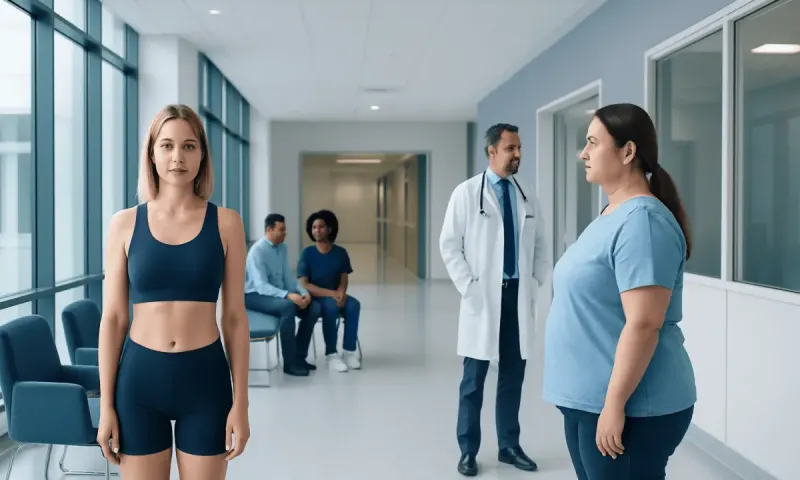
Breast prosthesis removal without replacement can improve comfort and address implant-related concerns, but the breast usually does not return exactly to its pre-implant appearance. Realistic results depend on the original breast tissue, implant size, skin elasticity, age, weight changes, and whether additional reshaping is performed.
Overview: What Happens After Breast Prosthesis Removal?
Breast prosthesis removal, often called explant surgery, is the removal of breast implants with no new implant placed. People choose this operation for many reasons, including personal preference, discomfort, changes in body image, aging, capsular contracture, implant rupture, or a desire for a more natural breast size and feel. In many cases, the surgery may also include treatment of the scar tissue capsule that forms around the implant.
When implants are removed and not replaced, the breast usually becomes smaller right away. However, shape changes can continue over the following weeks and months as swelling settles and the skin and breast tissue adjust. The final result depends on how much natural breast tissue is present, how stretched the skin has become, and whether the implant sat above or below the chest muscle.
It is important to understand that removal alone does not automatically restore the breasts to the way they looked before augmentation. Some people regain a natural, balanced contour, especially if their implants were small and their skin remains elastic. Others notice looseness, drooping, deflation, or unevenness that may be more obvious without the implant’s support.
For this reason, surgeons often discuss several options during planning, such as removal alone, removal with capsule surgery, or removal combined with reshaping procedures. Depending on the individual’s goals, this may include a breast lift or fat transfer to the breast to improve contour without another implant.
What Results Are Realistic Without Replacement?
The most realistic expectation is a breast that is smaller and softer but not necessarily the same as it was before implants. Many people notice less fullness in the upper breast, more visible skin laxity, and a lower nipple position if the skin has stretched over time. If the implants were large or had been in place for many years, these changes are often more noticeable.
In some people, implant removal alone produces a pleasing result, especially when there is good skin elasticity and a moderate amount of natural breast tissue. The breasts may settle into a shape that looks natural in proportion to the body. In others, the breast can appear deflated, wrinkled, or flattened, particularly at the top and center of the breast.
Symmetry is another important point. Even before surgery, most breasts are not perfectly identical. After explant surgery, small differences in volume, nipple position, scar tissue, and skin stretch may become easier to see. A surgeon can explain whether these differences are likely to be mild or whether added reshaping may be worth considering.
Emotional expectations matter as much as physical ones. Some people feel immediate relief and confidence after removal, while others need time to adapt to a new silhouette. A helpful consultation focuses not on a perfect result, but on a result that is safe, natural, and consistent with the person’s priorities.
What Affects the Final Breast Shape?

Several factors influence how the breasts look after implant removal. One of the most important is implant size. Larger implants usually stretch the skin and soft tissue more than smaller ones, so the breast may not retract fully after removal. The longer implants have been in place, the more likely it is that the skin and internal tissues have adapted to that larger volume.
Natural breast tissue also matters. People with more of their own breast volume often keep a rounder shape after explant surgery than those with very little native tissue. Skin quality is equally important. Age, sun exposure, smoking, major weight changes, pregnancy, and breastfeeding can all reduce skin elasticity and make drooping more likely.
The condition of the capsule around the implant can also affect appearance and surgical planning. Scar tissue may be thin and flexible, or it may be thickened and tightened, as in problematic scarring tendencies elsewhere in the body, although the capsule itself is a different type of scar response. In cases of capsular contracture, rupture, pain, or imaging concerns, the surgeon may advise partial or complete capsule removal to improve comfort or breast shape.
Finally, the original implant pocket placement can play a role. Implants placed under the muscle may leave temporary muscle changes or contour changes after removal, while implants placed above the muscle may reveal more visible tissue laxity. A full examination, often supported by imaging when needed, helps predict these details more accurately.
Symptoms and Reasons People Consider Removal
Not everyone seeks implant removal because of a medical problem. Some simply want a smaller chest, a more natural look, or less maintenance over time. Others feel their lifestyle, age, or body proportions have changed and they no longer want implants. These are valid reasons to discuss explant surgery with a qualified plastic surgeon.
Medical or structural reasons can also lead to removal. These may include firmness from capsular contracture, discomfort, visible rippling, implant malposition, rupture, or asymmetry. In some cases, people report chronic irritation from pressure or skin breakdown over bony or tight areas, although true skin wounds require careful medical assessment, much like other soft-tissue concerns such as pressure-related skin injury.
Some people are also evaluated for changes in the breast that are unrelated to the implant itself, such as lumps, fluid collections, or changes seen on imaging. These findings do not always mean the implant must be removed, but they do require proper assessment. A surgeon may coordinate care with breast imaging specialists or other doctors when needed.
A consultation should include a discussion of goals, symptoms, and what the person hopes to avoid or improve. This helps determine whether removal alone is the best option or whether a reshaping approach through breast prosthesis removal surgery and related procedures may better match the desired outcome.
How Surgeons Evaluate and Plan the Procedure
Before surgery, the plastic surgeon reviews the implant history, including implant type, placement, previous breast operations, and current symptoms. A physical examination assesses breast size, skin quality, nipple position, degree of sagging, and any signs of capsular contracture or implant problems. Standard preoperative photographs are commonly used to support planning and comparison.
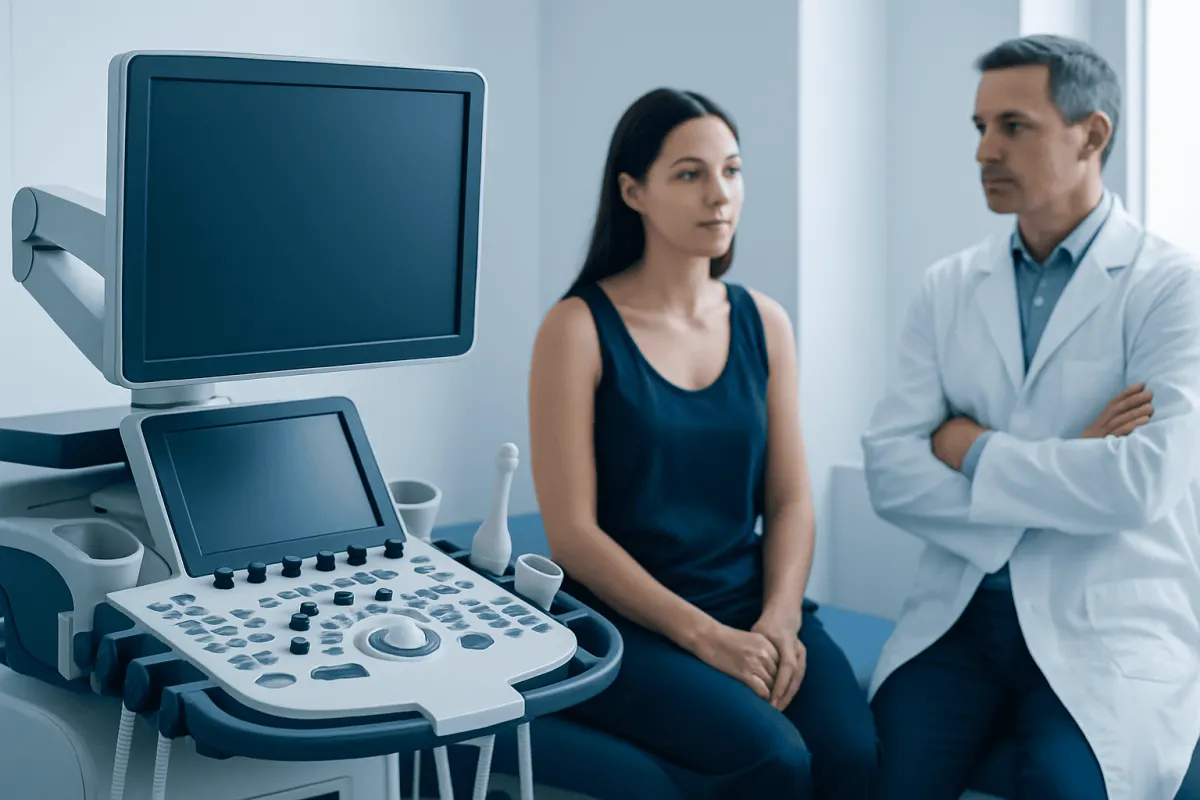
Imaging may be recommended in some cases, especially if there are concerns about rupture, pain, or unusual findings. Ultrasound or MRI can help clarify implant integrity and surrounding tissue changes. Routine breast screening based on age and personal risk should continue as advised by a doctor, whether or not implants are present.
The surgeon then discusses technique options. These may include implant removal alone, implant removal with partial or total capsulectomy, and implant removal combined with reshaping. A person with loose skin and a low nipple position may benefit from breast reshaping surgery or a lift, while someone who wants modest volume without another implant may consider fat transfer if suitable donor fat is available.
Good planning includes a careful conversation about scars, recovery, limitations of surgery, and the possibility that a second-stage procedure may be preferred rather than doing everything at once. The goal is not to promise a specific cup size or exact contour, but to create a safe plan with realistic, individualized expectations.
Treatment Options After Removal: Is a Lift or Fat Transfer Needed?
Implant removal alone is the simplest option and may be enough for people who accept a smaller breast size and some looseness. This is often suitable when the implant was small, the natural breast tissue is reasonable, and the skin still has good recoil. The trade-off is that upper-pole fullness often decreases, and some drooping may remain.
A breast lift may be recommended when the nipples sit low, the skin is stretched, or the breast envelope feels empty after the implant is removed. A lift reshapes the breast and repositions the nipple higher on the chest, but it adds scars. It does not significantly increase volume, so it is best understood as a contour-improving procedure rather than a size-restoring one.
Fat transfer can add modest fullness using the person’s own fat, usually taken from another area of the body. This may soften contour irregularities and improve upper-breast fullness without using another implant. However, fat transfer has limits: not all transferred fat survives, more than one session may be needed, and it cannot reliably recreate the volume of a large implant.
For selected patients, a combined approach offers the best balance. Removal plus lift can improve position and shape, while removal plus fat transfer can restore gentle fullness. During consultation, the surgeon explains which option best fits anatomy, goals, and recovery preferences.
Recovery, Self-Care, and When to See a Doctor
Recovery after explant surgery varies according to whether capsule removal, a lift, or fat transfer is performed at the same time. Most people can expect swelling, soreness, and temporary tightness in the chest. Support garments, wound care instructions, and activity restrictions are typically advised for the early recovery period.
Patients are usually encouraged to walk gently, avoid heavy lifting for a period recommended by the surgeon, and attend follow-up visits so healing can be monitored. The breast shape often looks different from the final result at first. Swelling must settle, tissues need time to relax, and scars continue maturing for months.
Medical review is important if there is increasing redness, fever, severe pain, worsening swelling, fluid leakage, shortness of breath, or a sudden change in breast size. These symptoms do not always mean a serious problem, but they should be checked promptly. Anyone with new breast lumps or persistent breast changes should also seek evaluation.
Near the end of the treatment journey, some patients prefer care at centers with coordinated plastic surgery, imaging, and aftercare services. Acıbadem Health Point’s multidisciplinary specialists and JCI-accredited hospitals evaluate and treat patients seeking implant removal and related breast procedures, including aesthetic breast surgery when appropriate.
Frequently asked questions
01Will the breasts go back to normal after implant removal?
The breasts usually become smaller and softer after implant removal, but they may not look exactly as they did before augmentation. Skin stretching, implant size, and the amount of natural breast tissue all affect the final result.
02How do breasts usually look after implant removal without replacement?
Many people notice less fullness, especially in the upper part of the breast, along with some looseness or flattening. Others keep a natural, balanced shape if they have good skin elasticity and enough of their own breast tissue.
03Who may need a breast lift after explant surgery?
A lift may help when the skin is stretched, the nipples sit lower than desired, or the breast appears deflated after the implant is removed. It improves shape and position, but it also creates additional scars.
04Can fat transfer replace the lost volume after implant removal?
Fat transfer can add modest fullness and improve contour, but it cannot always match the volume of a previous implant. It is often best for subtle enhancement rather than large-volume replacement.
05Is capsule removal always necessary during breast prosthesis removal?
Not always. The decision depends on symptoms, the condition of the capsule, imaging findings, and the surgeon’s assessment. In some cases, partial or complete capsulectomy is recommended, while in others implant removal alone may be appropriate.
06How long does it take to see the final result?
Early swelling and tissue settling can change the breast shape for several weeks or months. Most people get a clearer idea of the final contour after healing progresses, but scar maturation and subtle changes can continue longer.
This article is for general information only and is not a substitute for professional medical advice. Please consult a qualified doctor about your individual situation.
Explore treatments in Turkey — costs, top hospitals & a free quote
JCI-accredited · board-certified surgeons · reply within 24h
Add us as a Preferred Source to see more of our trusted health content across Google Search, AI Overviews and Discover.