Bowel Cancer Symptoms in Women: Diagnosis and Outlook
Bowel cancer symptoms in women can be subtle and may overlap with common digestive, menstrual, or gynecological concerns. Persistent changes in bowel habits, bleeding, unexplained iron-deficiency anemia, abdominal symptoms, or weight loss should be assessed by a qualified clinician.
Bowel cancer symptoms in women: an overview
Bowel cancer, also called colorectal cancer, includes cancers that begin in the colon or rectum. Bowel cancer symptoms in women can include a persistent change in bowel habits, blood in or on the stool, abdominal pain or bloating, unusual tiredness, and unexplained weight loss. However, these symptoms are not specific to cancer and are often caused by conditions such as hemorrhoids, irritable bowel syndrome, infection, or inflammatory bowel disease.
Symptoms may be overlooked because some can resemble menstrual changes, pelvic conditions, dietary intolerance, or everyday digestive upset. The important feature is persistence or progression. A new symptom that lasts for several weeks, recurs, or is accompanied by bleeding, anemia, or unintentional weight change should be discussed with a doctor.
Many people with early bowel cancer have no noticeable symptoms. Screening can identify polyps, which are growths that may become cancerous over time, and can also detect cancer before it causes problems. Screening recommendations vary by country, age, family history, and individual risk.
Symptoms that may need assessment
The bowel cancer symptoms women experience are broadly similar to those in men, but their meaning can be harder to judge when there are overlapping gynecological or digestive symptoms. Blood may appear bright red, dark red, or make stools look unusually dark. Bleeding should not automatically be assumed to be caused by hemorrhoids or a menstrual period.
Possible symptoms include:
- A lasting change in bowel habit, including diarrhea, constipation, or alternating patterns
- Blood in the stool or bleeding from the rectum
- A feeling that the bowel does not empty completely
- Abdominal cramping, persistent discomfort, bloating, or a new sensation of fullness
- Unexplained iron-deficiency anemia, which may cause fatigue, breathlessness, dizziness, or paler skin
- Unintentional weight loss, reduced appetite, nausea, or vomiting
- A lump or swelling in the abdomen or pelvis
Symptoms alone cannot diagnose bowel cancer. Nevertheless, it is safer to seek assessment when a symptom is unexplained, lasts more than a few weeks, worsens, or differs from the person’s usual pattern. This is especially important for people with a family history of colorectal cancer or certain inherited cancer syndromes.
What are the symptoms of stage 1 colon cancer?
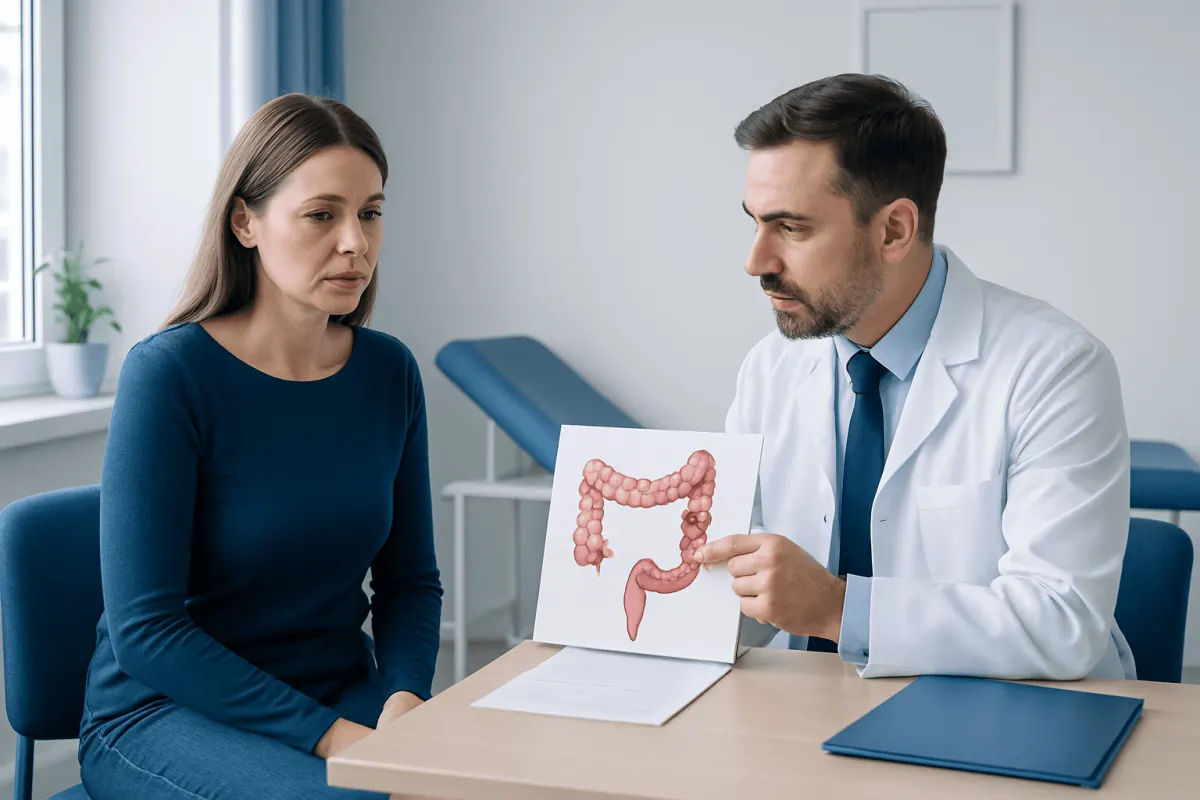
Stage 1 colon cancer is confined to the inner layers of the colon wall and has not spread to nearby lymph nodes or distant organs. It often causes no symptoms at all. For this reason, some stage 1 cancers are found through screening tests or during investigation of another bowel concern.
When symptoms occur, they may be mild and non-specific. A person may notice a change in stool frequency or shape, occasional blood in the stool, mild abdominal discomfort, or fatigue related to slowly developing iron-deficiency anemia. These symptoms can have many non-cancer causes, so they do not confirm a diagnosis.
Early detection matters because localized bowel cancers are generally more likely to be treated successfully. A clinician may recommend stool testing, a colonoscopy, blood tests, or imaging based on symptoms, age, and risk factors. A colonoscopy also allows suspicious tissue to be biopsied and some polyps to be removed during the same procedure.
Causes and risk factors for bowel cancer
Bowel cancer develops when cells in the lining of the colon or rectum acquire changes that allow them to grow abnormally. Many cancers develop from polyps over a number of years, though not all polyps become cancer. The exact cause in an individual is often not known.
Risk increases with older age, but bowel cancer can occur in younger adults as well. Important risk factors include a personal history of polyps or bowel cancer, inflammatory bowel disease, a close relative with colorectal cancer, and inherited conditions such as Lynch syndrome or familial adenomatous polyposis. A clinician may advise earlier or more frequent screening when these risks are present.
Lifestyle factors associated with a higher risk include smoking, regular heavy alcohol use, limited physical activity, obesity, and diets high in processed meats. These associations do not mean that someone caused their cancer, and having a risk factor does not mean cancer will develop. A balanced diet, regular movement, avoiding tobacco, and participating in screening are practical risk-reducing steps.
Does colon cancer grow slowly?
Many colon cancers develop gradually from certain types of polyps over several years. This is one reason screening can be effective: it may identify and remove polyps before they become cancerous, or find cancer at an earlier stage. However, growth rates vary substantially between individuals and between tumor types.
Some cancers may behave more aggressively because of their biological and genetic features. Once cancer is present, it is not possible to predict its pace from symptoms alone. A person should not wait to see whether rectal bleeding, anemia, or a persistent bowel change improves, particularly if symptoms continue or worsen.
After diagnosis, pathology testing and scans help the care team understand the cancer’s location, stage, and molecular characteristics. This information guides decisions about surgery and whether treatments such as chemotherapy, radiotherapy, targeted therapy, or immunotherapy may be appropriate.
Diagnosis and modern treatment approaches
Assessment usually begins with a medical history, physical examination, and blood tests. A stool test may detect traces of blood not visible to the eye, but a normal stool test does not always rule out cancer in someone with concerning symptoms. Colonoscopy is a key test because it enables the doctor to examine the bowel lining, take biopsies, and remove some polyps.
If cancer is confirmed, imaging tests such as CT, MRI, or ultrasound may be used to determine the stage. The biopsy is examined to establish the type of cancer and may be tested for molecular features that can influence treatment choices. This process helps distinguish colon cancer from rectal cancer and from other digestive conditions.
Surgery is the main treatment for many localized colon cancers and may be the only treatment needed for some early-stage cases. Treatment for rectal cancer may include radiotherapy and chemotherapy before or after surgery, depending on the tumor stage and location. For advanced disease, systemic treatments may include chemotherapy, targeted therapy, or immunotherapy when tumor testing indicates these approaches could be suitable.
Individual treatment plans are made by a multidisciplinary team and consider the cancer stage, tumor biology, symptoms, general health, and personal priorities. Acıbadem Health Point’s multidisciplinary specialists at JCI-accredited hospitals assess and treat bowel cancer for international patients.
What is the survival rate for people with bowel cancer?
Bowel cancer outlook is closely related to the stage at diagnosis. Cancers found while localized to the bowel are generally associated with a more favorable outlook than cancers that have spread to lymph nodes or distant organs. This is why timely investigation of symptoms and participation in screening are so important.
There is no single survival figure that can predict what will happen for one person. Published survival estimates differ by country, healthcare system, age group, cancer location, and the period in which patients were treated. They are based on large groups of people and may not reflect newer treatments or an individual’s circumstances.
A doctor can provide a more personalized discussion after reviewing the pathology report, imaging, stage, molecular test results, and response to treatment. Even when bowel cancer is advanced, treatment can often help control the disease, reduce symptoms, and support quality of life.
Can colon cancer cause weight gain?
Unintentional weight loss is more commonly associated with colon cancer than weight gain. Weight gain alone is not considered a typical warning sign of bowel cancer and is more often related to changes in diet, activity, hormones, medication, fluid retention, or other health conditions.
In uncommon situations, abdominal swelling or fluid buildup may make the abdomen appear larger. Constipation and bloating can also create a sense of fullness or temporary increase in abdominal size. These signs are not specific to cancer, but persistent new abdominal swelling, pain, altered bowel habits, or reduced appetite should be medically assessed.
Any unexplained weight change is worth discussing with a clinician when it is significant, ongoing, or accompanied by rectal bleeding, anemia, fatigue, or bowel changes. Evaluation can identify the cause and help ensure appropriate care.
When to seek medical care
Medical advice should be sought promptly for rectal bleeding, black or very dark stools, severe or worsening abdominal pain, repeated vomiting, or symptoms of bowel obstruction such as marked abdominal swelling with inability to pass stool or gas. Urgent assessment is particularly important if a person feels faint, very weak, or unwell with bleeding.
A non-urgent appointment should be arranged for a bowel habit change lasting several weeks, unexplained fatigue or iron-deficiency anemia, recurrent abdominal discomfort, unexplained weight loss, or a new abdominal or rectal lump. Women should mention any family history of colorectal, uterine, ovarian, or related cancers, as this may affect risk assessment and screening plans.
People should also follow the colorectal screening program recommended where they live, even if they feel well. Screening is not a replacement for a clinical assessment when symptoms are present. A doctor can advise which test is most appropriate based on age, symptoms, and personal history.
Frequently asked questions
01Are bowel cancer symptoms different in women?
The main bowel cancer symptoms are similar in women and men. In women, symptoms such as bloating, pelvic discomfort, tiredness, or anemia may sometimes be attributed to menstrual, hormonal, or gynecological causes, which can delay assessment. Persistent or unexplained symptoms should be reviewed by a clinician.
02Can hemorrhoids cause bleeding that looks like bowel cancer?
Yes. Hemorrhoids are a common cause of bright red rectal bleeding, especially around bowel movements. However, bleeding should not be assumed to be due to hemorrhoids without medical assessment, particularly if it recurs, is accompanied by bowel changes, or occurs with fatigue or weight loss.
03Can a blood test diagnose bowel cancer?
A blood test cannot diagnose bowel cancer on its own. It can identify anemia or other findings that may prompt further investigation. Diagnosis usually requires examination of the bowel, most often with colonoscopy and biopsy of any suspicious area.
04At what age should women start bowel cancer screening?
The recommended starting age depends on the country and an individual’s risk factors. Many screening programs begin for average-risk adults in midlife, while people with a family history, inherited syndrome, or inflammatory bowel disease may need earlier screening. A doctor can advise on the appropriate schedule.
05Can bowel cancer be prevented?
Not every case can be prevented, but risk can be reduced. Screening can detect and remove certain polyps before cancer develops, while not smoking, limiting alcohol, staying physically active, and eating a balanced diet can support overall bowel health. Family history may still require tailored screening even with a healthy lifestyle.
06Is bowel cancer curable?
Many early-stage bowel cancers can be treated with the aim of cure, often using surgery. The possibility of cure depends on factors such as stage, tumor location, biology, and whether the cancer has spread. For advanced cancer, treatment may still control disease and relieve symptoms for meaningful periods.
This article is for general information only and is not a substitute for professional medical advice. Please consult a qualified doctor about your individual situation.
Medical weight-loss options in Turkey — costs & eligibility
JCI-accredited · board-certified surgeons · reply within 24h
Add us as a Preferred Source to see more of our trusted health content across Google Search, AI Overviews and Discover.