How to Get Rid of Blackheads Inside Nose?

Key Takeaways
- Blackheads inside the nose are typically open comedones caused by oil, dead skin cells, and debris in pores.
- Gentle cleansing, non-comedogenic products, and salicylic acid may help reduce them over time.
- Picking, squeezing, or using harsh scrubs can irritate the skin and make the problem worse.
- Pain, redness, swelling, crusting, or bleeding suggests a different issue that should be assessed by a doctor.
- People with recurrent or stubborn nose bumps may benefit from dermatologist or ENT evaluation.
Blackheads inside the nose are usually clogged pores, not a serious medical problem, and they can often be managed with gentle skin care and the right over-the-counter products. If the bumps are painful, inflamed, or uncertain in appearance, a clinician can check whether they are blackheads or another skin or nasal condition.
Overview
For anyone wondering how to get rid of blackheads inside nose, the short answer is that they are best handled gently. These small dark plugs are usually open comedones—pores that have become clogged with oil, dead skin cells, and environmental debris, then darkened when the contents are exposed to air.
The inside and edges of the nose can be especially prone to clogging because this area naturally produces more oil than some other parts of the face. That said, not every dark spot in or around the nose is a blackhead. Sometimes a bump may be a sebaceous filament, irritated hair follicle, or another nasal skin problem, which is why persistent or unusual lesions deserve a closer look.
Most blackheads are a skin-care issue rather than a medical emergency. Still, a calm, informed approach matters because the skin around the nose is sensitive, and aggressive removal attempts often lead to redness, broken skin, or infection.
Symptoms and how they differ from other nose bumps
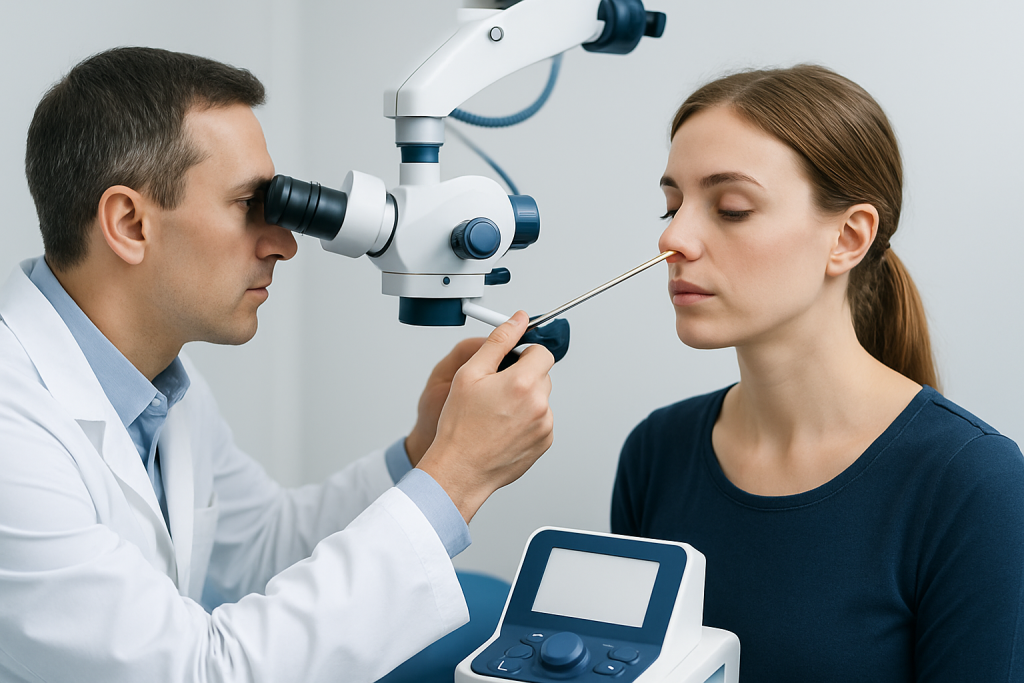
Blackheads inside the nose usually appear as tiny dark or grayish dots, often with a slightly raised or plugged look. They are generally not painful, although they may feel rough if the area is dry or irritated.
It helps to separate blackheads from other common findings:
- Sebaceous filaments: pale or grayish dots that can refill quickly and are a normal part of skin oil flow.
- Ingrown hairs or folliculitis: tender bumps, sometimes with redness or a small pimple-like center.
- Nasal vestibulitis: inflammation or infection near the nostrils, which may cause crusting, soreness, or bleeding.
- Scabs or dried mucus: material that may look dark but is not a pore blockage.
When the spot is truly a blackhead, the surrounding skin is usually otherwise quiet. If the area becomes swollen, warm, very tender, or repeatedly crusts, the person should avoid self-treatment and seek medical advice.
Causes and risk factors

Blackheads form when a pore becomes blocked by oil, dead skin cells, and other residue. The dark color is not dirt; it is usually the result of oxidation when the pore opening remains in contact with air.
Several factors can make them more likely on the nose:
- naturally oily skin
- hormonal shifts that increase sebum production
- heavy, occlusive makeup or skin products
- infrequent or overly harsh cleansing
- touching or picking the nose area
- sweat, pollution, and friction from masks or glasses
Some people also notice more clogged pores during periods of stress or when skin care routines become inconsistent. The goal is not to scrub the nose clean, but to support the skin barrier while keeping pores from becoming congested.
Diagnosis: how a clinician checks the area
Most blackheads can be identified by a clinician through a simple visual examination. A dermatologist often evaluates the skin first, while an ENT specialist may be appropriate if the concern is inside the nostril, associated with crusting, pain, or recurrent irritation.
In many cases, no tests are needed. The main task is to confirm that the bump is a comedone and not a wart, cyst, infection, foreign body reaction, or an inflamed nasal lesion. That distinction is important because treatment differs.
If the appearance is unclear, the clinician may ask about products used on the face, frequency of nose picking or blowing, any recent infections, and whether the lesion has changed over time. In international-patient settings, this evaluation is often straightforward and can usually be completed during an outpatient visit, with follow-up arranged if needed after travel.
Treatment options
Safe treatment starts with gentle skin care. A mild cleanser used once or twice daily is often enough to prevent extra oil and debris from building up. For many people, a non-comedogenic moisturizer is helpful because irritated skin can become even more reactive.
Over-the-counter products sometimes recommended for blackheads include salicylic acid or other acne-focused cleansers. These can help loosen pore blockages, but they should be introduced carefully, especially near the nostrils where the skin is delicate. Products meant for the whole face should not be pushed into the inner nasal lining unless a doctor specifically recommends that approach.
Other treatment possibilities may include:
- Topical retinoids: useful for recurring comedones, usually applied to external skin under medical guidance.
- Professional extraction: performed in a clean clinical setting when a stubborn blackhead needs removal.
- Treatment of another condition: if the lesion is actually folliculitis, irritation, or nasal vestibulitis, the plan changes accordingly.
What is generally discouraged is squeezing with fingernails, using pore strips inside the nostril, inserting tools, or applying harsh scrubs. These can injure the tissue, widen irritation, and sometimes lead to infection.
Prevention and self-care
Prevention is often more effective than repeated removal. A steady routine is usually better than occasional aggressive treatment, especially around the nose where skin and mucosal tissue meet.
Helpful habits include cleansing the face regularly, avoiding heavy or greasy products on the nose, and choosing labels that say non-comedogenic or oil-free when possible. Makeup should be removed fully at the end of the day, and items that touch the face—such as masks, eyeglasses, and tissues—should be kept clean.
It also helps to keep hands away from the nose. Picking may seem like a quick fix, but it can push material deeper, irritate the lining, or create a sore that takes longer to heal. If blackheads keep returning in the same place, a clinician can suggest a routine tailored to the person’s skin type and tolerance.
When to see a doctor
Medical review is sensible when the spot is painful, enlarging, bleeding, repeatedly crusting, or not clearly a blackhead. A doctor should also evaluate the area if there is swelling around the nostril, fever, pus, or a foul smell, since these findings point more toward infection or another nasal condition than simple clogged pores.
People who have tried gentle care for several weeks without improvement may benefit from professional treatment advice. This is especially true if they have sensitive skin, frequent acne, eczema, rosacea, or a history of skin infection.
For patients traveling from another country, it can be reassuring to know that a well-planned outpatient assessment often clarifies whether the concern belongs with dermatology, ENT, or both. At Acibadem Health Point, multidisciplinary specialists in JCI-accredited hospitals can evaluate and treat this kind of condition for international patients, with follow-up planning designed around travel needs.
A practical approach to blackheads inside the nose
The most reliable answer to how to get rid of blackheads inside nose is to treat them as a skin-care issue first, not as something to force out. Gentle cleansing, careful product choice, and patience usually bring better results than extraction at home.
If the lesion is stubborn, repeatedly returns, or does not look like a typical blackhead, professional assessment is the safest next step. That small pause before self-treatment can prevent irritation and lead to a more accurate diagnosis.
In short, calm care is usually enough for ordinary blackheads, while persistent or painful bumps deserve a clinician’s opinion. That balance helps protect both the skin and the nasal lining.
Frequently asked questions
01How do you get rid of blackheads inside the nose safely?
The safest approach is gentle cleansing, avoidance of picking, and careful use of non-prescription acne products if the skin tolerates them. If the blackhead is inside the nostril rather than on the outer skin, it is best not to insert tools or squeeze it.
02Are blackheads inside the nose actually blackheads?
Often they are, but not always. Some dark spots are sebaceous filaments, dried mucus, a scab, or an inflamed hair follicle, so the appearance and symptoms matter.
03Can salicylic acid be used on blackheads in the nose?
Salicylic acid can help with clogged pores on the external skin of the nose. It should be used carefully, and products should not be forced into the inner nasal lining unless a doctor advises it.
04Why do blackheads keep coming back on the nose?
The nose naturally makes more oil, so pores there can clog more easily. Product buildup, friction, and frequent touching can also contribute to recurrence.
05When should a nose bump be checked by a doctor?
A bump should be checked if it is painful, red, swollen, bleeding, crusting, or not improving with gentle care. It is also worth evaluating if the person is unsure whether it is truly a blackhead.
06Can professional extraction help with stubborn blackheads?
Yes, in selected cases a clinician can remove a stubborn blackhead in a controlled setting. This is safer than trying to squeeze or dig at the area at home.
This article is for general information only and is not a substitute for professional medical advice. Please consult a qualified doctor about your individual situation.
Hair transplant in Turkey — costs, graft counts & a free assessment
JCI-accredited · board-certified surgeons · reply within 24h
Add us as a Preferred Source to see more of our trusted health content across Google Search, AI Overviews and Discover.