Bone Surgery to Repair, Remove, or Reshape Bone
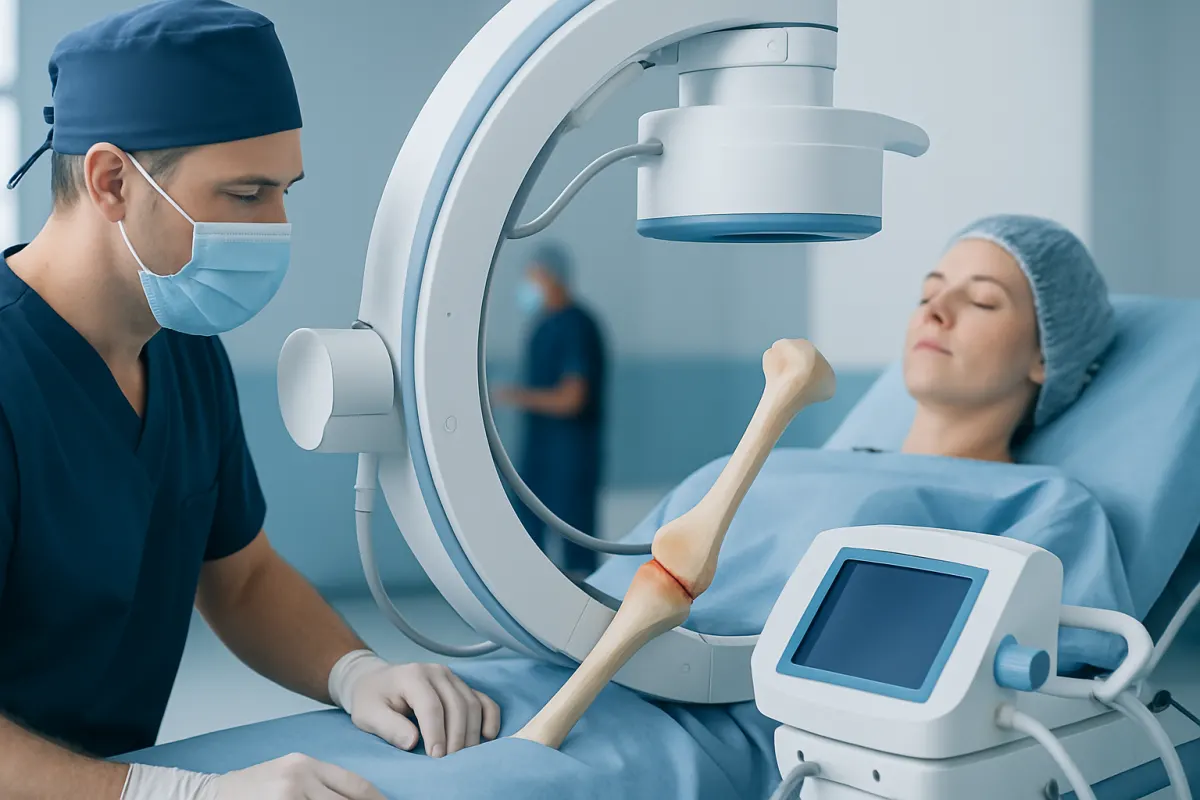
Bone surgical procedures include operations that repair fractures, remove damaged or unwanted bone, correct alignment, replace joints or treat infection and tumors. The specific approach, recovery period and expected results depend on the reason for surgery, the bone involved and each person’s overall health.
Bone Surgical: What It Means and How It Helps
Bone surgical refers to operations on bone performed to restore stability, reduce pain, improve movement or address disease. A bone procedure may be used after a fracture, for arthritis-related joint damage, deformity, a painful bone spur, infection, non-healing bone, or a benign or cancerous bone lesion. Some procedures preserve the natural bone, while others remove a small section, use graft material, or replace part of a joint.
The goal is not simply to make an X-ray look better. Orthopedic surgeons consider symptoms, daily function, bone quality, nerve and blood-vessel safety, and whether non-surgical care is likely to provide enough benefit. Depending on the procedure, surgery may be performed through a larger incision or with minimally invasive techniques using small incisions and specialized instruments.
Results vary with the diagnosis and operation. Many people experience improved stability, alignment or pain relief, but recovery requires time for tissues and bone to heal. A personalized rehabilitation plan is often as important as the operation itself.
How Bone Surgery Works and Who May Be a Candidate
A bone operation is selected when the likely benefits outweigh the risks and less invasive treatment has not adequately controlled symptoms or restored function. Examples include fixing an unstable fracture with plates, screws or a rod; removing a painful bone spur; correcting a deformity with an osteotomy; cleaning infected or damaged bone; or removing a bone lesion. Joint-related operations may also involve cartilage, ligaments and soft tissue around the bone.
Potential candidates may have persistent pain, loss of mobility, a fracture that is displaced or unstable, worsening deformity, nerve compression, or evidence that bone is not healing normally. A surgeon also reviews medical conditions such as diabetes, osteoporosis, circulation problems, smoking or nicotine use, immune suppression, and medicines that affect bleeding or bone health. These factors do not always prevent surgery, but they can change planning and recovery.
Before proceeding, the clinical team usually reviews X-rays and may request CT or MRI scans, blood tests, and pre-anesthesia assessment. For people with joint damage, joint Knee Replacement Surgery: Candidates, Implant Types, and Recovery" class="ahp-ilk">replacement surgery may be considered when severe symptoms and structural changes no longer respond to appropriate non-surgical treatment.
- Conservative care may include: activity modification, physiotherapy, braces or supports, pain management, and treatment of underlying bone-health conditions.
- Surgical planning may include: selecting implants, arranging bone grafting if needed, and defining weight-bearing restrictions after surgery.
Step by Step: What Happens During a Bone Procedure
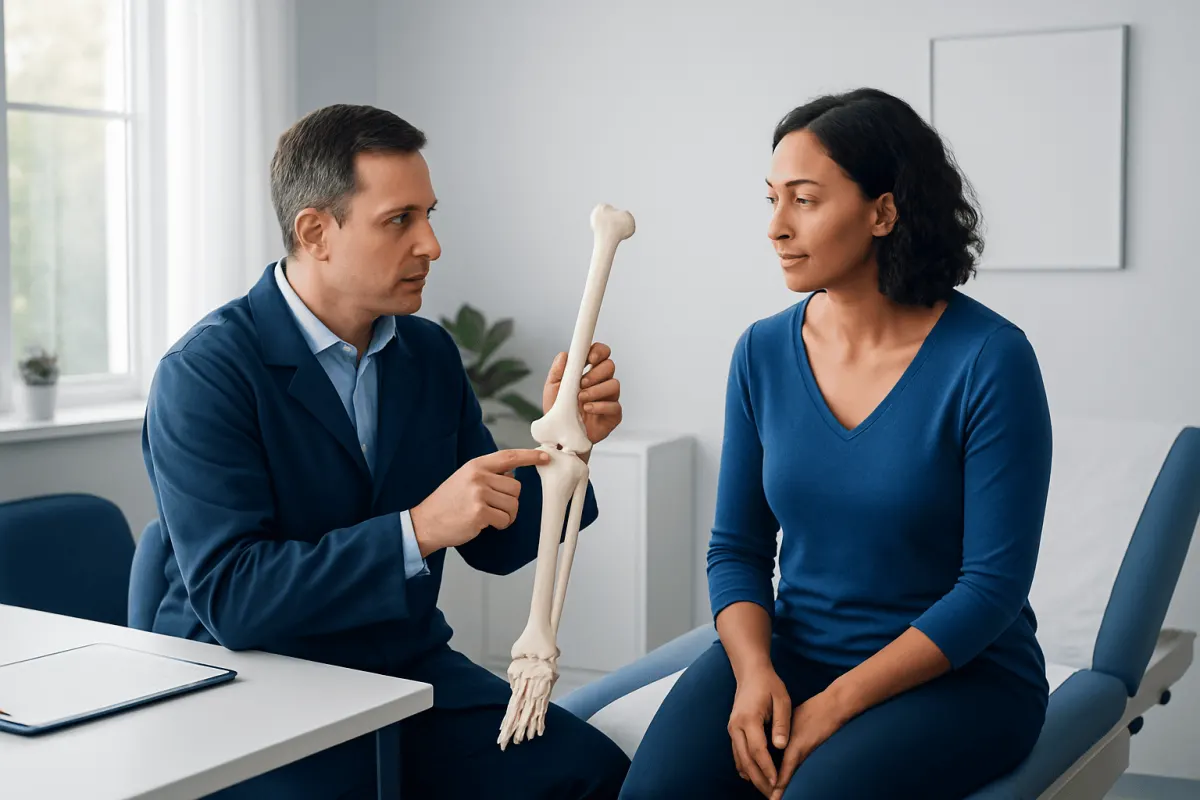
Although details differ, most bone procedures follow a similar pathway. On the day of surgery, the team confirms the procedure and surgical site, reviews allergies and medications, and provides anesthesia. Depending on the operation and personal health needs, anesthesia may be general, regional, or a combination. The surgical area is cleaned and covered with sterile drapes.
The surgeon makes an incision or uses small access points, then carefully reaches the affected bone while protecting surrounding muscles, tendons, nerves and blood vessels. A fracture may be realigned and held with screws, plates, pins, rods or an external frame. A bone removal procedure may involve shaving a spur, removing a small fragment, or excising diseased bone. If bone is removed, graft material or a specialized implant may sometimes help restore support.
In a bone surgery removal procedure, tissue may be sent to a laboratory when infection, an unusual lesion or a tumor is suspected. The surgeon then closes the wound, applies a dressing and may use a splint, cast, brace or compression device. Some procedures are day surgery, whereas complex reconstruction, trauma surgery or procedures requiring close monitoring may involve a hospital stay.
Benefits, Risks and Expected Results
The potential benefits of bone surgery include better alignment, fracture stability, reduced mechanical irritation, improved ability to bear weight, and relief of symptoms caused by a spur, loose fragment or deformity. For some conditions, surgery protects nearby joints, nerves or blood vessels from further damage. The expected result should be discussed in practical terms, such as walking, climbing stairs, using a hand, returning to work or participating in rehabilitation.
All operations carry risks. Possible concerns include bleeding, infection, blood clots, anesthesia reactions, nerve or blood-vessel injury, stiffness, persistent pain, delayed union or nonunion of a fracture, implant irritation or failure, and the need for additional treatment. The chance of a particular complication depends on the procedure, the body area, bone quality, medical history and adherence to aftercare instructions.
Surgeons reduce risk by using sterile techniques, careful imaging and planning, appropriate preventive measures for blood clots when indicated, and structured follow-up. Patients can contribute by attending appointments, following restrictions on weight bearing or lifting, eating adequately, avoiding nicotine, and promptly reporting concerning symptoms.
Bone Surgery Recovery: Timeline, Pain and Rehabilitation
Bone surgery recovery is different for every procedure. In the first days, protecting the surgical area, controlling pain, elevating a limb when advised, and following wound-care instructions are priorities. Swelling and bruising are common, particularly after limb surgery. The surgeon may recommend crutches, a walker, a sling, a boot, a cast or a brace while bone and soft tissues recover.
During the following weeks, follow-up visits and X-rays help confirm that the bone is healing and that implants remain in the intended position. Physiotherapy may begin early or later depending on what was repaired. It commonly focuses on safe movement first, followed by range of motion, muscle strength, balance and gradual return to daily activities. Returning too quickly to impact activity or full weight bearing can interfere with healing.
For a simple bone spur procedure, recovery may be shorter than after fracture fixation or major reconstruction. Bone spur surgery recovery time for the knee can range from several weeks to several months, depending on whether the spur alone was treated or whether cartilage, tendon, joint surfaces or other structures also required repair. The individual surgeon’s restrictions and rehabilitation schedule should guide recovery rather than a general timeline.
Acıbadem Health Point’s multidisciplinary specialists and JCI-accredited hospitals diagnose and treat orthopedic conditions for international patients, with care plans tailored to the procedure and recovery needs.
What Is the Hardest Bone to Heal in Your Body?
The scaphoid, a small bone on the thumb side of the wrist, is often considered one of the hardest bones to heal after a fracture. Part of its blood supply can be disrupted by injury, especially when the break is closer to the forearm side of the bone. This may increase the risk of delayed healing or nonunion if the fracture is not recognized and treated appropriately.
However, there is no single bone that is always the hardest to heal for every person. Fractures of the tibia (shinbone), femur, pelvis, ankle and certain foot bones can also be challenging, particularly after high-energy injury, poor blood supply, infection, smoking or nicotine exposure, diabetes, or inadequate stabilization. A doctor uses repeat examination and imaging to assess healing rather than relying only on pain levels.
People with persistent wrist pain after a fall, even when early X-rays are normal, should seek assessment. Early diagnosis and appropriate immobilization or fixation can help protect function and support healing.
Why Is Day 3 the Hardest After Surgery?
Many people feel that day 3 is the hardest after surgery because inflammation and swelling commonly increase during the first 48 to 72 hours. The effects of anesthesia and stronger pain medicine may also be changing, while normal movement remains limited. This can make soreness, fatigue, stiffness and sleep disruption feel more noticeable.
This pattern is common but not universal. With the prescribed pain-control plan, rest, positioning and other instructions from the surgical team, symptoms should generally begin to settle rather than continue escalating. Patients should not wait for pain to become severe before using medication exactly as prescribed, and they should ask their clinician before adding over-the-counter medicines or supplements.
Worsening pain that is not relieved by the prescribed plan, rapidly increasing swelling, spreading redness, fever, foul-smelling drainage, chest pain or breathing difficulty is not something to assume is normal recovery. These symptoms require prompt advice from the surgical team or urgent medical care.
How Long Does It Take for 70 Year Old Bones to Heal? When to Seek Medical Care
For a 70-year-old adult, bone healing may take longer than it does in younger people, but age alone does not determine the outcome. Many uncomplicated fractures show meaningful healing over roughly 6 to 12 weeks, while larger bones, complex fractures, spinal procedures or cases involving poor bone quality may require several months. Recovery of strength, confidence and full function can continue after the bone itself has joined.
Osteoporosis, diabetes, reduced circulation, malnutrition, anemia, kidney disease, infection, smoking or nicotine use, and certain medications can slow healing. A clinician may assess bone health, nutrition and medical conditions alongside the fracture or surgical repair. Keeping follow-up appointments is important because imaging can identify delayed healing before it causes major functional problems.
When to seek medical care: Contact the surgical team urgently for fever, increasing redness or warmth around the wound, pus-like drainage, uncontrolled pain, a cast or dressing that feels too tight, new numbness, pale or blue fingers or toes, or inability to move them. Emergency assessment is needed for shortness of breath, chest pain, fainting, or sudden painful swelling in one calf. Routine review is also appropriate when progress is slower than expected or concerns arise about mobility, pain control or rehabilitation.
Frequently asked questions
01How long is recovery after bone surgery?
Recovery after bone surgery can range from a few weeks for a minor procedure to several months or longer after fracture fixation, reconstruction or joint surgery. Bone union, wound healing, pain improvement and return of strength occur on different timelines. The surgeon’s advice on weight bearing, work and exercise is the safest guide.
02What is bone surgery removal?
Bone surgery removal describes an operation that removes part or all of an unwanted, damaged or diseased bone area. It may involve removing a bone spur, loose fragment, infected bone, abnormal growth or a lesion. The amount removed and whether reconstruction is needed depend on the underlying diagnosis.
03Is bone spur surgery painful?
Pain is expected in the early period after bone spur surgery, but the care team provides a pain-management plan and instructions for swelling control. The intensity and duration depend on the location of the spur and whether nearby tendons, cartilage or joint structures were treated. Pain that becomes progressively worse rather than gradually improving should be discussed with the surgeon.
04How long is bone spur surgery recovery time for the knee?
Recovery after knee bone spur surgery varies according to the surgical technique and whether additional knee repair was required. Some people resume light daily activities within several weeks, while full recovery and return to higher-impact activity can take months. Physiotherapy and following activity restrictions can influence the outcome.
05Can older adults heal well after bone surgery?
Yes, many older adults heal well after bone surgery with appropriate surgical planning, medical optimization and rehabilitation. Healing may be slower when osteoporosis, diabetes, poor circulation, inadequate nutrition or nicotine use are present. Regular follow-up helps the team address factors that may delay recovery.
06What can help bone healing after surgery?
Following weight-bearing and activity restrictions, attending rehabilitation, caring for the incision as instructed and taking prescribed medicines are important. Adequate protein and overall nutrition, along with avoiding smoking and nicotine products, can support healing. A clinician should be asked before starting supplements, especially for people with kidney disease or those taking multiple medicines.
This article is for general information only and is not a substitute for professional medical advice. Please consult a qualified doctor about your individual situation.
Joint and spine care in Turkey — expert assessment & treatment
JCI-accredited · board-certified surgeons · reply within 24h
Add us as a Preferred Source to see more of our trusted health content across Google Search, AI Overviews and Discover.