Can Free Online Mental Health Tests Diagnose You?
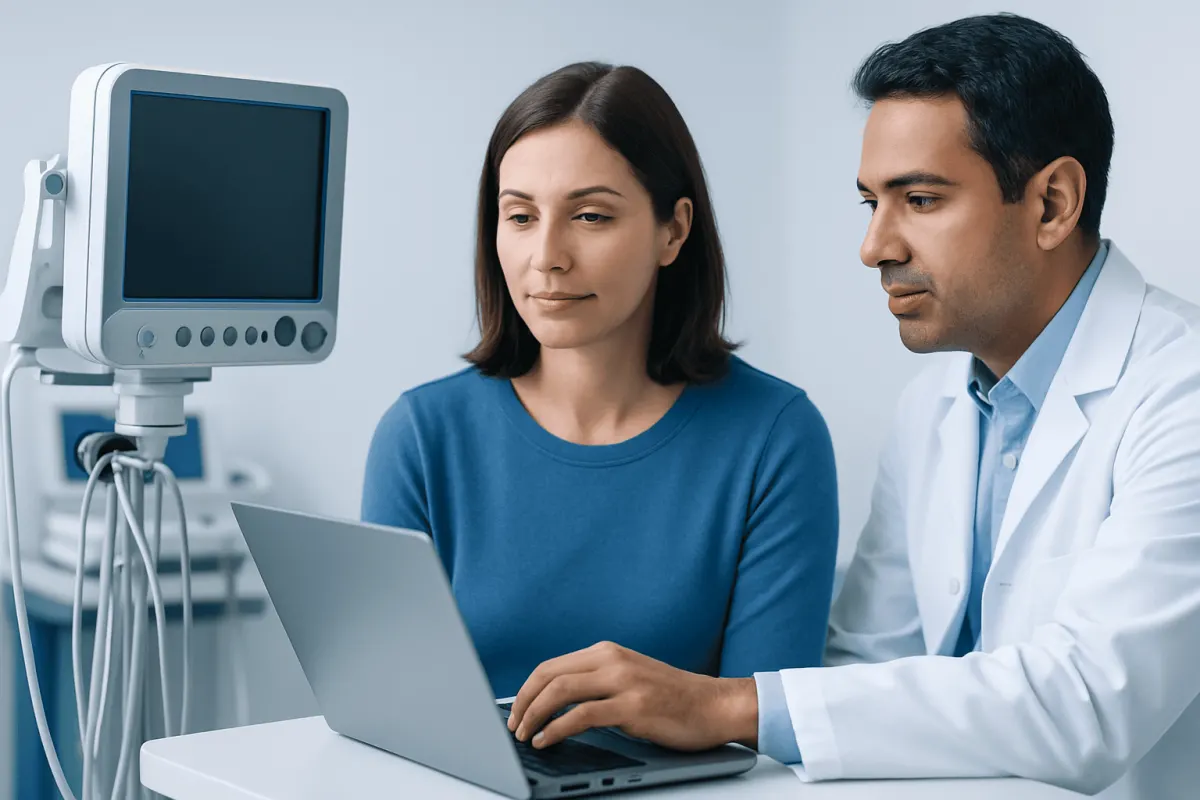
Mental health tests free online can be a private first step for recognizing symptoms of anxiety, depression, trauma-related stress, substance use concerns, or other emotional difficulties. They provide screening results rather than a diagnosis and are most useful when followed by appropriate professional support when needed.
Overview: what mental health tests free online can tell a person
Mental health tests free online are short questionnaires that ask about feelings, thoughts, sleep, behavior, and daily functioning. They can help a person notice patterns consistent with concerns such as depression, anxiety, problematic alcohol or drug use, or trauma-related symptoms. Results can support a decision to speak with a doctor or mental health professional, but an online score cannot diagnose a condition on its own.
Most reputable tests are based on screening questionnaires used in healthcare settings. A person answers questions about a defined time period, often the past two weeks or month, and receives a score or a description of whether further assessment may be helpful. The questions should be answered as honestly as possible, without trying to obtain a particular result.
Online screening can be convenient and private, especially for someone unsure whether their experiences warrant care. However, it does not replace a conversation with a qualified clinician, who can consider medical history, medications, life circumstances, physical health, safety, and the effect of symptoms on work, relationships, school, and self-care.
How online mental health screening works
A typical online screening takes a few minutes and asks a person to rate the frequency or impact of certain experiences. For example, questions may cover low mood, loss of interest, worry, panic symptoms, concentration changes, sleep difficulties, appetite changes, irritability, traumatic experiences, or substance use. The scoring system compares responses with thresholds established for that questionnaire.
There is no physical procedure, preparation, recovery period, blood test, or imaging involved in an online screen. After completing it, a person can return to normal activities immediately. The most important step is reviewing the result calmly and considering whether it matches their lived experience.
Screening results may be described as minimal, mild, moderate, or severe symptom levels, or may simply recommend professional follow-up. These labels describe questionnaire responses rather than a confirmed illness. Symptoms can overlap between conditions and can also be influenced by sleep deprivation, physical illness, medication effects, grief, alcohol or drug use, and stressful life events.
- Use a private device and secure internet connection when possible.
- Read the website’s privacy policy before entering personal details.
- Choose sources that identify the questionnaire used and explain that it is not a diagnosis.
- Save or write down results to discuss with a healthcare professional if desired.
Where can I take a free online psychology test with results?
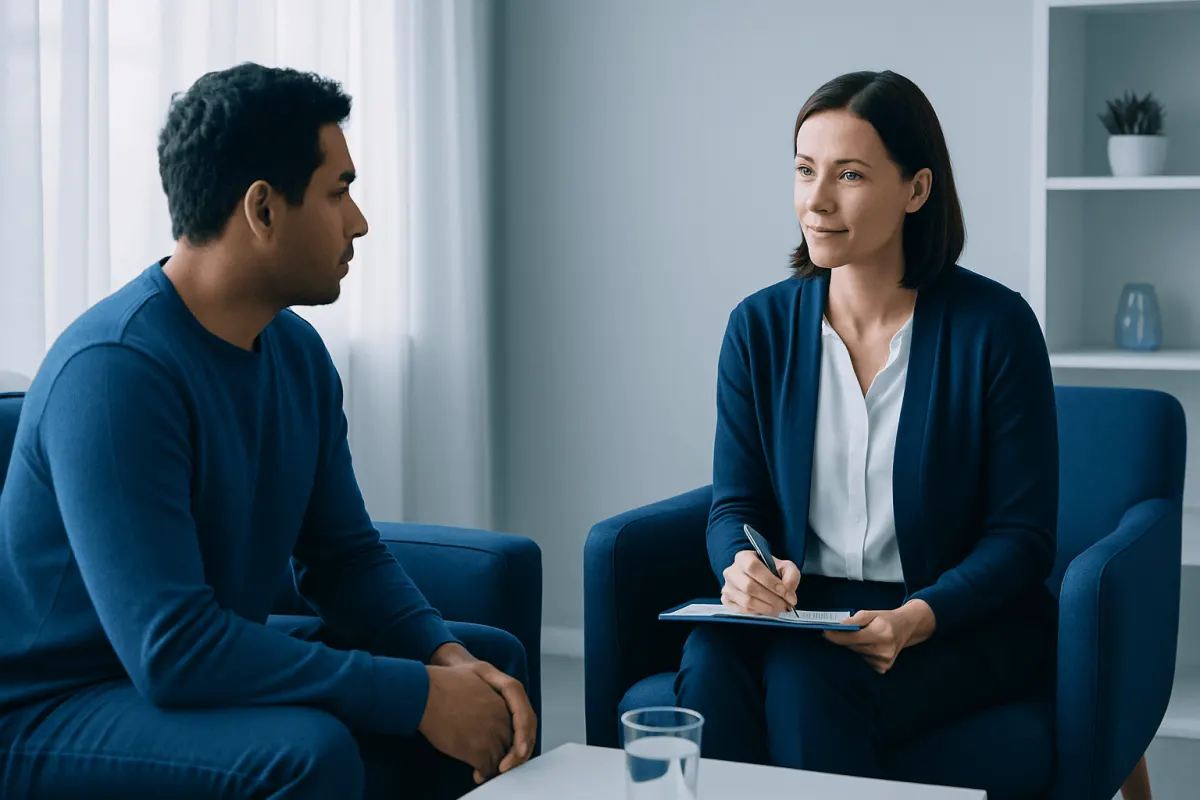
A free online psychology test with results is most useful when it is offered by a recognized public health organization, a nonprofit mental health organization, a university-affiliated service, or a healthcare provider that names the screening tool it uses. Common evidence-based questionnaires may screen for depression, generalized anxiety, alcohol use, post-traumatic stress symptoms, or bipolar-spectrum symptoms. A trustworthy website will state what the test can and cannot assess.
Before using a test, people should look for clear information about who developed the questionnaire, how responses are handled, and what to do if the score suggests significant symptoms. Sites that promise to diagnose a person, claim to reveal a personality disorder from a few questions, or pressure users to purchase a product should be approached cautiously.
Results are best viewed as a prompt for reflection and, when appropriate, follow-up. Someone may choose to share a screenshot or written result with a primary care doctor, psychologist, psychiatrist, counselor, or other licensed mental health professional. A clinician can determine whether symptoms meet criteria for a condition and discuss suitable support.
Is there a psychology test that can detect mental health issues?
No single psychology test can reliably detect every mental health issue or provide a definitive diagnosis online. Validated tools can identify symptom patterns that suggest a person may benefit from a fuller assessment. They are designed to be sensitive enough to flag possible concerns, which means some people with elevated scores may not ultimately have the condition being screened for.
A formal mental health evaluation is broader than a questionnaire. It usually includes a detailed discussion of current symptoms, their timing and severity, personal and family history, stressful events, sleep, substance use, medications, medical conditions, and day-to-day functioning. The clinician may also use structured interviews, rating scales, and physical or laboratory assessment when a medical contributor is possible.
For example, low mood and fatigue can occur with depression but may also relate to thyroid problems, anemia, chronic pain, medication effects, or poor sleep. Panic-like symptoms can overlap with some heart, breathing, or endocrine conditions. This is why a professional assessment is important, particularly when symptoms are persistent, worsening, or interfering with daily life.
Where can I find free online mental health support?
Free online mental health support may include public health information services, moderated peer-support communities, crisis text or chat services, nonprofit organizations, and local community resources. Availability differs by country and region. National health authorities, local public health departments, and established mental health charities are often good starting points for finding options appropriate to a person’s location.
Peer support can help some people feel less alone, but it is not a substitute for professional assessment or emergency care. It is important to choose communities with clear moderation policies, privacy guidance, and crisis information. Individuals should avoid sharing identifying information or relying on advice from unverified sources for medication changes or urgent safety decisions.
If a person is in immediate danger, has thoughts of suicide or self-harm, feels unable to stay safe, or may harm another person, they should contact local emergency services or a local crisis service immediately. They should not wait for an online test result or an online reply. If possible, staying with a trusted person and removing access to means of self-harm can be important immediate safety steps.
Where can I get a free mental health evaluation?
A free mental health evaluation may be available through public healthcare services, community mental health centers, local government programs, university training clinics, charitable organizations, or employer and school support programs. In some areas, primary care services can provide an initial assessment and referral. Eligibility, waiting times, and available services vary, so local health authorities can help identify appropriate pathways.
Unlike an online screening, an evaluation is conducted by a qualified professional and considers the person as a whole. The appointment may take place in person, by phone, or through secure telehealth. The clinician may ask about emotional symptoms, physical health, safety, relationships, work or education, previous treatment, and goals for support.
It can help to prepare a brief list of symptoms, when they began, factors that make them better or worse, current medications or supplements, and any previous diagnoses or treatment. A person can also bring a trusted family member or friend if they feel comfortable doing so. Mental health information is generally handled confidentially, although clinicians may need to act to protect safety in specific high-risk circumstances.
When to seek medical care
Medical care is appropriate when emotional or behavioral symptoms persist for two weeks or longer, recur frequently, cause distress, or interfere with sleep, work, study, relationships, or self-care. It is also sensible to seek advice after a concerning screening result, even if the symptoms seem manageable. Early support can help clarify what is happening and identify practical options.
Urgent medical or crisis support is needed if a person has suicidal thoughts, plans to harm themselves, thoughts of harming someone else, severe confusion, hallucinations, extreme agitation, or is unable to meet basic needs or remain safe. Emergency services or a local crisis line should be contacted immediately in these situations.
People experiencing anxiety, low mood, trauma-related symptoms, or other persistent concerns may benefit from a discussion of depression and related mental health conditions with a clinician. Treatment may involve supportive counseling, psychotherapy, lifestyle measures, medication when clinically appropriate, or a combination of approaches. Acıbadem Health Point’s multidisciplinary specialists and JCI-accredited hospitals can assess and treat mental health concerns for international patients.
Using results constructively and protecting wellbeing
An online screening result is most helpful when it leads to a realistic next step. For a low or minimal score, a person may still choose to monitor symptoms, maintain regular sleep and meals, stay connected with supportive people, limit alcohol or recreational drug use, and seek care if concerns continue. A low score should not override a person’s own sense that something is wrong.
For an elevated score, arranging a non-urgent appointment with a doctor or mental health professional is usually a sensible next step unless urgent safety concerns are present. Psychotherapy is a common evidence-based option for many concerns; approaches may include psychotherapy tailored to the person’s symptoms, needs, and preferences. A clinician can explain potential benefits, limitations, and alternatives.
It is also helpful to remember that test results can vary over time. Stress, bereavement, illness, changing routines, and treatment can all affect symptoms. Repeating the same validated questionnaire at intervals may help track changes, but it should complement rather than replace professional follow-up when symptoms are significant.
Frequently asked questions
01Are mental health tests free online accurate?
Some online tests use validated screening questionnaires and can be useful for identifying symptoms that may need further attention. Their accuracy depends on the tool, the honesty of responses, and the context of the person’s health. They cannot confirm or rule out a diagnosis without a professional assessment.
02How long does a free online mental health test take?
Many brief online mental health screenings take approximately a few minutes to complete. Longer questionnaires may take more time, especially when they ask about several symptom areas. There is no recovery period after the test.
03Can an online test diagnose depression or anxiety?
No. An online test can screen for symptoms associated with depression, anxiety, or other conditions, but it cannot diagnose them. A diagnosis requires assessment by a qualified clinician who considers symptoms alongside medical history and daily functioning.
04What should a person do after a high online screening score?
A high or concerning score is a reason to arrange an appointment with a doctor or mental health professional for further assessment. The result can be brought to the appointment as useful background information. If there are thoughts of self-harm, suicide, or immediate danger, emergency or crisis support should be contacted right away.
05Is online mental health screening private?
Privacy depends on the website and its data practices. Before completing a screening, users should read the privacy policy and avoid entering unnecessary identifying details. A secure, reputable service should explain how information is stored, used, and protected.
06Can a person get help even if an online test score is low?
Yes. A person does not need a high score to ask for support. If symptoms feel distressing, persistent, or disruptive, speaking with a healthcare professional can still be appropriate.
This article is for general information only and is not a substitute for professional medical advice. Please consult a qualified doctor about your individual situation.
Explore treatments in Turkey — costs, top hospitals & a free quote
JCI-accredited · board-certified surgeons · reply within 24h
Add us as a Preferred Source to see more of our trusted health content across Google Search, AI Overviews and Discover.