Bone Bruise: Symptoms, Causes and Treatment

Key Takeaways
- A bone bruise is not the same as a simple skin bruise; it affects the inner part of the bone.
- Pain, swelling, and tenderness are common, and symptoms may last longer than expected.
- MRI is often the most useful test when a bone bruise is suspected.
- Treatment usually focuses on rest, protecting the joint, and gradual return to activity.
- Medical review is important if pain is severe, walking is difficult, or symptoms are not improving.
A bone bruise is a deep injury to the bone that often follows a fall, twist, or direct impact. It can be painful and slow to settle, but most cases improve with rest, protection, and the right follow-up care.
Overview
A bone bruise, sometimes called a bone contusion, is an injury to the spongy tissue inside a bone. It usually happens after a fall, sports collision, sudden twist, or any impact that compresses the bone without clearly breaking it. People often expect a bruise to fade in a few days, but a bone bruise can behave more like a deep tissue injury and may take weeks or longer to settle.
It can affect any bone, although it is commonly seen in the knee, ankle, wrist, shoulder, and foot. Because the symptoms can overlap with fractures, ligament injuries, and cartilage damage, a careful evaluation matters. For international patients planning care abroad, this is the kind of injury where clear imaging and a structured follow-up plan can make recovery feel much more manageable.
In everyday language, the term can sound mild, but the discomfort is often real. The goal of treatment is not to “push through” it, but to protect the injured area long enough for the bone and surrounding tissues to recover properly.
Symptoms
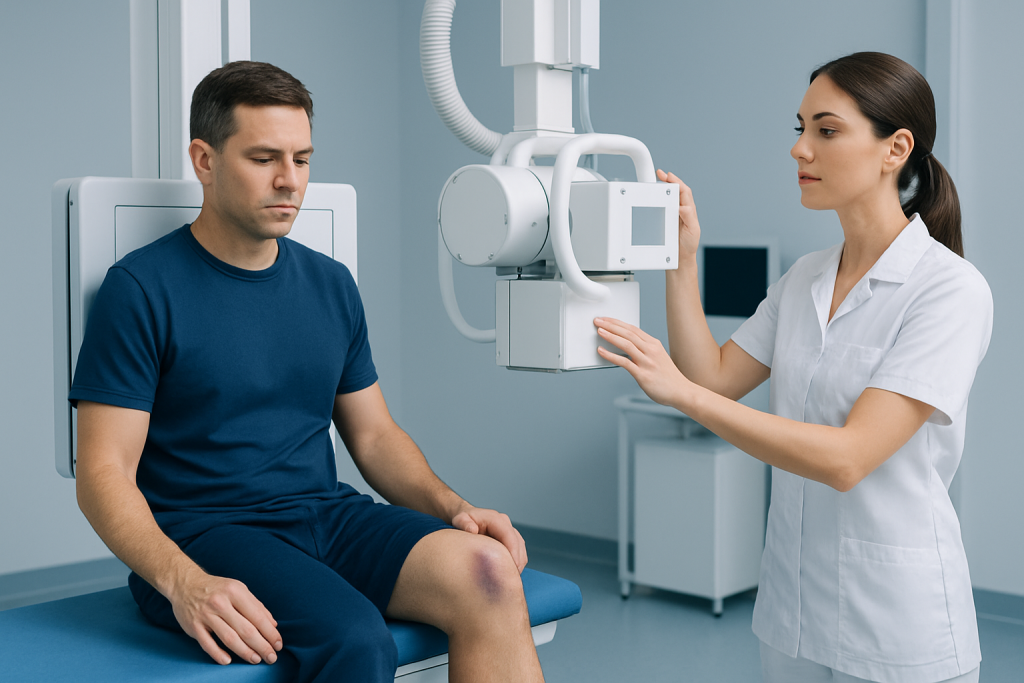
Bone bruise symptoms often start right after the injury or within a short time afterward. The area may feel sore, swollen, and tender to touch. Movement can be uncomfortable, and weight-bearing joints may hurt more when standing, walking, or climbing stairs.
Some people notice stiffness, a deep aching sensation, or pain that seems out of proportion to the visible injury. If the bruise is near a joint, the joint may feel unstable or weak because the surrounding ligaments and cartilage may also have been strained.
Common symptoms include:
- Deep, aching pain in the injured area
- Swelling or mild bruising over the skin
- Tenderness when pressing on the site
- Pain with movement or loading of the joint
- Stiffness or reduced range of motion
- Difficulty walking, gripping, or using the limb normally
Symptoms can improve gradually, but they may also flare when activity is increased too quickly. That is one reason bone bruises sometimes surprise patients who feel they should already be “back to normal.”
Causes & Risk Factors

The underlying cause is usually trauma that compresses the bone. In sports, this can happen during tackles, falls, awkward landings, or collisions. In daily life, a slip on stairs, a direct blow, or a twisting injury can cause the same kind of internal bone injury.
Bone bruises often occur alongside other injuries. A person may have a sprain, meniscus tear, cartilage injury, or even a small fracture at the same time. The higher the force of the injury, the more important it is to check whether something besides a bruise is present.
Factors that can raise the chance of a bone bruise include:
- Contact sports or pivoting sports
- Falls on hard surfaces
- Sudden twisting of a joint
- Previous injury to the same area
- Weakness, poor balance, or fatigue during activity
Adults returning to sport after time away, and travelers trying to stay active during a trip, may be especially tempted to keep going despite pain. A more cautious approach is usually safer, because repeated stress can delay healing.
Diagnosis
Diagnosis begins with a history of the injury and a physical examination. A clinician will ask how the injury happened, where the pain is located, whether weight-bearing is possible, and whether the joint feels unstable or locked. These details help distinguish a bone bruise from a fracture or a ligament problem.
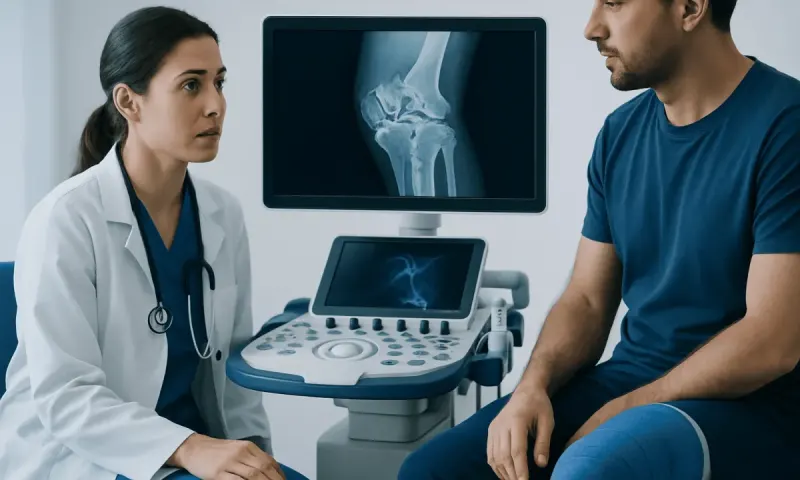
X-rays are often the first test after an injury because they can identify obvious fractures. However, a bone bruise does not usually show up on standard X-rays. If symptoms suggest a deeper injury, magnetic resonance imaging, or MRI, is often the most helpful scan because it can show changes inside the bone and associated soft tissue damage.
In some situations, especially when access to imaging has been delayed during travel or while arranging specialist care abroad, the diagnosis may be refined over time. Follow-up is important if pain remains significant, swelling increases, or function does not improve as expected.
Treatment Options
Treatment depends on the location and severity of the injury, but it usually starts with protecting the bone and reducing stress on the area. Rest does not always mean complete inactivity; it often means avoiding the movement or impact that triggered pain in the first place. A doctor may recommend temporary use of crutches, a brace, a splint, or another support device.
Pain and swelling are often managed with general measures such as ice, elevation, and gentle activity modification. A clinician may also suggest over-the-counter pain relief if it is appropriate for the patient’s medical history. The exact plan should be individualized, especially if there are other injuries, stomach issues, kidney disease, blood thinner use, or other health considerations.
Rehabilitation is sometimes needed once the most painful phase passes. This may include guided exercises to restore motion, rebuild strength, and improve balance without overloading the healing bone. Returning to sport or physically demanding work too early can prolong recovery, so the pace should be guided by symptoms and medical advice rather than the calendar alone.
In rare cases, if the bone bruise is associated with a significant fracture, cartilage damage, or ongoing joint instability, more advanced treatment may be required. That is why persistent pain should not be dismissed as “just a bruise.”
Prevention & Self-care
Not every bone bruise can be prevented, but careful movement habits lower the chance of injury. Warming up before exercise, using appropriate footwear, and paying attention to technique during sports all help reduce sudden impact and twisting forces.
For recovery at home, the most useful self-care is usually consistency rather than intensity. Following activity limits, protecting the joint, and allowing pain to guide progress can prevent the injury from being repeatedly aggravated. If the injured area is in a leg or foot, avoiding long walks, hills, and uneven surfaces early on may be sensible.
Helpful self-care steps can include:
- Resting the injured area from impact activities
- Using ice for short periods if swelling is present
- Elevating the limb when possible
- Wearing supportive footwear or prescribed braces
- Gradually resuming activity only when pain is improving
For patients recovering away from home, it can help to keep a simple symptom log and bring imaging reports to follow-up appointments. That makes it easier for the next clinician to understand the injury timeline and advise safely on the return to movement.
When to See a Doctor
Medical review is a good idea soon after an injury if the pain is severe, the joint looks misshapen, or weight-bearing is difficult. A person should also seek care if there is numbness, marked instability, or rapidly increasing swelling, because those findings may suggest a more serious injury.
Even when the initial injury seems minor, care is worth seeking if pain is not improving over time or if daily activities remain limited. A persistent bone bruise may need imaging and a more detailed assessment to rule out hidden fracture, cartilage injury, or a ligament tear.
Patients traveling internationally for evaluation often benefit from a team that can coordinate orthopedics, imaging, and rehabilitation in one pathway. At Acibadem Health Point, multidisciplinary specialists and JCI-accredited hospitals diagnose and treat conditions such as bone bruise for international patients, helping them move from assessment to recovery with a clear plan.
Recovery and Outlook
Recovery time varies widely. Some bone bruises settle in a relatively short period, while others—especially those near weight-bearing joints—can take longer to heal. The pace depends on the force of the original injury, the bone involved, and whether other structures were also damaged.
Progress is usually measured by function, not by pain alone. People often notice that they can walk farther, move more comfortably, or return to gentle exercise before the area feels entirely normal. That gradual improvement is reassuring, but it should still be paired with sensible limits so the healing bone is not overloaded too soon.
With appropriate care, most people recover without long-term problems. The main challenge is patience: a bone bruise can be invisible on X-ray yet still demand a cautious recovery plan. Clear instructions and follow-up help patients avoid the cycle of resting too little, then flaring symptoms again.
FAQs
Is a bone bruise the same as a fracture?
A bone bruise is not the same as a complete fracture, but it is still an injury inside the bone. In some cases, a tiny or hidden fracture may be present as well, which is why imaging and follow-up matter.
How long does a bone bruise take to heal?
Healing time varies, and some bone bruises recover faster than others. The location of the injury and whether other tissues are involved can affect how long symptoms last.
Can a bone bruise get worse if someone keeps exercising?
Yes, repeated impact or loading can aggravate pain and slow healing. It is usually better to reduce activity early and return gradually under medical guidance.
Will a bone bruise show on an X-ray?
Often it will not. MRI is generally more sensitive for seeing the changes inside the bone that define a bone bruise.
Do bone bruises always need a brace or crutches?
Not always. Support devices are used when pain, stability, or weight-bearing concerns make them helpful, and the decision depends on the injury site and severity.
When should the pain be checked again?
If symptoms are not steadily improving, or if walking, gripping, or joint movement remains limited, a follow-up visit is sensible. New swelling, numbness, or instability should also be reviewed promptly.
This article is for general information only and is not a substitute for professional medical advice. Please consult a qualified doctor about your individual situation.
Joint and spine care in Turkey — expert assessment & treatment
JCI-accredited · board-certified surgeons · reply within 24h
Add us as a Preferred Source to see more of our trusted health content across Google Search, AI Overviews and Discover.