Bloody Nose with Pregnancy: What You Need to Know
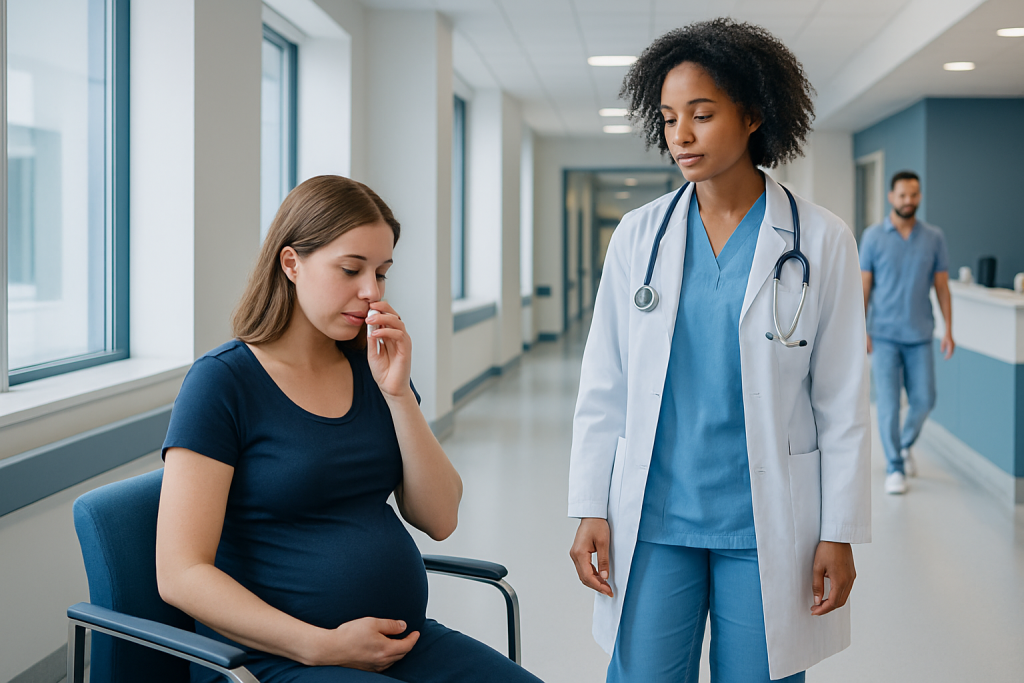
Key Takeaways
- Nosebleeds in pregnancy are often caused by increased blood flow and nasal dryness.
- Most episodes can be managed with simple first-aid measures and humidification.
- Pregnancy nosebleeds are usually not dangerous, but heavy or repeated bleeding needs medical review.
- A pregnant person should seek urgent care if bleeding does not stop, is very heavy, or comes with other concerning symptoms.
- Safe self-care focuses on hydration, gentle nasal care, and avoiding irritants or trauma.
Bloody nose with pregnancy is a common symptom and is usually related to normal hormonal and circulation changes that affect the nasal lining. Most episodes are short-lived and manageable at home, but persistent, heavy, or recurrent bleeding should be assessed by a doctor.
Overview
A bloody nose with pregnancy is a common and usually temporary symptom. For many people, it happens because pregnancy raises blood volume and makes the delicate blood vessels inside the nose more likely to bleed, especially when the air is dry or the nasal lining is already irritated.
Although nosebleeds can be unsettling, they are often more of a nuisance than a sign of danger. In most cases, the bleeding stops on its own or with simple pressure. Still, because pregnancy changes the body in several ways, it is sensible to know what is typical, what is not, and how to respond calmly.
This article explains why nosebleeds happen during pregnancy, how to manage them safely, and which symptoms should prompt medical attention. It also offers practical guidance for people who may be traveling, working, or recovering away from home and want to know when remote advice is enough and when an in-person check is better.
Symptoms

The most obvious symptom is blood coming from one or both nostrils. Some people notice only a few drops when they blow their nose, while others experience a more noticeable flow that briefly stains tissues or drips forward.
Pregnancy-related nosebleeds may happen suddenly, often after sneezing, nose blowing, a dry night of sleep, or exposure to heated indoor air. They may also be accompanied by other common nasal changes such as congestion, swelling inside the nose, or a feeling of dryness and irritation.
Less commonly, a person may notice blood-tinged mucus rather than an active nosebleed. Repeated episodes, bleeding that lasts longer than expected, or symptoms such as dizziness, shortness of breath, severe headache, or bruising elsewhere should be discussed with a clinician, since those features need a broader assessment.
Causes & Risk Factors

Pregnancy affects the nose in a few predictable ways. Hormonal changes can increase blood flow to the mucous membranes, making the tiny vessels inside the nose more fragile. At the same time, the lining of the nose may swell and become more easily irritated, especially later in pregnancy.
Dry air is another frequent contributor. Heated rooms, air conditioning, long flights, and winter weather can dry out the nasal passages. Gentle rubbing, forceful nose blowing, allergies, colds, and sinus irritation can add to the risk. Some people are also more likely to have nosebleeds if they already had them before pregnancy or if they use medicines that affect bleeding.
- Dry indoor air or climate changes
- Pregnancy-related nasal swelling and congestion
- Frequent blowing, picking, or rubbing of the nose
- Upper respiratory infections or allergies
- Use of blood-thinning medicines, when prescribed for another condition
Most of these factors are manageable, and many pregnant people improve with simple environmental and nasal-care changes. However, if there is a known bleeding disorder, high blood pressure, or another medical condition, the care plan may need to be individualized by a doctor.
Diagnosis
In many cases, the diagnosis is straightforward because the cause is visible and the timing fits the pregnancy timeline. A doctor usually begins with questions about how often the bleeding occurs, how much blood is lost, whether the person has congestion or dryness, and whether any medicines or supplements could be affecting clotting.
An examination of the nose may be enough to identify a local source of bleeding, such as a dry patch or irritated vessel. If the episodes are frequent, severe, or accompanied by other symptoms, additional evaluation may be recommended to rule out anemia, blood-pressure concerns, infection, or an underlying bleeding tendency.
For Myomectomy Recovery: Healing Time, Activity Limits, and Fertility Planning" class="ahp-ilk">Myomectomy Recovery for International Patients: The Usual Travel Timeline" class="ahp-ilk">international patients, this assessment can often be coordinated efficiently through a primary obstetric team, an ENT specialist, or both. When imaging or lab testing is needed, the goal is not to overtest, but to confirm that the bleeding is truly pregnancy-related and not part of a separate issue requiring treatment.
Treatment Options
Most pregnancy nosebleeds stop with first aid. The person should sit upright and lean slightly forward, then pinch the soft part of the nose continuously for several minutes without checking too soon. Breathing through the mouth and applying a cool compress may help the episode settle more comfortably.
If a clinician confirms that the bleeding is due to dryness or irritation, treatment usually focuses on protecting the nasal lining. Saline sprays, humidified air, and gentle moisturizing measures are commonly used. A doctor may also recommend treating allergies or congestion in pregnancy-safe ways when appropriate.
More persistent or recurrent nosebleeds sometimes need medical procedures such as cauterization or nasal packing, depending on the source of bleeding. These are decided on a case-by-case basis, with pregnancy safety and the person’s overall health guiding the plan. The priority is always to control the bleeding while keeping both mother and baby safe.
When a pregnant person is receiving care after traveling from another country, follow-up planning matters. The team should explain what to watch for, how to manage another episode at home, and whether a return visit or local ENT review is needed before the person flies or returns to work.
Prevention & Self-care
Simple habits often reduce the chance of another bloody nose with pregnancy. Keeping the nose moist is one of the most useful steps, especially in dry climates or heated indoor environments. A humidifier, saline spray, and adequate hydration may help the nasal lining stay less fragile.
It is also wise to avoid irritating the nose. Gentle blowing is better than forceful blowing, and picking or rubbing should be avoided whenever possible. If congestion is bothersome, a doctor or midwife can suggest pregnancy-appropriate ways to relieve it without increasing bleeding risk.
- Use a humidifier in the bedroom if the air is dry
- Drink enough fluids unless a clinician has advised otherwise
- Blow the nose gently and avoid picking
- Manage allergies with clinician-approved options
- Protect the nose from smoke, dust, and strong irritants
Self-care also includes being prepared. Pregnant people who have had repeated episodes may want to keep tissues, saline spray, and a written plan for first aid available at home and while traveling. If they are abroad, it can help to know where the nearest urgent care center or obstetric service is located.
When to See a Doctor
A doctor should be contacted if nosebleeds are frequent, hard to stop, or clearly getting worse. Medical advice is also important if the bleeding begins after a new medication, if there is a history of clotting or bleeding problems, or if the pregnant person feels weak, faint, or unusually short of breath.
Urgent assessment is appropriate if the blood flow is heavy, lasts for a prolonged period despite pressure, or is accompanied by severe headache, vision changes, chest symptoms, high blood pressure concerns, or other signs that may point to a broader pregnancy issue. These symptoms do not always mean something serious is happening, but they deserve prompt review.
In most situations, a nosebleed in pregnancy is manageable and not dangerous. If the person is unsure whether the bleeding pattern is normal, it is better to ask for advice early, especially when care is being coordinated across borders or between different doctors. Acibadem Health Point’s multidisciplinary specialists and JCI-accredited hospitals diagnose and treat this condition for international patients with coordinated, patient-centered care.
Living Well with Pregnancy Nosebleeds
For many pregnant people, a bloody nose is one of several temporary changes that come and go during pregnancy. Understanding the cause makes it easier to respond without panic and to notice when a pattern is shifting from mild irritation to something that needs evaluation.
Practical routines often help: keeping the air comfortably humid, using saline gently, and treating the nose carefully during colds or allergy season. People who are traveling can also plan ahead by carrying a small self-care kit and keeping emergency contact information nearby.
Most importantly, ongoing communication with an obstetric clinician can keep care simple and reassuring. A quick check-in is usually enough to confirm that the symptoms fit normal pregnancy changes and to decide whether any next step is needed.
Frequently asked questions
01Is a bloody nose common during pregnancy?
Yes. Nosebleeds are fairly common in pregnancy because hormonal changes and increased blood flow can make the nasal vessels more fragile. Dry air and irritation often make them more likely.
02What is the best way to stop a nosebleed while pregnant?
Sit upright and lean slightly forward, then pinch the soft part of the nose continuously for several minutes. Avoid tilting the head back, because that can cause blood to run into the throat.
03Can pregnancy nosebleeds harm the baby?
Most nosebleeds are mild and do not affect the baby. The main concern is whether the bleeding is heavy, prolonged, or part of a larger medical issue that needs treatment.
04Are there safe ways to prevent nosebleeds in pregnancy?
Yes. Keeping the air humid, using saline spray, staying hydrated, and avoiding nose picking or forceful blowing can help. A doctor can also advise on pregnancy-safe treatment if allergies or congestion are contributing.
05When should a pregnant person call a doctor about a nosebleed?
Medical advice is important if the bleeding is frequent, hard to stop, heavy, or associated with dizziness, severe headache, or high blood pressure concerns. It is also worth calling if the person is taking a medicine that may affect bleeding.
06Does a nosebleed mean blood pressure is high in pregnancy?
Not usually. Most pregnancy nosebleeds are related to dryness or increased blood flow in the nose rather than blood pressure. Still, if there are symptoms such as headache, swelling, or vision changes, a clinician should assess the person promptly.
This article is for general information only and is not a substitute for professional medical advice. Please consult a qualified doctor about your individual situation.
Explore treatments in Turkey — costs, top hospitals & a free quote
JCI-accredited · board-certified surgeons · reply within 24h
Add us as a Preferred Source to see more of our trusted health content across Google Search, AI Overviews and Discover.