Nosebleeds During Pregnancy: Safety, Risks and Guidance

Key Takeaways
- Nosebleeds during pregnancy are often caused by swollen, more fragile nasal blood vessels.
- Dry air, allergies, colds, and frequent nose blowing can make bleeding more likely.
- Most nosebleeds can be controlled with simple first-aid steps and gentle nasal care.
- Heavy bleeding, dizziness, repeated episodes, or bleeding with high blood pressure need medical assessment.
- Pregnant patients should avoid harsh nasal products and check with a clinician before using medicines.
Nosebleeds during pregnancy are common and are usually linked to hormone-related changes and extra blood flow. Most are mild and manageable at home, but persistent, heavy, or unusual bleeding should be discussed with a doctor.
Overview
Nosebleeds during pregnancy are common, and in most cases they are not a sign that something is wrong. Hormonal changes and increased blood volume can make the small blood vessels inside the nose more delicate, so they bleed more easily than before.
For many people, the first nosebleed appears in the first or second trimester and may happen more often in dry weather, after a cold, or when the nose is irritated. Although the bleeding can be startling, it is usually short-lived and can often be handled safely at home.
The key question is not only why the bleeding happens, but also how it behaves. A small, self-limited nosebleed is different from recurrent episodes, heavy bleeding, or bleeding alongside symptoms such as headache, swelling, or high blood pressure. That is why pregnancy nosebleeds deserve calm attention rather than alarm.
Symptoms and what they may feel like
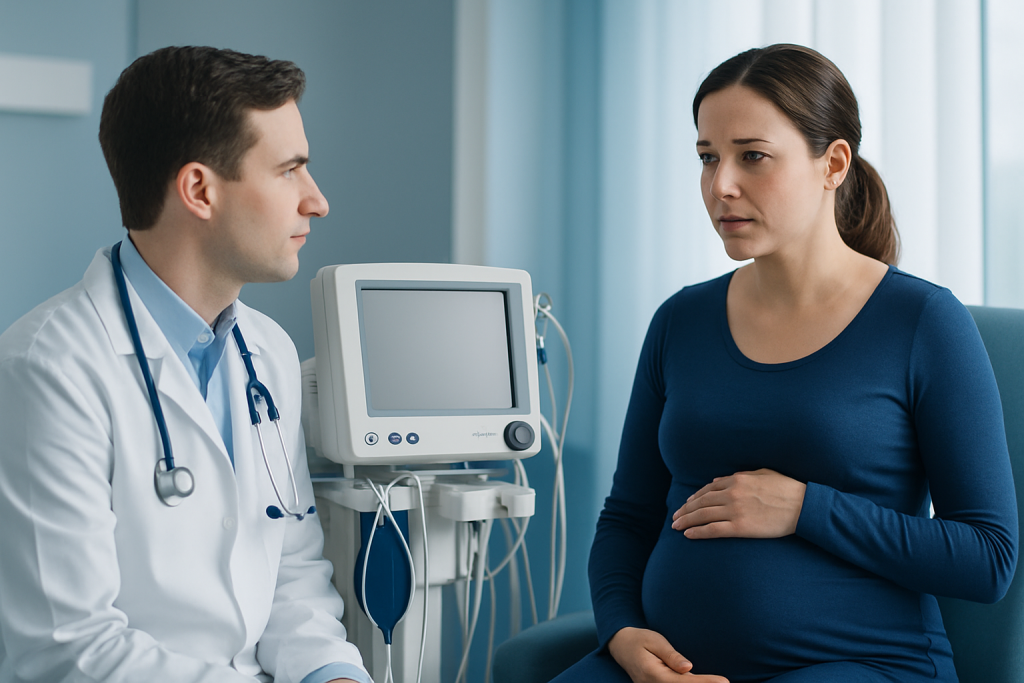
A typical pregnancy nosebleed starts suddenly and may drip from one nostril or both. The blood is often bright red, and some people notice a metallic taste or a feeling of blood running toward the throat if they are lying down.
Some pregnant people also notice nasal dryness, congestion, or a blocked feeling in the nose. These symptoms often come from the same hormonal shifts that increase blood flow to the nasal lining and can make the nose feel swollen or sensitive.
It is helpful to watch the pattern of the bleeding. Occasional light spotting from the nose is usually less concerning than repeated episodes, bleeding that is hard to stop, or nosebleeds that come with faintness, chest symptoms, severe headache, or visual changes. Those associated symptoms call for prompt medical advice.
Causes and risk factors
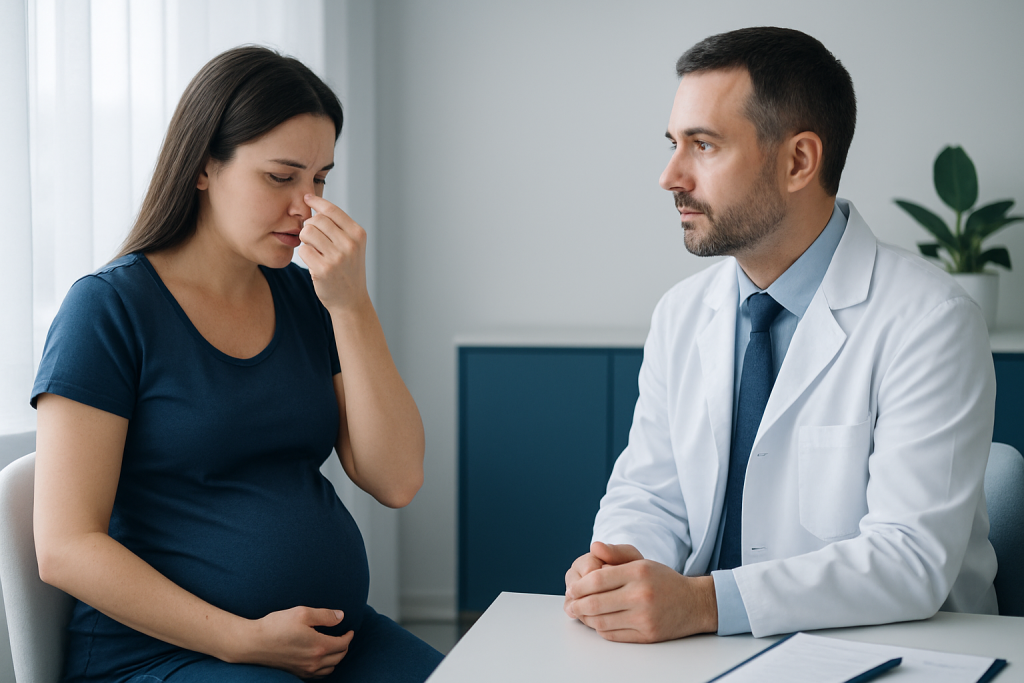
The most common reason for nosebleeds during pregnancy is increased blood flow. Pregnancy hormones also cause the lining of the nose to become more congested and more easily irritated, so small vessels may break with little provocation.
Several everyday factors can add to the tendency. Dry indoor air, central heating, allergies, colds, frequent nose blowing, picking the nose, and using nasal sprays too often can all trigger bleeding. People who already had nosebleeds before pregnancy may notice them more often while pregnant.
Some medical issues deserve special attention. High blood pressure, certain blood-clotting problems, use of blood-thinning medicine, and trauma to the nose can contribute to heavier or more persistent bleeding. A doctor may also want to review whether sinus disease, nasal polyps, or irritation from environmental exposures is playing a role.
Common contributors include:
- Hormonal changes and increased blood volume
- Dry or heated air
- Colds, allergies, and sinus congestion
- Frequent nose blowing or nasal irritation
- High blood pressure or clotting concerns
Diagnosis: when a nosebleed needs more than home care
Most pregnancy nosebleeds do not need extensive testing. A clinician usually begins with questions about how often the bleeding happens, how long it lasts, which nostril is affected, and whether there are any other symptoms such as headache, swelling, or elevated blood pressure.
If the bleeding is frequent, unusually heavy, or difficult to control, a doctor may examine the nose to look for a visible source, dryness, inflammation, or a structural issue. In some cases, blood pressure checks and blood tests may be recommended to assess overall health and to rule out anemia or clotting problems.
Because pregnancy care often involves coordination between several specialists, the evaluation may include an obstetrician and, when needed, an ENT specialist. This is especially useful if bleeding is recurrent, if nasal blockage is significant, or if the person is considering travel or treatment away from home and needs a clear care plan before leaving.
Treatment options and first aid
Most nosebleeds stop with a simple, steady approach. The person should sit upright, lean slightly forward, and pinch the soft part of the nose firmly for several minutes without checking too early. This position helps blood drain forward instead of into the throat.
After the bleeding stops, it is wise to rest for a while and avoid blowing the nose, strenuous activity, hot showers, and picking at the inside of the nose. If the nose feels dry, a doctor may suggest saline spray, a humidifier, or a gentle moisturizing ointment that is appropriate in pregnancy.
If nosebleeds are frequent or prolonged, medical treatment may be needed. Depending on the cause, a clinician may recommend nasal care strategies, treatment for allergies, management of blood pressure, or in-office measures to stop a bleeding vessel. It is important not to start decongestants, herbal products, or over-the-counter medicines without checking whether they are safe in pregnancy.
In some situations, care may need to be escalated if the bleeding does not stop, if there is substantial blood loss, or if the person feels weak or lightheaded. When evaluation is needed, treatment is usually straightforward and aimed at protecting both maternal comfort and pregnancy safety.
Prevention and self-care
Gentle daily habits can reduce the chance of pregnancy nosebleeds. Keeping the nose moist is often the most helpful step, especially in dry climates or during winter months. A humidifier, adequate hydration, and saline nasal spray can make the nasal lining less fragile.
It also helps to avoid irritation. That means not picking the nose, blowing gently, and treating allergies or colds with pregnancy-safe advice from a doctor. If a person uses a nasal spray, the technique matters; sprays should be used exactly as directed and not overused.
A few practical measures are especially useful for people traveling for pregnancy care or managing their pregnancy while abroad. Carry tissues, saline spray, and a plan for emergency contacts; know where the nearest obstetric or ENT care is located; and keep a list of current medications and blood pressure readings if available. Small preparations can make a sudden nosebleed easier to manage calmly.
Helpful self-care steps include:
- Use a humidifier in dry rooms
- Apply saline spray to reduce dryness
- Blow the nose gently and infrequently
- Avoid smoking and smoky environments
- Seek advice before using any nasal medicine
When to see a doctor
Medical review is important if a nosebleed lasts longer than expected, happens repeatedly, or is heavy enough to soak through tissues quickly. It is also wise to seek advice if the bleeding follows an injury, if there is trouble breathing, or if the person feels faint, weak, or unwell afterward.
During pregnancy, certain accompanying symptoms should not be ignored. Headache, swelling, blurred vision, upper abdominal pain, or known high blood pressure may point to a broader pregnancy issue that needs prompt evaluation. Even when the nosebleed itself settles, those symptoms deserve attention.
Any patient who is worried about the frequency of nosebleeds or uncertain about which treatments are safe should speak with a qualified clinician. Acibadem Health Point’s multidisciplinary specialists and JCI-accredited hospitals can diagnose and treat this condition for Myomectomy Recovery: Healing Time, Activity Limits, and Fertility Planning" class="ahp-ilk">Myomectomy Recovery for International Patients: The Usual Travel Timeline" class="ahp-ilk">international patients, helping coordinate care when pregnancy needs follow-up across borders.
Living with recurring pregnancy nosebleeds
When nosebleeds happen more than once, it can be frustrating, but recurring episodes are still often manageable. The main goal is to identify the trigger, protect the nasal lining, and make sure there is no larger pregnancy-related problem behind the bleeding.
People may find it useful to track when the nosebleeds occur, how long they last, and whether they are linked to dry air, allergy flare-ups, or medication use. This record can help a doctor decide whether simple care is enough or whether further evaluation is worthwhile.
Most importantly, pregnancy nosebleeds should be discussed in context. The same symptom can be minor in one person and more meaningful in another, depending on blood pressure, other symptoms, and overall health. A calm, individualized assessment is the safest approach.
Recovery and follow-up
After a nosebleed, recovery is usually brief. The nose may remain tender for a short time, and some people notice a mild crust or dryness where the bleeding started. Gentle care, moisture, and avoiding irritation usually allow the area to settle.
If a clinician recommends follow-up, that may involve checking blood pressure, reviewing medications, or arranging an ENT examination. Follow-up is especially important when the nosebleeds began suddenly, are becoming more frequent, or are happening alongside other pregnancy concerns.
For most pregnant patients, the outlook is reassuring. With proper nasal care and timely medical input when needed, nosebleeds during pregnancy can usually be managed without disrupting day-to-day life or routine prenatal care.
When to see a doctor
Medical review is important if a nosebleed lasts longer than expected, happens repeatedly, or is heavy enough to soak through tissues quickly. It is also wise to seek advice if the bleeding follows an injury, if there is trouble breathing, or if the person feels faint, weak, or unwell afterward.
During pregnancy, certain accompanying symptoms should not be ignored. Headache, swelling, blurred vision, upper abdominal pain, or known high blood pressure may point to a broader pregnancy issue that needs prompt evaluation. Even when the nosebleed itself settles, those symptoms deserve attention.
Any patient who is worried about the frequency of nosebleeds or uncertain about which treatments are safe should speak with a qualified clinician. Acibadem Health Point’s multidisciplinary specialists and JCI-accredited hospitals can diagnose and treat this condition for international patients, helping coordinate care when pregnancy needs follow-up across borders.
Frequently asked questions
01Are nosebleeds during pregnancy normal?
Yes, they are fairly common and often related to hormonal changes and increased blood flow. Most episodes are mild and do not threaten the pregnancy. Still, frequent or heavy bleeding should be discussed with a doctor.
02How should a pregnant person stop a nosebleed at home?
The usual first step is to sit upright and lean slightly forward while pinching the soft part of the nose firmly. This helps blood drain forward and often stops the bleeding within minutes. Avoid leaning back, as that can send blood into the throat.
03Can nosebleeds during pregnancy be a sign of high blood pressure?
A nosebleed alone does not mean high blood pressure is present. However, if it occurs with headache, swelling, vision changes, or known blood pressure concerns, medical assessment is important. Those symptoms can indicate a broader pregnancy issue that should not be ignored.
04Is it safe to use nasal sprays while pregnant?
Some saline sprays are generally used for moisture, but medication sprays should only be used with clinician guidance. Pregnancy safety depends on the type of spray and the person’s health situation. It is best to ask a doctor or pharmacist before starting any new nasal product.
05When should recurring nosebleeds be checked by a specialist?
Recurring episodes are worth checking if they are becoming more frequent, harder to stop, or accompanied by congestion, pain, or other symptoms. An ENT specialist may look for dryness, irritated vessels, or a structural cause. This is especially helpful when the person needs a clear plan before travel or delivery.
06Can dry air really make pregnancy nosebleeds worse?
Yes, dry air can dry out the nasal lining and make the small vessels more likely to break. Using a humidifier and saline spray can help reduce that irritation. Gentle daily nasal care is often a simple and effective preventive step.
This article is for general information only and is not a substitute for professional medical advice. Please consult a qualified doctor about your individual situation.
Explore treatments in Turkey — costs, top hospitals & a free quote
JCI-accredited · board-certified surgeons · reply within 24h
Add us as a Preferred Source to see more of our trusted health content across Google Search, AI Overviews and Discover.