

Complete Blood Count: Purpose, Procedure and Results
- 8 min read
- Published November 28, 2026
Key Takeaways
- A blood hemogram test looks at major blood cell types and helps assess general health.
- It can support the evaluation of anemia, infection, inflammation, and bleeding tendencies.
- Results are interpreted together with symptoms, medical history, and sometimes other tests.
- Many abnormal results are temporary and need repeat testing or further assessment.
- Preparation is usually simple, but the exact timing and instructions depend on why the test is ordered.
A blood hemogram test is one of the most common ways to get a broad picture of overall health. It helps doctors review red cells, white cells, and platelets, which can support evaluation of symptoms such as fatigue, infection, or unusual bleeding.
Overview
A blood hemogram test gives a structured snapshot of the cells circulating in the bloodstream. In everyday medical practice, it is often used as a broad screening tool because it can point toward common concerns such as anemia, infection, inflammation, or problems with clotting.
Doctors may order it during a routine checkup, before a procedure, or when someone has symptoms that need a clearer explanation. For international patients arranging care from another country, the test is often part of the first set of investigations because it is quick, widely available, and helpful in building a complete clinical picture.
The term hemogram is sometimes used interchangeably with a complete blood count (CBC), although naming can vary by country and laboratory. Regardless of the label, the test usually examines red blood cells, white blood cells, hemoglobin, hematocrit, and platelets.
What the Test Measures
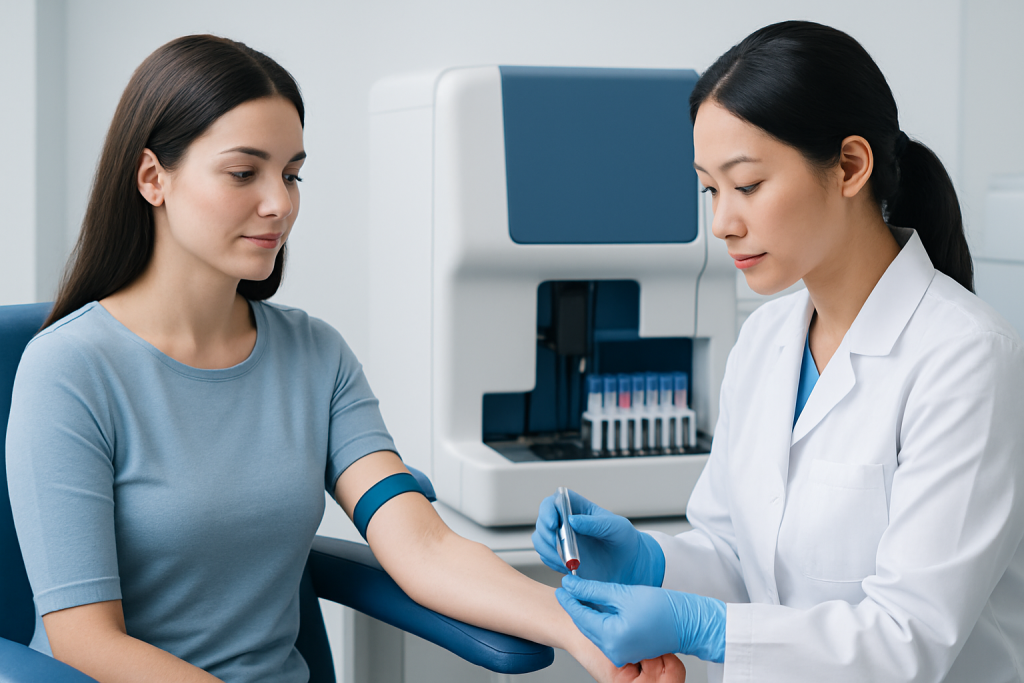
Each part of the hemogram tells a different story. Red blood cell measurements help show how well oxygen is being carried through the body, while hemoglobin and hematocrit add more detail about the blood’s concentration and oxygen-carrying capacity.
White blood cell values help doctors think about the immune system. A higher or lower count may be seen with infection, inflammation, medication effects, bone marrow conditions, or other medical issues. The platelet count, meanwhile, offers clues about blood clotting and may help explain easy bruising or prolonged bleeding.
Some laboratories also report red blood cell indices, such as mean corpuscular volume (MCV), which can help distinguish different patterns of anemia. In some cases, a doctor may also ask for a peripheral blood smear or additional blood tests if a result needs closer interpretation.
Symptoms and Reasons It Is Ordered

A blood hemogram test is often ordered when symptoms are broad or nonspecific. Fatigue, weakness, pale skin, dizziness, fever, frequent infections, unexplained bruising, or bleeding gums are all examples of reasons a clinician may want more information.
It may also be used when someone is recovering from illness, monitoring a chronic condition, or preparing for surgery or another procedure. In travel-based care, hemogram results can help doctors decide whether a patient is ready to proceed with imaging, treatment, or an operation, or whether another test should come first.
Sometimes there are no symptoms at all, and the test is part of a routine health check. In those situations, it may still reveal early changes that deserve follow-up, even if the person feels well.
Causes & Risk Factors for Abnormal Results
Abnormal hemogram results can have many explanations, and a single unusual value does not always mean disease. Temporary changes can occur with dehydration, recent exercise, stress, recent infection, menstruation, or certain medicines.
Common medical reasons include iron deficiency, vitamin B12 or folate deficiency, chronic inflammatory conditions, viral or bacterial infections, and disorders affecting the bone marrow. Platelet or white blood cell changes may also be linked to autoimmune disease, liver or spleen conditions, or treatment side effects.
People with chronic illness, nutritional deficiencies, heavy menstrual bleeding, recent surgery, or long-term medication use may be more likely to have results outside the expected range. A doctor considers the whole context, not just the numbers on the page.
Diagnosis and How Results Are Interpreted
The test itself is simple: a blood sample is drawn and sent to a laboratory, where the cells are counted and measured. Results usually return quickly, but timing depends on the facility and whether additional analysis is needed.
Interpretation is where clinical judgment matters most. A low hemoglobin level may suggest anemia, but the underlying cause could range from iron deficiency to blood loss or chronic disease. A raised white blood cell count might reflect infection, but it can also appear after physical stress or with some inflammatory conditions.
Doctors commonly review trends rather than one isolated value. A result that is mildly outside the range may be less important than a repeated change over time, especially if it matches the patient’s symptoms and exam findings.
Treatment Options
A hemogram test does not itself require treatment, but it can guide the next step. If the result suggests iron deficiency, for example, the doctor may look for the cause and recommend dietary changes, supplements, or treatment for blood loss. If infection is suspected, care may focus on identifying the source and deciding whether observation, medication, or further testing is needed.
When a low or high blood count is related to a medication, chronic illness, or bone marrow problem, treatment is tailored to the underlying condition. In some cases, a repeat test is enough to clarify whether the change was temporary or persistent.
For patients seeking care abroad, treatment planning may involve a staged approach: initial testing, specialist review, additional imaging or laboratory studies if needed, and follow-up after returning home. Good coordination helps ensure that results are interpreted consistently across borders.
Prevention & Self-care
Not every abnormal hemogram result can be prevented, but general health habits can support healthy blood cell production and immune function. A balanced diet with adequate iron, folate, vitamin B12, protein, and fluids is a practical starting point for many people.
It also helps to take prescribed medicines as directed, mention all supplements to the doctor, and avoid self-treating unexplained fatigue or bruising. People with heavy menstrual bleeding, digestive symptoms, or known nutritional risks should discuss testing with a clinician rather than waiting for symptoms to worsen.
If the test is being done as part of travel medical planning, it can be useful to carry previous lab reports, medication lists, and any relevant discharge summaries. That makes it easier for the receiving team to compare results and choose the right follow-up.
When to See a Doctor
A doctor should review hemogram results that are clearly outside the laboratory range, especially if there are symptoms such as shortness of breath, chest pain, ongoing fever, unusual bleeding, black stools, or marked weakness. Even mild abnormalities deserve attention if they persist or are changing over time.
It is also sensible to seek medical advice if someone has repeated infections, easy bruising, paleness, numbness, headaches, or unexplained weight loss along with blood count changes. The goal is not to panic over a single abnormal result, but to understand what it means in context.
Acibadem Health Point’s multidisciplinary specialists and JCI-accredited hospitals diagnose and treat blood count-related conditions for international patients, with coordinated evaluation and follow-up when needed. This can be particularly helpful when care begins in one country and continues in another.
Practical Tips for Getting the Most from the Test
Before the blood draw, it helps to confirm whether any preparation is needed. Most hemogram tests do not require fasting, but some doctors order them alongside other tests that do, so it is wise to check in advance.
Patients should share recent infections, pregnancy status, medications, supplements, and any prior abnormal blood counts. These details can change how the results are understood and may prevent unnecessary worry or duplicate testing.
After the test, ask when results will be available and who will explain them. For international patients, saving both the original laboratory report and an interpreted summary can make later follow-up smoother, especially if another clinician will review the findings at home.
Frequently asked questions
01Is a blood hemogram test the same as a CBC?
In many settings, yes. The names are often used interchangeably, although laboratories and countries may use slightly different terms or report different additional details. A doctor can explain exactly what is included in the local test panel.
02Do I need to fast before a hemogram test?
Usually, no. A hemogram by itself does not normally require fasting, but it may be ordered with other blood tests that do. The clinic or laboratory should give the correct instructions based on the full test order.
03What does a low hemoglobin level mean?
Low hemoglobin often points to anemia, but anemia has many possible causes. It may be related to iron deficiency, vitamin deficiency, blood loss, chronic illness, or other conditions, so the result needs medical interpretation.
04Can stress affect blood count results?
Short-term stress, dehydration, exercise, and recent illness can sometimes influence blood counts. These changes are often temporary, which is one reason doctors may repeat the test if a result does not fit the overall picture.
05Why would a doctor order more tests after a hemogram?
A hemogram gives a useful overview, but it does not always show the cause of an abnormality. If something looks unusual, the doctor may request iron studies, vitamin levels, inflammatory markers, a smear, or other tests to clarify the reason.
06Should abnormal results be treated right away?
Not always. Some changes are minor, temporary, or explained by recent illness or hydration status, while others need more urgent attention. The safest approach is to review the result with a qualified doctor rather than assuming what it means.
This article is for general information only and is not a substitute for professional medical advice. Please consult a qualified doctor about your individual situation.
Explore treatments in Turkey — costs, top hospitals & a free quote
JCI-accredited · board-certified surgeons · reply within 24h
Add us as a Preferred Source to see more of our trusted health content across Google Search, AI Overviews and Discover.



How can we help you today?
Meet an Acibadem specialist by secure video, before you travel.
Book a video visit