Bleeding on Depo Shot: Could I Be Pregnant?
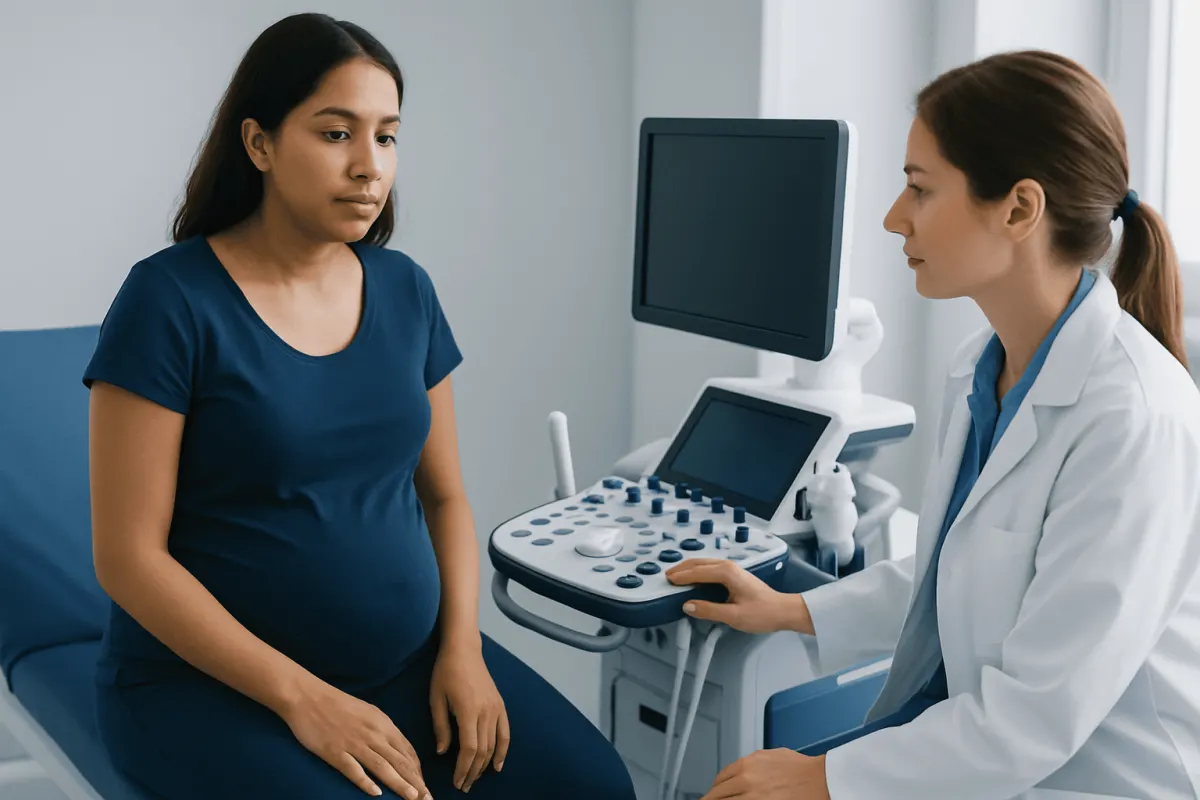
Bleeding or spotting while using the Depo shot is common and usually results from the hormone in the injection rather than pregnancy. However, pregnancy should be considered and tested for if an injection was late, missed, or given after unprotected sex without reliable backup contraception.
Bleeding on the Depo Shot: Could Pregnancy Be the Cause?
Bleeding on Depo shot could I be pregnant? In most cases, bleeding or spotting on the Depo shot is a common effect of the medication and is not a sign of pregnancy. The shot contains medroxyprogesterone acetate, a progestin hormone that changes the uterine lining and can make bleeding patterns unpredictable, especially during the first year of use.
Pregnancy is still possible, although uncommon, if the injection was not received on time, if it was the first injection and backup contraception was not used as advised, or if pregnancy was already present when the injection was given. A pregnancy test is the simplest way to check when there has been a late injection, unprotected sex around the time a shot was due, or new symptoms that raise concern.
Bleeding alone cannot confirm or rule out pregnancy. A clinician can help interpret the timing of injections, menstrual changes, test results, and any symptoms to determine whether testing or further assessment is needed.
How the Depo Shot Can Change Bleeding Patterns
The Depo shot prevents pregnancy mainly by stopping ovulation. It also thickens cervical mucus and thins the lining of the uterus. These effects are responsible for its contraceptive benefit, but they can also lead to changes in periods.
Some people have light spotting between periods, longer or shorter bleeding episodes, or bleeding that occurs at unpredictable times. Others have heavier or more frequent bleeding for a period of time after starting the injection. With ongoing use, bleeding often decreases, and some people stop having periods entirely. This absence of periods is expected for many Depo users and does not by itself mean pregnancy.
Bleeding changes vary from person to person and may be frustrating, but they are usually not harmful. Keeping a simple record of injection dates, bleeding days, flow, pain, and other symptoms can make it easier to discuss concerns with a healthcare professional.
- Spotting is particularly common after the first few injections.
- Periods may become irregular, lighter, longer, or absent.
- Patterns can change over time, even after months of stable use.
- New heavy bleeding or pain should not automatically be attributed to the shot without medical advice.
When Pregnancy Is More Possible on Depo

The Depo shot works very well when it is used correctly and on schedule. Injections are generally given every 12 to 13 weeks. The chance of pregnancy rises if an injection is late, missed, or delayed beyond the timing recommended by the prescribing clinician.
For a first injection, pregnancy protection may not begin immediately depending on when in the menstrual cycle it is given. A clinician may recommend condoms or another backup method for a short period after starting. Backup contraception may also be needed after a late injection until the next injection has had time to work.
Pregnancy should be considered if there was sex without a condom or other backup method after a late or missed shot. It is also sensible to test if there are symptoms such as nausea, breast tenderness, unusual fatigue, or persistent lower abdominal discomfort. These symptoms are not specific to pregnancy and can overlap with hormonal side effects, so testing is more reliable than symptom tracking alone.
Importantly, the return of fertility can be delayed after stopping Depo, but it is unpredictable. Someone who does not want to become pregnant should begin another effective contraceptive method when advised by their clinician rather than assuming the shot continues to protect them after it is due.
Pregnancy Testing and Medical Evaluation
A home urine pregnancy test can be used from the first day of a missed expected period, but periods may be irregular or absent on Depo. If the timing of a period is unclear, testing at least 21 days after unprotected sex is generally a useful approach. If the test is negative but concern remains, repeating it after several days or discussing blood testing with a clinician may be appropriate.
A positive test should be shared with a healthcare professional promptly. Pregnancy while using any contraceptive method deserves assessment, particularly if there is pelvic pain or bleeding. Although uncommon, an ectopic pregnancy, where a pregnancy develops outside the uterus, requires urgent care. The Depo shot itself does not cause an ectopic pregnancy, but symptoms should never be ignored if pregnancy occurs.
A clinician may ask about injection dates, sexual activity, prior pregnancies, medicines, bleeding severity, and associated symptoms. They may perform a pregnancy test, pelvic examination, blood tests, or ultrasound when clinically indicated. Other possible explanations for abnormal bleeding can include cervical changes, infections, polyps, fibroids, thyroid conditions, or other gynecological concerns.
Other Reasons for Bleeding While Using Depo
Hormonal adjustment is the most frequent explanation for bleeding on Depo, but it is not the only one. Vaginal or cervical infections, including sexually transmitted infections, can cause bleeding after sex, changes in discharge, pelvic discomfort, or pain with urination. Condoms help reduce the risk of sexually transmitted infections, even when the Depo shot is used for pregnancy prevention.
Bleeding may also occur due to a cervical polyp, uterine fibroid, changes in the uterine lining, or irritation following sex. People approaching menopause may have irregular cycles for additional hormonal reasons. New bleeding after a long period without bleeding, bleeding after sex, or a notable change from an established pattern should be discussed with a clinician.
For people with ongoing heavy periods or other menstrual concerns, evaluation may identify conditions such as uterine fibroids. The right assessment depends on age, symptoms, medical history, pregnancy possibility, and findings from examination or imaging.
Do not stop or delay contraception solely because of spotting without seeking advice. A healthcare professional can discuss whether continuing Depo, treating bothersome bleeding, or changing contraception is the most suitable option.
Managing Common Depo-Related Bleeding
For mild spotting without pain or other concerning symptoms, reassurance and observation are often all that is needed. Bleeding commonly settles with time, particularly after the body has adjusted to the injection. Recording symptoms may show whether the pattern is improving or becoming more disruptive.
A clinician may recommend treatment for troublesome bleeding after ruling out pregnancy and other causes. Options depend on the person’s medical history and may include a short course of an anti-inflammatory medicine or another hormonal approach. It is important not to start, combine, or stop hormonal medicines without individualized medical advice.
Regularly scheduling the next injection before leaving the clinic can help prevent delayed doses. If injections are difficult to attend on time, a clinician can discuss alternatives such as pills, implants, intrauterine devices, or other methods of contraception. The best method is one that is medically appropriate and practical for the individual to use consistently.
Maintaining hydration, eating regularly, and resting may help a person feel more comfortable during bleeding episodes, but these measures do not replace evaluation for heavy or persistent bleeding. Iron-rich foods may be helpful as part of a balanced diet when periods are heavy, although suspected anemia requires medical assessment and testing.
When to Seek Medical Care
Contact a doctor, sexual health clinic, or gynecology service if bleeding is persistent, bothersome, newly heavy, or different from the usual pattern on Depo. Medical advice is also important if an injection was late or missed and pregnancy is possible, or if a pregnancy test is positive or unclear.
Urgent medical care is needed for severe or worsening lower abdominal or pelvic pain, shoulder-tip pain, dizziness, fainting, very heavy bleeding, fever, or feeling severely unwell. These symptoms can have several causes and need timely assessment, especially if pregnancy is possible.
Acıbadem Health Point’s multidisciplinary specialists and JCI-accredited hospitals assess menstrual concerns, contraception needs, and pregnancy-related symptoms for Myomectomy Recovery for International Patients: The Usual Travel Timeline" class="ahp-ilk">international patients. A qualified clinician can provide individualized guidance based on the person’s injection schedule, health history, and examination findings.
For non-urgent concerns, patients should bring the dates of their most recent injections, a bleeding diary if available, and details of any pregnancy tests or medicines used. This information helps the clinician decide whether observation, testing, imaging, or a change in contraception is appropriate.
Frequently asked questions
01Is spotting on the Depo shot normal?
Yes. Spotting and irregular bleeding are common with the Depo shot, especially during the first months of use. The pattern often becomes lighter over time, and some users eventually have no periods.
02Can I be pregnant if I am bleeding on Depo?
Bleeding does not rule pregnancy in or out. Pregnancy is less likely when injections have been received on time, but a test is appropriate if a shot was late or missed, there was unprotected sex after it was due, or pregnancy symptoms are present.
03How late can a Depo shot be before pregnancy is possible?
Depo injections are usually scheduled every 12 to 13 weeks. A delay beyond the recommended interval can reduce protection, so a clinician should advise on pregnancy testing and whether backup contraception is needed.
04When should I take a pregnancy test while on the Depo shot?
If periods are not reliable because of Depo, a urine test can generally be taken at least 21 days after unprotected sex. If the result is negative but concern continues, repeat testing or medical advice may be helpful.
05Does no period on the Depo shot mean I am pregnant?
No. Many people have very light periods or no periods at all while using Depo, and this is a known effect of the medication. A pregnancy test can provide reassurance if injections were delayed or other concerns exist.
06What bleeding is not normal on the Depo shot?
Very heavy bleeding, bleeding with severe pain, dizziness, fainting, fever, or bleeding during a possible pregnancy should be assessed urgently. Persistent bleeding, bleeding after sex, or a major new change in pattern should also be discussed with a clinician.
This article is for general information only and is not a substitute for professional medical advice. Please consult a qualified doctor about your individual situation.
IVF & fertility treatment in Turkey — success rates and costs
JCI-accredited · board-certified surgeons · reply within 24h
Add us as a Preferred Source to see more of our trusted health content across Google Search, AI Overviews and Discover.