Bleeding Disorder vs Clotting Disorder: What Is the Difference?

Bleeding and clotting disorders are both problems of hemostasis, the body’s system for stopping bleeding and keeping blood flowing properly. The key difference is that bleeding disorders make it harder to form stable clots, while Blood Thinners for Clotting Disorders: Benefits, Risks, and Monitoring" class="ahp-ilk">clotting disorders make clots form too easily or in the wrong place.
Overview: How bleeding and clotting differ
Blood clotting is a normal protective process. When a blood vessel is injured, platelets gather at the site and clotting proteins, called factors, work in sequence to form a stable clot. This process helps stop bleeding while the vessel heals. A problem at any step can upset the balance.
A bleeding disorder happens when the body cannot form an effective clot or cannot keep the clot stable long enough. This can lead to easy bruising, frequent nosebleeds, prolonged bleeding from small cuts, heavy menstrual bleeding, or bleeding after surgery or dental procedures. In some cases, bleeding can occur inside joints, muscles, or organs.
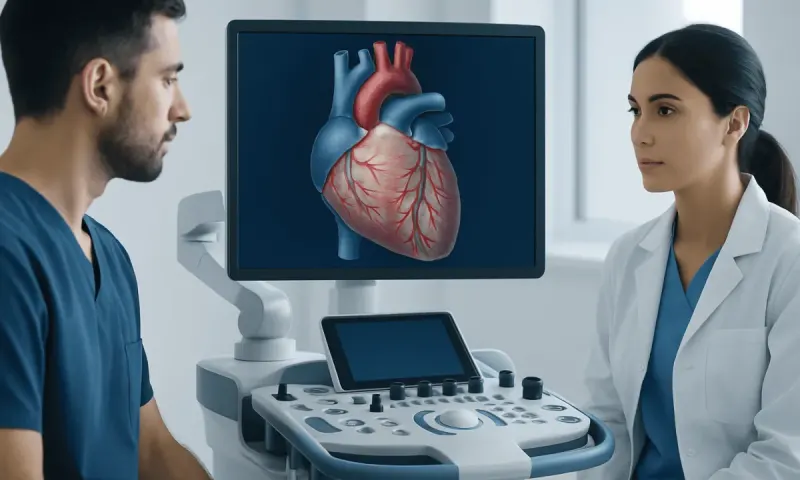
A clotting disorder, also called a thrombotic disorder, is the opposite pattern. In these conditions, blood clots may form too easily, too often, or in places where they should not. A clot can block normal blood flow in a vein or artery, which may lead to serious problems such as deep vein thrombosis, pulmonary embolism, stroke, or heart attack.
Although these conditions sound like complete opposites, both involve the same blood-clotting system. Understanding the difference helps patients recognize symptoms earlier and seek the right kind of care.
Symptoms of bleeding disorders and clotting disorders
The symptoms of a bleeding disorder usually reflect difficulty stopping bleeding. Common signs include easy bruising, frequent gum bleeding, repeated nosebleeds, unusually heavy or long menstrual periods, prolonged bleeding from cuts, and excessive bleeding after surgery, childbirth, or tooth extraction. In some inherited disorders, people may also have joint swelling or pain from bleeding into the joints.
Clotting disorders often cause symptoms only when a clot blocks circulation. A clot in a deep vein, usually in the leg, can cause one-sided swelling, pain, warmth, and redness. A clot that travels to the lungs may cause sudden shortness of breath, chest pain, fast heartbeat, or coughing up blood. Arterial clots may reduce blood flow to the brain, heart, or limbs and require urgent care.
Some symptoms can overlap or seem nonspecific. For example, unusual fatigue may occur after ongoing blood loss in a bleeding disorder, while swelling or discomfort may be mistaken for a muscle strain in a clotting disorder. Because of this, unexplained symptoms should not be ignored.
- More typical of bleeding disorders: petechiae, bruising, prolonged bleeding, heavy periods
- More typical of clotting disorders: leg swelling, sudden chest symptoms, stroke-like symptoms
- Possible in either setting depending on cause: fatigue, weakness, or complications after procedures
Causes and risk factors

Bleeding disorders can be inherited or acquired. Inherited conditions include hemophilia and von Willebrand disease, both of which affect key parts of clot formation. Acquired bleeding problems may result from liver disease, severe vitamin K deficiency, certain medications, immune conditions that lower platelets, or bone marrow disorders that reduce blood cell production.
Clotting disorders also may be inherited or acquired. Inherited thrombophilias, such as factor V Leiden or the prothrombin gene mutation, can increase the tendency to form clots. Acquired causes include prolonged immobility, major surgery, cancer, pregnancy, hormone therapy, smoking, obesity, dehydration, and some autoimmune diseases. Atrial fibrillation can also increase the risk of a clot forming and traveling to the brain.
Some medical treatments change bleeding or clotting risk. Blood thinners lower the chance of harmful clots but can increase bleeding. On the other hand, some medicines such as estrogen-containing contraceptives may increase clot risk in certain people. The balance is individualized, which is why medical guidance matters.
Family history is important in both groups of disorders. If close relatives have had heavy bleeding, frequent miscarriages related to clotting problems, or unexplained blood clots at a young age, doctors may consider inherited causes. In selected cases, evaluation may also include related conditions such as hemophilia or deep vein thrombosis.
How doctors diagnose these conditions
Diagnosis begins with a detailed medical history and physical examination. Doctors ask about past bleeding after surgery or dental work, menstrual history, bruising, family history, prior clots, miscarriages, medication use, pregnancy, travel, smoking, and other health conditions. The pattern of symptoms often gives important clues.
Blood tests are usually the next step. These may include a complete blood count to check hemoglobin and platelet levels, along with clotting tests such as prothrombin time and activated partial thromboplastin time. Depending on the situation, doctors may order tests for specific clotting factors, von Willebrand factor, platelet function, D-dimer, or inherited thrombophilia markers.
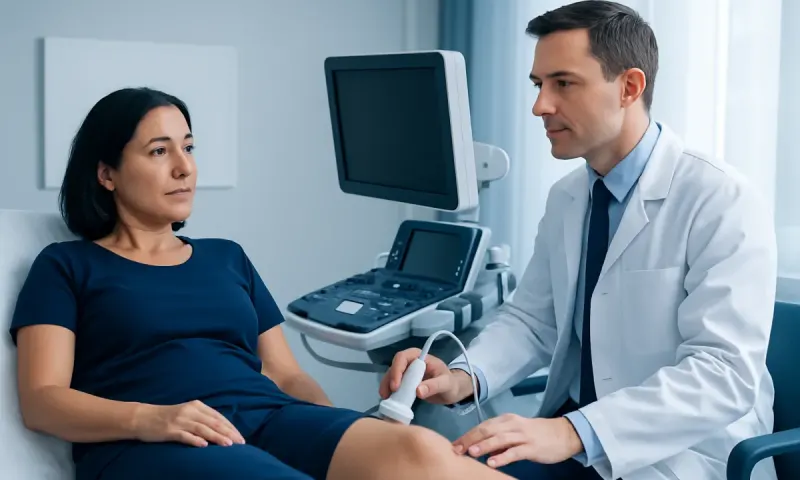
Imaging is especially important when a clot is suspected. Ultrasound is commonly used for deep vein clots in the legs, while CT scans or other imaging may be used if pulmonary embolism, stroke, or another internal clot is a concern. If unusual bleeding occurs in the digestive tract, joints, or other organs, imaging or specialist evaluation may also be needed.
Because these disorders can be complex, some patients are referred to hematology specialists. The goal is not only to confirm the diagnosis but also to identify triggers, assess severity, and make a long-term plan for treatment, surgery, pregnancy, and everyday safety.
Treatment options for bleeding and clotting disorders
Treatment depends on the exact diagnosis, the severity of symptoms, and whether the problem is inherited or acquired. For bleeding disorders, treatment may include replacing missing clotting factors, using medicines that help stabilize clots, treating an underlying platelet problem, or correcting contributing issues such as vitamin deficiencies. In mild cases, people may only need treatment before surgery, dental work, or childbirth.
For clotting disorders, treatment usually focuses on preventing a clot from growing and reducing the chance of new clots. This often involves anticoagulant medicines, sometimes called blood thinners. The choice of treatment and length of therapy depend on where the clot is located, why it developed, and the patient’s overall risk of both clotting and bleeding.
Some patients need supportive procedures or specialist care. For example, a person with a serious clot may need close monitoring or interventional radiology procedures in selected cases. Patients with inherited bleeding disorders may need planned care before operations or access to hematology specialists for long-term management.
Care is often multidisciplinary, especially when symptoms involve the lungs, heart, pregnancy, or surgery. Near the end of the care pathway, international patients may also look for centers that coordinate diagnosis and follow-up; Acıbadem Health Point’s multidisciplinary specialists in JCI-accredited hospitals diagnose and treat blood disorders for international patients when appropriate.
Prevention and self-care
Not all bleeding or clotting disorders can be prevented, especially inherited ones, but many complications can be reduced. For bleeding disorders, patients should inform doctors and dentists before any procedure. Avoiding unnecessary use of medicines that increase bleeding risk, such as certain pain relievers, may be advised by a clinician. Protective habits can also help reduce injury-related bleeding.
For clotting disorders, prevention often focuses on keeping blood moving and addressing modifiable risks. Regular movement during long travel, good hydration, maintaining a healthy weight, stopping smoking, and following medical advice after surgery can all help. Compression stockings may be recommended in selected situations, but they should be used under professional guidance.
People with either type of disorder benefit from an up-to-date medication list and a clear understanding of their diagnosis. Some may be advised to wear a medical alert bracelet, especially if they use anticoagulants or have severe inherited bleeding disorders. Pregnancy planning and preoperative planning are also important because risk can change during these times.
Self-care does not replace medical care. Ongoing follow-up helps doctors monitor treatment response, adjust medications, and plan safely for exercise, travel, sports, and other daily activities.
When to see a doctor
Medical attention is appropriate for any unexplained pattern of frequent bruising, recurrent nosebleeds, bleeding gums, blood in urine or stool, or very heavy menstrual bleeding. It is also important to seek advice if bleeding lasts longer than expected after a minor injury, dental treatment, or surgery. Early assessment can prevent complications and clarify whether a bleeding disorder is present.
Urgent evaluation is needed for possible clot symptoms such as sudden swelling or pain in one leg, sudden shortness of breath, chest pain, coughing up blood, or stroke-like symptoms such as facial drooping, weakness, difficulty speaking, or sudden confusion. These may signal a blood clot and should be treated as emergencies.
People with a family history of inherited bleeding or clotting disorders may benefit from proactive discussion with a doctor even before symptoms appear. This is especially relevant before pregnancy, major surgery, or starting hormone therapy. In some cases, doctors may recommend targeted testing or specialist referral.
If symptoms are ongoing or complex, doctors may coordinate care with related specialties and treatments, including support for conditions linked with cardiology or urgent evaluation through emergency medicine when warning signs suggest a serious clot or severe bleeding.
Frequently asked questions
01What is the main difference between a bleeding disorder and a clotting disorder?
A bleeding disorder means the body has trouble stopping bleeding properly. A clotting disorder means blood clots form too easily or where they should not, which can block blood flow and cause complications.
02Can a person be born with these disorders?
Yes. Some bleeding disorders, such as hemophilia or von Willebrand disease, and some clotting disorders, such as inherited thrombophilia, can run in families. Others develop later because of illness, medications, pregnancy, surgery, or lifestyle factors.
03Are blood thinners used for both types of disorders?
No. Blood thinners are mainly used to treat or prevent clotting disorders. In bleeding disorders, they are usually avoided unless there is another strong medical reason, because they can increase bleeding risk.
04How are these disorders diagnosed?
Doctors usually start with a medical history, symptom review, family history, and physical examination. Blood tests and, when needed, imaging studies help identify whether the problem is related to platelets, clotting factors, or an active blood clot.
05Do heavy periods always mean a bleeding disorder?
Not always. Heavy menstrual bleeding can have many causes, including hormonal conditions, fibroids, and bleeding disorders. If periods are unusually heavy, long-lasting, or associated with easy bruising or family history, medical assessment is a good idea.
06When should someone seek emergency care?
Emergency care is needed for severe bleeding that does not stop, coughing up blood, sudden shortness of breath, chest pain, or signs of stroke such as weakness or trouble speaking. These symptoms may indicate a serious clot or dangerous bleeding event.
This article is for general information only and is not a substitute for professional medical advice. Please consult a qualified doctor about your individual situation.
Joint and spine care in Turkey — expert assessment & treatment
JCI-accredited · board-certified surgeons · reply within 24h
Add us as a Preferred Source to see more of our trusted health content across Google Search, AI Overviews and Discover.