Belly of a 3 Month Pregnant Woman: What You Need to Know

Key Takeaways
- At 3 months pregnant, the belly may be barely visible or only slightly rounded, and both can be normal.
- Bloating, constipation, and posture changes often affect how the abdomen looks and feels.
- A noticeable baby bump is not the only sign that pregnancy is progressing normally.
- Severe pain, heavy bleeding, persistent vomiting, or sudden swelling should be reviewed by a doctor.
- Regular prenatal care remains the best way to monitor maternal and baby health.
By around 3 months of pregnancy, the belly of a 3 month pregnant woman may still look nearly unchanged to some people, while others notice a small rounded lower abdomen or bloating. What is normal often depends on body shape, posture, first pregnancy status, and whether early pregnancy symptoms are still present.
Overview
The belly of a 3 month pregnant woman is usually not yet in the dramatic “baby bump” stage that many people expect. Around 12 weeks, the uterus is still relatively low in the pelvis, so the abdomen may look only a little fuller, feel firmer, or seem unchanged depending on the person.
This is one reason pregnancy can feel very private in the early months. Some women notice their clothes fitting differently, while others see changes mainly after meals or at the end of the day. Both experiences can be normal, and the size of the belly at this point does not reliably reflect how well the pregnancy is progressing.
For an international patient planning care, this is often the stage when questions become more specific: Is the belly growth on track, is the discomfort typical, and which symptoms deserve attention before traveling or booking follow-up abroad? A prenatal visit can help clarify those concerns and provide reassurance based on an examination rather than appearance alone.
What a 3-Month Pregnant Belly May Look and Feel Like
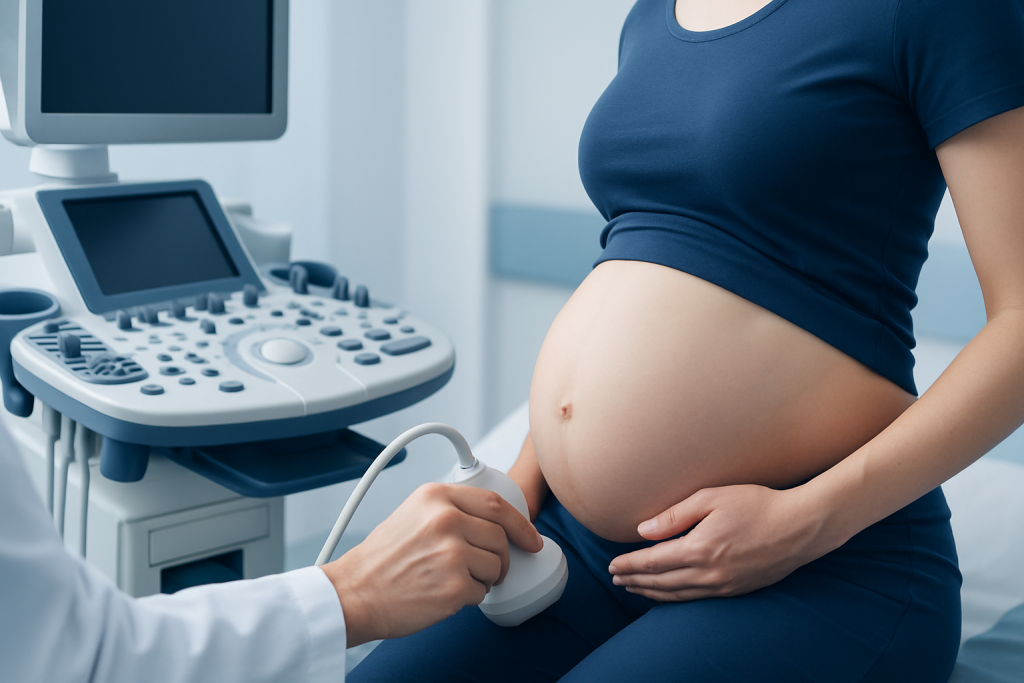
At 3 months, the abdomen may be flat, slightly rounded, or appear more distended than usual. In a first pregnancy, visible enlargement often comes later. In later pregnancies, abdominal muscles and connective tissues may stretch more quickly, so the belly may show sooner.
The sensation inside the abdomen can also change. Some women describe mild stretching, pressure, or tightness, especially after standing for long periods or after a heavy meal. Others mainly feel bloating rather than true uterine growth, because early pregnancy hormones can slow digestion and make the belly feel fuller.
Typical changes at this stage can include:
- A small lower-abdominal curve that becomes more noticeable in fitted clothing
- Intermittent bloating or gas
- Clothes feeling snug around the waist even when weight gain is modest
- A firmer or slightly tender lower abdomen
Symptoms That Often Accompany Early Belly Changes
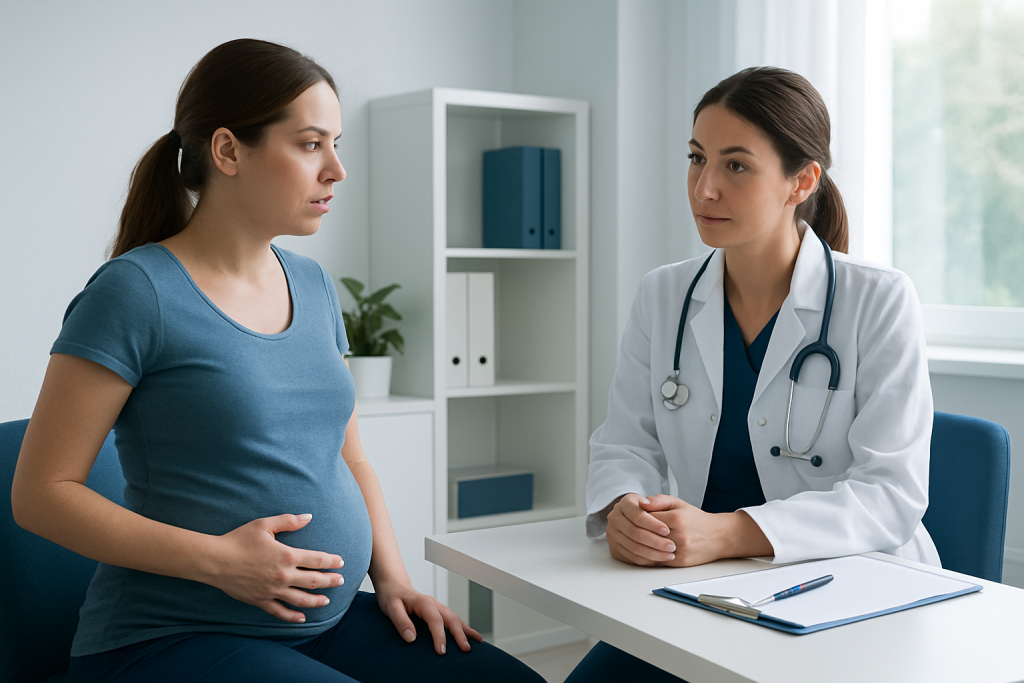
By the end of the first trimester, many women notice that early pregnancy symptoms are still influencing how the body feels. Nausea may be easing for some, while others continue to feel morning sickness, fatigue, or food aversions. These symptoms can affect appetite, hydration, and digestion, all of which can change abdominal comfort and appearance.
Constipation is especially common. Slower bowel movement can make the belly feel larger or more uncomfortable than the uterus itself would suggest. Heartburn, increased gas, and a sense of fullness after small meals may also be part of the picture.
Some women also notice emotional changes, such as relief after the first trimester scan or uncertainty if the belly still seems small. A calm discussion with a prenatal clinician can help separate normal variation from symptoms that need evaluation.
Causes & Risk Factors for Belly Size Variation
There is no single “correct” belly size at 3 months. Several factors shape how early pregnancy looks from the outside. Body type and pre-pregnancy weight matter, but so do muscle tone, pelvic shape, and whether it is the first pregnancy or a later one.
Uterine position can also influence appearance. A uterus that tilts slightly forward or a naturally longer torso may make the abdomen look different from one person to another. In addition, bloating from hormonal changes can create a temporary increase in abdominal size that has little to do with the baby’s growth.
Risk factors that may affect how pregnancy symptoms are experienced include:
- Previous pregnancies, which can make the belly show earlier
- Multiple pregnancy, which may enlarge the abdomen sooner
- Digestive slowing, constipation, or a tendency to bloating
- Shorter torso or different abdominal muscle tone
- Underlying conditions that affect fluid balance or digestion
Because these factors vary widely, comparing one pregnancy belly to another is usually not helpful. A clinician’s assessment is more meaningful than visual comparison alone.
Diagnosis: How Doctors Check That Pregnancy Is Progressing Well
Doctors do not diagnose the health of a pregnancy by the size of the belly alone. At around 3 months, the usual assessment includes a review of symptoms, blood pressure, weight trends, and sometimes an abdominal or pelvic examination depending on the timing of the visit.
Ultrasound is often the most reassuring tool in early pregnancy. It can confirm the pregnancy’s location, assess fetal heartbeat when appropriate, and help estimate gestational age. If the dates are uncertain or the symptoms are unusual, the clinician may recommend additional checks.
For patients receiving care across borders, it helps to bring previous scan reports, lab results, and medication lists to the next appointment. Clear records make it easier for the new team to understand the pregnancy course and avoid repeating unnecessary tests.
Treatment Options: What Helps With Discomfort and Concern
There is no treatment needed for a belly that is simply smaller or larger than expected if the pregnancy is otherwise uncomplicated. The focus is usually on comfort, routine prenatal monitoring, and treating symptoms such as constipation, nausea, or heartburn when they occur.
Supportive care may include eating smaller meals, drinking enough fluids, resting when tired, and choosing fiber-rich foods if constipation is part of the problem. Gentle walking and approved prenatal physical activity can sometimes help digestion and reduce bloating. A prenatal clinician can also advise whether any symptom relief option is suitable during pregnancy.
If there is pain, bleeding, severe vomiting, or sudden changes in the abdomen, treatment depends on the cause. That is why symptoms should be checked promptly rather than self-treated, especially when travel is planned or when a patient is far from her usual doctor.
Prevention & Self-care: Practical Ways to Support a Healthy Pregnancy
Self-care during the first trimester is less about changing the belly and more about supporting the body as it adapts. Good prenatal habits can make abdominal discomfort easier to manage and help a woman feel more confident about normal changes.
Helpful habits include eating balanced meals, staying hydrated, getting adequate rest, and following recommended prenatal vitamin guidance from a doctor. Wearing comfortable clothing can reduce pressure on a bloated abdomen, and avoiding large, heavy meals may lessen reflux and fullness.
For women traveling for pregnancy care, it is wise to schedule appointments around the expected prenatal timeline, keep copies of test results, and know where to seek urgent help if symptoms change. If needed, Acibadem Health Point’s multidisciplinary specialists and JCI-accredited hospitals diagnose and treat pregnancy-related concerns for Myomectomy Recovery for International Patients: The Usual Travel Timeline" class="ahp-ilk">international patients, with coordinated care that supports both evaluation and follow-up.
When to See a Doctor
Many belly changes at 3 months are normal, but some symptoms deserve medical review. A doctor should be contacted if abdominal pain becomes strong or one-sided, if bleeding occurs, or if vomiting makes it hard to keep fluids down. Sudden swelling, fever, fainting, or painful urination also need attention.
It is also sensible to seek advice if the pregnancy dates seem unclear, the belly feels unusually hard or tender, or anxiety is high because the abdomen looks smaller than expected. Reassurance based on an examination is far better than guessing from appearance alone.
Routine prenatal care should continue even when the belly looks “too small” or “too big” compared with friends’ experiences. What matters most is the overall pattern of health, growth, and symptoms over time.
Frequently asked questions
01Is it normal not to have a visible belly at 3 months pregnant?
Yes, it can be completely normal. At 3 months, some women still look unchanged, especially in a first pregnancy or if they have a longer torso. The absence of a visible bump does not by itself mean something is wrong.
02Why does my belly look bigger some days than others?
Bloating, constipation, gas, and meal timing can all make the abdomen look fuller from day to day. Hormonal changes slow digestion in early pregnancy, so the belly may seem larger in the evening than in the morning. This variation is common.
03Does a small belly mean the baby is not growing well?
Not necessarily. Belly size is influenced by many factors and is not a reliable measure of fetal growth on its own. Prenatal visits and ultrasound, when indicated, are the proper ways to check development.
04What does a 3 month pregnant belly feel like?
It may feel slightly firmer, fuller, or mildly stretched, especially low in the abdomen. Some women mostly notice bloating or digestive discomfort rather than true uterine enlargement. Severe pain is not considered typical and should be evaluated.
05When should a pregnant woman worry about abdominal pain?
Pain that is severe, one-sided, constant, or accompanied by bleeding, fever, dizziness, or vomiting should be reviewed promptly. Even milder pain is worth discussing if it keeps returning or feels different from ordinary pregnancy discomfort. A doctor can determine whether it is benign or needs treatment.
06Can clothing changes be a clue that pregnancy is progressing normally?
Loose or tight clothing can reflect normal early pregnancy changes, but it is not a medical measure of progress. Bloating, posture, and body shape can all affect fit. Prenatal assessment is more informative than clothing size.
This article is for general information only and is not a substitute for professional medical advice. Please consult a qualified doctor about your individual situation.
Persistent digestive symptoms? Get evaluated in Turkey
JCI-accredited · board-certified surgeons · reply within 24h
Add us as a Preferred Source to see more of our trusted health content across Google Search, AI Overviews and Discover.