Bariatric Surgery for Joint Pain: Can Weight Loss Surgery Improve Mobility?

Bariatric surgery for joint pain can help some people move more easily by reducing stress on weight-bearing joints and supporting long-term weight loss. While it is not a direct treatment for arthritis or joint disease, it may lessen pain, improve function, and make physical activity more manageable.
Overview: Can bariatric surgery help joint pain?
Bariatric surgery for joint pain is considered when excess body weight is a major factor contributing to pain, stiffness, and limited movement. Carrying extra weight places added mechanical stress on the body, especially on weight-bearing joints such as the knees, hips, ankles, and lower back. Over time, this can worsen discomfort and make everyday activities like walking, climbing stairs, or standing for long periods more difficult.
Weight loss surgery does not directly repair damaged cartilage or cure arthritis. However, it may help by supporting substantial and sustained weight loss in people with obesity who have not achieved enough benefit from lifestyle changes alone. As body weight decreases, the force on the joints often decreases as well, which may translate into less pain and better mobility.
There is also an inflammatory component. Obesity is associated with low-grade chronic inflammation, which may contribute to joint symptoms and general body pain. By improving metabolic health and reducing inflammatory burden, bariatric surgery may offer benefits that go beyond simple weight reduction.
How excess weight affects the joints and mobility
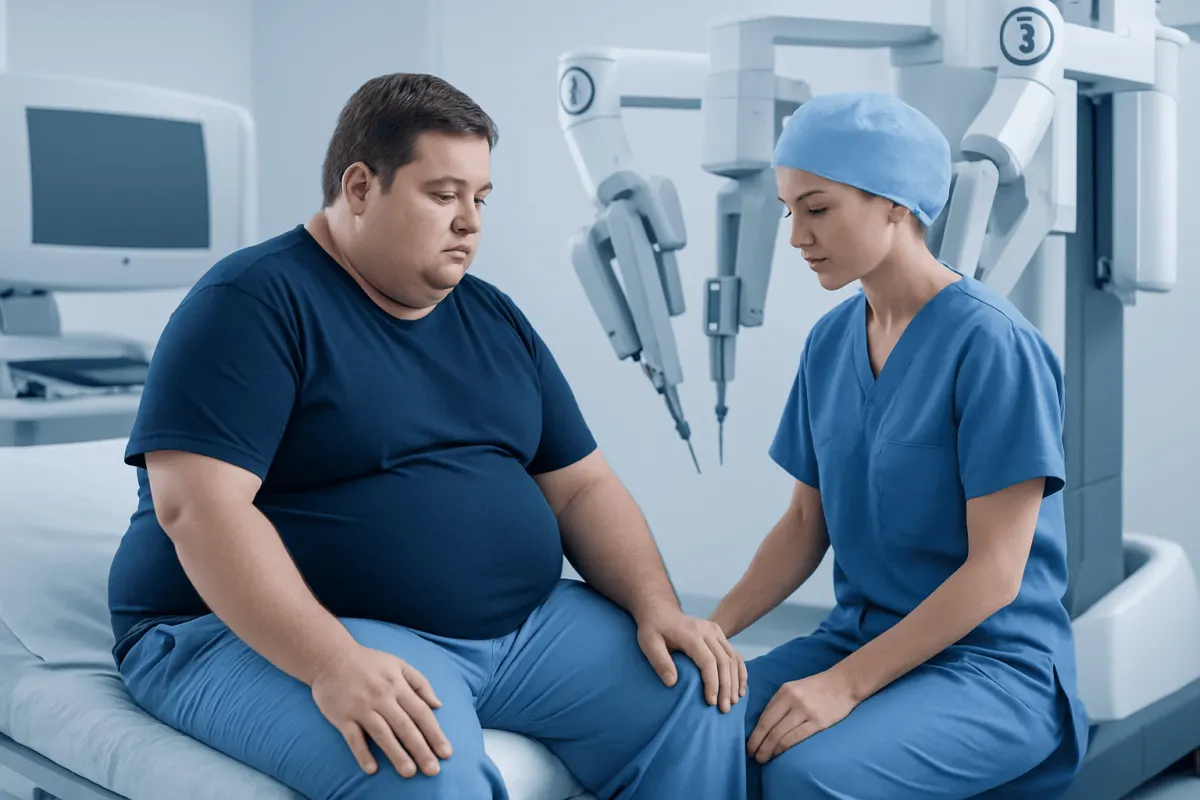
Joints are designed to handle movement and load, but they can become strained when body weight is significantly above a healthy range. The knees and hips are especially vulnerable because they absorb repetitive impact with every step. Even modest weight gain can increase pressure across these joints during walking, bending, and rising from a chair.
Obesity may also change posture, balance, and gait. Some people begin moving differently to avoid pain, which can place extra strain on the back, feet, and surrounding muscles. Over time, this can lead to reduced flexibility, muscle deconditioning, and a cycle in which pain limits activity and lower activity makes weight management harder.
In people with morbid obesity, mobility problems may become significant enough to affect independence and quality of life. Daily tasks, exercise, work demands, and sleep can all be affected. For these individuals, meaningful weight loss may help restore comfort and make movement safer and easier.
- Commonly affected areas include the knees, hips, lower back, ankles, and feet.
- Joint symptoms may include pain, stiffness, swelling, reduced range of motion, and fatigue with activity.
- Mobility can improve when weight loss is combined with physical therapy, strengthening, and gradual conditioning.
Who may benefit most from weight loss surgery for mobility?

People who may benefit are usually those living with obesity-related health problems and substantial difficulty losing weight through diet, exercise, and medical support alone. Joint pain may be one of several reasons to consider surgery, especially if it interferes with walking, self-care, work, or participation in rehabilitation. Doctors typically look at body mass index, related medical conditions, previous weight-loss efforts, and overall readiness for surgery.
The greatest improvements are often seen when joint pain is strongly linked to excess body weight rather than to advanced structural damage alone. For example, a person with knee pain from overload and early osteoarthritis may notice more benefit than someone with severe end-stage joint destruction. Still, even in people with established arthritis, weight loss may improve function and reduce symptom burden.
A careful evaluation is important because not every patient with joint pain is a candidate for surgery. The healthcare team may include bariatric surgeons, dietitians, internists, endocrinologists, physical therapists, and, when needed, orthopedic specialists. In some cases, bariatric treatment may also make future orthopedic procedures safer by reducing surgical risk.
Different procedures may be discussed depending on the person’s health status and goals, such as gastric sleeve surgery or gastric bypass. The choice depends on medical history, eating patterns, reflux symptoms, metabolic disease, and the recommendations of the surgical team.
What kind of improvement is realistic?
Many patients hope that weight loss surgery will completely remove joint pain, but results are usually more individualized. A realistic goal is often meaningful improvement rather than a total cure. Some people notice less pain during walking, easier stair climbing, and better endurance for daily tasks within months of weight loss. Others may mainly experience improved function, sleep, and ability to exercise.
The amount of relief depends on several factors: how much weight is lost, how long joint problems have been present, whether cartilage damage is mild or advanced, and whether a structured rehabilitation plan is followed. Muscle strength also matters. As pain decreases, stronger muscles around the joints can further improve support and movement.
It is also important to understand that certain conditions may continue to cause symptoms despite successful weight loss. Osteoarthritis, inflammatory arthritis, tendon disorders, and spinal conditions may still need targeted treatment. If excess skin or abdominal wall strain affects movement after major weight change, related issues such as incisional hernia may also require separate medical attention in selected patients.
Evaluation and diagnosis before surgery
Before recommending bariatric surgery, the team evaluates both obesity and the source of joint pain. This helps clarify whether weight loss surgery is likely to improve symptoms and whether other conditions need treatment first. The assessment usually includes a full medical history, physical examination, weight history, blood tests, and a review of current medications and past attempts at weight management.
Joint pain may need its own evaluation, particularly if there is marked swelling, instability, severe morning stiffness, or pain in one isolated joint. Imaging such as X-rays or MRI may be used when doctors suspect osteoarthritis, meniscus injury, spinal disease, or another orthopedic problem. The aim is to identify what part of the pain is related to weight load and what part may come from structural disease.
Doctors also assess sleep apnea, diabetes, high blood pressure, fatty liver disease, reflux, mental health, and nutritional status because these can affect both safety and outcomes. Some patients may be offered non-surgical options first, such as supervised weight management, medication, or stomach reduction without surgery approaches when appropriate. A shared decision-making process helps patients understand benefits, limitations, and long-term lifestyle commitments.
Treatment options and recovery after bariatric surgery
Bariatric procedures work by helping people eat less, absorb fewer calories in certain cases, or both. Common operations include Loss Medications: Benefits, Limits, and Safety" class="ahp-ilk">sleeve gastrectomy and gastric bypass, while other options may be considered for selected patients. The main purpose is long-term weight reduction and improvement of obesity-related health conditions, rather than direct treatment of a specific joint problem.
Recovery involves much more than the operation itself. Patients typically follow staged nutrition plans, take prescribed vitamin and mineral supplements, attend follow-up visits, and gradually return to activity. For joint health, rehabilitation is especially important. Gentle walking, flexibility work, water exercise, and strengthening programs can help rebuild confidence in movement without overloading painful joints.
Some patients need parallel orthopedic care during or after the bariatric journey. This may include pain management, injections, bracing, or physical therapy. Others may eventually become better candidates for joint replacement because weight loss lowers surgical and anesthesia risks. In experienced centers, a multidisciplinary approach gives the best chance of improving both metabolic health and mobility.
Near the end of treatment planning, some international patients choose centers where bariatric, orthopedic, rehabilitation, and internal medicine specialists work together. Acıbadem Health Point’s multidisciplinary specialists and JCI-accredited hospitals diagnose and treat obesity-related mobility problems for international patients.
Self-care, long-term habits, and when to see a doctor
Long-term success depends on maintaining the habits that protect both weight loss and joint function. Regular low-impact movement is often easier on painful joints than high-impact exercise. Walking on even surfaces, cycling, swimming, and structured physical therapy can support strength and balance. Supportive footwear, good sleep, and steady protein intake may also help recovery and daily comfort.
It is important to continue follow-up after surgery because nutritional deficiencies, dehydration, or inadequate protein intake can slow recovery and reduce energy for exercise. Patients should work closely with their care team to adjust food choices, activity levels, and supplements over time. Joint pain that improves at first but later worsens deserves reevaluation.
Medical attention is needed if joint pain becomes severe, a joint suddenly swells, movement becomes sharply restricted, or numbness and weakness develop. A doctor should also assess fever, redness around a joint, chest symptoms, or persistent vomiting after surgery. Early evaluation helps identify whether symptoms are related to the joints, the spine, the surgery itself, or another medical issue.
Frequently asked questions
01Can bariatric surgery cure arthritis?
No. Bariatric surgery does not cure arthritis or reverse all joint damage. It may reduce pain and improve movement by lowering body weight and decreasing stress on affected joints.
02How soon can mobility improve after weight loss surgery?
Some people notice easier movement within the first few months as weight decreases. Improvement usually continues gradually and often depends on physical therapy, muscle strengthening, and the severity of any underlying joint disease.
03Which joints are most likely to feel better after weight loss?
Weight-bearing joints often benefit the most, especially the knees, hips, lower back, ankles, and feet. These areas carry much of the body's load during standing and walking, so reducing that load may ease symptoms.
04Will someone still need orthopedic treatment after bariatric surgery?
Possibly, yes. Weight loss can help, but some patients still need physical therapy, pain management, injections, or surgery for advanced joint damage. Bariatric surgery is often one part of a broader treatment plan.
05Is bariatric surgery recommended only for people with severe obesity?
Eligibility depends on body mass index, obesity-related health conditions, prior weight-loss efforts, and overall health. A specialist team decides whether surgery is appropriate based on established medical criteria and individual needs.
06Can weight loss surgery make future joint replacement safer?
In some patients, yes. Losing weight may improve blood pressure, blood sugar control, breathing, and overall surgical risk, which can help when planning orthopedic procedures. However, timing and suitability should be discussed with both bariatric and orthopedic specialists.
This article is for general information only and is not a substitute for professional medical advice. Please consult a qualified doctor about your individual situation.
Medical weight-loss options in Turkey — costs & eligibility
JCI-accredited · board-certified surgeons · reply within 24h
Add us as a Preferred Source to see more of our trusted health content across Google Search, AI Overviews and Discover.