Bacterial Vaginosis Test: Purpose, Procedure and Results

Key Takeaways
- A bacterial vaginosis test is used to check for an imbalance of vaginal bacteria and to rule out other causes of symptoms.
- Testing is often recommended when there is unusual discharge, odor, irritation, or burning.
- A vaginal swab, pH testing, and microscope-based checks are common ways to assess BV.
- Results help a doctor decide whether treatment is needed and whether another infection may be present.
- Self-diagnosis can be unreliable because BV can resemble yeast infection, trichomoniasis, or non-infectious irritation.
A bacterial vaginosis test helps a clinician confirm whether symptoms are caused by bacterial vaginosis or another vaginal condition. It usually involves a brief exam and a vaginal swab, followed by results that guide the right treatment.
Overview
A bacterial vaginosis test is used when a clinician wants to confirm whether symptoms are due to bacterial vaginosis, often called BV, or to another vaginal condition. It is not a single universal test; rather, it usually involves a combination of a pelvic examination, a vaginal swab, and simple laboratory or bedside checks that look for changes in the vaginal environment.
BV happens when the balance of normal vaginal bacteria shifts. Healthy vaginal flora are not “clean” in the sense of being bacteria-free; they are naturally populated by microorganisms that usually stay in balance. When that balance changes, BV may develop and cause symptoms such as thin discharge, a fishy odor, or mild irritation. Testing matters because the same symptoms can also occur with yeast infection, sexually transmitted infections, or non-infectious irritation, and each needs a different approach.
For many patients, the most useful part of the test is reassurance. A clear diagnosis can prevent repeated self-treatment, reduce uncertainty, and guide the right next step. For Myomectomy Recovery for International Patients: The Usual Travel Timeline" class="ahp-ilk">international patients planning care, testing is often the first part of a practical pathway: assessment, diagnosis, treatment if needed, and follow-up that can continue after returning home.
Symptoms That Often Lead to Testing
BV does not always cause symptoms, which is one reason it can go unnoticed. When it does cause symptoms, the most common pattern is a change in discharge, usually thin, watery, or grayish-white, along with a noticeable odor that may become stronger after sex.
Some people also notice vaginal discomfort, mild burning, itching, or a feeling of irritation. These symptoms are not specific to BV, which is why a bacterial vaginosis test is helpful rather than relying on appearance alone. A symptom that seems typical of BV can still be caused by a yeast infection, a sexually transmitted infection, or even a reaction to soaps, douches, or hygiene products.
Testing is especially sensible when symptoms are new, recurring, or changing. It is also useful when over-the-counter treatment has not helped, because persistent symptoms may point to a different diagnosis or to a BV episode that needs clinician-guided treatment.
Causes & Risk Factors

BV develops when the normal balance of vaginal bacteria shifts, allowing certain organisms to become more prominent while protective bacteria decrease. The exact reasons for this shift are not always clear, and BV is not considered a sign of poor hygiene. In fact, over-cleaning or douching can disrupt the natural vaginal environment and increase risk.
Several factors are commonly associated with BV. These may include douching, new or multiple sex partners, unprotected sex, and changes in the vaginal environment after menstruation. BV can also occur without a clear trigger, and it may recur even after successful treatment.
- Douching or using scented vaginal products
- Sexual activity, especially with a new partner
- Recent changes in vaginal pH or flora
- Prior BV episodes
- Smoking may be associated with recurrence in some patients
Understanding risk factors helps patients interpret why a test is recommended. The goal is not to assign blame, but to identify patterns that may help reduce recurrence and support healthier habits going forward.
How the Bacterial Vaginosis Test Is Done
The test is usually quick and performed in a clinic, gynecology office, sexual health setting, or hospital outpatient unit. A clinician may begin with questions about symptoms, menstrual timing, sexual history, prior infections, and any products used in the vaginal area. This history often helps determine which tests are most appropriate.
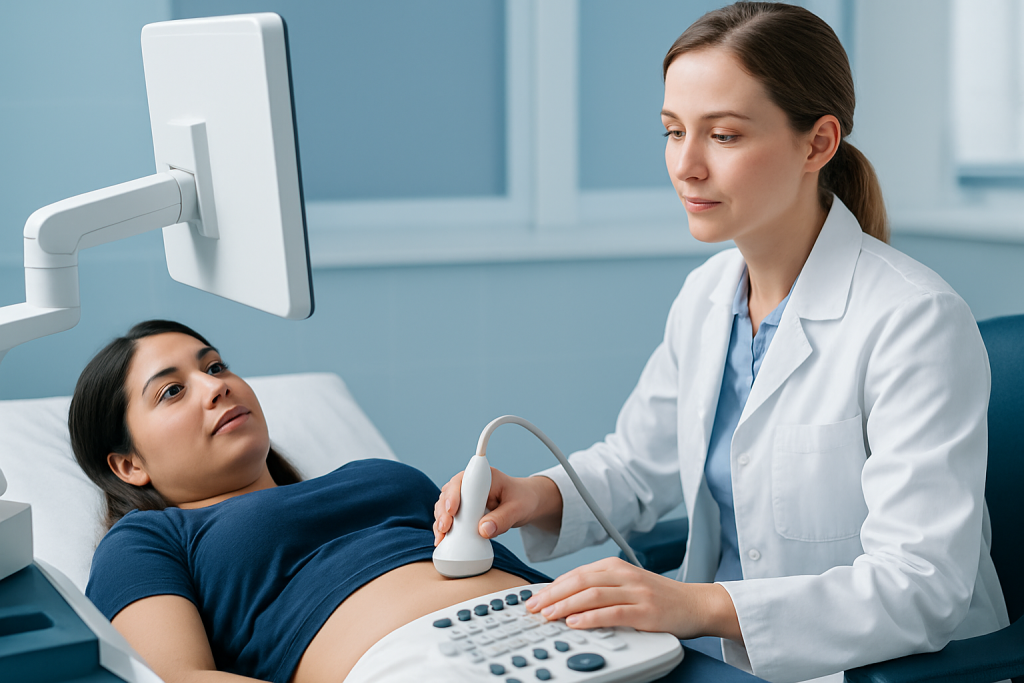
Next comes the sample itself. In many cases, a speculum exam is performed so the clinician can collect a vaginal swab from the discharge. The sample may be checked on site or sent to a laboratory. Depending on the setting, the evaluation may include vaginal pH measurement, a microscopic review for clue cells, or other laboratory methods that help confirm BV.
The procedure is generally brief, though it may feel mildly uncomfortable for some patients. It is usually not painful, and patients can ask the clinician to explain each step before the sample is taken. For people traveling for care, this is often a straightforward same-day diagnostic visit that can fit into a wider women’s health assessment.
What Test Results Mean
BV test results are interpreted in context, not in isolation. A positive result typically means the vaginal sample shows changes consistent with BV, such as a higher pH, clue cells under the microscope, or other findings that match the diagnosis. This supports treatment aimed at restoring the vaginal balance.
A negative result means BV is less likely, but it does not end the evaluation if symptoms continue. The clinician may consider yeast infection, trichomoniasis, cervicitis, or non-infectious causes such as irritation from soaps or allergies. Sometimes a repeat assessment is useful if symptoms are strong but the first result is unclear.
Patients may also hear that the test shows a “mixed picture” or that another infection is present. This is not unusual. Vaginal symptoms can overlap, and more than one issue can occur at the same time, which is why professional interpretation is important.
Treatment Options After Diagnosis
If the test confirms BV, treatment is usually straightforward and prescribed by a clinician. The aim is to treat the bacterial imbalance and relieve symptoms. Which treatment is chosen depends on the patient’s health history, pregnancy status, symptom pattern, and whether BV has happened before.
Doctors commonly use prescription medication selected for BV. The exact option is individualized, and patients should follow the prescribed plan carefully and complete it as directed. If symptoms return, the clinician may review whether the original diagnosis was correct, whether another infection is present, or whether a longer-term strategy is needed for recurrent BV.
For international patients, treatment planning should include practical follow-up. That may mean knowing which symptoms should improve first, when to seek reassessment, and how to continue care with a local doctor after returning home. A clear written plan can make this transition much easier.
Prevention & Self-care
There is no guaranteed way to prevent BV, but some habits may lower the chance of recurrence. Gentle vaginal care is usually the best approach: avoid douching, avoid scented washes or sprays in the genital area, and choose mild, non-irritating products. The vagina is self-cleaning, so internal cleansing is unnecessary and can be disruptive.
Patients who have repeated BV episodes may benefit from discussing prevention strategies with a gynecologist. Depending on the situation, a clinician may suggest changes in sexual health practices, review hygiene products, or consider other measures to reduce recurrence. Self-care also includes paying attention to symptoms early, since prompt testing can prevent prolonged discomfort.
- Use unscented, gentle cleansing products externally only
- Avoid douching and internal cleansing products
- Wear breathable underwear if irritation is a concern
- Seek testing rather than repeatedly self-treating symptoms
- Keep follow-up appointments if BV returns
When care is being arranged across countries, it helps to ask how follow-up will work if symptoms recur at home. That way, the initial diagnosis can support a longer, more coordinated plan rather than a one-time visit.
When to See a Doctor
A doctor should be consulted when vaginal discharge changes in color, amount, or odor, or when there is itching, burning, or discomfort that does not improve. Testing is also appropriate if symptoms keep returning, if a home remedy has not helped, or if the person is unsure whether the problem is BV, yeast, or something else.
Prompt medical review is especially important during pregnancy, after a new sexual exposure, or if symptoms include pelvic pain, fever, bleeding, or sores. Those features may suggest a different condition that needs evaluation beyond BV testing alone. Even when symptoms seem mild, a proper diagnosis can prevent unnecessary treatment and reduce repeated irritation.
Acibadem Health Point’s multidisciplinary specialists and JCI-accredited hospitals diagnose and treat bacterial vaginosis for international patients within a coordinated women’s health pathway. A clinician can help interpret results, explain treatment, and plan follow-up that is realistic whether care continues locally or abroad.
Frequently asked questions
01What is a bacterial vaginosis test looking for?
It looks for signs that the normal balance of vaginal bacteria has changed in a way that fits bacterial vaginosis. The clinician may check vaginal pH, examine a swab under a microscope, or use other laboratory methods. The goal is also to rule out conditions that can cause similar symptoms.
02Is a bacterial vaginosis test painful?
The test is usually not painful, though a pelvic exam or swab may feel mildly uncomfortable. The sample collection is typically brief. Patients can ask the clinician to explain each step beforehand, which often makes the process easier.
03Can BV be diagnosed without a test?
A clinician may suspect BV from symptoms, but symptoms alone are not always reliable. BV can look like yeast infection, trichomoniasis, or simple irritation. Testing helps make the diagnosis more accurate and guides the right treatment.
04How long do BV test results take?
Some results are available during the same visit, especially if the sample is checked in the clinic. Others may take longer if the sample is sent to a laboratory. The clinician usually explains when and how the results will be shared.
05Can BV come back after treatment?
Yes, BV can recur even after it has been treated successfully. Recurrent symptoms should be rechecked rather than assumed to be the same problem every time. A doctor may review triggers, confirm the diagnosis again, or suggest a different management plan.
06Should a patient get tested if there are no symptoms?
Testing is usually considered when symptoms are present or when a clinician recommends it for a specific reason. Some people may need evaluation even without symptoms, such as during pregnancy or before certain procedures. A doctor can advise whether testing is appropriate in that situation.
This article is for general information only and is not a substitute for professional medical advice. Please consult a qualified doctor about your individual situation.
Explore treatments in Turkey — costs, top hospitals & a free quote
JCI-accredited · board-certified surgeons · reply within 24h
Add us as a Preferred Source to see more of our trusted health content across Google Search, AI Overviews and Discover.