What Does a Vaginal Swab Test for?

Key Takeaways
- A vaginal swab test is used to detect infections, imbalances, and other causes of vaginal symptoms.
- It may check for yeast, bacterial vaginosis, trichomoniasis, and sometimes sexually transmitted infections.
- The test is usually quick and may be done in a clinic or with a self-collected sample, depending on the setting.
- Results help a clinician choose the most appropriate treatment instead of guessing.
- Persistent symptoms, pregnancy, or recurring infections are good reasons to seek medical evaluation.
A vaginal swab test checks a sample from the vagina or vaginal area for signs of infection or imbalance. It is commonly used to look for causes of symptoms such as discharge, odor, itching, irritation, or pain, and sometimes to help guide safe treatment.
Overview
For anyone asking what does a vaginal swab test for, the short answer is that it looks for signs of infection or changes in the normal vaginal environment that may explain symptoms. A clinician may use the swab to help identify yeast, bacterial vaginosis, trichomoniasis, or other infections that can cause discharge, odor, itching, burning, or discomfort.
The test is a common part of women’s health care because many vaginal symptoms overlap. The same symptom can have more than one cause, and treatment is different depending on what is found. A swab helps move the discussion from guesswork to a more specific diagnosis.
For Myomectomy Recovery for International Patients: The Usual Travel Timeline" class="ahp-ilk">international patients, this can be especially helpful when symptoms begin during travel, after antibiotics, or after a change in climate, hygiene products, or sexual activity. A clear test result can guide treatment before a return flight, or help a doctor plan follow-up care once the patient is back home.
Symptoms That May Lead to a Swab Test
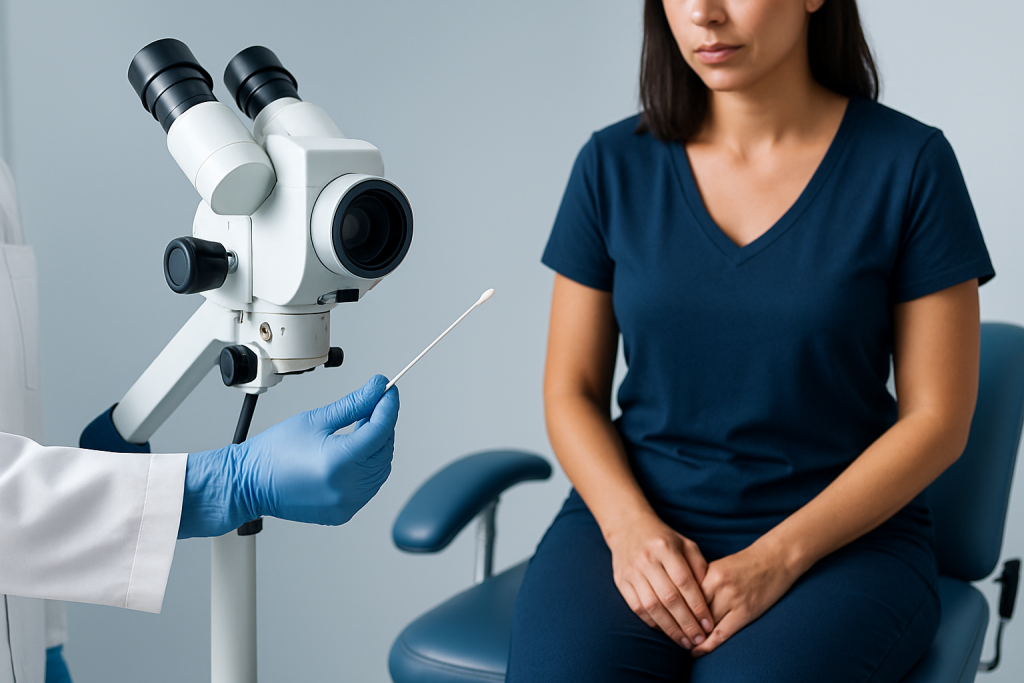
A vaginal swab is usually considered when symptoms suggest that the normal balance of bacteria and yeast may have changed. Common reasons include unusual discharge, a strong or fishy odor, itching, redness, soreness, burning during urination, or pain during sex.
Some people have only mild symptoms, while others notice changes that are more persistent or uncomfortable. A swab can be useful even when the symptoms do not clearly point to one cause, because several vaginal conditions can look similar at first glance.
- Change in discharge color, texture, or amount
- Itching or irritation of the vaginal area
- Unpleasant odor
- Burning or stinging
- Pain with urination or intercourse
- Spotting or bleeding with infection in some cases
Sometimes the test is done in people without symptoms, such as during pregnancy evaluation or when a clinician needs to check for an infection that could affect treatment decisions. In those situations, the swab is part of a broader medical assessment rather than a standalone answer.
What a Vaginal Swab Can Detect

The exact conditions checked by a vaginal swab depend on the type of test ordered and the clinician’s suspicion. In many settings, the sample is examined for yeast infections, bacterial vaginosis, and trichomoniasis, which is a sexually transmitted infection caused by a parasite.
Some swabs are also used to look for other sexually transmitted infections, such as chlamydia or gonorrhea, although these may require a specific collection method or separate test. In some clinics, the swab can identify organisms using culture, microscopy, antigen testing, or molecular methods such as PCR.
Beyond infection, the test can sometimes reveal clues about the vaginal pH and the balance of normal flora. That information helps a clinician distinguish between different causes of symptoms and decide whether treatment should target an infection, irritation, or another issue entirely.
Causes and Risk Factors Behind Abnormal Results
An abnormal vaginal swab does not mean something has gone seriously wrong. It often reflects a temporary change in the vaginal ecosystem, which can happen for many everyday reasons. Antibiotic use, hormonal changes, pregnancy, diabetes, douching, and recent sexual contact can all influence the vaginal environment.
Some people are more prone to recurrent yeast or bacterial vaginosis because of natural body differences, immune factors, or repeated exposure to triggers that disturb the balance of protective bacteria. New symptoms after a course of antibiotics or after menstrual changes are not unusual.
Risk can also rise when the vaginal area is exposed to scented washes, vaginal sprays, or harsh cleansing practices. A clinician may ask about these habits because the pattern of symptoms, not just the swab result, helps identify the real cause.
How the Test Is Done and How Results Are Interpreted
A vaginal swab is usually collected during a pelvic exam or from the vaginal opening with a small sterile swab. The process is generally brief. Some tests are performed by the clinician, while others may allow a person to collect the sample themselves in a private setting, depending on the clinic and the purpose of testing.
After collection, the sample is sent for laboratory analysis or checked in the clinic. Results may show yeast, bacterial overgrowth patterns, parasites, or signs of inflammation. If the swab is negative, symptoms may still need evaluation because irritation, skin conditions, allergies, or cervical and urinary issues can sometimes mimic infection.
The meaning of the result depends on the full clinical picture. A swab is not interpreted in isolation; a doctor will consider symptoms, examination findings, sexual history where relevant, pregnancy status, and any prior treatments. This helps avoid overtreatment and supports the safest next step.
Treatment Options if the Swab Is Abnormal
Treatment depends on what the test shows. Yeast infections are often treated with antifungal medicine, while bacterial vaginosis and trichomoniasis usually require different medicines chosen specifically for the organism involved. If a sexually transmitted infection is found, clinicians may also recommend partner evaluation, follow-up testing, and temporary changes in sexual activity until treatment is complete.
When symptoms are caused by irritation rather than infection, treatment may focus on removing triggers and protecting the skin barrier. That can include switching to unscented products, avoiding douching, and using gentle cleansing with water or mild soap around the external area only.
For patients traveling from another country, treatment planning may include written instructions, a clear explanation of warning signs, and help organizing follow-up care after departure. When needed, multidisciplinary teams can coordinate gynecology, infectious disease, and laboratory support so the patient has a coherent plan rather than multiple disconnected opinions.
Prevention and Self-care
Simple habits can help reduce the chance of vaginal imbalance or irritation. Wearing breathable underwear, changing out of wet clothing promptly, and avoiding scented products near the vulva can make a meaningful difference for many people. It is also wise to avoid self-treating repeatedly without confirming the cause, especially if symptoms keep returning.
Good self-care does not mean over-cleaning. The vagina naturally maintains its own environment, so internal washing or douching can disrupt helpful bacteria. If a person has diabetes, pregnancy, or frequent infections, regular medical follow-up may be more important because the same symptoms can recur for different reasons.
- Use unscented, gentle hygiene products
- Avoid douching and internal cleansing
- Change out of damp workout or swimwear quickly
- Use condoms when STI exposure is a concern
- Seek evaluation rather than repeating leftover medicine
These steps do not replace medical care, but they can lower irritation and help test results lead to more durable improvement.
When to See a Doctor
A doctor should be consulted if vaginal symptoms are new, persistent, recurrent, or painful. Medical review is especially important if there is fever, pelvic pain, bleeding outside the menstrual period, pregnancy, or concern about a sexually transmitted infection.
It is also sensible to seek care when symptoms return soon after treatment, because the initial diagnosis may need to be confirmed or a different cause may be present. A vaginal swab is often the most practical starting point when symptoms are unclear and a targeted answer is needed.
In a well-equipped hospital setting, a patient can usually receive examination, laboratory testing, and treatment planning in one visit. Acibadem Health Point’s multidisciplinary specialists and JCI-accredited hospitals diagnose and treat this condition for international patients, which can simplify care when time and travel are part of the decision.
Frequently asked questions
01What does a vaginal swab test for exactly?
It checks for common causes of vaginal symptoms, especially yeast, bacterial vaginosis, trichomoniasis, and sometimes other infections. The exact targets depend on the type of swab ordered. The result helps a clinician choose the right treatment.
02Is a vaginal swab the same as an STI test?
Not always. Some vaginal swabs are used only to look for causes of discharge or irritation, while others are designed to detect sexually transmitted infections. A doctor may order both if the symptoms or history suggest it.
03Does the test hurt?
Most people describe it as uncomfortable rather than painful, and the procedure is usually brief. Mild pressure or a temporary stinging sensation can happen, especially if the area is already irritated. Let the clinician know if discomfort is significant.
04Can a vaginal swab be taken during menstruation?
It can sometimes be done during a period, but the timing may affect some results or make the sample harder to interpret. If the situation is not urgent, the clinic may suggest rescheduling. The best choice depends on the reason for testing.
05How long do results take?
That depends on the type of test and the laboratory method used. Some results are available quickly, while others take longer if culture or molecular testing is needed. The clinic should explain how and when results will be shared.
06What if the swab is normal but symptoms continue?
A normal result does not mean the symptoms are imaginary; it means the cause may be something else. Skin irritation, allergies, urinary issues, hormonal changes, or cervical conditions can sometimes feel similar. A follow-up visit can help the clinician look more broadly.
This article is for general information only and is not a substitute for professional medical advice. Please consult a qualified doctor about your individual situation.
Explore treatments in Turkey — costs, top hospitals & a free quote
JCI-accredited · board-certified surgeons · reply within 24h
Add us as a Preferred Source to see more of our trusted health content across Google Search, AI Overviews and Discover.