Back Belly Pain: Causes, Relief and When to Worry

Key Takeaways
- Back belly pain may come from the abdomen, back, kidneys, muscles, or pelvis.
- The location, timing, and associated symptoms help narrow the possible cause.
- Simple measures may ease mild discomfort, but persistent or severe pain should be assessed by a clinician.
- Red flags include fever, vomiting, blood in stool or urine, chest pain, fainting, or sudden severe pain.
- People traveling for care should seek timely assessment rather than trying to self-diagnose from online symptom lists.
Back belly pain is a broad symptom, not a diagnosis. It can come from the digestive system, muscles, kidneys, spine, or other organs, so the pattern of pain and any added symptoms matter.
Overview
Back belly pain is a phrase people often use when discomfort seems to involve both the abdomen and the back. In clinical practice, that pattern can point to many different systems, from the stomach and intestines to the kidneys, spine, muscles, or pelvic organs. Because the same feeling can have several causes, the most useful first step is to notice exactly where the pain is, how it started, and what makes it better or worse.
Some causes are minor and short-lived, such as muscle strain, gas, or constipation. Others need prompt medical assessment, especially when the pain is sudden, intense, or paired with vomiting, fever, urinary symptoms, blood in the stool or urine, or a hard, swollen abdomen. For someone planning care from another country, that context matters even more: a clear symptom timeline and a good description of the pain help doctors decide whether the problem is digestive, urinary, musculoskeletal, or something else entirely.
This article explains common causes, likely symptoms, basic relief measures, and the situations in which medical evaluation should not wait.
Symptoms
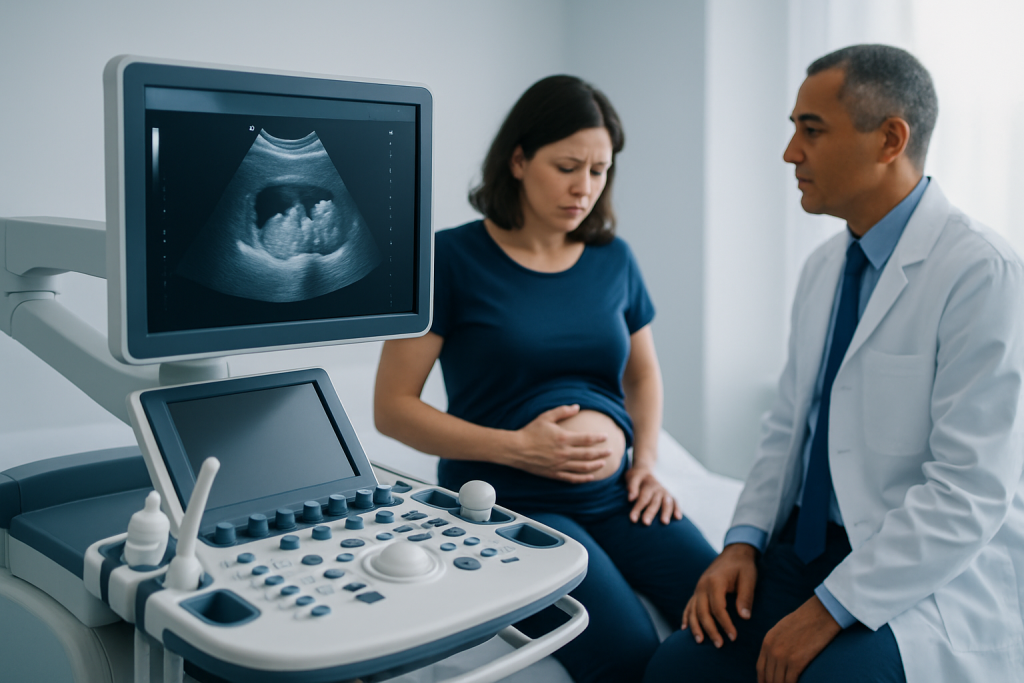
Back belly pain can feel dull, crampy, sharp, burning, or tight. It may stay in one place or move from the front of the body to the side or back. Some people notice it after eating, after lifting something heavy, during urination, during a menstrual cycle, or when they twist, cough, or lie down.
Associated symptoms are often the biggest clue. Digestive causes may bring bloating, nausea, vomiting, constipation, diarrhea, or heartburn. Kidney or urinary causes may be linked to pain in the flank, painful urination, urgency, cloudy urine, or blood in the urine. Muscular or spinal causes usually worsen with movement, pressure, or certain positions. In some cases, pain may radiate to the groin, chest, or shoulder, which can help doctors narrow the source.
It is also important to notice what is happening around the pain. A recent injury, heavy exercise, a new medication, unusual travel food, dehydration, or an infection exposure can all add useful context. When patients can describe these details clearly, assessment is usually more efficient and accurate.
Causes & Risk Factors

There is no single explanation for back belly pain, and the cause often depends on the exact location. Pain centered in the upper abdomen and back may be related to the stomach, gallbladder, pancreas, or ulcers. Lower abdominal pain that reaches the back may come from the intestines, urinary tract, reproductive organs, or the lower spine and muscles.
Common causes include digestive upset, constipation, trapped gas, acid reflux, muscle strain, kidney stones, urinary tract infection, gallbladder problems, menstrual cramps, and some inflammatory bowel conditions. Less commonly, pain that begins in the abdomen and moves to the back can be associated with more urgent conditions that require quick evaluation.
Risk factors vary by cause. A person may be more likely to have urinary or kidney-related pain if they are dehydrated or have a history of stones. Digestive symptoms can be more likely after dietary changes, infection, or stress. Musculoskeletal pain may follow lifting, repetitive work, poor posture, or a sudden twist. Older age, pregnancy, recent surgery, or a known medical condition can also change the level of concern and the next steps in care.
- Digestive triggers: constipation, bloating, food intolerance, infection, reflux
- Urinary triggers: dehydration, infection, kidney stones
- Muscle and spine triggers: strain, lifting, awkward posture, overuse
- Pelvic triggers: menstrual cramps, ovarian or prostate-related conditions
Diagnosis
Doctors usually begin by asking where the pain is, when it started, whether it is constant or comes in waves, and whether it changes with food, movement, urination, or bowel movements. They may also ask about fever, nausea, vomiting, constipation, diarrhea, urinary symptoms, pregnancy possibility, medications, and any prior abdominal or back problems.
A physical examination helps guide the next steps. The doctor may gently press on the abdomen, check the back and side muscles, look for tenderness over the kidneys, and assess whether movement changes the pain. Depending on the findings, tests may include urine studies, blood tests, imaging such as ultrasound or CT scan, or sometimes other examinations to rule out urgent causes.
For international patients, bringing a medication list, prior test results, and a brief written symptom timeline can be especially helpful. Even small details, such as whether the pain began after a long flight, a meal, an injury, or a urinary symptom, can make the diagnosis faster and more precise.
Treatment Options
Treatment depends entirely on the underlying cause. Mild muscle strain may improve with rest, gentle movement, heat, and avoiding heavy lifting for a short period. Digestive discomfort may respond to hydration, simple diet adjustments, and treatment for constipation or reflux when appropriate. A urinary infection, kidney stone, gallbladder problem, or inflammatory condition may need prescription medication, imaging, or specialist care.
Self-treatment should stay conservative until the cause is clearer. People should avoid taking multiple pain relievers without medical guidance, especially if they have kidney disease, stomach ulcers, are pregnant, or use blood thinners. If the pain is severe, worsening, or unexplained, the safest choice is prompt evaluation rather than repeated self-care.
In some cases, doctors may recommend observation with follow-up if the exam and tests suggest a minor issue. In other situations, treatment may involve targeted medication, fluids, further testing, or a procedure. The best plan is usually the one matched to the source of the pain, not just the location where it is felt.
Prevention & Self-care
Not every cause of back belly pain can be prevented, but a few practical habits may lower the chance of common triggers. Staying hydrated, moving regularly, and not ignoring constipation can reduce strain on the digestive and urinary systems. Good lifting technique, posture awareness, and gradual return to exercise can help protect the back and abdominal muscles.
People who know they are prone to reflux, gallbladder symptoms, kidney stones, or menstrual pain may benefit from tracking triggers and discussing them with a doctor. That record can be particularly useful for people arranging treatment abroad, since it helps the receiving team understand patterns that may not be obvious from a single visit.
Simple comfort measures can be reasonable for mild pain if there are no warning signs. These include resting, sipping fluids, applying warmth to sore muscles, and eating lightly until symptoms settle. If the pain does not improve, or if it returns repeatedly, it should be evaluated rather than managed indefinitely at home.
- Drink enough fluids unless a doctor has advised otherwise.
- Keep bowel habits regular with fiber, activity, and routine meals.
- Use careful lifting and avoid sudden twisting motions.
- Seek care early if pain follows injury, travel, or urinary symptoms.
When to See a Doctor
Medical assessment should be sought promptly if back belly pain is sudden, severe, persistent, or worsening. The same is true when the pain comes with fever, repeated vomiting, fainting, chest pain, shortness of breath, blood in the stool or urine, a swollen abdomen, or difficulty passing urine or stool. These features can signal conditions that need timely treatment.
It is also wise to see a doctor if the pain keeps returning, interferes with sleep or eating, or is linked to weight loss, ongoing diarrhea or constipation, or a new urinary or pelvic symptom. Pregnancy, recent surgery, immune problems, or a history of kidney stones, ulcers, or abdominal disease can lower the threshold for evaluation.
Back belly pain is often treatable once the cause is identified. If someone is traveling for care, a multidisciplinary team can help coordinate testing and follow-up; Acibadem Health Point’s specialists and JCI-accredited hospitals diagnose and treat this condition for international patients in a structured, coordinated way.
Living With the Symptom While Waiting for Assessment
When pain is present but not clearly dangerous, people often want to know how to get through the day safely while awaiting an appointment. The best approach is usually to keep activity light, avoid heavy meals if eating seems to worsen symptoms, and note any changes in pain pattern. A simple diary of time, location, triggers, bowel movements, urination, and temperature can be very useful later.
If the pain is likely muscular, short periods of gentle stretching may help, but anything that sharply increases discomfort should be stopped. If the pain feels digestive, smaller meals and adequate fluids may be easier than large or greasy meals. If symptoms seem to point to the urinary tract or kidneys, it is better not to delay care while trying repeated home remedies.
Most importantly, new or changing symptoms deserve attention. Back belly pain is a symptom that deserves thoughtful evaluation, not guesswork. A calm, step-by-step assessment usually leads to the right answer and the right relief.
Frequently asked questions
01What does back belly pain usually mean?
It means pain is being felt in both the abdomen and the back, but it does not point to one single disease. The cause may be digestive, urinary, muscular, pelvic, or sometimes something more urgent, so the pattern and other symptoms matter.
02Can gas cause pain in the back and stomach?
Yes, trapped gas and bloating can sometimes create pain that feels like it moves between the abdomen and back. If the discomfort is mild and settles with time, it is often less concerning, but severe or persistent pain should still be checked.
03How can someone tell if the pain is from the kidneys?
Kidney-related pain is often felt in the side or flank and may spread to the lower abdomen or groin. It may come with urinary symptoms, fever, nausea, or blood in the urine, which makes medical evaluation more important.
04Should back belly pain always be treated with pain medicine?
Not necessarily, because pain medicine can mask symptoms while the cause is still unclear. If the pain is new, severe, or accompanied by warning signs, it is better to be evaluated first rather than relying only on self-treatment.
05When is back belly pain an emergency?
It may be an emergency if it starts suddenly and severely, or if it comes with fainting, chest pain, trouble breathing, vomiting that will not stop, blood in stool or urine, or a hard swollen abdomen. Those symptoms need urgent medical attention.
06What information should a patient bring to the doctor?
A short timeline of when the pain started, where it is felt, what makes it better or worse, and any related symptoms is very helpful. A list of medicines, past test results, and recent travel or injury details can also make the visit more productive.
This article is for general information only and is not a substitute for professional medical advice. Please consult a qualified doctor about your individual situation.
Persistent digestive symptoms? Get evaluated in Turkey
JCI-accredited · board-certified surgeons · reply within 24h
Add us as a Preferred Source to see more of our trusted health content across Google Search, AI Overviews and Discover.