Back Ache and Leg Ache: Causes and Warning Signs
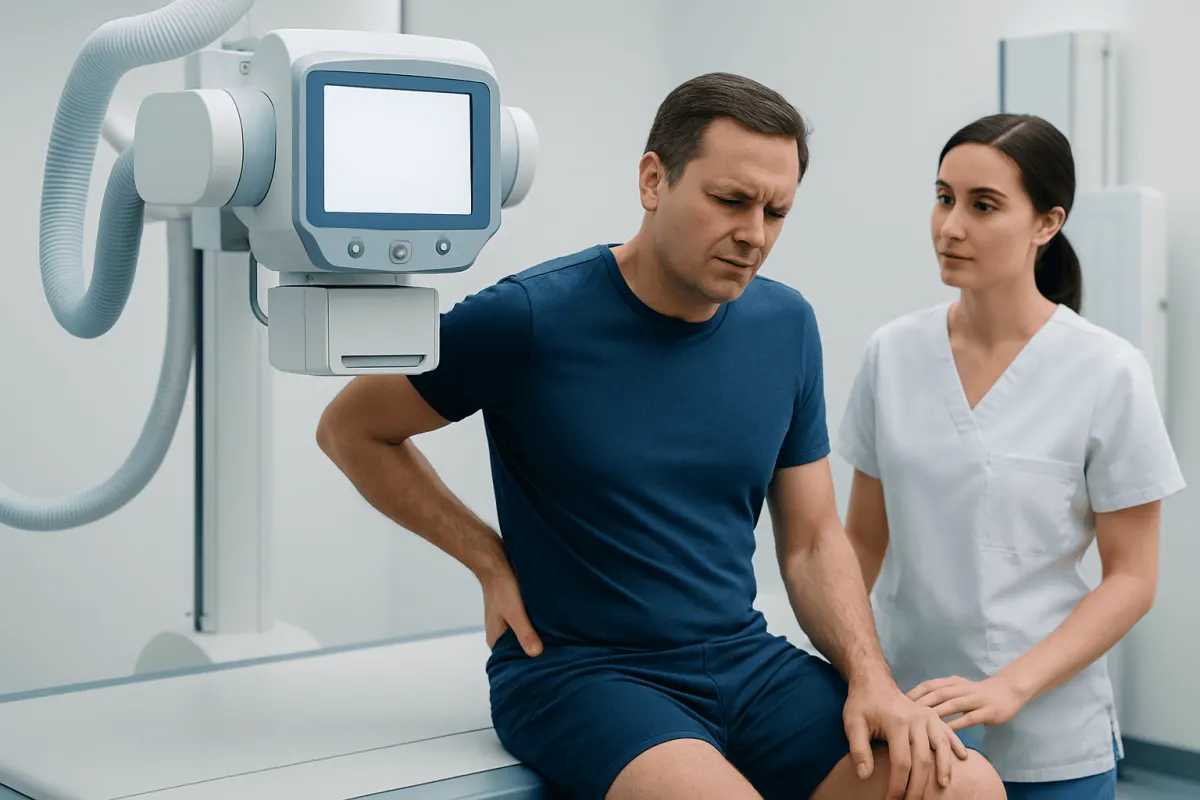
Back ache and leg ache can occur together when muscles, joints, or nerves in the lower back are irritated. Most episodes improve with appropriate self-care and guided activity, but the pattern of pain and any accompanying symptoms help determine whether medical evaluation is needed.
Overview: why back ache and leg ache can happen together
Back ache and leg ache commonly occur together because nerves that begin in the lower spine travel through the buttock and into each leg. When these nerves, the surrounding muscles, or spinal joints are irritated, discomfort may remain in the back or spread into the buttock, thigh, calf, or foot. The pain may feel dull and aching, sharp, burning, tingling, or electric depending on its cause.
Many cases begin after lifting, twisting, an unfamiliar activity, long periods of sitting, or gradual age-related changes in the spine. However, pain in the leg does not automatically mean that the back is the source. A hip problem, a blood vessel condition, a muscle or tendon injury, or a peripheral nerve disorder can create similar symptoms. Careful assessment of the location, timing, and associated symptoms helps clarify the cause.
For most people, uncomplicated low back pain improves over time with continued gentle movement, activity modification, and appropriate support. A clinician should assess persistent, severe, recurrent, or worsening symptoms, especially when they affect walking, sleep, work, or daily activities.
Pain patterns and symptoms that offer clues
Back-related leg pain often follows a recognizable pathway. Sciatica is a descriptive term for symptoms caused by irritation of the sciatic nerve roots, usually affecting one side. Pain may begin in the lower back or buttock and travel down the back or side of the leg. Coughing, sneezing, sitting, bending, or certain movements may increase symptoms. Tingling, numbness, or reduced strength in part of the leg or foot can occur when a nerve is affected.
Muscle and ligament strain more often causes local soreness, stiffness, and pain that changes with movement or position. Symptoms may be felt across the lower back and in the buttocks or upper thighs without traveling below the knee. Spinal arthritis or narrowing of the spinal canal may cause aching, heaviness, numbness, or cramping in one or both legs while walking or standing; some people feel better after sitting or leaning forward.
Symptoms outside this pattern deserve attention. Leg swelling, warmth, redness, or tenderness can indicate a problem in the leg rather than the spine. Calf pain that develops during walking and improves with rest may be related to blood flow. Groin pain and reduced hip movement can point toward the hip joint. These distinctions are important because treatment depends on the underlying cause.
Common causes and related conditions

Mechanical back pain is the most common explanation for back ache and leg ache. It can involve overworked muscles, strained ligaments, reduced conditioning, or irritation of the small joints of the spine. Contributing factors may include repetitive bending, heavy lifting, prolonged sitting, sudden changes in exercise, poor sleep, and physical or emotional stress. Mechanical pain is often temporary, though it may recur.
A bulging or herniated lumbar disc can irritate a nearby nerve root and cause radiating leg pain. Disc-related symptoms are more likely to include sharp shooting pain, pins and needles, or numbness. Degenerative disc changes, facet joint arthritis, and spinal stenosis, which is narrowing around the nerves, become more common with age and may contribute to persistent symptoms. Osteoporosis-related vertebral fractures are another consideration, particularly after a fall or in people with increased fracture risk.
Conditions not originating in the spine should also be considered. <a href="https://acibademhealthpoint.com/diseases/hip-osteoarthritis/”>Hip osteoarthritis, sacroiliac joint dysfunction, tendon problems, peripheral neuropathy, and vascular disease can cause leg discomfort. Rarely, infection, inflammatory disease, cancer, or a blood clot may cause back or leg pain. These conditions are not the usual cause, but clinicians look for warning signs that could suggest them.
- Risk factors for back-related symptoms include previous episodes, physically demanding work, inactivity, excess body weight, smoking, and reduced core or hip strength.
- Long journeys, recent surgery, immobility, pregnancy, some medications, and a previous blood clot can increase the likelihood of a clot in the leg.
- A history of cancer, immune suppression, fever, unexplained weight loss, or significant injury changes the urgency and type of assessment needed.
How clinicians assess back and leg pain
A clinician usually begins by asking where the pain started, where it travels, what makes it better or worse, and whether numbness, weakness, fever, injury, or changes in bladder or bowel function are present. They may ask about work, exercise, past illnesses, medications, recent travel, surgery, and symptoms in both legs. This history can often identify whether pain is likely mechanical, nerve-related, joint-related, vascular, or caused by another condition.
The physical examination may include observing posture and walking, checking back and hip movement, and assessing leg strength, reflexes, sensation, pulses, and swelling. Specific maneuvers can help determine whether a nerve root or hip joint is involved. A neurological examination is particularly important when pain travels below the knee, or when there is numbness or weakness.
Scans are not required for every new episode of back pain. In uncomplicated cases, early imaging may not change treatment and can show common age-related changes that are not necessarily the cause of pain. X-rays, magnetic resonance imaging, blood tests, or vascular ultrasound may be considered when symptoms persist despite initial care, when surgery or an injection is being considered, or when there are red flags for fracture, infection, nerve compression, cancer, or a blood clot.
Treatment options and recovery
Treatment is guided by the cause, symptom severity, and the person’s overall health. For many acute episodes, clinicians encourage staying as active as comfort allows rather than prolonged bed rest. Temporarily reducing movements that clearly aggravate pain, taking short walks, and gradually returning to normal activities can help prevent stiffness and loss of conditioning. Heat or cold may provide short-term comfort for some people.
A doctor or pharmacist can advise whether pain-relieving medicine is appropriate, taking into account kidney, stomach, heart, bleeding, pregnancy, and medication-interaction risks. Medicine is generally used as one part of a broader plan, rather than as the only approach. Physical therapy may include tailored movement, strengthening, flexibility, posture, pacing, and education about safe return to work or sport. Programs should be adjusted if an exercise increases radiating pain, numbness, or weakness.
When nerve compression, spinal stenosis, hip disease, or another defined condition is responsible, targeted care may be recommended. This can include specialist rehabilitation, selected injections, or surgery for a limited group of people with ongoing disabling symptoms or progressive neurological problems. A clinician can explain the likely benefits, limitations, and risks of each option. Treatment for vascular or clot-related causes differs substantially and should not be delayed.
Prevention and practical self-care
It is not possible to prevent every episode of back ache and leg ache, but regular movement can reduce the chance of recurring mechanical pain. Activities such as walking, swimming, cycling, or other low-impact exercise can support general fitness. Strengthening the trunk, hips, and legs gradually, with professional advice when needed, may improve movement control and confidence.
At work or during travel, changing position regularly is often more helpful than trying to maintain one “perfect” posture. People who sit for long periods can take brief movement breaks, while those who lift or perform repetitive tasks can use appropriate technique, bring loads close to the body, and seek help for objects that are too heavy or awkward. A balanced approach to activity, sleep, nutrition, and smoking cessation can also support musculoskeletal health.
For a new mild flare-up without warning signs, gentle mobility, pacing, and avoiding complete inactivity are reasonable first steps. It is helpful to note whether the pain is improving over days to weeks and whether it changes location or develops neurological features. Repeated episodes, pain that limits normal life, or uncertainty about the cause are good reasons to arrange a medical review.
When to seek medical care
Prompt emergency assessment is needed for back and leg pain accompanied by new loss of bladder or bowel control, inability to pass urine, numbness around the genitals or anus, or rapidly worsening weakness in one or both legs. These can be signs of serious nerve compression. Urgent assessment is also important after a major accident or fall, or when back pain occurs with fever, chills, severe illness, or a known high risk of infection.
A painful, swollen, warm, or red leg should be assessed urgently, particularly if symptoms began suddenly or follow recent immobility, surgery, or long-distance travel. Chest pain, shortness of breath, fainting, or coughing blood alongside leg symptoms requires emergency care. These symptoms can indicate a blood clot complication and should not be attributed to sciatica without assessment.
A non-emergency medical appointment is appropriate for pain that is severe, lasts longer than expected, repeatedly returns, spreads below the knee, causes numbness or weakness, or interferes with sleep and usual activities. People with a history of cancer, osteoporosis, inflammatory disease, or unexplained weight loss should seek advice sooner. Acıbadem Health Point’s multidisciplinary specialists in JCI-accredited hospitals can assess back and leg symptoms and coordinate care for international patients when appropriate.
Frequently asked questions
01Can a lower back problem cause pain in both legs?
Yes. Some spinal conditions, including spinal stenosis or central disc problems, can affect nerves supplying both legs. Bilateral symptoms should be evaluated, especially if they are associated with weakness, numbness, walking difficulty, or bladder or bowel changes.
02How can someone tell sciatica from a muscle ache?
Sciatica commonly causes pain that travels from the buttock down one leg and may include burning, tingling, numbness, or weakness. A muscle ache is more likely to remain in the back, buttock, or upper thigh and feel sore or stiff with movement. Only a clinical assessment can confirm the cause when symptoms overlap.
03Should a person rest in bed for back ache and leg ache?
Prolonged bed rest is usually not recommended for uncomplicated back pain because it can increase stiffness and reduce strength. Short periods of rest may be needed during severe pain, but gentle movement and a gradual return to usual activities are generally preferred. A clinician can advise on safe activity when pain is intense or nerve symptoms are present.
04When is leg pain a possible blood clot rather than sciatica?
A blood clot in a deep leg vein can cause swelling, warmth, redness, tenderness, or a persistent ache, often in one calf or thigh. Sciatica more often causes radiating, burning, or tingling pain that follows a path from the back or buttock. Any concern about a clot needs urgent medical assessment, particularly if there is shortness of breath or chest pain.
05Do all cases of back pain with leg pain need an MRI?
No. Many people with recent uncomplicated symptoms do not need imaging immediately and improve with conservative care. MRI may be useful when symptoms do not improve, when significant nerve deficits are present, or when the clinician suspects a serious underlying condition.
06Can walking help back ache and leg ache?
Gentle walking helps many people maintain mobility and avoid deconditioning, provided it does not substantially worsen symptoms. The distance and pace can be increased gradually as tolerated. A person should stop and seek medical advice if walking causes increasing weakness, severe pain, dizziness, or new neurological symptoms.
This article is for general information only and is not a substitute for professional medical advice. Please consult a qualified doctor about your individual situation.
Joint and spine care in Turkey — expert assessment & treatment
JCI-accredited · board-certified surgeons · reply within 24h
Add us as a Preferred Source to see more of our trusted health content across Google Search, AI Overviews and Discover.