ACL Repair Surgery: Who It Helps and Recovery Steps
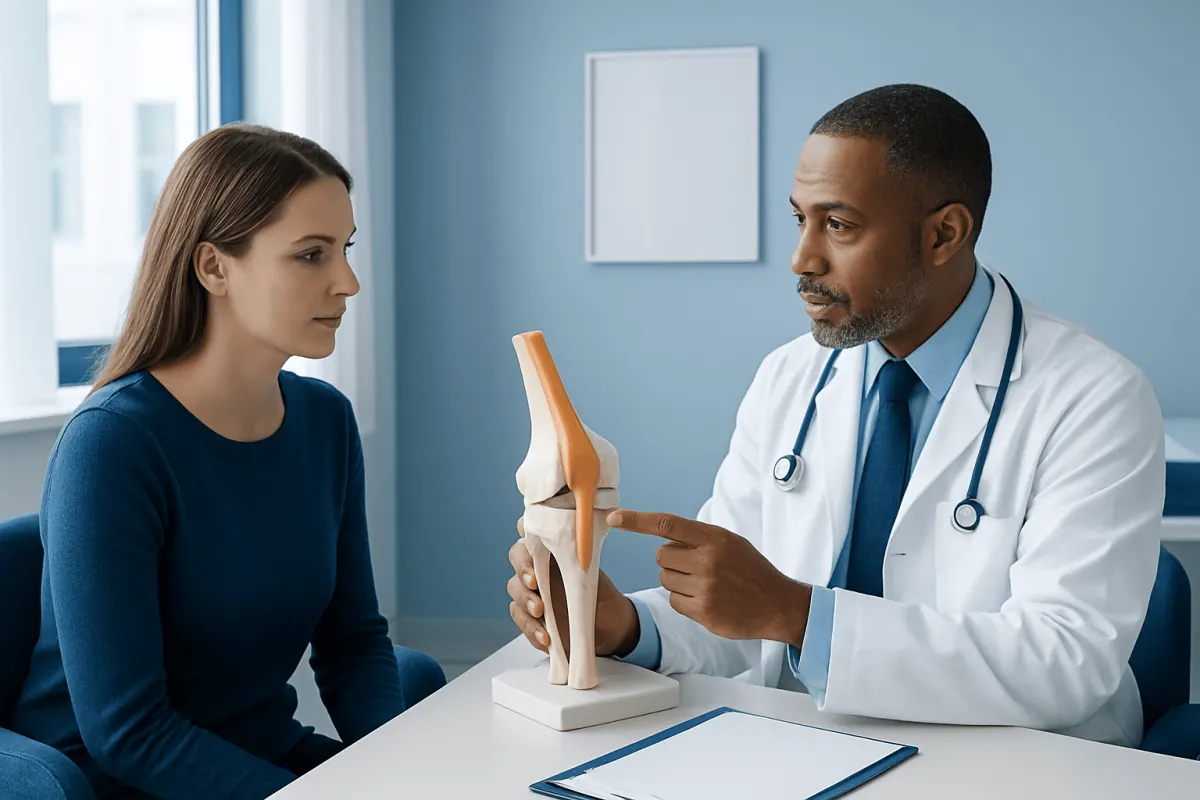
ACL repair surgery is a knee procedure used in selected patients with an anterior cruciate ligament (ACL) tear, particularly when the torn ligament can be preserved and reattached. Recovery depends on the injury, procedure, rehabilitation progress, and activity goals, with return to pivoting sports often taking many months.
ACL Repair Surgery: An Overview
ACL repair surgery is an operation that attempts to preserve and reattach a torn anterior cruciate ligament rather than replacing it with a graft. The ACL is one of the main ligaments inside the knee. It helps control forward movement and rotation of the shin bone, especially during turning, landing, or sudden changes in direction.
Not all ACL tears can be repaired. Repair is most often considered for a recent tear close to where the ligament attaches to the thigh bone, when the remaining ligament tissue is healthy enough to hold sutures. If the ligament is torn in the middle, is badly damaged, or has been injured for a long time, ACL reconstruction may be more appropriate. ACL reconstruction uses a tendon graft to create a new ligament.
The decision is individual. An orthopedic surgeon considers the tear pattern, knee instability, associated meniscus or cartilage injuries, age, activity level, general health, and the person’s goals. Some ACL tears can also be managed without surgery through targeted rehabilitation and activity modification.
Who May Be a Candidate for ACL Repair Surgery?
A person may be considered for ACL repair when imaging and arthroscopic assessment show a repairable ligament. The most favorable tears are usually acute proximal tears, meaning the ACL has separated near its attachment on the femur and the tissue quality remains good. Surgery is often performed relatively soon after injury, although the timing is determined by the knee’s swelling, range of motion, associated injuries, and the surgeon’s assessment.
People who experience repeated giving-way episodes, wish to return to pivoting sports, have physically demanding work, or have other knee injuries that require surgical treatment may be more likely to discuss operative options. However, high activity alone does not determine the best procedure. A stable knee, good muscle control, and realistic rehabilitation commitment are important for all treatment paths.
ACL repair may not be advised when the ligament is shredded, chronically deficient, detached in a location unsuitable for repair, or accompanied by factors that make durable healing less likely. In those situations, reconstruction or non-surgical management may be discussed. A related knee problem, such as a meniscus tear, can also influence the treatment plan and recovery restrictions.
How ACL Repair Surgery Is Performed
ACL repair surgery is usually performed arthroscopically under anesthesia. Arthroscopy uses a small camera and slim instruments inserted through several small incisions around the knee. The surgeon first examines the ACL and other structures, including the menisci, cartilage, and other ligaments, to confirm that repair remains appropriate.
If the tear is repairable, the surgeon places sutures in the torn ACL tissue and reattaches it to its original attachment area, often using small anchors. Depending on the technique and tear pattern, the repair may be reinforced with an internal support device designed to protect the healing ligament during early recovery. This support does not replace rehabilitation or allow an immediate return to sport.
Any additional injuries found during the procedure may be treated at the same time. For example, a meniscus repair can require a more protective early rehabilitation program. After surgery, the knee is dressed and may be placed in a brace. Most patients begin a supervised rehabilitation plan soon afterward, following the specific instructions of their surgical team.
- Assessment: The surgeon confirms the tear pattern and checks the rest of the joint.
- Preparation: The torn ACL tissue is prepared for reattachment.
- Repair: Sutures and anchors secure the ligament back to bone.
- Protection: A brace, crutches, and physiotherapy support early healing.
Benefits, Limitations, and Possible Risks
The potential benefit of ACL repair is preservation of the person’s own ligament tissue. Because no tendon graft is taken, repair may avoid discomfort or weakness at a graft-harvest site. The operation is also typically performed through small arthroscopic incisions. For carefully selected tears, it may help restore stability and support a return to desired activities.
It is important to understand that ACL repair is not automatically better than reconstruction. Long-term outcomes depend on the type of tear, surgical technique, rehabilitation quality, and the demands placed on the knee. A repaired ACL may fail to heal adequately or may tear again, particularly with premature return to cutting, pivoting, or contact sports.
Possible surgical risks include infection, bleeding, blood clots, anesthesia-related complications, stiffness, persistent pain or swelling, numbness around the incisions, and injury to nearby nerves or blood vessels. There can also be ongoing instability, a need for further surgery, or development of <a href="https://acibademhealthpoint.com/diseases/knee-osteoarthritis/”>knee osteoarthritis over time after an ACL injury. The surgical team reviews individual risks and preventive measures before the procedure.
ACL Surgery Recovery Timeline and Rehabilitation
Recovery after ACL repair surgery is progressive rather than fixed to a calendar. The first days focus on managing pain and swelling, protecting the repair, gently restoring knee extension and bending, and activating the quadriceps muscle. Crutches and a brace are commonly used at first, but their duration varies based on the repair technique and whether other procedures, such as meniscus repair, were performed.
During the first several weeks, physiotherapy typically emphasizes safe walking mechanics, range of motion, swelling control, and gradual strengthening. Over the following months, rehabilitation advances toward balance, single-leg control, strength symmetry, running preparation, and sport-specific movement. Progression should be guided by symptoms, examination findings, strength testing, and functional milestones rather than by time alone.
Many people can return to everyday tasks well before they are ready for sport. Running, jumping, pivoting, and contact activities place much greater stress on the knee and require careful assessment. Return to demanding sport is often considered only after several months of structured rehabilitation, when the surgeon and physiotherapist confirm adequate healing, strength, movement quality, and confidence.
At Acıbadem Health Point, multidisciplinary orthopedic and rehabilitation specialists at JCI-accredited hospitals can assess ACL injuries and coordinate surgical and non-surgical care for international patients.
Can You Recover 100% From ACL Surgery?
Some people regain excellent knee stability, strength, confidence, and function after ACL surgery, and many return to their preferred daily activities or sports. However, no surgeon can promise a complete or identical return to pre-injury performance. Recovery is influenced by the initial injury, cartilage or meniscus damage, procedure type, rehabilitation adherence, muscle strength, movement patterns, and the physical demands of the person’s activities.
A successful recovery should be measured by more than the ability to walk without pain. It includes near-full knee motion, strong quadriceps and hamstrings, good balance and landing control, stable movement during activity, and readiness for the individual’s goals. Completing rehabilitation and following return-to-sport testing can improve safety and confidence.
Even after a good recovery, protecting knee health remains important. Continuing strength and neuromuscular training, using good technique during sport, and avoiding an abrupt increase in training load can help lower reinjury risk. New swelling, catching, locking, pain, or instability should be assessed rather than pushed through.
What's the Worst Day After ACL Surgery?
There is no single worst day for everyone. For many patients, discomfort and swelling are most noticeable during the first few days after surgery, often as the effects of anesthesia and initial pain control wear off. Sleep disruption, the effort of using crutches, and difficulty finding a comfortable position can also make this early period feel challenging.
Pain should be managed using the plan provided by the surgical team, which may include prescribed medication, icing if advised, elevation, and regular gentle movement. Taking medication only as directed and beginning rehabilitation exercises as instructed can support a more comfortable recovery. It is helpful to arrange practical support at home for the first days, especially with meals, transportation, and stairs.
Severe or worsening pain that is not relieved by the prescribed plan should not be ignored. The patient should contact the surgical team promptly if pain is accompanied by fever, increasing redness or drainage from the incision, marked calf swelling, chest pain, shortness of breath, or new loss of sensation.
Can I Drive 2 Weeks After ACL Surgery?
Driving two weeks after ACL surgery may be possible for some people, but it is not safe or appropriate for everyone. The decision depends on which knee was operated on, whether the person has stopped taking sedating pain medicines, the ability to enter and exit the vehicle safely, knee motion and strength, and the ability to perform an emergency stop without hesitation or pain.
Right-knee surgery may delay driving because braking requires quick, forceful control of that leg. People with left-knee surgery who drive an automatic vehicle may sometimes return earlier, but they still need clearance from their surgeon. A brace, crutches, ongoing swelling, or restricted weight-bearing can also make driving unsafe.
Patients should not drive until their surgical team says it is appropriate and they are confident they can control the vehicle safely. Insurance or local legal requirements may also apply. Arranging alternative transport for follow-up appointments and physiotherapy is sensible during the early recovery period.
Frequently asked questions
01How long after ACL surgery can I walk normally?
Many people begin walking with crutches soon after surgery, but the time needed to walk with a normal, non-limping gait varies. It may take several weeks or longer, especially if there was a meniscus repair, restricted weight-bearing, substantial swelling, or difficulty regaining quadriceps control. The goal is not to stop crutches quickly, but to walk safely without compensating or limping.
02Is ACL repair the same as ACL reconstruction?
No. ACL repair reattaches and preserves the person’s torn ligament when the tear pattern and tissue quality allow it. ACL reconstruction replaces the damaged ligament with a tissue graft. An orthopedic surgeon determines which option is suitable after evaluating the injury and, in some cases, inspecting the knee arthroscopically.
03How soon can I return to work after ACL repair surgery?
Return to work depends on the role, commute, operated knee, and recovery restrictions. Desk-based work may be possible earlier than work involving standing, climbing, lifting, kneeling, or rapid direction changes. The surgeon and physiotherapist can provide guidance based on knee control, pain, mobility, and safety requirements.
04When can I start running after ACL repair surgery?
Running should begin only when the knee has adequate motion, minimal swelling, good single-leg control, and sufficient strength. This is commonly considered after an initial period of rehabilitation, but timing varies considerably between patients and procedures. Starting too early can overload the healing ligament and surrounding tissues.
05Will I need physiotherapy after ACL repair surgery?
Yes, rehabilitation is a central part of recovery after ACL repair surgery. A physiotherapist helps restore motion, reduce swelling, rebuild strength, improve balance and movement control, and prepare the knee for work or sport. Attending sessions and completing the prescribed home program are both important.
06When should I seek medical care after ACL surgery?
Patients should contact their surgical team for worsening pain, increasing redness or drainage from the wound, fever, unusual swelling, or a sudden decline in knee function. Urgent medical care is needed for chest pain, shortness of breath, fainting, or significant calf pain and swelling, as these may signal a serious complication. Any new injury or episode of the knee giving way should also be assessed.
This article is for general information only and is not a substitute for professional medical advice. Please consult a qualified doctor about your individual situation.
Joint and spine care in Turkey — expert assessment & treatment
JCI-accredited · board-certified surgeons · reply within 24h
Add us as a Preferred Source to see more of our trusted health content across Google Search, AI Overviews and Discover.