AV Graft vs Fistula: Which Dialysis Access Fits?
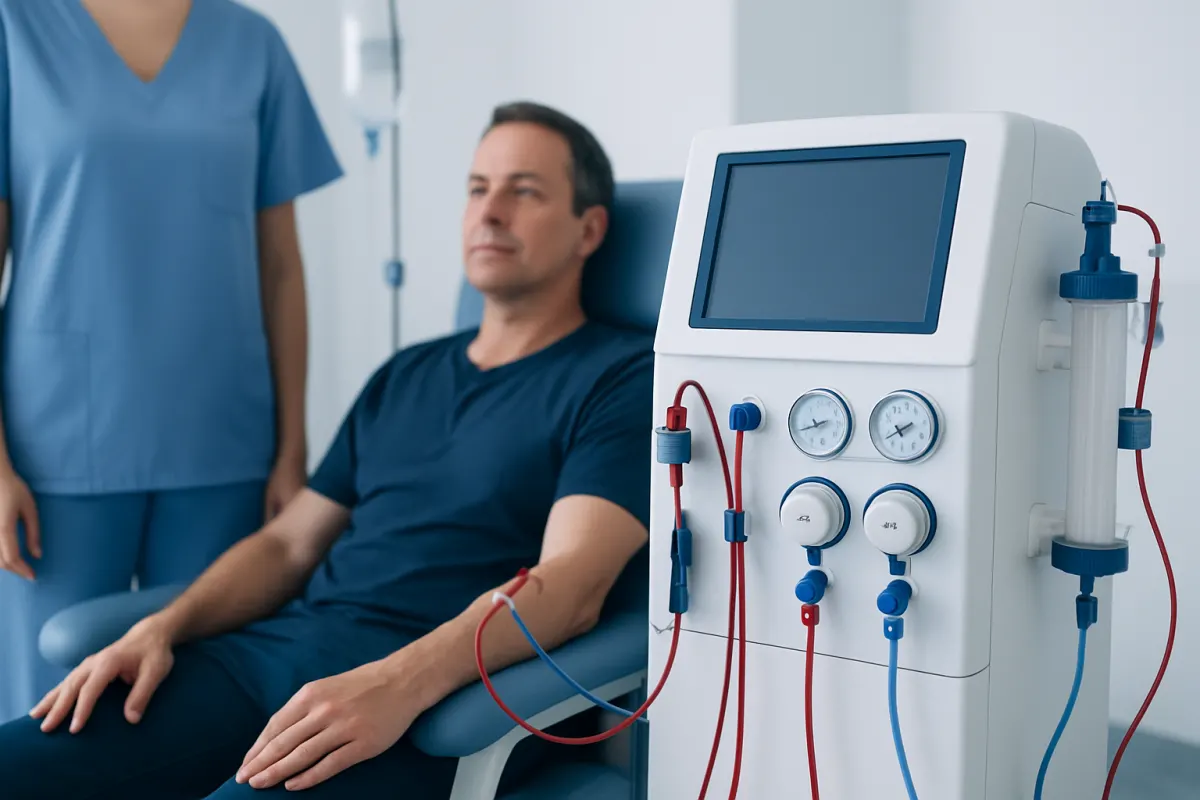
An arteriovenous (AV) fistula and an AV graft both provide reliable blood access for hemodialysis, but they are made differently and have different benefits. A fistula uses a person’s own blood vessels and is usually preferred when possible; a graft uses a synthetic tube and may be appropriate when natural vessels cannot support a fistula.
AV Graft vs Fistula: A Side-by-Side Comparison
For people preparing for hemodialysis, an AV fistula and an AV graft are two surgical ways to create vascular access: a place where dialysis needles can safely reach the bloodstream. In an AV graft vs fistula comparison, a fistula is generally the preferred long-term option because it uses the person’s own artery and vein and tends to have fewer complications. A graft may be selected when veins are too small, damaged or otherwise unsuitable for a fistula, or when dialysis access is needed sooner.
| Feature | AV fistula | AV graft |
|---|---|---|
| How it is made | An artery is surgically joined directly to a nearby vein. | An artery and vein are connected using a synthetic tube, usually placed under the skin. |
| Time before use | Often needs weeks to months to mature. | Often ready sooner, depending on graft type and healing. |
| Durability | Usually lasts longer when it matures and functions well. | Usually requires more maintenance and may need replacement sooner. |
| Infection risk | Generally lower. | Generally higher because synthetic material is present. |
| Clotting and narrowing | Can occur, but is usually less frequent. | More common and may require procedures to restore flow. |
| Typical use | Preferred when suitable vessels and enough preparation time are available. | Considered when a fistula is not feasible or cannot mature in time. |
The terms “fistula,” “graft” and “shunt” are sometimes used loosely in everyday conversation. In dialysis care, an AV fistula is a direct artery-to-vein connection, whereas an AV graft is an implanted conduit between the vessels. A “shunt” may refer broadly to either type of surgically created dialysis access, so it is helpful to ask the care team which access is being discussed.
How to Tell the Difference Between Graft and Fistula
How to tell the difference between graft and fistula? A fistula is made from a person’s own blood vessels. After surgery, the connected vein gradually becomes larger and stronger because it receives higher-pressure arterial blood flow. It may look like a prominent, winding vein under the skin, commonly in the forearm or upper arm.
An AV graft is a soft synthetic tube placed beneath the skin to bridge an artery and a vein. It often feels more like a straight or gently curved tube than a natural vein. Both a working fistula and graft usually have a vibration, called a thrill, that can be felt over the access, and a whooshing sound, called a bruit, that clinicians can hear with a stethoscope.
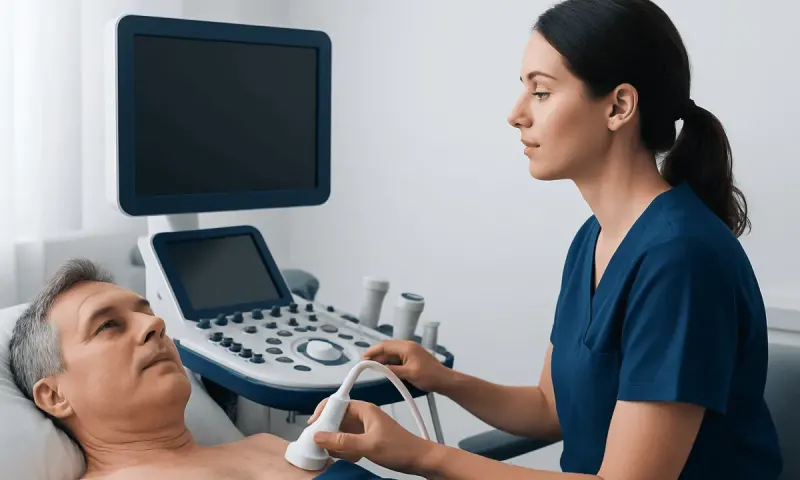
Appearance alone cannot reliably confirm which type of access a person has. The surgical record, dialysis team and vascular specialist can identify it, and an ultrasound may be used to check its structure and blood flow. Patients should not press hard on the access, attempt to test it with instruments or make decisions based only on its appearance.
Can You Show Me Pictures of a Dialysis Graft Compared to a Fistula?

Can you show me pictures of a dialysis graft compared to a fistula? This article cannot provide clinical photographs, but the key visual difference is anatomical. A fistula may appear as an enlarged natural vein that develops over time after direct connection to an artery. A graft is typically a visible or palpable loop or line beneath the skin, created by the implanted tube joining two blood vessels.
Photographs can be misleading because access sites vary by body shape, surgical location, skin tone, healing stage and prior procedures. Some fistulas are deep and are not prominent on the surface, while some grafts are less visible after swelling settles. The most useful way to understand an individual access is for the dialysis nurse, nephrologist or vascular surgeon to explain the location and expected feel during an examination.
People should contact their dialysis unit if the access changes suddenly in size, color or tenderness, or if the usual vibration cannot be felt. These changes may indicate reduced blood flow or another complication and should not be assessed from online images alone.
AV Fistula vs Graft Indications: How Clinicians Choose
The choice between an AV fistula vs graft for dialysis is individualized. Before access surgery, clinicians usually assess the arteries and veins using a physical examination and duplex ultrasound vessel mapping. They consider vessel diameter and quality, blood flow, circulation in the hand, prior catheters or access operations, medical conditions such as diabetes or peripheral artery disease, and whether dialysis is likely to begin soon.
A fistula is often recommended when there are suitable vessels and sufficient time for maturation. It may be created at the wrist, forearm or upper arm. Because it uses the body’s own vessels, it is associated with lower rates of infection and clotting than a graft once it is established. However, some fistulas do not develop enough blood flow or vein size for dependable needle use and may need further procedures.
An AV graft may be a reasonable choice when veins are inadequate for a fistula, when previous fistulas have failed, or when a person needs access before a new fistula would be ready. If dialysis must begin urgently, a central venous catheter may sometimes be used temporarily while a fistula or graft heals. For people with advanced kidney disease, timely discussion of dialysis planning and chronic kidney disease care can help preserve access options.
Access planning is not a one-size-fits-all decision. The care team balances the benefits of a durable access with the person’s health goals, likelihood of dialysis need, anatomy and preferences. Shared decision-making is especially important for people who have complex vascular disease, repeated access complications or uncertain timing of kidney replacement therapy.
What Are the Disadvantages of an AV Graft?
What are the disadvantages of an AV graft? The main disadvantages are a higher chance of infection, clotting and narrowing of the blood vessels around the graft compared with a well-functioning fistula. Narrowing, also called stenosis, can reduce dialysis flow and encourage clot formation. Maintaining a graft may therefore involve more monitoring and, at times, procedures such as angioplasty or clot removal.
Because an AV graft contains synthetic material, infections can be more difficult to treat and occasionally require removal of part or all of the graft. Grafts can also develop swelling, bleeding after needle removal, skin thinning over the graft, or a bulging area called a pseudoaneurysm. These concerns do not mean a graft is inappropriate; for many people, it remains an important and effective dialysis access option.
There are also practical considerations. Needles must be placed carefully to protect the graft and surrounding skin, and repeated puncture can affect the access over time. The dialysis team checks blood flow and access function routinely and may refer a patient for angioplasty or another access-preserving procedure when a narrowing is suspected.
Which Lasts Longer, AV Graft or Fistula?
Which lasts longer, AV graft or fistula? An AV fistula generally lasts longer than an AV graft when it matures successfully and remains usable. Fistulas also tend to have fewer infections and fewer episodes of clotting, which can reduce the need for repeat procedures. For this reason, a fistula is commonly considered the preferred permanent hemodialysis access when a person’s blood vessels are suitable.
However, durability is not guaranteed for either option. A fistula can fail to mature, become narrowed or clot, while a graft can provide dependable access for a meaningful period with careful monitoring and treatment of problems. The better option is the one that can be created safely, used effectively and maintained in the context of the individual’s vascular anatomy and dialysis plan.
Protecting any access supports its lifespan. Patients are usually advised not to allow blood pressure measurements, blood draws or intravenous lines in the access arm unless their clinical team specifically advises otherwise. They should avoid tight clothing or jewelry over the site, avoid sleeping with pressure on it, and follow the dialysis team’s instructions about checking for the usual vibration each day.
What to Do for Each Type of Dialysis Access
After fistula surgery, the access needs healing time and may need exercises recommended by the surgical team to encourage vein development. A clinician will examine the fistula and may use ultrasound before it is first cannulated. If maturation is delayed, targeted treatment may sometimes improve blood flow or address narrowing.
After graft surgery, the site also needs time to heal, though many grafts can be used earlier than fistulas. The exact timing depends on the graft type, wound healing and the surgeon’s guidance. Patients should keep the incision clean and dry as instructed, attend access checks and report any concerning changes rather than waiting for the next planned dialysis session.
During dialysis, staff monitor pressures and blood flow through the access. Between treatments, patients can help by checking for the familiar thrill, watching the skin and avoiding trauma to the arm. Eating, fluid intake, medications and blood pressure targets should be managed according to the nephrology team’s individual advice, since these factors may affect overall vascular health.
Acıbadem Health Point’s multidisciplinary kidney, nephrology and vascular specialists at JCI-accredited hospitals evaluate and treat dialysis access needs for international patients, with care plans tailored to the person’s condition and treatment goals.
When to Seek Medical Care
People should contact their dialysis unit or treating clinician promptly if the usual vibration over a fistula or graft becomes weaker, changes markedly or disappears. Other reasons for urgent advice include new swelling of the arm or hand, increasing pain, redness, warmth, drainage, fever, prolonged bleeding after dialysis or difficulty using the access during treatment.
Emergency evaluation is important for heavy bleeding that does not stop with firm direct pressure, sudden severe pain, a cold, pale or blue hand, shortness of breath, chest pain, fainting or signs of severe infection. If significant bleeding occurs, the person should apply direct pressure with a clean cloth or dressing and seek emergency help; they should not use a tourniquet unless specifically instructed by emergency professionals.
Regular monitoring gives access problems the best chance of being treated early. A nephrologist, dialysis nurse and vascular surgeon can evaluate symptoms, review dialysis performance and arrange imaging or intervention where needed. Early assessment may help preserve the access and avoid the need for temporary catheter use.
Frequently asked questions
01Is an AV fistula always better than an AV graft?
An AV fistula is often preferred because it generally lasts longer and has a lower risk of infection and clotting. However, it is not always possible to create or mature a fistula successfully. An AV graft can be the more suitable option when veins are not adequate or dialysis access is needed sooner.
02How long does an AV fistula take to mature?
A fistula commonly needs several weeks to a few months to become large and strong enough for reliable dialysis needles. The timing varies based on the location of the fistula, blood vessel health and individual healing. The dialysis or surgical team confirms when it is ready to use.
03Can an AV graft be used immediately after surgery?
Most standard grafts need a period of healing before they are cannulated for dialysis, although this is often shorter than for a fistula. Some specially designed early-use grafts may be suitable sooner in selected circumstances. The surgeon and dialysis team determine safe timing for each person.
04What does a normal dialysis access feel like?
A functioning fistula or graft often has a gentle buzzing vibration, known as a thrill. It should not become suddenly painful, red, hot or severely swollen. A noticeable reduction or loss of the usual vibration should be reported promptly to the dialysis team.
05Why can a fistula or graft clot?
Clotting often develops when blood flow slows, commonly because of a narrowing in or near the access. Low blood pressure, compression of the access arm and some individual health factors may also contribute. Early assessment can sometimes restore flow and protect the access.
06Can a person have more than one fistula or graft over time?
Yes. If an access stops working or cannot be maintained, clinicians may assess other blood vessels for a new fistula or graft. Preserving veins and following access-care instructions can help keep future options available.
This article is for general information only and is not a substitute for professional medical advice. Please consult a qualified doctor about your individual situation.
Explore treatments in Turkey — costs, top hospitals & a free quote
JCI-accredited · board-certified surgeons · reply within 24h
Add us as a Preferred Source to see more of our trusted health content across Google Search, AI Overviews and Discover.