

Autism in 3 Yr Old Symptoms: Signs, Causes and When to See a Doctor
- 8 min read
- Published November 27, 2026
Key Takeaways
- Signs may include limited speech, reduced eye contact, repetitive behaviors, and difficulty with pretend play.
- Autism spectrum disorder is a developmental condition; it is not caused by parenting.
- A diagnosis is based on history, observation, and developmental screening rather than one single test.
- Early support can improve communication, learning, and daily routines.
- If concerns appear, a pediatrician or developmental specialist should evaluate the child.
- Families can track behaviors, language, and social responses before the visit to help guide assessment.
Autism in a 3-year-old often appears through differences in communication, social interaction, play, and behavior. Recognizing these signs early can help families seek a pediatric evaluation and the right support without delay.
Overview
When parents search for autism in 3 yr old symptoms, they are usually trying to understand whether a child’s communication, play, or behavior is simply part of individual development or something that deserves a closer look. At age three, many children are learning to speak in short sentences, play alongside others, point to share interests, and respond to simple social cues. Autism spectrum disorder can affect some of these skills in noticeable ways.
Autism is a neurodevelopmental condition, which means it begins early in brain development and influences how a child communicates, interacts, and processes the world. It is called a spectrum because signs and support needs can vary widely from one child to another. Some children speak well but struggle with social reciprocity, while others may have very limited speech and need more support in daily life.
For families, the most useful question is not whether every sign is present, but whether a pattern is emerging. A child who consistently avoids eye contact, does not respond to name, shows limited pretend play, or becomes very distressed by routine changes may benefit from a developmental evaluation. Early attention does not label a child unnecessarily; it opens the door to understanding and support.
Symptoms: What autism can look like at age 3
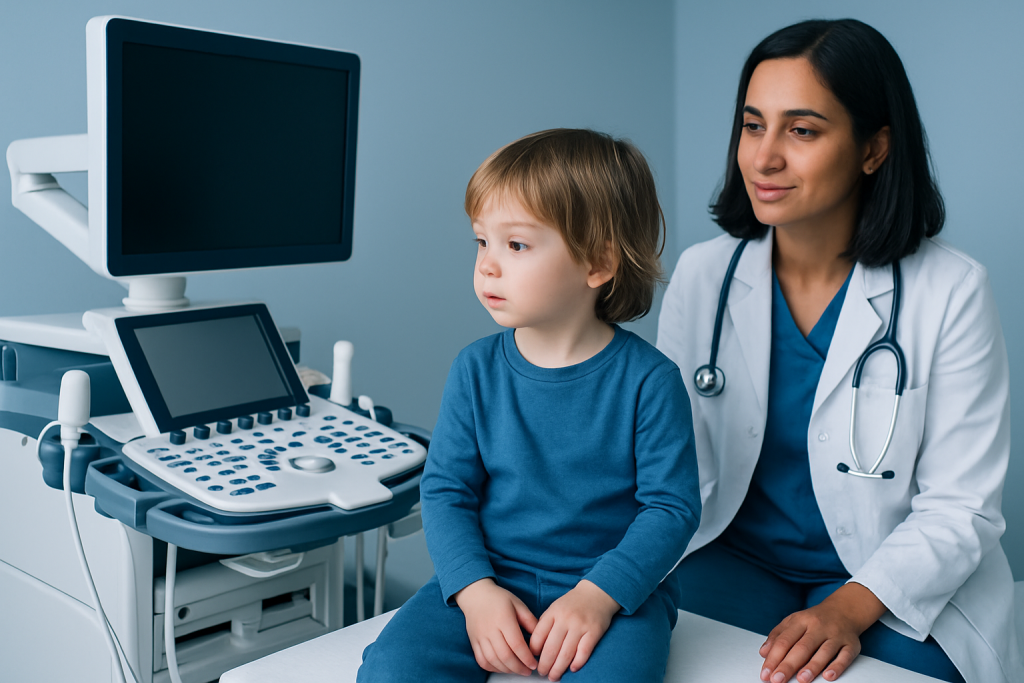
Autism in a 3-year-old often shows up in social communication first. Some children may use fewer words than expected, echo words or phrases instead of using language flexibly, or seem interested in objects but less interested in people. Others may speak in sentences yet have trouble starting conversations, sharing attention, or understanding simple back-and-forth interaction.
Social signs can be subtle. A child may not turn when called, may use limited facial expressions, or may not point to show something interesting. Pretend play can also be reduced; for example, the child may line up toy cars repeatedly rather than feeding a doll, acting out make-believe stories, or joining another person’s play.
Behavioral patterns are another clue. Repetitive movements such as hand flapping, rocking, spinning, or repeating the same play sequence can be common. Some children prefer strict routines, notice small changes intensely, or have unusual responses to sounds, textures, lights, or food textures. These features do not diagnose autism on their own, but a consistent cluster of them is worth discussing with a pediatrician.
- Limited or delayed speech
- Reduced eye contact or social sharing
- Not responding consistently to name
- Repetitive movements or play
- Strong need for sameness or routines
- Sensory sensitivities or unusual sensory seeking
Causes & Risk Factors

There is no single known cause of autism. Current evidence shows that autism develops from a combination of genetic and early brain-development factors. It is not caused by poor parenting, and families should not blame themselves when a child receives a diagnosis.
Risk is influenced by several factors, including family history of autism or related developmental differences, certain genetic conditions, and some prenatal or birth-related factors. These associations do not mean a child will develop autism, only that the likelihood may be different. In many children, no specific trigger is identified.
Parents sometimes ask whether a child’s diet, screen time, or temperament can “cause” autism. These factors may affect behavior and daily functioning, but they do not explain autism itself. The more practical focus is on understanding the child’s developmental profile, then choosing support that matches the child’s needs.
How doctors evaluate a 3-year-old
Diagnosis begins with a careful developmental history. A doctor may ask when the child first smiled, pointed, said first words, began pretend play, and responded to social interaction. The family’s observations matter a great deal, especially when examples come from home, daycare, or preschool settings.
In the clinic, specialists typically observe the child’s communication, eye contact, gestures, play style, and response to social cues. Developmental screening tools may be used, and hearing or vision testing may be recommended to rule out other reasons for delayed communication. If autism is suspected, the child may be referred to a developmental pediatrician, child neurologist, psychologist, or speech-language therapist for a broader assessment.
No single blood test or scan confirms autism. Instead, professionals combine observation, history, and standardized developmental tools. This process helps distinguish autism from speech delay alone, language disorder, hearing issues, anxiety, intellectual disability, or other developmental conditions that can look similar at first glance.
Treatment Options
There is no medication that treats autism itself, but there are many ways to support development and daily life. The most effective plans are individualized and often combine speech-language therapy, occupational therapy, behavioral interventions, parent coaching, and educational support. The goal is to build communication, reduce frustration, and strengthen participation in family and school routines.
Speech therapy can help a child use words, gestures, pictures, or devices to communicate more effectively. Occupational therapy may address sensory needs, motor planning, feeding concerns, and self-care skills. Behavioral and developmental approaches can support attention, flexibility, and social learning in a structured and practical way.
Some children also have sleep difficulties, attention challenges, anxiety, or gastrointestinal issues that may need separate evaluation. A good treatment plan looks at the whole child, not only the autism diagnosis. For families traveling from another country, care planning is often smoother when the evaluation, therapy recommendations, and follow-up schedule are coordinated before the return home.
Prevention & Self-care
Autism cannot currently be prevented, but early recognition can make a meaningful difference in how quickly support begins. Families do not need to wait for a formal diagnosis before asking questions or requesting screening. If a child is missing several developmental milestones, early referral is appropriate.
At home, simple routines can help children feel secure and reduce stress. Clear one-step instructions, predictable transitions, visual schedules, and calm repetition often work better than long explanations. Parents may also find it helpful to note what the child enjoys, what triggers distress, and which communication methods work best.
Self-care for caregivers matters too. Managing uncertainty can be tiring, especially when families are navigating appointments, therapy decisions, or care across borders. It can help to keep a written log of behaviors, gather videos that show concerns, and bring previous reports or screening results to appointments so the assessment team can work efficiently.
- Track language, play, and social responses over time
- Use consistent daily routines when possible
- Encourage communication in any effective form, including gestures
- Seek hearing and developmental checks when concerns appear
- Share observations from daycare or preschool with the clinician
When to See a Doctor
It is reasonable to speak with a doctor if a 3-year-old does not use words or simple phrases as expected, does not respond to name, rarely points or shows objects, or seems uninterested in social interaction. Concerns about repetitive behaviors, unusual sensory reactions, or loss of skills that were previously present should also be taken seriously and assessed promptly.
Parents should not wait for a child to “grow out of it” if the pattern is persistent. Early evaluation is especially important when language delay is combined with social differences, because speech delay alone does not fully explain the broader picture in some children. A timely visit can clarify what is typical variation and what deserves support.
If a family is seeking a fuller developmental assessment, Acibadem Health Point’s multidisciplinary specialists and JCI-accredited hospitals can diagnose and treat autism-related developmental concerns for international patients. The important next step remains the same: arrange a qualified pediatric evaluation and discuss the child’s specific needs.
Frequently asked questions
01What are the most common autism in 3 yr old symptoms?
Common signs include limited speech, reduced eye contact, not responding consistently to name, repetitive play or movements, and difficulty with pretend play. Some children also show strong preferences for routines or unusual sensory reactions. A combination of signs is more important than any single behavior.
02Can a 3-year-old have autism even if they talk?
Yes. Some autistic children speak well but still have difficulty with social back-and-forth, flexible conversation, or understanding gestures and emotions. Speech alone does not rule autism in or out.
03Is delayed speech always a sign of autism?
No. Speech delay can happen for many reasons, including hearing problems or isolated language delay. Autism is more likely when speech differences occur alongside social and behavioral signs.
04How is autism diagnosed in a toddler?
Diagnosis is based on developmental history, observation, and standardized screening or assessment tools. Doctors may also check hearing and look for other developmental or medical conditions that could affect communication.
05What should parents do if they suspect autism?
They should schedule a pediatric evaluation and share specific examples of the child’s behaviors. Notes or short videos can be helpful, especially when signs vary between home and daycare.
06Can early support help before a formal diagnosis?
Yes. Many children benefit from early speech, developmental, or occupational support while the evaluation is underway. Early help can reduce frustration and improve communication and daily functioning.
This article is for general information only and is not a substitute for professional medical advice. Please consult a qualified doctor about your individual situation.
Explore treatments in Turkey — costs, top hospitals & a free quote
JCI-accredited · board-certified surgeons · reply within 24h
Add us as a Preferred Source to see more of our trusted health content across Google Search, AI Overviews and Discover.



How can we help you today?
Meet an Acibadem specialist by secure video, before you travel.
Book a video visit