At-Home Iron Level Tests: How Finger-Prick Results Help
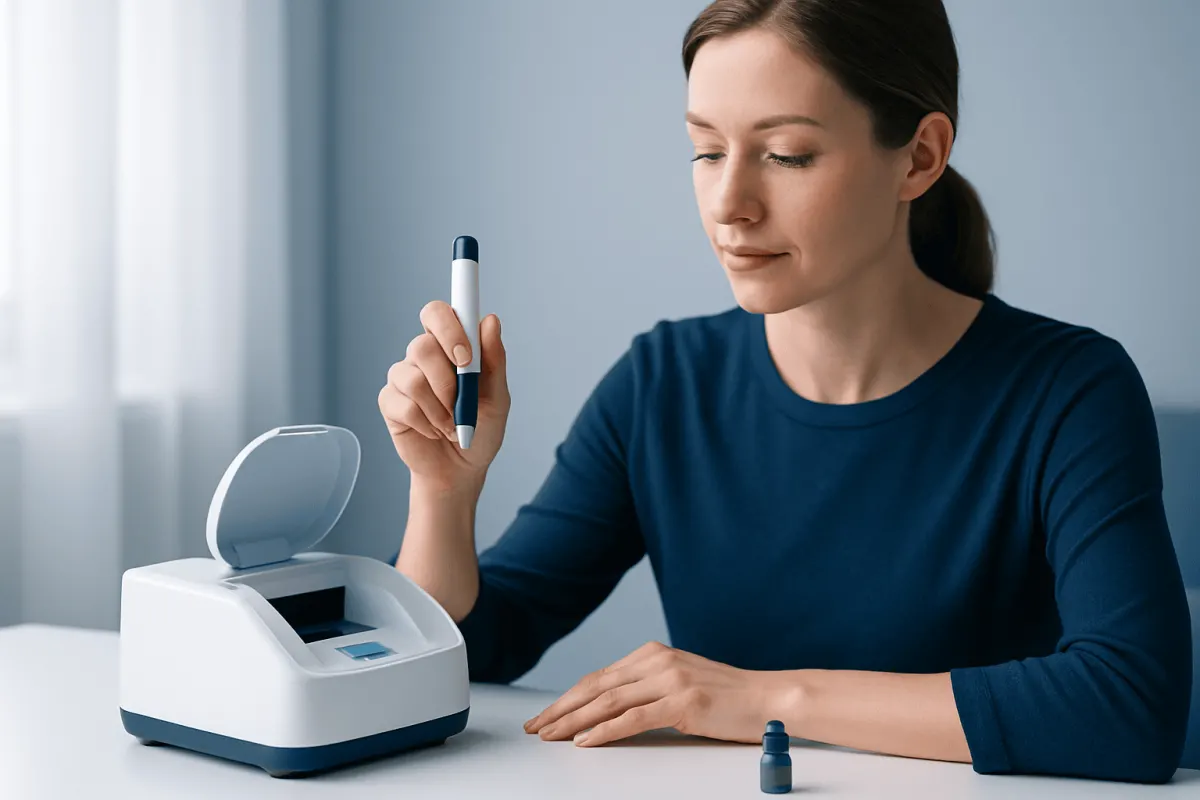
An at home iron level test usually involves collecting a small finger-prick blood sample and sending it to a laboratory or reading it with a home device, depending on the kit. It can be a convenient first step, but abnormal, unclear, or symptom-related results should be reviewed with a qualified healthcare professional.
Overview: What Is an At Home Iron Level Test?
An at home iron level test is a test that uses a small blood sample, usually obtained with a finger-prick lancet, to assess markers related to iron status. Some tests give a rapid screening result at home, while others involve placing the blood sample in a collection device and posting it to an accredited laboratory for analysis.
Different kits measure different things. An at home test for iron in blood may measure hemoglobin, ferritin, transferrin saturation, serum iron, or a combination of these markers. Ferritin estimates stored iron and is often useful when iron deficiency is suspected, while hemoglobin helps identify anemia but does not show the cause on its own.
Home testing can be useful for convenience, follow-up, or starting a conversation with a clinician. However, it cannot replace a complete medical assessment when symptoms are significant, results are abnormal, or there may be an underlying cause such as blood loss, poor absorption, inflammation, or an inherited blood condition.
How an At Home Iron Level Test Kit Works
An at home iron level test kit generally includes instructions, a lancet, a blood collection tube, card, or device, and a method for registering and returning the sample if laboratory analysis is included. Reading the instructions before beginning is important, as collection methods and sample requirements differ between kits.
Usually, the person washes and warms their hands, cleans a fingertip, uses the lancet to make a small puncture, and allows blood drops to fill the designated collection area. The sample must be collected carefully enough to avoid contamination, inadequate volume, or clotting. A laboratory-based at home iron level blood test may need to be posted on the same day or within a stated timeframe.
Brief tenderness, a small bruise, or minor bleeding at the fingertip can occur. Firm pressure with clean gauze or tissue usually stops bleeding quickly. People who take blood-thinning medication, have a bleeding disorder, or have poor circulation should ask a clinician whether home finger-prick sampling is appropriate for them.
- Check whether the kit measures ferritin, hemoglobin, iron, or several markers.
- Follow instructions about sample timing, food, supplements, and mailing.
- Record any relevant symptoms, recent illness, menstruation, pregnancy, dietary changes, or iron supplementation.
- Do not use a home result alone to diagnose the reason for anemia or iron deficiency.
How Long Does It Take to Get Iron Level Results Back?

Results from an at home test for iron level depend on the type of test. A rapid home screening device may provide a result within minutes, whereas a finger-prick sample sent to a laboratory commonly takes several days after the laboratory receives it. Postal delivery, weekends, public holidays, and the specific markers being analyzed can extend the overall timeline.
Laboratory testing is usually more informative when it includes several measurements, such as a full blood count, ferritin, transferrin saturation, and markers of inflammation where appropriate. A clinician may also recommend testing vitamin B12, folate, kidney function, thyroid function, or other measures if symptoms or the initial results suggest another explanation.
If a result is low, borderline, unexpectedly high, or does not match how the person feels, confirmation with a standard venous blood test may be needed. It is especially important not to delay clinical review for concerning symptoms while waiting for a mailed result.
How Accurate Are At-Home Iron Tests?
At-home iron tests can be useful, but their accuracy depends on the quality of the kit, the marker measured, correct sample collection, sample transport, and laboratory standards. A laboratory-analyzed finger-prick test may be more reliable than a simple rapid test, but neither should be viewed as a complete diagnosis without clinical context.
Iron measures naturally vary during the day and can change after eating, taking iron tablets, exercising intensely, or recovering from an illness. Ferritin can rise with infection, inflammation, liver disease, or other conditions even when iron stores are low. For this reason, a normal ferritin result does not always rule out iron deficiency in every situation.
Hemoglobin-only kits have an additional limitation: they can suggest anemia but cannot confirm whether low iron is the cause. Anemia can also occur with vitamin deficiencies, chronic disease, kidney disease, blood disorders, or blood loss. A clinician can interpret home results alongside symptoms, medical history, medications, and confirmatory testing.
For people with known or suspected iron deficiency, iron deficiency anemia should be assessed for its cause as well as treated. Self-starting iron supplements solely because of a home result is not always appropriate, particularly for adults who are not menstruating, people with digestive symptoms, or anyone with high iron results.
Do I Need to Fast for an Iron Blood Test?
Whether fasting is needed depends on the specific test and the instructions from the testing provider or clinician. Fasting is not usually required for a full blood count or ferritin measurement alone. However, serum iron and transferrin saturation can be influenced by recent meals and daily variation, so some clinicians prefer a morning blood sample after fasting.
For an at home iron level test, the kit instructions should take priority. If the test includes serum iron, it may advise collecting the sample at a particular time of day or avoiding food for a set period. People should not stop prescribed medicines unless their clinician advises this.
Iron supplements can affect certain iron measurements. A clinician or test provider may recommend avoiding a supplement shortly before testing, but the correct approach varies by test and by the reason treatment is being taken. When in doubt, it is safest to ask the ordering clinician or the kit provider before collecting the sample.
How Long Does It Take to Recover Iron Levels?
Recovery of iron levels depends on how low the stores are, whether anemia is present, the cause of iron loss, and how well treatment is absorbed and tolerated. Some people notice improved energy or reduced breathlessness within a few weeks of effective treatment, while rebuilding iron stores commonly takes several months.
Iron deficiency may result from heavy menstrual bleeding, pregnancy, low dietary intake, frequent blood donation, digestive conditions that reduce absorption, or bleeding from the gastrointestinal tract. Treating the cause matters because iron levels may fall again if the source of blood loss or poor absorption continues.
A clinician may recommend dietary changes, oral iron, intravenous iron in selected circumstances, or further investigations. Foods containing iron include meat, seafood, beans, lentils, tofu, fortified cereals, leafy green vegetables, nuts, and seeds. Vitamin C-containing foods can support absorption of plant-based iron, while tea and coffee taken with meals may reduce absorption for some people.
Repeat testing is often used to check response and confirm that iron stores are being replenished. Treatment plans should be individualized; excessive iron intake can be harmful, and high iron results also require medical interpretation.
When to Seek Medical Care
Medical care is appropriate if a home test suggests low hemoglobin, low ferritin, very high iron markers, or an unclear result. A doctor can arrange a properly timed blood test and investigate why an abnormality has developed. This is particularly important for men, postmenopausal women, and anyone without an obvious explanation for iron deficiency.
Urgent assessment is needed for chest pain, severe shortness of breath, fainting, a very fast heartbeat, marked weakness, vomiting blood, black tar-like stools, or heavy bleeding. These symptoms may have causes other than low iron and should not be managed by home testing alone.
People should also book an appointment for persistent fatigue, reduced exercise tolerance, dizziness, headaches, restless legs, paleness, brittle nails, unusual cravings for non-food items, or ongoing digestive symptoms. Pregnant people, children, older adults, and individuals with chronic medical conditions may need more tailored evaluation.
Acıbadem Health Point’s multidisciplinary specialists and JCI-accredited hospitals assess anemia and iron-related concerns for international patients, using clinical review and laboratory testing to guide care.
Frequently asked questions
01Can an at home iron level test diagnose iron deficiency?
An at home test can identify a result that may be consistent with low iron or anemia, but it cannot reliably diagnose the cause by itself. Diagnosis usually requires interpretation of iron markers, a blood count, symptoms, health history, and sometimes further testing by a clinician.
02What does ferritin mean on an at-home iron test?
Ferritin is a protein that stores iron, and its blood level is often used as an estimate of iron reserves. Low ferritin commonly supports iron deficiency, but ferritin may be raised by inflammation or infection, so a normal or high value may need careful interpretation.
03Can I test my iron level while taking iron supplements?
It is possible, but supplements can influence some results, especially serum iron. The person should follow the kit instructions and ask a clinician or test provider whether a supplement should be taken or temporarily held before the sample is collected.
04Is a finger-prick iron test as good as a blood test from a vein?
Finger-prick samples can provide useful information, particularly when analyzed by a quality laboratory. Venous blood testing may still be preferred when results are unexpected, more detailed testing is needed, or accurate confirmation is important.
05What should I do if my home iron test is low?
The result should be discussed with a healthcare professional, especially if there are symptoms or no clear reason for low iron. A clinician may repeat or expand blood tests and look for causes such as menstrual blood loss, dietary factors, absorption problems, or gastrointestinal bleeding.
06Can diet alone restore low iron levels?
Diet can help support iron intake, especially when deficiency is mild or prevention is the goal. When iron stores are significantly low or anemia is present, food alone may not replenish levels quickly enough, and a clinician may recommend iron treatment and follow-up testing.
This article is for general information only and is not a substitute for professional medical advice. Please consult a qualified doctor about your individual situation.
Explore treatments in Turkey — costs, top hospitals & a free quote
JCI-accredited · board-certified surgeons · reply within 24h
Add us as a Preferred Source to see more of our trusted health content across Google Search, AI Overviews and Discover.