Capillary Bleeding: Care for Minor Surface Wounds
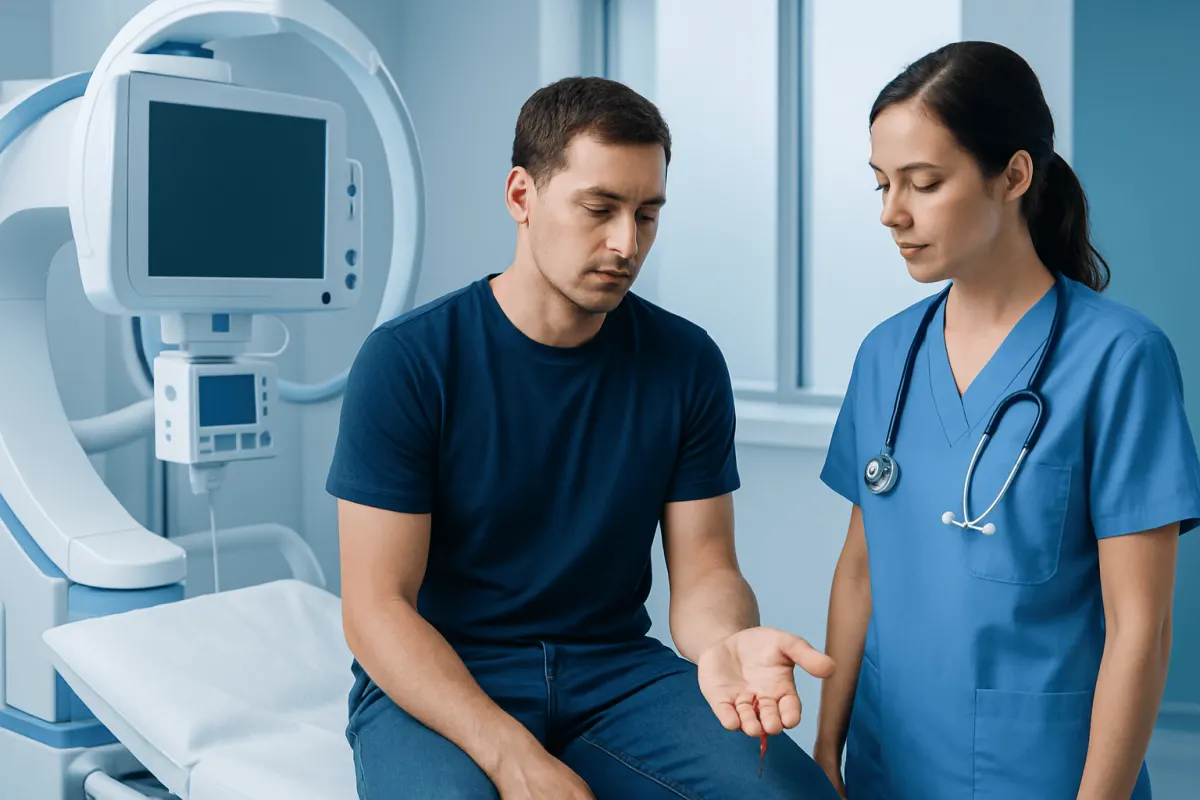
Capillary bleeding is the most common type of bleeding from a minor cut, scrape, or abrasion. It usually appears as slow oozing from the skin and can often be managed safely with clean, steady pressure and simple wound care.
What Is Capillary Bleeding?
Capillary bleeding is bleeding from capillaries, the smallest blood vessels in the body. These vessels sit close to the surface of the skin and help deliver oxygen and nutrients to tissues. When the skin is grazed, cut, or irritated, capillaries may break and produce a slow, even ooze of bright red blood.
This type of bleeding is usually associated with minor injuries such as paper cuts, shaving nicks, scratches, scrapes, and small kitchen cuts. It differs from bleeding from larger veins or arteries, which may flow more steadily or appear to spurt or pulse. Although capillary bleeding is usually mild, the appearance of any wound should be considered alongside its size, location, cause, and the person’s overall health.
In most cases, capillary bleeding stops as the body forms a platelet plug and clot at the injured area. Gentle first aid protects this natural process. If bleeding is prolonged or repeated without a clear reason, a clinician can help identify whether medicines, a wound problem, or an underlying health condition may be contributing.
How Capillary Bleeding Looks and Feels
Capillary bleeding usually appears as a slow seepage across the injured surface rather than a single stream. The blood is often red, although its appearance can vary slightly depending on lighting, the depth of the injury, and whether it has begun to clot. It is frequently seen with shallow abrasions, where a broad area of outer skin has been removed.
A minor wound may sting, feel tender, or become mildly swollen at first. These symptoms often improve over the following days as the skin repairs itself. A small amount of clear or lightly blood-stained fluid on a dressing can occur early in healing, particularly after a scrape.
It is helpful to look beyond the amount of blood alone. A wound deserves closer attention if its edges are widely separated, it contains dirt or other material, it was caused by a bite or dirty object, or there is loss of feeling or movement nearby. These features can matter even when the bleeding itself is not severe.
- Slow oozing from a shallow cut or scrape is typical of capillary bleeding.
- Persistent bleeding after firm pressure may indicate a deeper injury or a clotting-related concern.
- Increasing redness, warmth, swelling, pus, or worsening pain can suggest infection and should be assessed.
Common Causes and Factors That Can Prolong Bleeding
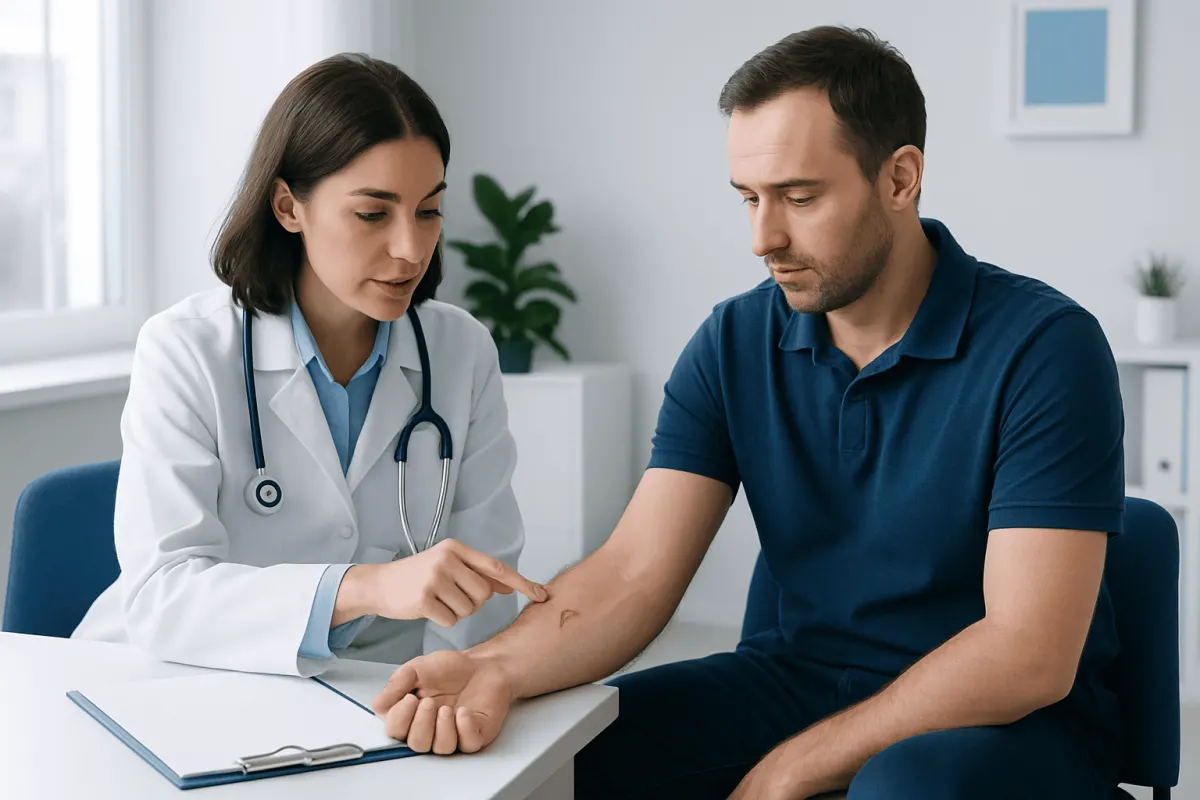
Most capillary bleeding happens after everyday skin injuries. Common causes include falls, friction from sports, accidental contact with sharp objects, shaving, gardening, and minor workplace or household injuries. Dry, fragile, or inflamed skin may split more easily, including in people with eczema, older adults, or those exposed to frequent handwashing and harsh chemicals.
Some factors can make a small wound bleed longer than expected. These include medicines that affect clotting, such as anticoagulants or antiplatelet medicines, as well as certain anti-inflammatory medicines. People should not stop prescribed blood-thinning medication because of a minor wound without speaking with the clinician who prescribed it.
Less commonly, easy or prolonged bleeding may be associated with low platelet levels, liver disease, inherited bleeding disorders, nutritional deficiencies, or other medical conditions affecting normal clotting. Recurrent unexplained bruising, frequent nosebleeds, bleeding gums, unusually heavy menstrual bleeding, or bleeding after minor procedures should be discussed with a healthcare professional. Information about related bleeding disorders may be useful when a clinician is investigating these symptoms.
First Aid for a Minor Bleeding Wound
For uncomplicated capillary bleeding, start by washing hands if possible. Place clean gauze, a sterile dressing, or a clean cloth directly over the wound and apply firm, steady pressure. Avoid repeatedly lifting the material to check the wound, as this can disturb an early clot and restart bleeding.
Once the bleeding has stopped, rinse the wound under clean running water to remove visible dirt. Mild soap can be used on the surrounding skin, but strong antiseptics may irritate some wounds. Pat the area dry, apply a simple protective dressing if needed, and change it when it becomes wet, dirty, or loose.
For a small limb injury, raising the area above heart level may help reduce blood flow while direct pressure is being applied, but pressure remains the most important step. Do not use a tourniquet for minor capillary bleeding. Avoid putting substances such as coffee grounds, toothpaste, or powders into a wound, as these can contaminate the area and make later assessment more difficult.
Depending on the injury, a clinician may recommend professional wound cleaning, closure, or a tetanus vaccination review. Professional wound care can be appropriate for wounds that are contaminated, complex, slow to heal, or difficult to manage at home.
Wound Healing, Infection Prevention and Everyday Care
Small superficial wounds often begin to improve within a few days. Keeping the area clean, covered when it may be rubbed or exposed to dirt, and protected from picking supports healing. A dressing can also reduce discomfort by preventing friction from clothing or daily activities.
Follow the directions for any dressing or skin product used. In general, wounds should be checked regularly for changes rather than left unattended under a dressing for too long. A healthcare professional can advise on the right dressing type for larger abrasions, wounds in areas of frequent movement, or wounds in people with diabetes or circulation problems.
Signs of possible infection include redness that spreads beyond the wound, increasing warmth or swelling, worsening pain, cloudy drainage or pus, fever, or red streaking from the area. These signs do not always mean there is a serious problem, but timely medical advice can help prevent complications. People with diabetes, immune suppression, poor circulation, or reduced sensation in the feet should seek earlier guidance for any skin break, especially on the lower legs or feet.
After healing, protecting newly repaired skin from friction and sun exposure can help reduce irritation and changes in skin color. If a wound repeatedly opens or bleeds again, it should be assessed rather than repeatedly treated at home.
When to Seek Medical Care
Medical care is advisable when bleeding does not stop after continuous firm pressure, when a wound is deep or gaping, or when blood is flowing heavily, spurting, or pulsing. Urgent assessment is also important after a serious injury, a bite, a puncture wound, or a wound caused by a contaminated or rusty object.
Seek prompt medical help for bleeding in or near the eye, from the mouth with difficulty breathing or swallowing, or from a wound with numbness, weakness, pale or cold skin beyond the injury, or difficulty moving a nearby joint or finger. Emergency care is needed if a person feels faint, confused, very weak, or develops signs of shock after an injury.
People taking Side Effects — A Clinical Overview" class="ahp-ilk">blood thinners, those with known clotting conditions, and those with diabetes or immune system conditions should contact a clinician sooner if bleeding is difficult to control or the wound is more than very minor. Unexplained frequent bleeding or bruising should also be evaluated. Acıbadem Health Point’s multidisciplinary specialists and JCI-accredited hospitals assess wounds and bleeding concerns for international patients when specialist care is needed.
Reducing the Risk of Minor Skin Bleeding
Not all cuts and scrapes can be avoided, but practical safety measures reduce risk. Wearing gloves for gardening, cleaning, food preparation, or handling tools can protect the hands. Appropriate footwear and protective equipment during sports or work activities can also reduce abrasions and lacerations.
Maintaining the skin barrier is another useful step. Regular moisturising may help people with dry or easily cracked skin, while careful shaving practices can reduce nicks. Using a clean, sharp razor, shaving with adequate lubrication, and avoiding hurried movements may be helpful for people who frequently experience small shaving cuts.
People who use medicines that affect bleeding should keep their care team informed about falls, repeated bleeding episodes, and planned dental or surgical procedures. They should also carry medication information when appropriate. A clinician can provide individualized advice without compromising treatment for the condition the medicine was prescribed to manage.
Frequently asked questions
01Is capillary bleeding dangerous?
Capillary bleeding is usually not dangerous when it comes from a small, superficial injury and stops with direct pressure. However, the cause and appearance of the wound matter. Bleeding that is persistent, heavy, or linked with a deep injury should be assessed promptly.
02How long should direct pressure be applied to capillary bleeding?
Use clean material and maintain steady, uninterrupted pressure until the bleeding stops. Avoid lifting the dressing repeatedly to look at the wound, because this may disrupt clot formation. If bleeding continues despite sustained pressure, seek medical advice.
03Should a minor cut be left uncovered to heal?
A small clean cut may sometimes be left uncovered once it has stopped bleeding and is unlikely to be rubbed or contaminated. Many minor wounds benefit from a clean dressing, especially during daily activities, because it protects the area from dirt and friction. Change the dressing if it becomes wet, dirty, or loose.
04Why does a small cut keep bleeding?
Repeated movement, rubbing, frequent checking, or removal of an early clot can cause minor bleeding to continue. Blood-thinning medicines, fragile skin, and conditions that affect clotting can also contribute. A clinician should evaluate bleeding that is recurrent, prolonged, or unexplained.
05Can hydrogen peroxide or alcohol be used on a bleeding cut?
These products can irritate healing tissue and are not routinely needed for simple minor wounds. Clean running water is usually sufficient to rinse a superficial cut or scrape. Ask a healthcare professional about cleaning products for deeper, contaminated, or high-risk wounds.
06When is a tetanus vaccine needed after a cut?
The need for tetanus vaccination depends on the type of wound and the person's vaccination history. Dirty, puncture, bite, or crush wounds may require more urgent review than a clean minor cut. A healthcare professional can confirm whether a booster or other care is recommended.
This article is for general information only and is not a substitute for professional medical advice. Please consult a qualified doctor about your individual situation.
Explore treatments in Turkey — costs, top hospitals & a free quote
JCI-accredited · board-certified surgeons · reply within 24h
Add us as a Preferred Source to see more of our trusted health content across Google Search, AI Overviews and Discover.