At-Home Colon Test Kit: What a Positive Result Means
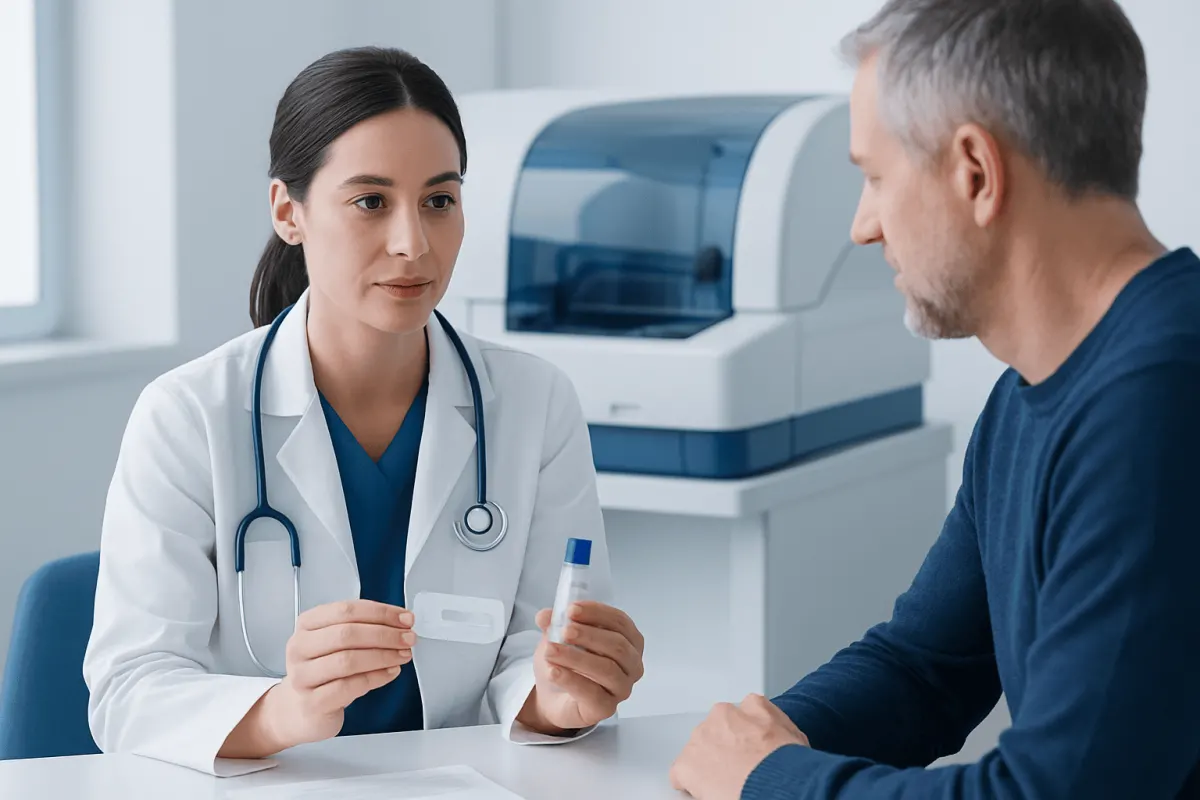
An at home colon test kit is a screening tool that checks a stool sample for hidden blood, altered DNA, or both. It is convenient for eligible adults at average risk, but it does not replace colonoscopy when results are abnormal or symptoms are present.
Overview: What Is an At Home Colon Test Kit?
An at home colon test kit is a colorectal cancer screening test that allows a person to collect a small stool sample at home and send it to a laboratory. Depending on the test, the laboratory looks for tiny amounts of blood that may not be visible or for DNA changes associated with colorectal cancer and some precancerous polyps.
These tests are designed for screening people who feel well and have an average risk of colorectal cancer. They can help identify people who need further evaluation, but they cannot confirm or rule out cancer by themselves. An abnormal result needs follow-up testing, usually a colonoscopy.
Several stool-based screening approaches are available. A fecal immunochemical test, often called FIT, detects human blood in stool. A stool DNA test combines a blood test with testing for certain DNA markers. A guaiac-based fecal occult blood test is another option, although it may involve dietary or medication instructions before collection.
How the Test Procedure Works
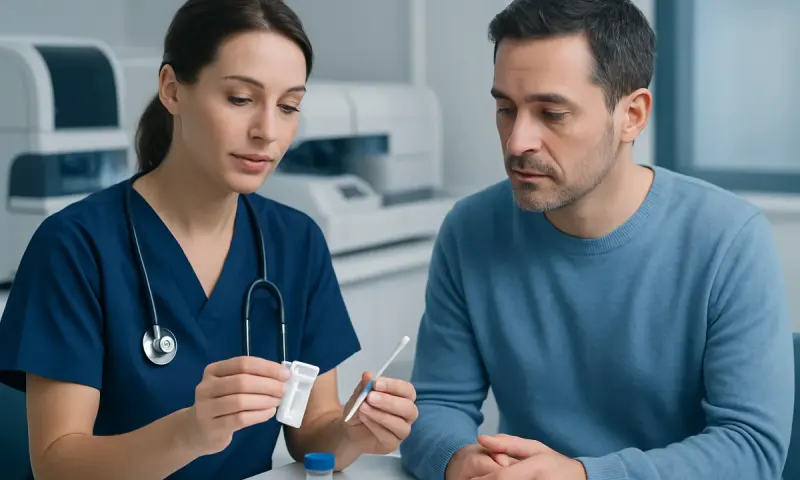
The exact procedure depends on the brand and type of kit. In general, the kit arrives with collection materials, step-by-step instructions, a label, and packaging for return to a laboratory. A clinician or screening program may provide the kit and will receive the result.
Collection is usually done during a bowel movement. The sample should not come into contact with toilet water, urine, or cleaning chemicals. Some FIT kits require samples from more than one bowel movement, while stool DNA tests commonly use one whole-stool collection. The instructions supplied with the kit should always take priority.
After collection, the sample is sealed, labeled, and returned promptly as directed. A person should check the kit instructions about timing, shipping days, and any preparation requirements. If there is uncertainty about how to collect or return the sample, the testing provider or healthcare team can clarify the next step.
- Read all instructions before starting.
- Collect the sample exactly as directed.
- Label and send the sample within the stated time frame.
- Tell the clinician about symptoms, a personal history of polyps, or a family history of colorectal cancer.
Recovery, Preparation and Results
There is no physical recovery period after an at-home stool test. People can normally continue their usual activities immediately after collecting the sample. Most modern FIT and stool DNA tests do not require bowel preparation, sedation, or time away from regular routines.
Preparation differs by test. For example, some older guaiac-based stool tests may require temporary dietary changes or guidance about certain medicines because these factors can affect results. FIT tests and stool DNA tests generally have fewer restrictions, but people should follow the instructions given with their individual kit.
Results are commonly reported as negative, positive, abnormal, or invalid. A negative result means the test did not find the specific signals it was designed to detect; it does not guarantee that cancer or polyps are absent. An invalid result may occur if the sample was insufficient, delayed, contaminated, or could not be analyzed, and repeat testing may be needed.
A positive result does not mean a person definitely has cancer. Blood in stool can have several causes, including hemorrhoids or inflammation, and an abnormal DNA-based result requires clarification. The appropriate next step is typically a diagnostic colonoscopy, which can examine the colon directly and remove or biopsy suspicious tissue when necessary.
Is an At-Home Colon Test as Good as a Colonoscopy?
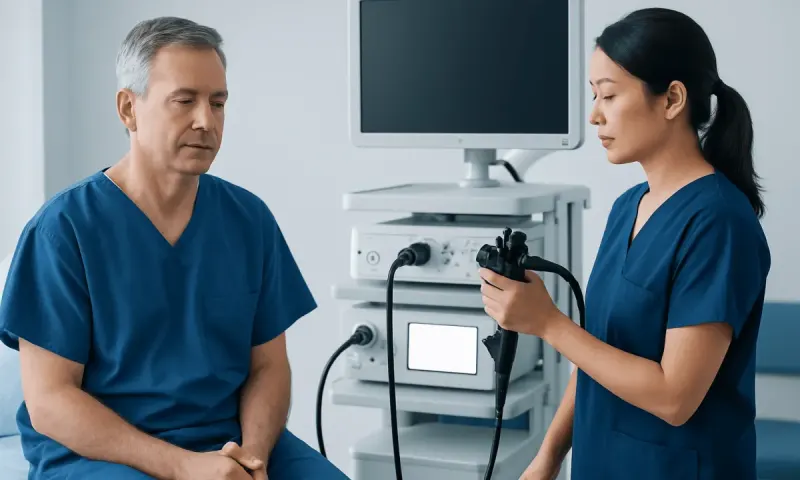
No. An at-home colon test and a colonoscopy have different roles. Stool tests are noninvasive screening tools that identify signs which may be linked to colorectal cancer or advanced polyps. Colonoscopy is an examination in which a specialist views the lining of the rectum and colon with a flexible camera.
Colonoscopy can find and remove many polyps during the same procedure, helping prevent some cancers before they develop. It can also take tissue samples to investigate abnormalities. In contrast, a stool test cannot see the colon, remove polyps, or determine where bleeding is coming from.
For average-risk adults who have no concerning symptoms, a recommended stool test completed at the right interval can be an effective screening option. However, colonoscopy is often preferred for people with a previous polyp, a strong family history, certain inherited cancer syndromes, Ulcerative Colitis, and Flares" class="ahp-ilk">inflammatory bowel disease, or a positive stool screening result. It may also be necessary for symptoms that could be related to colon cancer.
How Much Stool Does Cologuard Need?
Cologuard is a stool DNA screening test. It generally requires a whole bowel movement to be collected in the container provided, rather than a small swab or smear. The collection container has a fill line and detailed instructions designed to help ensure that the laboratory receives an adequate sample.
People should use only the supplied equipment and follow the kit directions closely. They should not estimate the amount based on another type of stool test, because collection methods differ between tests. If the sample does not reach the indicated level, is mixed with urine or toilet water, or cannot be shipped as instructed, the laboratory may be unable to process it.
People who have questions about collection, including menstrual bleeding, diarrhea, constipation, or recent rectal bleeding, should contact the prescribing clinician or the kit provider before completing the test. A healthcare professional can help decide whether collection should proceed or whether another screening approach is more appropriate.
Can Colon Cancer Be Detected in a Stool Sample?
Yes, a stool sample can detect signs that may be associated with colon or rectal cancer. FIT tests detect hidden blood, while stool DNA tests detect blood and selected abnormal DNA markers shed from cells in the colon. These signals can prompt timely assessment with colonoscopy.
However, a stool sample does not provide a cancer diagnosis. Some cancers and polyps may not bleed or release detectable markers at the time of testing, which is why a negative result does not exclude disease completely. Conversely, a positive result can occur for reasons other than cancer.
Regular screening is important because colorectal cancer may develop without early symptoms. The most suitable test and screening schedule depend on age, prior screening, personal medical history, family history, and local clinical guidance. A gastroenterologist can discuss whether a stool test, colonoscopy, or another approach is appropriate.
Do They Tell You Colonoscopy Results Right Away?
Often, the doctor can discuss the main visual findings of a colonoscopy shortly after the procedure, once the person is awake and recovering from sedation. They may explain whether the colon appeared normal, whether polyps were found or removed, and whether any other visible changes were seen.
If tissue samples or polyps are sent to a laboratory, the final pathology result is not available immediately. It commonly takes several days to receive the laboratory analysis, and the healthcare team will explain how and when results will be shared. Pathology helps determine whether a polyp is benign, precancerous, or cancerous and guides future follow-up.
Because sedating medicines can affect memory and judgment for a short time, it can be helpful to have a trusted adult listen to the post-procedure instructions. The care team will also provide guidance about returning to normal activities, eating, medication use, and warning symptoms after the examination.
When to Seek Medical Care
A home screening kit is not the right first step for everyone. A person should arrange medical assessment rather than rely on a stool test alone if they have visible blood in stool, persistent changes in bowel habits, unexplained weight loss, ongoing abdominal pain, unusual tiredness, or symptoms suggestive of anemia.
Medical advice is also important for people with a personal history of colorectal polyps or cancer, inflammatory bowel disease, radiation to the abdomen or pelvis, or a close relative with colorectal cancer or advanced polyps. These factors can change the recommended screening plan and may make colonoscopy the better option.
Urgent care is appropriate for heavy rectal bleeding, black tar-like stool, severe abdominal pain, fainting, or symptoms of significant weakness. Acıbadem Health Point’s multidisciplinary specialists and JCI-accredited hospitals support international patients who need evaluation and treatment for colorectal concerns, including colorectal cancer treatment.
Frequently asked questions
01Who can use an at home colon test kit?
At-home stool tests are generally intended for adults at average risk of colorectal cancer who do not have concerning digestive symptoms. Eligibility depends on age, health history, prior screening, and local recommendations. A clinician can help determine whether home testing is appropriate.
02What does a positive FIT or stool DNA test mean?
A positive result means the test found blood, abnormal DNA markers, or both, depending on the test used. It does not diagnose cancer, but it should be followed by a colonoscopy to identify the cause. Follow-up should not be delayed, even if the person feels well.
03Can hemorrhoids cause a positive home colon test?
Hemorrhoids can bleed and may contribute to a positive test that detects blood in stool. However, it is not safe to assume hemorrhoids are the cause of an abnormal result. A clinician will usually recommend colonoscopy to investigate properly.
04How often should an at-home colon test be repeated?
The recommended interval depends on the type of test and the person’s risk level. FIT is often repeated yearly, while stool DNA testing is typically performed less frequently under a clinician-guided screening plan. People should follow the schedule advised by their healthcare provider.
05Does a negative at-home colon test mean there is no cancer?
No screening test is perfect. A negative result means the test did not detect the markers it measures in that particular sample. People should continue regular screening and seek medical advice if symptoms develop between tests.
06Can a person do a home stool test during their period?
Menstrual blood may interfere with some stool-based tests. The kit instructions may advise waiting until bleeding has stopped before collecting a sample. If there is any uncertainty, the person should ask the testing provider or clinician for specific guidance.
This article is for general information only and is not a substitute for professional medical advice. Please consult a qualified doctor about your individual situation.
Persistent digestive symptoms? Get evaluated in Turkey
JCI-accredited · board-certified surgeons · reply within 24h
Add us as a Preferred Source to see more of our trusted health content across Google Search, AI Overviews and Discover.