Colonoscopy Procedure: What Happens During the Test
A colonoscopy procedure is an examination of the rectum and colon using a thin, flexible tube with a camera. It can help investigate bowel symptoms, screen for colorectal cancer, and allow doctors to remove polyps or take tissue samples during the same visit.
Colonoscopy Procedure Overview
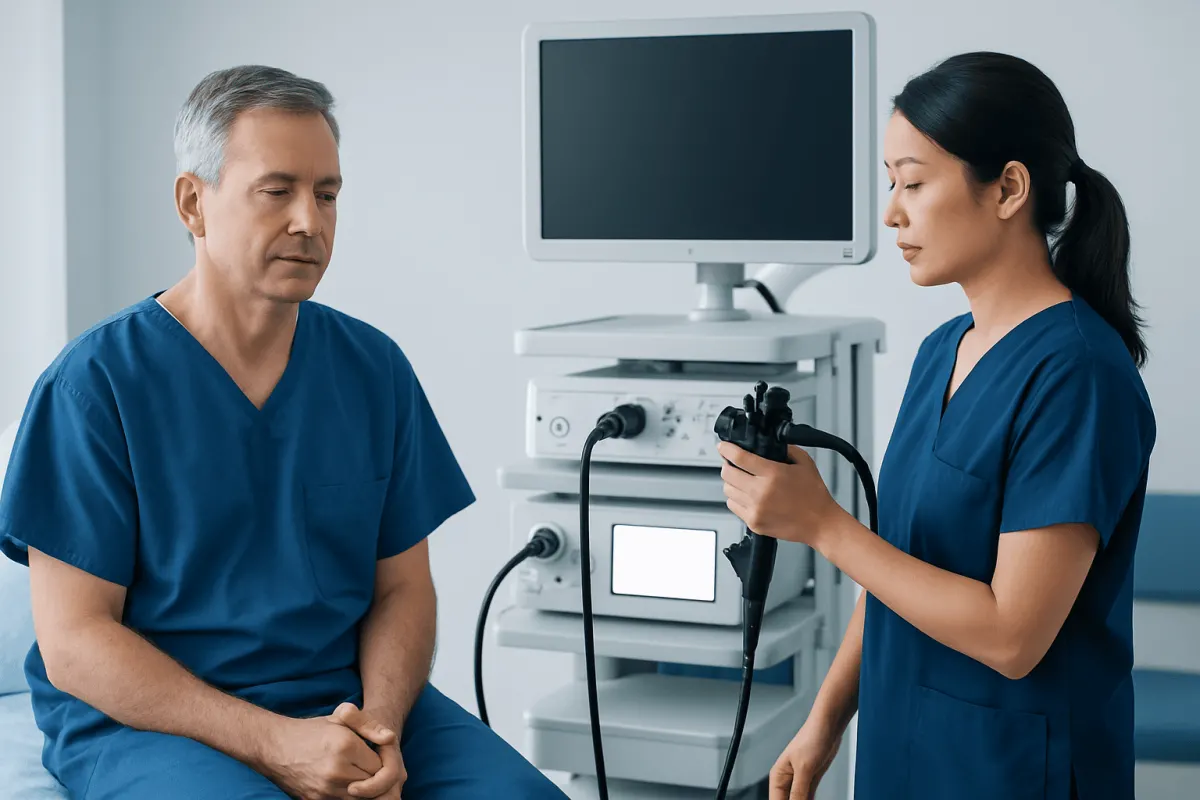
A colonoscopy procedure examines the inside lining of the large intestine, also called the colon, and the rectum. A gastroenterologist passes a slender, flexible instrument called a colonoscope through the rectum. Its small camera sends images to a monitor, allowing the doctor to look for inflammation, bleeding, polyps, ulcers, or other changes.
The test is commonly used for colorectal cancer screening and for investigating symptoms such as rectal bleeding, an ongoing change in bowel habits, unexplained iron-deficiency anaemia, persistent abdominal discomfort, or unexplained weight loss. It may also be used to monitor people with previous polyps, Ulcerative Colitis, and Flares" class="ahp-ilk">inflammatory bowel disease, or a family history that raises colorectal cancer risk.
Colonoscopy is both a diagnostic and a treatment procedure. If a polyp is found, the doctor can often remove it during the examination. Because some polyps may develop into cancer over time, removing them can help prevent colorectal cancer. Small tissue samples, called biopsies, may also be taken for laboratory examination.
Before the Colonoscopy: Preparation and Planning
A clear colon is necessary for an accurate examination. The healthcare team provides detailed instructions in advance, usually including dietary changes and a prescribed bowel-cleansing medicine. Instructions vary according to the preparation used, a person’s medical history, and the timing of the procedure, so the written plan from the endoscopy team should always take priority.
In the days beforehand, people may be asked to adjust their diet and avoid foods that can be difficult to clear from the bowel, such as seeds, nuts, or high-fibre foods. On the day before the test, many people follow a clear-liquid diet. Suitable options may include water, clear broth, plain tea or coffee without milk, and clear juices that are not red or purple. The care team will explain what is appropriate.
It is important to tell the doctor about all medicines and supplements, especially blood thinners, diabetes medicines, iron supplements, and medicines for heart, kidney, or bowel conditions. Some need temporary adjustment, but no one should stop prescribed medicine without specific medical advice. People should also arrange a responsible adult to accompany them home if sedation is planned.
Will I be up all night pooping with colonoscopy prep? Bowel preparation causes frequent, loose bowel movements, often beginning within a few hours of taking the solution. Some people need to use the bathroom repeatedly in the evening or overnight, particularly with a split-dose preparation, but the exact timing varies. Staying near a toilet, using soft toilet paper or barrier cream, drinking permitted clear fluids, and following the timing instructions carefully can make the process more manageable.
What Happens During a Colonoscopy Procedure?
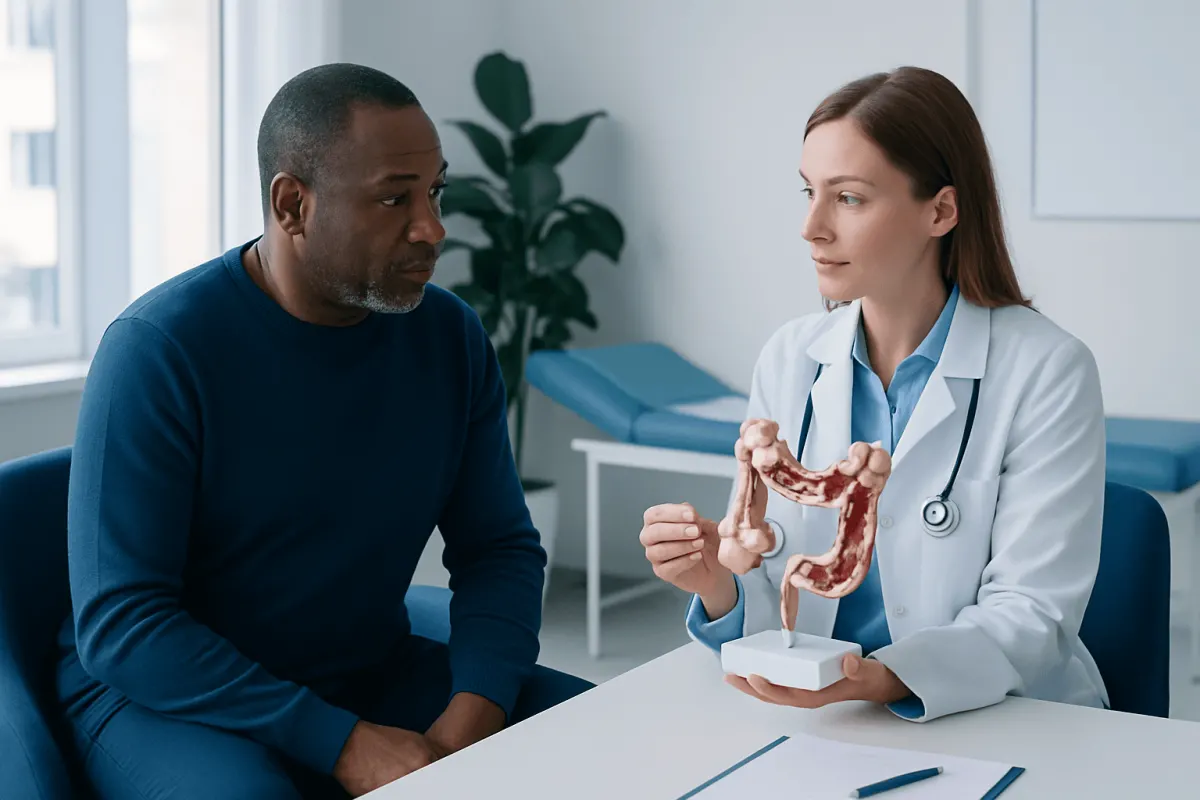
On arrival, the team confirms medical information, allergies, medicines, and consent. A nurse may check blood pressure, pulse, and oxygen levels, and an intravenous line may be placed. Most colonoscopies use sedation to promote comfort and relaxation, although the type of sedation differs between hospitals and patients.
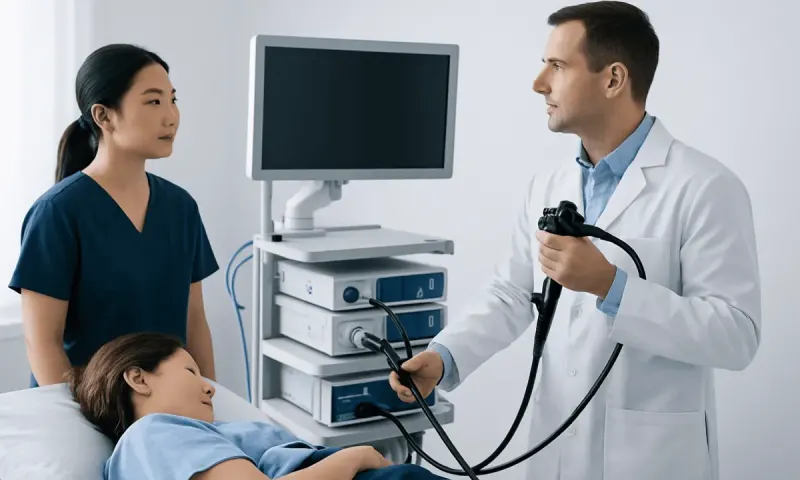
During the examination, the person usually lies on their left side. The doctor gently advances the colonoscope through the rectum and colon. Small amounts of air or carbon dioxide may be introduced to open the bowel and improve visibility. This can cause a temporary feeling of pressure, fullness, or cramping.
The examination itself often takes less than an hour, although the total visit is longer because of admission, preparation, sedation, and recovery monitoring. If the doctor sees a polyp, it may be removed with a small instrument passed through the scope. A biopsy is generally painless because the bowel lining does not sense cutting in the same way as the skin.
What is the hardest part of a colonoscopy? For many people, the bowel preparation is the most challenging part rather than the examination. Drinking the cleansing solution, managing frequent bowel movements, and following a restricted diet can be inconvenient. During the procedure, sedation means many people remember little or nothing; however, some may notice brief bloating or cramps.
Recovery After a Colonoscopy
After the procedure, the person rests in a recovery area while the effects of sedation wear off. It is common to feel sleepy, mildly nauseated, bloated, or gassy for a short time. Passing gas is normal and often relieves discomfort caused by the air or carbon dioxide used during the examination.
Because judgement, coordination, and reaction time can remain affected after sedation, people should not drive, cycle in traffic, operate machinery, sign important documents, drink alcohol, or make major decisions for the rest of that day. They should follow the discharge instructions and have an adult available to take them home and stay with them if advised.
How many days should I rest after a colonoscopy? Most people need to rest only on the day of the procedure and can return to normal light activities the following day. The appropriate timing depends on the type of sedation, the nature of a person’s work, and whether a polyp was removed or another treatment was performed. A doctor may recommend a longer pause from strenuous activity in selected circumstances.
How long will I feel bad after a colonoscopy? Mild fatigue, bloating, gas, or temporary changes in bowel movements usually improve within several hours to one day. If bowel preparation caused irritation or dehydration, feeling fully normal may take a little longer with rest, fluids, and a gradual return to regular meals. Symptoms that are severe, worsening, or continuing beyond the expected recovery period should be discussed with the healthcare team.
Understanding Colonoscopy Results
Before discharge, the doctor may explain initial findings, such as whether the bowel appeared normal or whether polyps, inflammation, diverticula, or other changes were seen. The quality of bowel cleansing is also recorded, since an incomplete preparation can limit the view and occasionally means that the examination needs to be repeated sooner.
If tissue samples were collected or polyps were removed, they are sent to a pathology laboratory. These results often take several days, and sometimes longer depending on the laboratory process. The final report helps determine whether any further testing, treatment, or surveillance colonoscopy is needed.
A normal result does not always identify the cause of every digestive symptom. Depending on the symptoms and findings, the doctor may recommend blood tests, stool tests, imaging, dietary assessment, or other evaluations. People with chronic bowel inflammation may need ongoing monitoring for conditions such as ulcerative colitis.
- Normal examination: no important abnormalities are seen.
- Polyps: growths that may be removed and examined to guide future screening.
- Inflammation or ulcers: may require biopsies and further assessment.
- Diverticular disease: small pouches in the bowel wall that are often found incidentally.
Comfort, Food and Self-care After the Test
Once fully awake and able to drink safely, most people can begin with fluids and a light meal. Unless the doctor advises otherwise, a normal diet can usually resume as tolerated. Drinking water and other suitable fluids can help replace what was lost during the bowel preparation.
For the remainder of the day, a calm schedule is sensible. Rest, avoid intense exercise, and choose easily tolerated foods if there is mild nausea or cramping. If a polyp was removed, the endoscopy team may give additional instructions about activity, medicines, or what to expect with bowel movements.
Colonoscopy can identify problems early, but long-term bowel health also benefits from regular physical activity, a balanced diet, avoiding tobacco, moderating alcohol intake, and attending recommended screening. Screening schedules are individual and depend on age, previous findings, symptoms, and family history. A qualified clinician can advise on the most suitable plan.
When to Seek Medical Care
It is normal to have some gas, mild cramps, and a small amount of blood on toilet paper after a biopsy or polyp removal. However, people should contact the endoscopy unit or a doctor promptly if they develop persistent or worsening abdominal pain, a swollen abdomen, fever, chills, ongoing vomiting, dizziness, fainting, or bleeding that is heavy or does not stop.
Emergency assessment is important for severe abdominal pain, large-volume rectal bleeding, black stools, difficulty breathing, chest pain, or signs of a serious allergic reaction. Although serious complications after colonoscopy are uncommon, prompt evaluation is the safest approach when concerning symptoms occur.
Anyone with new rectal bleeding, unexplained weight loss, persistent changes in bowel habits, or ongoing abdominal symptoms should arrange medical assessment rather than waiting for a routine screening appointment. Acıbadem Health Point’s multidisciplinary specialists and JCI-accredited hospitals provide diagnostic assessment and treatment planning for international patients with digestive health concerns.
Frequently asked questions
01Is a colonoscopy procedure painful?
Most people receive sedation, which makes the procedure more comfortable and means they may remember little of it. Some pressure, bloating, or brief cramping can occur as the colon is examined. The care team can adjust comfort measures if needed.
02Can I eat after a colonoscopy?
Most people can eat after they are awake and able to drink safely. Starting with fluids and a light meal may feel more comfortable, especially if there is mild nausea or bloating. The doctor may provide specific food advice if a polyp was removed or another procedure was performed.
03How long does a colonoscopy procedure take?
The examination itself commonly takes less than an hour, but the full appointment can take several hours. Time is needed for registration, sedation preparation, the procedure, recovery, and discharge instructions. Removing polyps or performing additional treatment can lengthen the examination.
04Can a colonoscopy detect cancer?
A colonoscopy can identify cancers and suspicious areas in the colon or rectum. It can also find and remove many polyps before they become cancerous. A biopsy or removed polyp may need laboratory analysis to confirm the diagnosis.
05What if the bowel preparation does not work well?
If bowel movements do not become clear or yellowish liquid as instructed, the endoscopy team should be contacted before the appointment. Inadequate preparation can make it harder to see the bowel lining and may require the test to be repeated. Do not take extra preparation medicine unless the healthcare team advises it.
06When can I drive after a colonoscopy?
People who receive sedation should not drive until the following day, or longer if their discharge instructions say so. Sedation can affect alertness and decision-making even when a person feels awake. Someone else should drive them home after the procedure.
This article is for general information only and is not a substitute for professional medical advice. Please consult a qualified doctor about your individual situation.
Medical weight-loss options in Turkey — costs & eligibility
JCI-accredited · board-certified surgeons · reply within 24h
Add us as a Preferred Source to see more of our trusted health content across Google Search, AI Overviews and Discover.