At-Home Colon Cancer Tests and When to Get a Colonoscopy
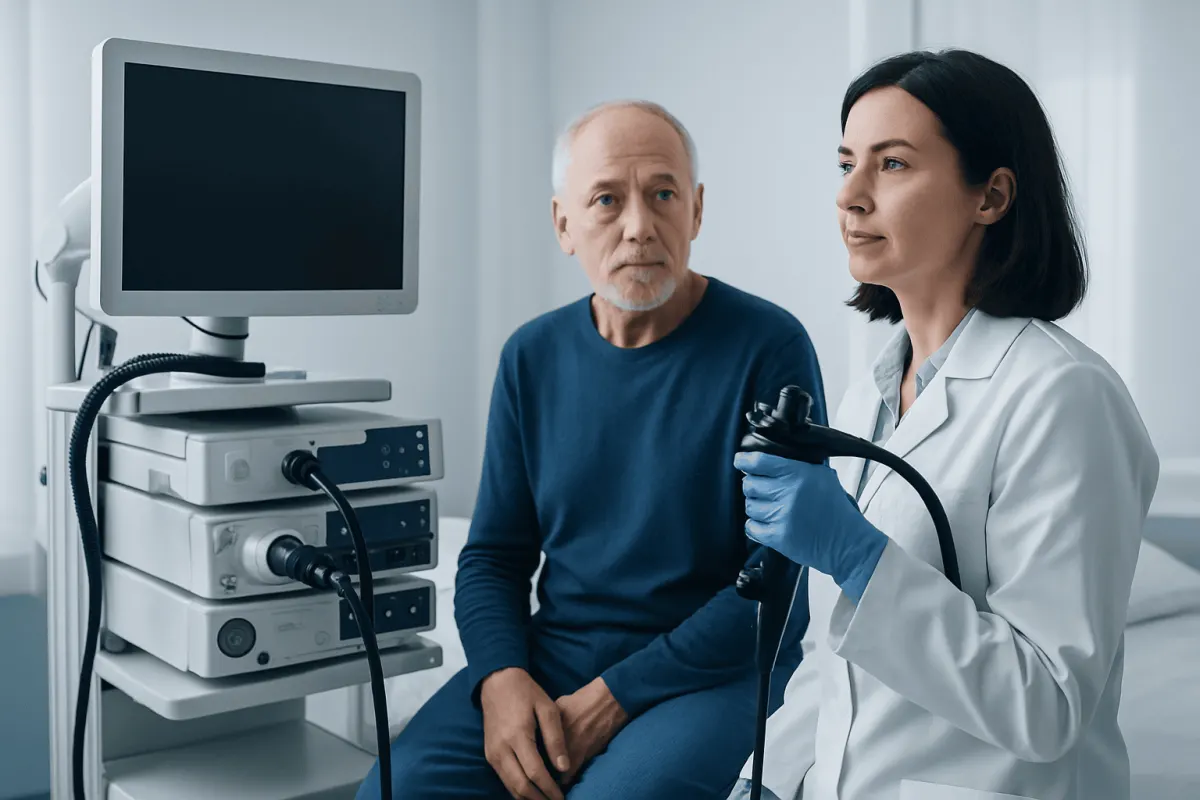
An at home colon cancer test is a stool-based screening test that looks for hidden blood and, in some tests, altered DNA linked with colorectal cancer. It is convenient and useful for many average-risk adults, but a positive result does not diagnose cancer and needs follow-up with colonoscopy.
At Home Colon Cancer Test: What It Is and How It Works
An at home colon cancer test is usually a stool-based screening kit that a person completes at home and returns to a laboratory. It is designed to identify possible signs of colorectal cancer before symptoms develop. Depending on the test, it may detect tiny amounts of blood in stool or DNA changes from cells shed by polyps or cancer.
The most widely used home option is a fecal immunochemical test (FIT). A FIT detects human blood in stool that cannot usually be seen. Another option is a stool DNA test, which combines testing for hidden blood with testing for selected DNA markers associated with colorectal cancer.
These tests do not examine the colon directly. They cannot confirm cancer, show where bleeding comes from, or reliably find every polyp. A normal result lowers the chance of cancer at that time, but it does not replace speaking with a clinician about new bowel symptoms or individual screening needs.
Home screening is generally intended for adults at average risk who do not have concerning symptoms. Screening recommendations vary by country and personal risk, but many guidelines begin routine colorectal cancer screening at age 45 for average-risk adults. A clinician can help select the most appropriate method and interval.
Who Can Use a Home Stool Test—and Who Needs Colonoscopy?
A home stool test may be suitable for an average-risk adult who feels well and is due for colorectal cancer screening. Average risk generally means there is no personal history of colorectal cancer, certain types of colon polyps, inflammatory bowel disease, or a strong family history of colorectal cancer or inherited cancer syndromes.
Colonoscopy is often preferred for people at increased risk because it allows a doctor to inspect the entire colon and remove many polyps during the same procedure. It may also be recommended earlier or more frequently when a close relative has had colorectal cancer or advanced polyps, particularly at a younger age.
Home tests are not appropriate as a way to explain symptoms such as rectal bleeding, black stools, persistent change in bowel habits, unexplained iron-deficiency anemia, ongoing abdominal pain, or unintentional weight loss. These symptoms have many possible causes, but they require clinical assessment rather than reassurance from a home screening result.
People with a personal history of polyps or colorectal cancer should follow an individualized surveillance plan. For information about the disease itself, readers may review colon cancer.
How to Do an At Home Colon Cancer Test

The exact procedure depends on the kit. The laboratory or healthcare provider should provide written instructions, and those instructions should always take priority. In general, the person collects a small stool sample using the supplied device, places it in the provided container or card, labels it, and returns it promptly according to the kit directions.
For a FIT, collection is usually simple and may require sampling from one bowel movement. Many FIT kits do not require dietary restrictions or bowel preparation. Stool DNA tests typically involve collecting a larger stool sample in a special container. They may have specific requirements about shipping and the timing of collection.
A person should avoid letting the sample come into contact with toilet water, urine, or cleaning products unless the kit instructions specifically state otherwise. They should also check the expiration date, complete all identification details, and return the sample as soon as directed, since delays can affect processing.
Medications should not be stopped without medical advice. Menstrual bleeding, visible rectal bleeding, or some urinary bleeding may affect collection or interpretation, so it is sensible to ask the test provider whether collection should be postponed. If instructions are unclear or a sample cannot be collected successfully, the healthcare team or test laboratory can advise on next steps.
Understanding Home Test Results and Next Steps
A negative result means the test did not detect the targeted amount of blood or DNA changes in that sample. It is reassuring, but it does not mean a person can never develop colorectal cancer or that symptoms should be ignored. Continued screening at the recommended interval remains important.
A positive FIT means blood was found in the stool sample. Blood can occur for reasons other than cancer, including polyps, hemorrhoids, inflammation, or other digestive conditions. A positive stool DNA test similarly does not prove cancer; it indicates that colonoscopy is needed to investigate the finding.
Follow-up colonoscopy after a positive home test is essential. During colonoscopy, a gastroenterologist uses a flexible camera to examine the colon and may remove polyps or take tissue samples. Delaying this follow-up can delay clarification of the result and, if needed, treatment.
An invalid, incomplete, or unprocessed test result usually means another sample is needed. It should not be interpreted as negative. A clinician can explain what the particular result means in the context of age, symptoms, family history, and prior screening.
What to do after a colon cancer diagnosis?
After a colon cancer diagnosis, the next step is usually to confirm the cancer type and determine its stage. This commonly involves reviewing biopsy results, examining the colon with colonoscopy if needed, blood tests, and imaging studies such as CT scans. Staging describes whether cancer is limited to the bowel or has spread elsewhere, and it helps guide treatment planning.
Care is best coordinated by a multidisciplinary team that may include a colorectal surgeon, medical oncologist, radiation oncologist in selected cases, gastroenterologist, radiologist, pathologist, dietitian, and specialist nurse. Treatment may involve surgery, chemotherapy, targeted medicines, immunotherapy for some cancers, radiation therapy in specific situations, or a combination of approaches.
It can help to bring a trusted person to appointments, write down questions, and ask for clear explanations of the diagnosis, stage, treatment goals, expected benefits, possible side effects, and follow-up schedule. Seeking a second opinion can also be reasonable, especially when treatment decisions are complex.
Emotional support matters alongside medical care. Support from family, counseling services, patient groups, and the cancer care team can help a person manage uncertainty and practical concerns. Acıbadem Health Point’s multidisciplinary specialists and JCI-accredited hospitals diagnose and treat colorectal cancer for international patients.
How much time off work do I need for a colonoscopy?
Most people need the day before a colonoscopy for bowel preparation and the day of the procedure away from work. The preparation causes frequent bowel movements, so working away from home can be difficult. The procedure itself is commonly done as an outpatient visit.
If sedation or anesthesia is used, the person should not drive, operate machinery, make important decisions, or return to work that day. They usually need a responsible adult to take them home. Many people feel ready to return to usual work the following day, although this depends on the type of work, the sedation used, and how they feel.
If a polyp is removed or a biopsy is taken, the clinician may give additional instructions. Some people may need more time before strenuous physical activity, heavy lifting, or travel. It is best to ask the endoscopy team in advance for individualized guidance and a work certificate if required.
Severe or worsening abdominal pain, heavy rectal bleeding, fever, fainting, or persistent vomiting after colonoscopy should be assessed urgently. Mild bloating, gas, or brief cramping can occur after the procedure and often settles as the air used during the examination passes.
What is the survival rate for colon cancer?
Survival after colon cancer varies widely, so one percentage cannot predict an individual outcome. Important factors include the cancer stage at diagnosis, whether it can be completely removed with surgery, tumor biology, a person’s overall health, and how the cancer responds to treatment.
In general, colon cancer found before it has spread beyond the colon has a much better outlook than cancer that has spread to distant organs. Population survival figures are useful for understanding broad patterns, but they are based on groups of people treated over past years and do not account for every detail of a person’s care.
Modern treatment continues to evolve, including more personalized approaches based on testing of the tumor. A cancer specialist can discuss prognosis using the confirmed stage, pathology findings, imaging results, and planned treatment. It is reasonable to ask what information is known now and what may become clearer after surgery or further tests.
Regular screening supports earlier detection, when treatment is often simpler and more effective. Screening also helps prevent some cancers by finding polyps that can be removed before they progress.
What is the life expectancy after colon cancer surgery?
Life expectancy after colon cancer surgery depends mainly on the stage and biology of the cancer, whether all visible cancer was removed, and whether additional treatment is recommended. Some people have surgery for an early-stage cancer and may not need chemotherapy, while others benefit from treatment after surgery to reduce the risk of recurrence.
Recovery from surgery is only one part of long-term planning. Follow-up commonly includes regular appointments, blood tests in appropriate cases, imaging, and surveillance colonoscopy. This monitoring aims to identify recurrence or new polyps early and is tailored to the person’s diagnosis and treatment.
Many people return gradually to daily activities after surgery, with the recovery timeline influenced by the operation type, whether surgery was minimally invasive or open, complications, nutrition, and overall health. The surgical team can provide individualized guidance on activity, diet, wound care, bowel changes, and return to work.
Rather than relying on a general life-expectancy estimate, people are encouraged to discuss their own outlook with their oncology and surgical teams. They can explain the likely goals of treatment, the chance of cure where relevant, and the plan for managing any ongoing needs.
When to Seek Medical Care
A person should arrange medical assessment promptly if they notice blood in the stool, black or tar-like stools, a persistent change in bowel habits, unexplained abdominal discomfort, ongoing fatigue, unexplained iron-deficiency anemia, or unintended weight loss. These symptoms do not necessarily mean cancer, but they should not be evaluated with a home screening test alone.
Medical advice is also important after a positive at home colon cancer test, even when there are no symptoms. The appropriate next step is usually colonoscopy, which can identify the source of bleeding or abnormal DNA findings and allow treatment of many polyps during the examination.
Urgent care may be needed for heavy rectal bleeding, severe abdominal pain, fainting, signs of dehydration, or symptoms of bowel obstruction such as severe bloating with vomiting and inability to pass stool or gas. Anyone with these symptoms should seek emergency medical help according to local services.
For routine screening decisions, a qualified doctor can review personal and family history and help choose between a stool test and colonoscopy. Following the recommended screening schedule is an important part of preventive digestive health.
Frequently asked questions
01Can an at home colon cancer test detect cancer?
An at home stool test can identify signs that may be linked to colorectal cancer, such as hidden blood or selected DNA changes. It cannot diagnose cancer on its own. A positive result needs follow-up colonoscopy to find the cause.
02Is a FIT test as accurate as a colonoscopy?
FIT and colonoscopy are different types of screening. A FIT looks for hidden blood in a stool sample, while colonoscopy directly examines the colon and can remove polyps. FIT can be an effective screening choice when repeated as recommended, but a positive FIT must be followed by colonoscopy.
03How often should an at home colon cancer test be done?
The interval depends on the test type and local screening guidance. FIT is often repeated yearly, while stool DNA testing is generally performed less often. A healthcare professional can recommend an interval based on the specific test and personal risk.
04What can cause a false-positive FIT result?
A positive FIT can be caused by bleeding from polyps, hemorrhoids, inflammation, or other conditions as well as cancer. The test cannot determine where the blood came from. Colonoscopy is needed to investigate a positive result.
05Can I take a home colon cancer test if I have hemorrhoids?
Hemorrhoids may cause bleeding and can potentially contribute to a positive stool blood test. A person should discuss known bleeding or symptoms with a clinician before relying on a home test. Symptoms such as visible bleeding still need medical evaluation.
06Do I need a colonoscopy after a negative home test?
Not necessarily, if the person is average risk, has no symptoms, and is following an appropriate screening schedule. However, colonoscopy may still be recommended for people with increased risk or concerning symptoms. A negative stool test should not delay assessment of new symptoms.
This article is for general information only and is not a substitute for professional medical advice. Please consult a qualified doctor about your individual situation.
Persistent digestive symptoms? Get evaluated in Turkey
JCI-accredited · board-certified surgeons · reply within 24h
Add us as a Preferred Source to see more of our trusted health content across Google Search, AI Overviews and Discover.