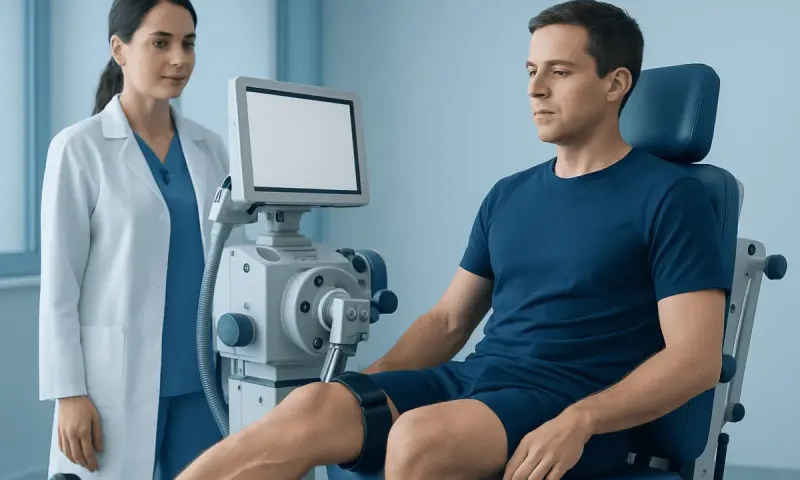
Arthroscopic vs Laparoscopic Surgery: Key Differences
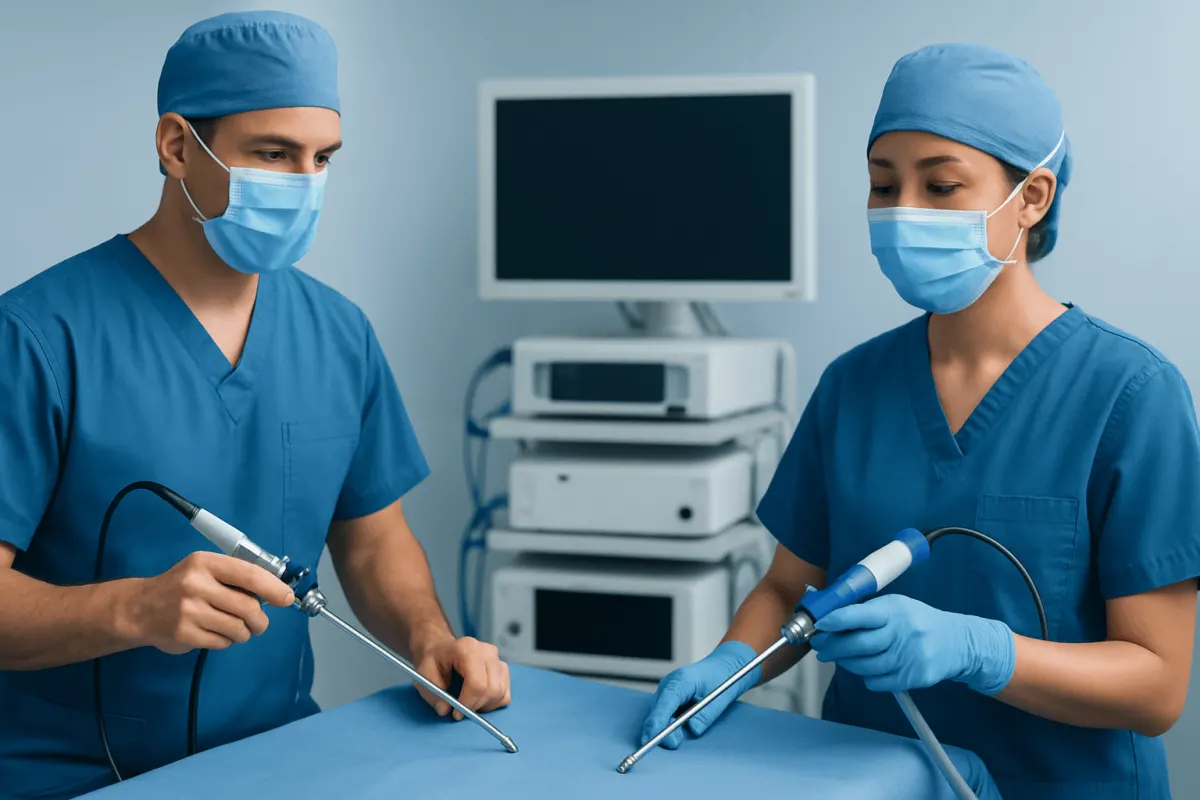
Arthroscopic and laparoscopic procedures are both minimally invasive operations using a camera and small incisions, but they are used in different parts of the body. Arthroscopy examines or treats a joint, whereas laparoscopy is used for conditions involving the abdomen or pelvis.
Arthroscopic vs Laparoscopic: A Side-by-Side Comparison
Arthroscopy and laparoscopy are camera-assisted surgical techniques that use small incisions. The key difference is not the camera itself, but where it is used: arthroscopy is for the inside of a joint, while laparoscopy is for the space inside the abdomen or pelvis. Both may be used to diagnose a problem, treat it, or do both during the same operation.
| Feature | Arthroscopy | Laparoscopy |
|---|---|---|
| Area treated | A joint, such as the knee or shoulder | The abdomen or pelvis |
| Camera name | Arthroscope | Laparoscope |
| Common reasons | Repairing or removing damaged joint tissue | Assessing or treating abdominal and pelvic conditions |
| Typical examples | Meniscus treatment, ligament reconstruction, shoulder repair | Gallbladder removal, hernia repair, gynecologic surgery |
| Access | Small portals around the affected joint | Small abdominal incisions, often including the navel area |
Although both are often described as minimally invasive, recovery varies widely. A simple diagnostic procedure may have a different recovery pattern from a complex repair, removal of an organ, or operation involving reconstruction. The individual diagnosis and planned operation matter more than the label “arthroscopic” or “laparoscopic.”
What Is the Main Difference Between Arthroscopic and Laparoscopic Surgery?
The main difference between arthroscopic and laparoscopic surgery is the anatomical space being examined or treated. An arthroscope is inserted into a joint, which is a closed space between bones. A laparoscope is inserted into the abdominal or pelvic cavity, where organs such as the stomach, intestines, gallbladder, appendix, uterus, ovaries, or bladder may be assessed or treated.
During arthroscopy, the surgeon usually fills the joint with sterile fluid. This improves visibility and creates room to move small instruments. During laparoscopy, the abdomen is commonly inflated with carbon dioxide gas. This gently lifts the abdominal wall away from internal organs and creates a working space for the camera and surgical instruments.
Both techniques require specialized training, anesthesia planning, sterile operating conditions, and careful post-procedure follow-up. In some circumstances, a surgeon may need to change to an open operation to complete treatment safely. This is not necessarily a complication; it can be an appropriate decision based on unexpected findings or safety needs.
How Does a Clinician Tell Them Apart?

Clinicians first identify the likely source of symptoms. Joint pain, catching, instability, swelling, reduced movement, or symptoms after a sports injury may point toward a musculoskeletal problem. Abdominal pain, pelvic pain, digestive symptoms, abnormal bleeding, or a suspected gallbladder, appendix, hernia, or gynecologic condition may lead to evaluation of the abdomen or pelvis.
The assessment usually includes a medical history and physical examination. For joint concerns, X-rays, ultrasound, or MRI may help identify bone, cartilage, tendon, ligament, or meniscus problems. For abdominal or pelvic concerns, blood tests, ultrasound, CT, MRI, or endoscopy may be considered, depending on the symptoms and suspected condition.
Arthroscopy or laparoscopy is not chosen simply because it uses small incisions. A clinician considers whether surgery is needed at all, whether a nonsurgical option may help, and whether the planned approach can effectively address the underlying problem. The person’s age, medical conditions, prior operations, medications, and anesthesia risks also help guide the decision.
Why Is Arthroscopy Not Recommended?
Arthroscopy is not recommended when it is unlikely to improve symptoms or function more than nonsurgical care. For example, some people with degenerative joint changes may benefit more from exercise-based rehabilitation, activity modification, weight management when appropriate, pain-management strategies, or other treatments rather than arthroscopy alone.
The decision depends on the specific joint diagnosis. Arthroscopy may be useful for selected problems, including certain acute injuries, a locked joint caused by a displaced fragment, repairable tears, loose bodies, or conditions that have not improved with appropriate conservative treatment. However, findings on imaging do not always explain pain, particularly when age-related changes are present.
It may also be unsuitable when the risks outweigh expected benefits. Active infection, poorly controlled medical conditions, severe joint damage that requires a different operation, or an inability to participate in rehabilitation can affect suitability. An orthopedic surgeon can explain whether an arthroscopic procedure, a different treatment, or continued nonsurgical care is the most reasonable next step.
Why Do They Go Through the Belly Button for Laparoscopic Surgery?
The belly button, also called the umbilicus, is a common entry point for laparoscopic surgery because it is a natural scar and provides central access to the abdominal cavity. An incision in or close to this area can give the camera a broad view of many abdominal and pelvic organs.
Using the umbilical area may also make the scar less noticeable after healing. It does not mean every laparoscopic operation uses exactly the same incision pattern. The location and number of ports depend on the procedure, the organ being treated, prior surgical scars, body anatomy, and the surgeon’s plan.
Before placing instruments, the surgical team takes steps to enter the abdomen safely. Additional small incisions are commonly made away from the navel so instruments can be positioned at useful angles. Patients should ask their surgeon where incisions are likely to be placed and what scar care may be needed afterward.
Is Laparoscopic Surgery Less Risky?
Laparoscopic surgery can offer advantages over an open operation for many suitable procedures, such as smaller incisions, less tissue disruption, and sometimes a shorter hospital stay or recovery period. However, it is not automatically less risky for every person or every condition. Risk is influenced by the type and complexity of surgery, the reason for surgery, surgical history, body anatomy, and overall health.
Potential laparoscopic risks include bleeding, infection, blood clots, reactions to anesthesia, injury to nearby organs or blood vessels, and complications related to carbon dioxide inflation. Some people may experience temporary shoulder-tip discomfort from the gas after surgery. A procedure may also need to be converted to open surgery if visibility is limited or a safer approach is required.
Arthroscopy has its own potential risks, including infection, bleeding, blood clots, nerve or blood vessel injury, stiffness, persistent symptoms, and complications associated with anesthesia. The best approach is the one that safely addresses the diagnosed condition and is appropriate for the individual patient.
What to Do for Joint, Abdominal, or Pelvic Symptoms
For joint symptoms, early assessment may be helpful when pain follows an injury, the joint feels unstable, movement is limited, or the joint locks or repeatedly swells. Initial care may include rest from aggravating activities, guided rehabilitation, and clinician-recommended symptom management. If surgery is appropriate, an orthopedic specialist can discuss arthroscopic and nonoperative options.
For abdominal or pelvic symptoms, the next step depends on the pattern and severity of symptoms. A doctor may recommend blood tests or imaging before considering surgery. Laparoscopy is sometimes used when tests do not provide a clear answer, but it is more often planned when a condition requiring surgical treatment has been identified or is strongly suspected.
People should not assume that a camera procedure is always necessary because symptoms are persistent. A clear diagnosis and shared discussion of expected benefits, limitations, alternatives, and recovery needs are important. Acıbadem Health Point’s multidisciplinary specialists and JCI-accredited hospitals assess and treat joint, abdominal, and pelvic surgical conditions for international patients.
When to Seek Medical Care
Prompt medical assessment is appropriate for severe or worsening abdominal pain, fever with abdominal symptoms, persistent vomiting, fainting, a swollen or rigid abdomen, black or bloody stools, or unexpected heavy vaginal bleeding. These symptoms can have many causes, and timely evaluation helps clinicians identify conditions that may need urgent treatment.
For a joint problem, urgent assessment is appropriate after a major injury with visible deformity, inability to bear weight, a cold or pale limb, numbness, fever with a hot swollen joint, or rapidly worsening swelling and pain. These may indicate a fracture, dislocation, infection, circulation problem, or another condition requiring prompt care.
After either procedure, patients should follow the discharge instructions provided by their surgical team. They should contact the team promptly for worsening pain, fever, spreading redness around an incision, pus-like drainage, persistent vomiting, shortness of breath, chest pain, or unusual leg swelling.
Frequently asked questions
01Are arthroscopy and laparoscopy the same type of surgery?
They are related techniques because both use a small camera and small incisions. However, arthroscopy is used inside a joint, while laparoscopy is used inside the abdomen or pelvis. The instruments, surgical planning, and possible conditions treated are therefore different.
02Can arthroscopy diagnose a condition as well as treat it?
Yes. Arthroscopy allows a surgeon to view structures inside a joint directly and may help clarify certain findings. If a treatable problem is identified, the surgeon may be able to repair, trim, remove, or reconstruct tissue during the same procedure, depending on the agreed surgical plan.
03Is laparoscopy always better than open surgery?
No. Laparoscopy can be beneficial for many people and procedures, but it is not suitable in every situation. An open approach may be safer or more effective for some complex conditions, extensive scar tissue, severe inflammation, bleeding, or unexpected surgical findings.
04How long does recovery take after arthroscopy or laparoscopy?
Recovery depends on the operation rather than the camera technique alone. A diagnostic procedure or minor treatment may allow a faster return to usual activities than a major repair or organ operation. The surgeon’s instructions about activity, wound care, rehabilitation, work, and driving should be followed.
05Does laparoscopic surgery leave scars?
Yes, laparoscopic surgery leaves small scars where the camera and instruments enter the body. One incision is often placed in or near the belly button, where it may become less noticeable with healing. Scar appearance varies between individuals and procedures.
06What questions should a patient ask before minimally invasive surgery?
Useful questions include what condition is being treated, why surgery is recommended, whether nonsurgical alternatives exist, and whether an open operation might be needed. Patients can also ask about anesthesia, expected recovery, rehabilitation, possible complications, and signs that require urgent contact after discharge.
This article is for general information only and is not a substitute for professional medical advice. Please consult a qualified doctor about your individual situation.
Joint and spine care in Turkey — expert assessment & treatment
JCI-accredited · board-certified surgeons · reply within 24h
Add us as a Preferred Source to see more of our trusted health content across Google Search, AI Overviews and Discover.