Arthritis in Knee Symptoms: Signs, Causes and When to See a Doctor

Key Takeaways
- Knee arthritis commonly causes pain, stiffness, swelling, and reduced range of motion.
- Symptoms may worsen with activity, after rest, or over time as the joint wears down.
- Several forms of arthritis can affect the knee, including osteoarthritis and inflammatory arthritis.
- Diagnosis usually relies on history, physical examination, imaging, and sometimes blood tests or joint fluid analysis.
- Treatment often combines lifestyle changes, physical therapy, medicines, and in some cases injections or surgery.
- Medical review is important if the knee becomes hot, very swollen, unstable, or difficult to bear weight on.
Arthritis in knee symptoms often begin with pain, stiffness, swelling, or a feeling that the knee is not moving as smoothly as before. Recognizing these changes early can help a person get the right diagnosis, relieve discomfort, and protect joint function.
Overview
Arthritis in knee symptoms usually start as a pattern rather than a single dramatic event. A person may notice pain when climbing stairs, stiffness after sitting for a while, swelling around the joint, or a quieter but persistent ache that changes the way they walk.
The knee is one of the body’s most heavily used joints, so even small changes in its cartilage, lining, or surrounding tissues can affect everyday movement. For many people, the earliest clue is not sharp pain but a gradual loss of comfort, flexibility, or confidence when walking, standing, or getting up from a chair.
Because several conditions can affect the knee, the word “arthritis” covers more than one possibility. Osteoarthritis is the most common form and is linked to wear and tear over time, while inflammatory types such as rheumatoid arthritis, psoriatic arthritis, or gout may also involve the knee and often need a different treatment approach.
Symptoms
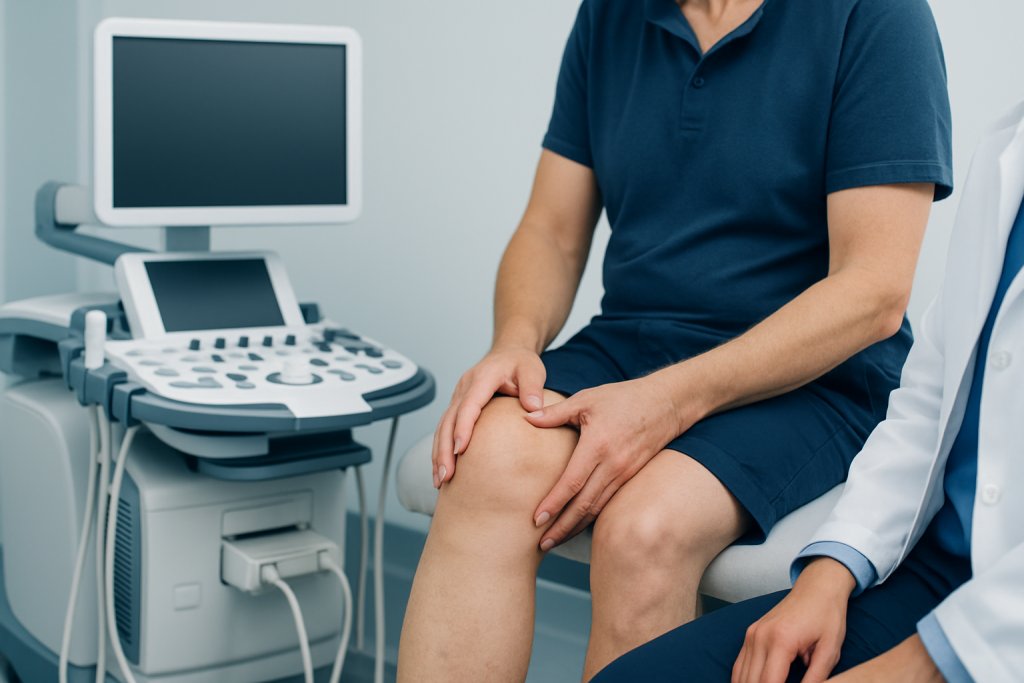
The most common arthritis in knee symptoms are pain, stiffness, swelling, and reduced movement. Pain may be felt inside the joint, around the kneecap, or along the front or sides of the knee, and it often becomes more noticeable with walking, bending, stairs, or standing for long periods.
Stiffness is another important clue. Some people feel it in the morning, while others notice it after resting, driving, or sitting through a long meeting. The joint may feel “rusty” at first and then loosen somewhat with movement, although repeated activity can later bring the pain back.
Other symptoms may include:
- A grinding, creaking, or catching sensation during movement
- Swelling or a feeling of fullness in the knee
- Reduced ability to bend or straighten the leg fully
- Weakness, instability, or the sense that the knee may give way
- Tenderness when pressing around the joint
Inflammatory arthritis can sometimes cause warmth, more obvious swelling, and symptoms in other joints as well. When the knee becomes red, very hot, or extremely painful, prompt medical attention is important because infection or crystal arthritis may also be part of the picture.
Causes & Risk Factors

Knee arthritis develops when the joint’s structures no longer work as smoothly as they once did. In osteoarthritis, the cartilage that cushions the ends of the bones gradually thins, the joint may become less stable, and nearby tissues can become irritated. Over time, the knee may respond with pain, stiffness, and reduced shock absorption.
Inflammatory arthritis has a different mechanism. The body’s immune system, or crystal deposits in the joint, can trigger ongoing inflammation inside the knee. In these cases, symptoms may come and go, affect both knees, or be accompanied by fatigue, skin changes, or involvement of other joints.
Factors that may raise the likelihood of knee arthritis include:
- Older age
- Previous knee injury or surgery
- Repeated high-impact joint stress from work, sports, or physical demands
- Excess body weight, which increases load on the knee
- A family history of certain arthritic conditions
- Autoimmune disease or psoriasis
- Metabolic conditions such as gout
It is worth noting that symptoms do not always match the amount of joint damage seen on a scan. Some people with noticeable changes on imaging have only mild discomfort, while others with early disease feel limited sooner. That is why a careful clinical assessment matters.
Diagnosis
Doctors usually begin with a detailed history of the symptoms: when they started, what makes them better or worse, whether there was an injury, and whether other joints are affected. This conversation helps distinguish mechanical wear-and-tear arthritis from inflammatory or crystal-related causes.
A physical examination follows. The clinician checks for swelling, warmth, tenderness, alignment, walking pattern, range of motion, and any signs of instability or muscle weakness. These findings help clarify whether the knee joint itself is the source of pain or whether nearby structures also contribute.
Tests may be used to confirm the diagnosis or rule out other problems. X-rays can show joint-space narrowing, bone spurs, or changes typical of osteoarthritis. MRI is sometimes used when soft tissue injury or early disease needs a closer look. Blood tests may help identify inflammatory arthritis, infection, or gout, and joint fluid analysis may be recommended if the knee is markedly swollen.
For international patients, the diagnostic path is often planned in steps so that the most useful tests are done without unnecessary delay. A specialist may combine consultation, imaging, and laboratory evaluation into a coordinated visit, which can be especially helpful when someone is traveling for a clear answer and a treatment plan.
Treatment Options
Treatment depends on the type of arthritis, how severe the symptoms are, and how much the joint is limiting daily life. Most care starts conservatively, with a focus on reducing pain, preserving movement, and protecting the knee from further strain.
Non-surgical options often include physical therapy, activity modification, and exercises that strengthen the thigh and hip muscles. Better muscle support can reduce stress on the knee joint and improve balance. Weight management may also help when appropriate, since even modest load reduction can make stairs, walking, and standing more comfortable.
Doctors may suggest medicines to control pain or inflammation, chosen according to the underlying condition and the person’s overall health. In some cases, injections into the knee may be considered to reduce inflammation or improve symptoms. If arthritis is inflammatory, treatment may also include disease-modifying medication guided by a specialist.
When symptoms remain severe despite non-surgical care, procedures such as osteotomy or joint replacement may be discussed. Surgery is usually considered when pain, stiffness, and loss of function are persistent enough to interfere with everyday life and other treatments have not provided sufficient relief. The best choice depends on age, activity level, joint damage, and general health.
Prevention & Self-care
Not all arthritis can be prevented, but a person can often reduce strain on the knee and support joint function. Small, steady changes usually work better than trying to “push through” pain or waiting for symptoms to become severe.
Low-impact exercise is often beneficial. Walking on even ground, cycling, swimming, and guided strengthening routines can help maintain mobility without overloading the joint. A physical therapist can tailor exercises to the person’s condition, especially if pain has already changed the way they move.
Practical self-care may include:
- Using supportive footwear
- Taking breaks during repetitive activity
- Applying heat for stiffness or cold for swelling, if advised
- Using a cane or brace when recommended
- Keeping follow-up appointments to monitor progression
For people traveling for care, planning recovery matters too. It is sensible to ask in advance about walking distance, stair use, medication schedules, and the timing of follow-up visits, since knee symptoms can affect mobility during flights, transfers, and hotel stays. A coordinated care team can help align treatment with travel and rehabilitation needs.
When to See a Doctor
Medical evaluation is a good idea when knee pain or stiffness lasts more than a short period, keeps returning, or begins to interfere with normal activities. Early assessment can identify whether the problem is arthritis, an injury, or another condition that needs a different approach.
Prompt care is especially important if the knee becomes hot, markedly swollen, red, unstable, or too painful to bear weight on. These changes may indicate an inflammatory flare, infection, fracture, or another issue that should not be watched at home for long.
A doctor should also be consulted if the symptoms are affecting sleep, work, travel, exercise, or confidence in walking. People who already have psoriasis, rheumatoid arthritis, gout, or a history of knee injury may benefit from earlier review because the cause may be more specific than simple wear-and-tear arthritis.
Acibadem Health Point’s multidisciplinary specialists and JCI-accredited hospitals diagnose and treat knee arthritis for international patients, with care planning that can include imaging, rehabilitation, and follow-up coordination across borders.
Frequently asked questions
01What are the first arthritis in knee symptoms most people notice?
Many people first notice pain with stairs, standing, or getting up after rest. Stiffness, swelling, and a feeling that the knee is not moving smoothly are also common early signs.
02How is knee arthritis different from a simple knee injury?
An injury often begins after a specific event, such as a twist, fall, or impact. Arthritis usually develops gradually, although a past injury can increase the chance of later joint problems.
03Can knee arthritis affect both knees?
Yes. Osteoarthritis can affect both knees, and some inflammatory forms often involve both sides or several joints. A doctor can help identify the pattern and the likely cause.
04Does knee arthritis always show up on an X-ray?
Not always. X-rays can show structural changes, but symptoms may appear before clear changes are seen, and some people with visible changes have only mild discomfort. Diagnosis is based on the whole clinical picture.
05What helps most with knee arthritis pain?
Treatment often works best when several approaches are combined, such as exercise, weight management when needed, physical therapy, and appropriate medicines. The right plan depends on the type of arthritis and how much the knee is affected.
06When should knee swelling be checked urgently?
Sudden severe swelling, redness, warmth, fever, or inability to bear weight should be evaluated promptly. These signs can point to infection, gout, or another condition that needs timely care.
This article is for general information only and is not a substitute for professional medical advice. Please consult a qualified doctor about your individual situation.
Joint and spine care in Turkey — expert assessment & treatment
JCI-accredited · board-certified surgeons · reply within 24h
Add us as a Preferred Source to see more of our trusted health content across Google Search, AI Overviews and Discover.