Arterial Ulcer vs Venous Ulcer: Key Differences Explained

Key Takeaways
- Arterial ulcers usually come from poor blood flow to the legs, while venous ulcers are linked to blood pooling in the veins.
- Arterial ulcers often hurt more and may appear on the toes, heels, or pressure points; venous ulcers are often around the ankle and can be associated with swelling.
- Diagnosis may include a physical exam, pulse checks, and blood-flow tests such as ankle-brachial index or vascular imaging.
- Treatment differs: arterial ulcers often require improving circulation, while venous ulcers often benefit from compression when it is safe to use.
- Any non-healing leg wound should be assessed by a clinician, especially if there is pain, color change, drainage, or signs of infection.
An arterial ulcer versus venous ulcer comparison helps explain why some leg wounds are cold, painful, and slow to heal while others are swollen, shallow, and improve with elevation. Understanding the differences can guide safer wound care and earlier medical evaluation.
Overview
When people compare arterial ulcer versus venous ulcer, the main difference is where the circulation problem begins. Arterial ulcers form when oxygen-rich blood cannot reach the skin and deeper tissues well enough, while venous ulcers develop when blood has trouble moving back up the legs toward the heart.
That distinction matters because the wound often looks and feels different, and the safest treatment is not the same. A wound that is caused by poor arterial flow may worsen if strong compression is used without checking circulation first, while a venous ulcer may not improve unless swelling and venous pressure are addressed.
For people who are travelling from another country to seek care, this distinction can shape the whole plan: which tests are needed first, whether vascular specialists should be involved, and what kind of dressings or procedures will support healing once home. A clear diagnosis helps avoid trial-and-error treatment and supports more predictable follow-up.
Symptoms
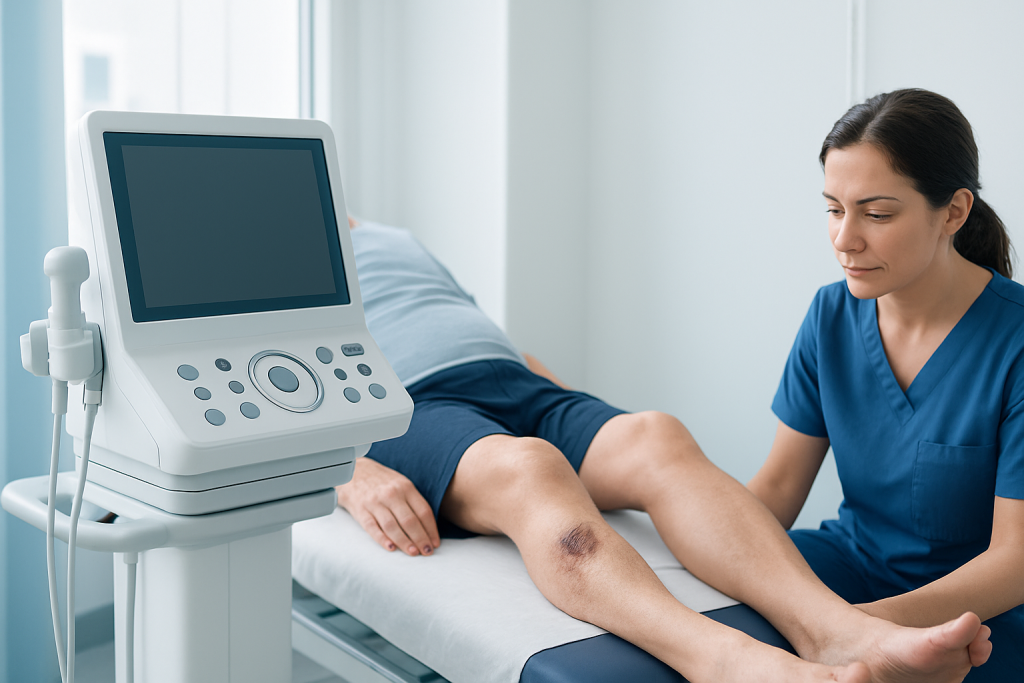
Arterial ulcers are often described as painful, dry, and “punched-out” in appearance. They commonly appear on the toes, feet, heels, or other areas exposed to pressure, and the surrounding skin may look pale, shiny, cool, or discolored. The legs or feet may also feel numb, weak, or unusually sensitive to touch.
Venous ulcers usually develop near the inner ankle or lower calf. They are often shallower and more irregular in shape than arterial ulcers, and the skin around them may be swollen, brownish, itchy, or hardened from long-term venous disease. Pain is possible, but it may feel worse after standing and better when the leg is raised.
Some signs can overlap, which is why a wound should not be assumed to be one type or the other based on appearance alone. A clinician will look at the whole picture, including swelling, temperature, pulse quality, skin color, and the person’s history of vascular disease, diabetes, smoking, or prior vein problems.
Causes & Risk Factors
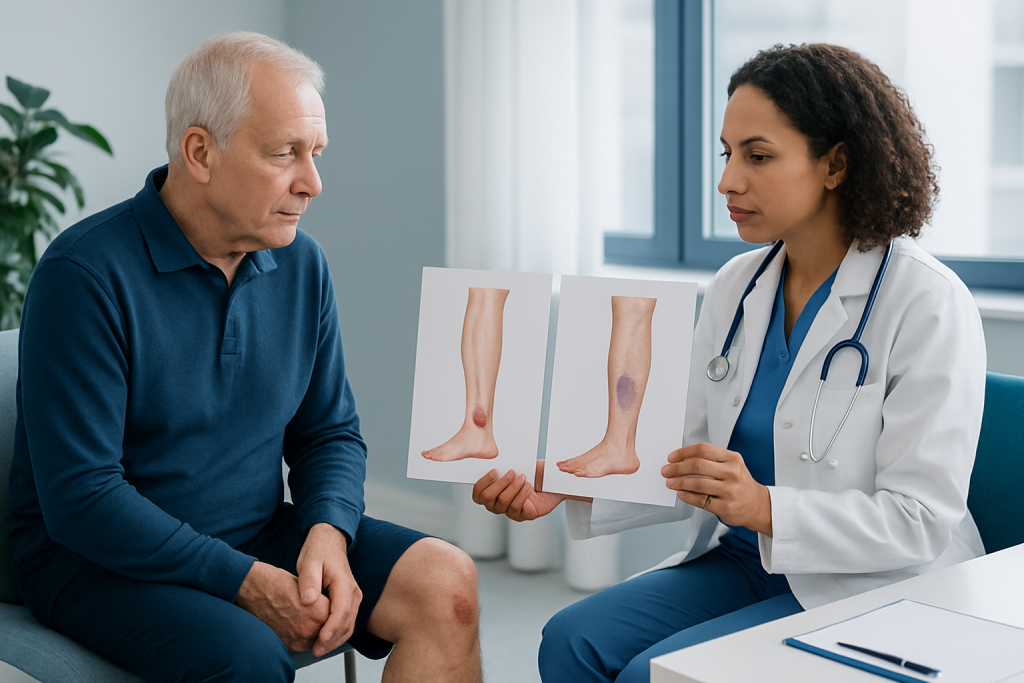
Arterial ulcers usually arise from peripheral artery disease, where narrowed or blocked arteries reduce blood delivery to the lower limbs. Smoking, diabetes, high blood pressure, high cholesterol, kidney disease, and older age can raise the risk, as can a history of vascular disease elsewhere in the body.
Venous ulcers are linked to chronic venous insufficiency. In this condition, vein valves do not move blood upward efficiently, so pressure builds in the lower legs and fluid leaks into surrounding tissue. A prior blood clot, varicose veins, obesity, standing for long periods, and reduced mobility can contribute.
Both types become more likely when circulation is affected for a long time and the skin is repeatedly stressed. Even a small injury, tight footwear, or a minor knock to the leg may turn into a stubborn wound if blood flow is poor or swelling is persistent.
Diagnosis
Evaluation begins with a careful history and examination. A clinician will usually ask about pain pattern, swelling, walking distance, smoking history, diabetes, prior clots, and any previous ulcers. The wound itself is examined for size, depth, drainage, surrounding skin changes, odor, and signs of infection.
Tests may be used to check circulation. The ankle-brachial index compares blood pressure in the ankle and arm and can suggest arterial narrowing. Depending on the findings, duplex ultrasound, toe pressure testing, or other vascular imaging may be recommended to assess arterial or venous flow in more detail.
Because wound healing can be influenced by several conditions at once, diagnosis is often multidisciplinary. A vascular specialist, wound-care clinician, and sometimes a diabetes or rehabilitation team may work together, especially when someone is arranging care across borders and needs a coordinated plan before returning home.
Treatment Options
Treatment depends on the cause, and this is where the arterial ulcer versus venous ulcer difference becomes especially important. Arterial ulcers usually require restoring blood flow as much as possible. That may involve medication management of cardiovascular risk factors, and in some cases procedures such as angioplasty, stenting, or bypass surgery.
Venous ulcers are often treated with compression therapy if the arterial circulation is adequate enough for it to be safe. Elevating the legs, moving regularly, and protecting the skin can also help reduce swelling and support healing. If a wound is infected or heavily draining, clinicians may add appropriate dressings or antibiotics when indicated.
For both ulcer types, wound care aims to create a cleaner, more stable environment for healing. This may include careful cleaning, debridement when appropriate, moisture-balanced dressings, pain management, and treatment of underlying conditions such as diabetes or edema. A tailored plan is especially valuable for international patients who may need clear instructions for wound care after travel.
Prevention & Self-care
Preventing recurrence starts with protecting circulation. For arterial risk, that means not smoking, controlling blood sugar and blood pressure, staying physically active within one’s ability, and following prescribed cardiovascular treatment. Good footwear and regular skin checks can help catch pressure points before they become ulcers.
For venous disease, daily movement, calf exercises, leg elevation, and weight management can reduce venous pressure. If compression stockings are recommended, they should be used only after a clinician confirms that arterial circulation is sufficient and explains how to wear them safely.
- Inspect feet and lower legs daily for redness, blisters, or color changes.
- Keep skin moisturized, but avoid applying lotion between the toes unless advised.
- Protect legs from bumps, heat, and friction.
- Follow wound-care instructions carefully and do not change dressings more often than advised.
- Seek follow-up promptly if the wound is not improving.
When to See a Doctor
Any leg or foot ulcer that does not begin to improve within a reasonable timeframe should be evaluated by a clinician. A wound that is increasingly painful, enlarging, draining pus, or accompanied by fever deserves timely attention. Sudden color change, a cold foot, or new numbness can suggest a circulation problem that should not be ignored.
Medical assessment is particularly important for people with diabetes, known vascular disease, a history of smoking, or poor sensation in the feet. Even a small ulcer can become complex if circulation is limited or if infection develops, so early care usually leads to better outcomes than waiting for the wound to “settle down” on its own.
If someone is considering treatment abroad, it is reasonable to ask for a clear diagnosis, circulation testing, and a written follow-up plan before travel home. Acibadem Health Point’s multidisciplinary specialists and JCI-accredited hospitals diagnose and treat arterial and venous ulcers for international patients, with coordinated care that supports recovery and continuity after discharge.
Living With a Healing Ulcer
Healing an ulcer is often less about one dramatic intervention and more about steady, practical steps. Dressing changes, circulation management, pain control, and protecting the affected area all matter. Small improvements in pain, drainage, and skin color can be meaningful signs that the plan is working.
It also helps to think ahead about daily life. People may need guidance on walking, bathing, footwear, and long-distance travel while a wound is still healing. Clear instructions from the care team make it easier to continue treatment safely at home, whether the ulcer is arterial, venous, or part of a mixed circulation problem.
When follow-up is organized early, patients are better prepared to notice changes and respond appropriately. That is especially useful for international patients who may see one team for diagnosis and another for ongoing wound care after they return to their own country.
Frequently asked questions
01What is the main difference between an arterial ulcer and a venous ulcer?
An arterial ulcer is caused by reduced blood flow to the limb, while a venous ulcer is caused by blood pooling in the veins. Because the cause is different, the treatment approach is also different. A proper diagnosis is important before starting therapies such as compression.
02Where do arterial ulcers usually appear?
Arterial ulcers often appear on the toes, feet, heels, or other pressure points on the lower leg. They may look dry and have sharply defined edges. The surrounding skin can feel cool or look pale or discolored.
03Where do venous ulcers usually appear?
Venous ulcers commonly occur around the inner ankle or lower calf. They are often shallow and may be surrounded by swollen, brown, or itchy skin. Symptoms may feel worse after standing for a long time.
04Can a leg ulcer have both arterial and venous causes?
Yes. Some people have a mixed ulcer, meaning both artery and vein problems contribute. In those cases, treatment must be planned carefully so that the wound is managed safely and circulation is not compromised.
05Is compression always safe for a leg ulcer?
No. Compression is often helpful for venous ulcers, but it may be unsafe if arterial blood flow is significantly reduced. A clinician should check circulation first, usually with an exam and blood-flow testing.
06What should someone do if a leg wound is not healing?
A non-healing leg wound should be assessed by a doctor or wound-care specialist. Ongoing pain, drainage, swelling, or skin color changes are reasons to seek evaluation sooner rather than later. Early treatment can help prevent complications.
This article is for general information only and is not a substitute for professional medical advice. Please consult a qualified doctor about your individual situation.
Persistent digestive symptoms? Get evaluated in Turkey
JCI-accredited · board-certified surgeons · reply within 24h
Add us as a Preferred Source to see more of our trusted health content across Google Search, AI Overviews and Discover.