Arm Muscles: Anatomy and Function

Key Takeaways
- The arm includes several muscle groups that work together for movement and stability.
- Pain or weakness can come from strain, tendon irritation, nerve compression, or referred pain.
- Diagnosis usually begins with a history, physical examination, and sometimes imaging or nerve tests.
- Many arm muscle problems improve with rest, guided exercise, and targeted treatment.
- Persistent swelling, sudden weakness, numbness, or injury after trauma should be checked by a doctor.
Arm muscles support everyday actions such as lifting, pushing, reaching, and carrying. When pain, weakness, or stiffness appears, the cause may range from overuse to nerve-related or joint-related problems that deserve proper evaluation.
Overview
Arm muscles do far more than make the upper limb look defined. They help a person open a door, lift a suitcase, steady a grocery bag, reach for a seatbelt, and hold posture during work or sports. The upper arm, forearm, shoulder girdle, and the smaller stabilizing muscles around the elbow and wrist all share the load.
When someone notices arm pain, stiffness, cramping, or reduced strength, the problem is not always inside the muscle itself. Tendons, joints, nerves, and even the neck can create symptoms that feel like a muscle issue. That is why a careful evaluation matters, especially for people who are planning treatment while traveling or trying to decide whether care can wait until they return home.
In many cases, arm muscle complaints are temporary and improve with rest and targeted rehabilitation. In others, the pain is a clue to a more specific condition such as a strain, tendon inflammation, nerve compression, or a shoulder disorder that changes how the arm is used. Understanding the pattern of symptoms helps guide the next step.
Symptoms

Arm muscle problems often begin with discomfort during a specific movement. A person may feel a pulling sensation when lifting, a sharp twinge during reaching, or soreness after exercise that does not settle in the usual time. Weakness can appear alongside pain, especially if the muscle is trying to protect an injured area.
Symptoms can also include stiffness, reduced range of motion, tenderness to touch, cramping, or a sense that the arm tires more quickly than expected. Some people notice swelling or bruising after a sudden injury, while others describe a gradual ache that worsens with repetitive tasks such as typing, carrying bags, or working overhead.
Not every arm symptom comes from the muscle belly itself. Numbness, tingling, burning pain, or pain that travels from the neck into the hand may point to a nerve-related cause. New visible deformity, marked swelling, or an inability to use the arm normally deserves prompt medical attention.
Causes & Risk Factors

Muscle strain is one of the most common reasons for arm pain. It can happen after lifting something heavy, making a sudden forceful movement, or returning too quickly to exercise after a break. Small tears in muscle fibers may produce localized pain, tenderness, and weakness.
Repetitive use can also irritate the structures around the arm muscles. Sports such as tennis, swimming, climbing, and weight training may stress the biceps, triceps, forearm muscles, or the tendons that attach them to bone. Work that involves repeated lifting, gripping, or overhead reaching can have a similar effect.
Several other factors can increase the chance of arm muscle symptoms:
- Poor lifting technique or abrupt changes in training intensity
- Muscle imbalance or limited flexibility
- Poor ergonomics at work or home
- Age-related tendon wear
- Neck or shoulder problems that alter arm mechanics
- Inflammatory conditions or less commonly infection, nerve disease, or circulation problems
International patients often arrive after several weeks of self-treatment, hoping to get a clearer answer before symptoms interfere further with work, travel plans, or rehabilitation. That situation is common and usually manageable with the right assessment.
Diagnosis
Diagnosis starts with a detailed discussion of when the symptoms began, what movements make them worse, and whether there was a clear injury. A doctor will usually examine the arm, shoulder, elbow, wrist, and neck to see whether the pattern fits a muscle injury or suggests a different source.
During the physical examination, the doctor may check strength, tenderness, swelling, range of motion, and reflexes. Simple resistance tests can help identify which muscle group is involved. If the history suggests nerve involvement, the examination may include sensation testing and evaluation of posture or spinal alignment.
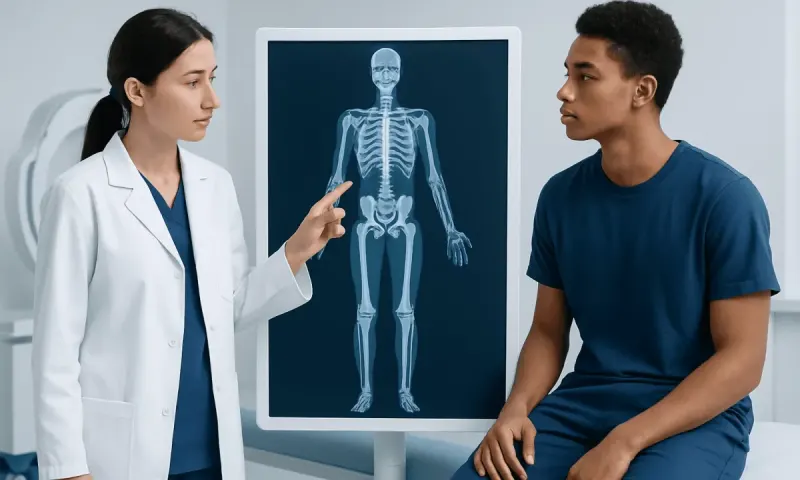
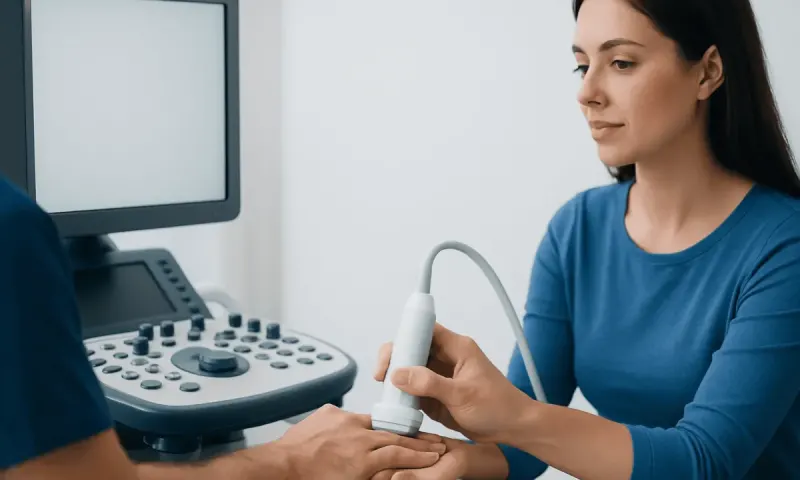
Depending on the findings, testing may include imaging or other studies. Ultrasound or MRI can help evaluate soft tissues, while X-rays may be useful if there was trauma or concern about bone or joint involvement. Nerve conduction studies or electromyography may be recommended when symptoms suggest compression or injury to a nerve rather than a primary muscle problem.
Treatment Options
Treatment depends on the cause and severity of the problem. A simple strain may improve with relative rest, temporary activity modification, and a gradual return to movement. The aim is usually to calm pain while preventing the arm from becoming unnecessarily stiff or weak.
Physical therapy is often central to recovery. A therapist may guide stretching, strengthening, posture work, and movement retraining so the arm can tolerate daily tasks again. If the issue involves the shoulder, elbow, or neck, rehabilitation often focuses on the whole chain of movement rather than only the painful spot.
Other treatments may be used when needed. These can include heat or cold therapy, bracing or support for selected conditions, and medical treatment for tendon inflammation, nerve compression, or inflammatory disease. In more complex cases, such as a tendon tear or severe nerve entrapment, a specialist may discuss procedural or surgical options. The best plan is individualized and should be based on an in-person assessment rather than guesswork.
For patients who are receiving care abroad, clear follow-up planning is important. A treatment pathway should include guidance on activity limits, rehabilitation timing, and when it is safe to travel home or resume exercise. Acibadem Health Point’s multidisciplinary specialists and JCI-accredited hospitals diagnose and treat arm-related conditions for international patients with coordinated follow-up when needed.
Prevention & Self-care
Many arm muscle problems can be reduced by building strength and using the arm in a more balanced way. Warm up before exercise, increase training loads gradually, and pay attention to form during lifting or sports. If work involves repetitive tasks, small changes in posture, equipment setup, or task rotation can protect the upper limb over time.
At home, it helps to respect early warning signs. Mild soreness after activity usually settles with rest and lighter use, but pain that keeps returning may mean the arm needs a more structured recovery plan. Gentle stretching and graded strengthening are often safer than complete inactivity for long periods, unless a doctor advises otherwise.
General self-care can include:
- Using ice or heat as advised for short-term symptom relief
- Avoiding sudden heavy lifting during recovery
- Maintaining shoulder, neck, and upper back mobility
- Supporting sleep and hydration, especially during active rehabilitation
- Following the prescribed home exercise plan consistently
For travelers, it is sensible to plan follow-up before leaving a treatment center. Bringing copies of imaging reports, therapy instructions, and medication lists can make ongoing care easier once home.
When to See a Doctor
Medical evaluation is recommended if arm pain lasts more than a short period, keeps returning, or limits normal use. A doctor should also be seen if there is noticeable weakness, trouble gripping objects, pain that begins after a fall or direct injury, or symptoms that are not improving with simple rest.
Prompt assessment is especially important when the arm looks deformed, swelling is significant, bruising appears suddenly, or numbness and tingling accompany the pain. Chest pain, shortness of breath, or sudden symptoms affecting the face or speech are not typical muscle complaints and need urgent care.
Because arm symptoms can come from the muscle, tendon, joint, neck, or nerves, self-diagnosis is often incomplete. A qualified clinician can separate these possibilities, recommend the most appropriate treatment, and help a patient recover with less trial and error.
Living With Arm Muscle Problems During Recovery
Recovery is often a process of small improvements rather than a single turning point. People generally do better when they keep the arm moving within safe limits, avoid overprotecting it, and follow a stepwise return to activity. Rushing back to heavy lifting too soon can prolong healing.
For those who travel for medical care, recovery planning should also include practical questions: Can exercises be continued during the flight home? Is a sling or brace necessary for travel? When should a follow-up appointment happen if symptoms change? These details matter as much as the diagnosis itself because they help protect progress after leaving the clinic.
When arm muscle pain is understood in context, it becomes easier to manage. With the right diagnosis, most patients can return to ordinary movement, work, and exercise in a safe and sustainable way.
Frequently asked questions
01What are the main arm muscles?
The main visible arm muscles include the biceps and triceps, but many other muscles help with movement and stability. Forearm muscles control gripping and wrist motion, while shoulder muscles help position the arm. These groups work together rather than acting alone.
02How can someone tell if arm pain is muscular or something else?
Muscular pain often feels local and worsens with specific movements or pressure on the area. If the pain includes numbness, tingling, burning, or spreads from the neck into the hand, a nerve or spine-related cause may be involved. A medical exam is the most reliable way to tell the difference.
03Should arm muscle pain be rested completely?
Short periods of rest can help after a strain or flare-up, but complete inactivity for too long may lead to stiffness and weakness. In many cases, gentle movement and guided rehabilitation are more helpful than avoiding all use. The best balance depends on the cause of the pain.
04When is imaging needed for an arm muscle problem?
Imaging is considered when the cause is unclear, the injury is significant, or the symptoms suggest a tear, joint problem, or another deeper issue. Ultrasound, MRI, or X-rays may be used depending on the suspected condition. A clinician decides which test, if any, is most useful.
05Can arm muscle problems heal without surgery?
Yes, many do. Strains, overuse injuries, and some tendon problems often improve with conservative treatment such as activity modification, physical therapy, and symptom control. Surgery is usually reserved for specific cases such as major tears or persistent nerve compression.
06What should an international patient prepare before traveling for arm treatment?
It helps to gather any previous scans, reports, medication lists, and a summary of symptoms before the trip. Patients should also ask about recovery time, activity limits, and follow-up plans for after they return home. Clear instructions make continuing care much easier.
This article is for general information only and is not a substitute for professional medical advice. Please consult a qualified doctor about your individual situation.
Joint and spine care in Turkey — expert assessment & treatment
JCI-accredited · board-certified surgeons · reply within 24h
Add us as a Preferred Source to see more of our trusted health content across Google Search, AI Overviews and Discover.