Are You a Candidate for Shoulder Replacement?
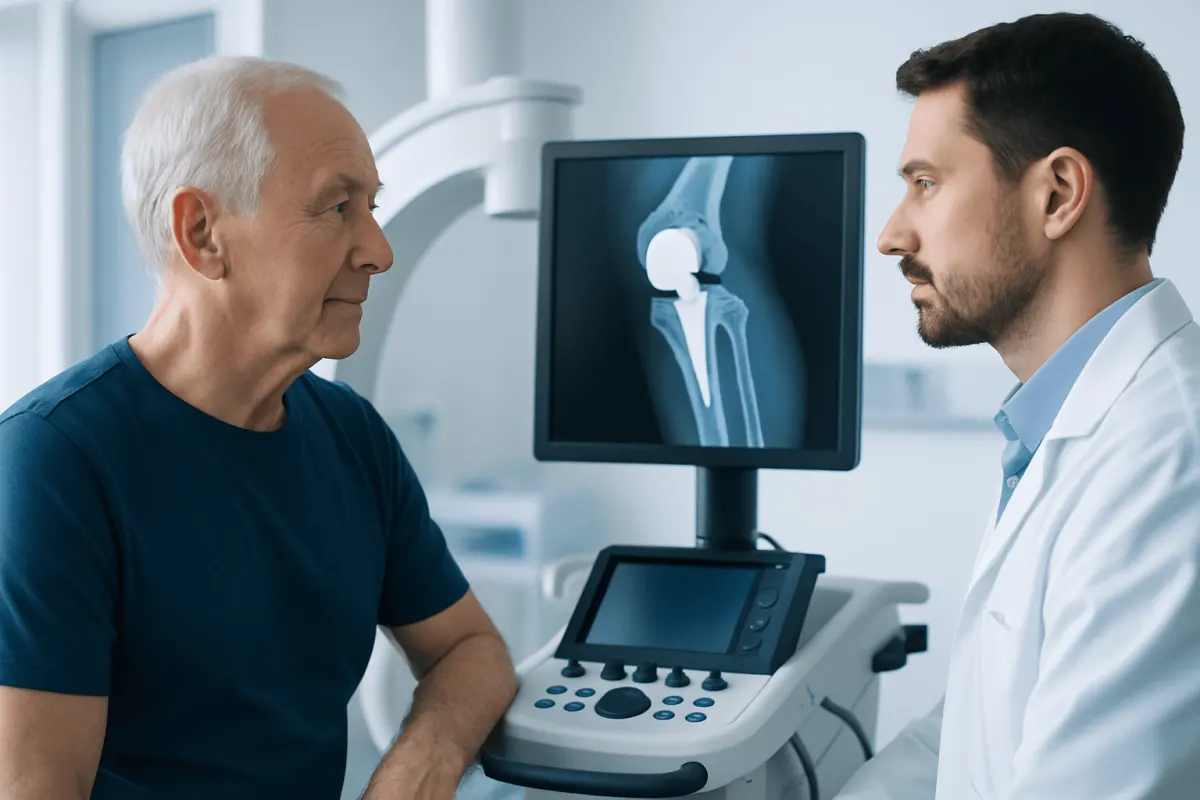
A person may be a candidate for shoulder replacement when severe joint damage causes persistent pain, stiffness, weakness, or loss of function that has not improved with appropriate nonsurgical treatment. Eligibility is based on the shoulder condition, imaging results, overall health, goals, and the expected benefit of surgery rather than age alone.
Overview: When Shoulder Replacement May Be Appropriate
People asking, “am I a candidate for shoulder replacement?” may be eligible if they have severe shoulder joint damage that causes persistent pain and substantially affects sleep, self-care, work, or enjoyable activities despite suitable nonsurgical treatment. A specialist makes this decision after reviewing symptoms, examination findings, imaging, general health, and the person’s goals for movement and comfort.
Shoulder replacement, also called shoulder arthroplasty, replaces damaged parts of the shoulder joint with carefully designed artificial components. It is not usually the first treatment for shoulder pain. It is considered when the joint is significantly damaged and treatments such as activity changes, physiotherapy, pain-relieving medicines, or injections have not provided adequate and lasting relief.
The most suitable operation varies from person to person. A surgeon may recommend total shoulder replacement, reverse total shoulder replacement, or partial shoulder replacement. For a broader explanation of the operation and available approaches, see shoulder replacement treatment.
Common Eligibility Criteria
There is no single test that determines eligibility. In general, a person may be considered when shoulder pain is severe or frequent, movement is markedly limited, and the condition has a meaningful effect on daily independence or quality of life. Pain that continues at rest or regularly interrupts sleep can be an important sign of advanced joint disease.
Imaging must also support the clinical picture. X-rays commonly show joint-space loss, bone changes, deformity, or fracture-related damage. CT or MRI scans may be needed to assess bone shape, the rotator cuff tendons, cartilage, and the extent of joint injury. The surgeon matches these findings with symptoms rather than relying on a scan alone.
Good candidates are usually able and willing to participate in rehabilitation and follow postoperative guidance. They also need a realistic understanding of the likely outcomes: surgery aims primarily to reduce pain and improve useful function, but it may not restore every movement or allow every high-impact activity.
- Persistent pain and disability despite appropriate nonsurgical care
- Advanced arthritis, irreversible joint damage, or selected complex fractures
- Imaging findings that match the person’s symptoms and examination
- A health profile that allows surgery and anaesthesia to be managed safely
- A practical plan for recovery support and physiotherapy
Shoulder Conditions That May Lead to Replacement

Osteoarthritis is a common reason for shoulder replacement. In this condition, the smooth cartilage covering the joint surfaces wears down, allowing bone surfaces to rub more directly. This can lead to pain, stiffness, grinding sensations, and progressive difficulty raising or rotating the arm.
Other possible reasons include inflammatory arthritis, arthritis after a previous injury, and avascular necrosis, in which reduced blood supply damages part of the upper arm bone. Some complex fractures of the upper humerus may also be treated with replacement when reconstruction is unlikely to provide a stable, functioning joint.
Another important condition is rotator cuff tear arthropathy. This occurs when a large, long-standing rotator cuff tear is associated with arthritis and altered shoulder mechanics. In these cases, reverse shoulder replacement may be considered because it uses the deltoid muscle differently to help lift the arm. Related shoulder symptoms and diagnoses should be assessed carefully, as not all rotator cuff tears require Knee Replacement Surgery: Candidates, Implant Types, and Recovery" class="ahp-ilk">replacement surgery.
A previous shoulder operation that has not relieved pain or has resulted in implant problems may also lead to discussion of revision shoulder replacement. Revision surgery is individualized and can be more complex because of scar tissue, bone loss, or infection concerns.
Preoperative Assessment: How Specialists Decide
A shoulder specialist begins with a detailed discussion of the person’s symptoms. They may ask what movements are difficult, whether pain occurs at night, which treatments have already been tried, and what activities matter most to the individual. Examination assesses range of motion, strength, stability, tenderness, nerve function, and the condition of the surrounding muscles.
Medical evaluation is equally important. Conditions such as heart or lung disease, diabetes, anaemia, kidney disease, use of blood-thinning medicines, and smoking may require optimization before surgery. Active infection anywhere in the body generally needs to be treated before a joint implant is considered. Dental, skin, urinary, or other infection concerns should be discussed with the care team.
Age alone does not determine suitability. Some older adults are medically fit and benefit greatly, while younger adults may be advised to delay surgery if symptoms can be managed by other means, because implants can wear over time and future revision surgery may be needed. Bone quality, muscle function, the rotator cuff, and everyday activity demands all influence the recommendation.
Many centers use a pre-assessment process to review medical history, imaging, medicines, support at home, and rehabilitation needs. Completing a pre-assessment form can help organize this information, but it does not replace an in-person surgical evaluation.
How the Procedure Works and What Happens Step by Step
The shoulder is a ball-and-socket joint. In an anatomic total shoulder replacement, the damaged ball at the top of the upper arm bone is replaced with a metal component, while the socket is resurfaced with a durable component. This option generally requires a functioning rotator cuff to support normal shoulder mechanics.
In reverse total shoulder replacement, the positions are switched: a ball is attached to the shoulder blade side and a socket-shaped component is placed on the upper arm bone. This design can be particularly helpful when the rotator cuff is severely damaged or absent. A partial replacement may be used in selected situations when only the humeral head needs replacement.
On the day of surgery, the person receives anaesthesia and the surgical team monitors them throughout the operation. The surgeon makes an incision, removes or reshapes damaged joint surfaces, places the chosen components, checks stability and movement, and closes the incision. The precise technique and implant choice depend on anatomy, diagnosis, and surgical planning.
Following surgery, the arm is typically supported in a sling for a period recommended by the surgeon. Pain control, early safe movement, and instructions for protecting the repair are planned before discharge. Hospital stay and the timing of discharge vary according to the procedure, health status, pain control, and support available at home.
Benefits, Limitations, and Possible Risks
The main expected benefit of shoulder replacement is meaningful pain relief. Many people also experience improved ability to perform everyday tasks such as dressing, washing, reaching a shelf, or sleeping more comfortably. The amount of movement gained differs between individuals and is influenced by the original condition, muscle and tendon function, stiffness before surgery, and commitment to rehabilitation.
Shoulder replacement is major surgery, and all operations have potential risks. These include infection, bleeding, blood clots, nerve or blood vessel injury, stiffness, fracture, joint instability or dislocation, loosening or wear of components, and continued pain. In reverse replacement, instability and certain stress-related bone problems may require particular attention. Some complications may need additional treatment or, less commonly, further surgery.
It is also important to understand that an implant is not identical to a natural joint. Heavy lifting, repetitive high-impact use, or contact activities may not be advised, depending on the implant and surgeon’s guidance. A balanced discussion of benefits, limitations, and alternatives helps each person make an informed decision.
Recovery Timeline and Self-Care After Surgery
Recovery begins immediately after surgery with wound care, pain management, and protection of the shoulder. A sling is commonly used early on, although the length of use varies with the operation and tissue condition. Patients are given individualized instructions about bathing, sleeping position, driving, lifting, and movements to avoid.
Physiotherapy is a central part of recovery. Early exercises may focus on gentle, protected movement, followed by gradual work on flexibility, strength, and function. Progress is intentionally gradual because healing tissues and the new joint need time to adapt. The rehabilitation plan differs between anatomic and reverse shoulder replacement.
Many people can manage basic daily activities with adaptations in the first weeks, but recovery of useful arm function continues over months. Improvement can remain gradual for a year or longer. Attending follow-up visits, completing recommended exercises, avoiding unapproved lifting, and reporting new symptoms promptly can support a safer recovery.
Acıbadem Health Point’s multidisciplinary specialists and JCI-accredited hospitals evaluate and treat shoulder conditions for international patients, including individualized planning for surgery and rehabilitation.
When to Seek Medical Care
A person should arrange a medical assessment when shoulder pain lasts for several weeks, returns repeatedly, disrupts sleep, or limits routine activities despite rest and basic measures. Early evaluation can identify causes of shoulder pain and help determine whether physiotherapy, medication, injections, or another treatment may be appropriate before surgery is considered.
Urgent medical care is appropriate after a significant injury when the shoulder looks deformed, cannot be moved, becomes rapidly swollen, or is associated with numbness, weakness, a cold or pale hand, or severe pain. These symptoms may indicate a fracture, dislocation, or nerve or circulation problem.
After shoulder replacement, patients should contact their surgical team promptly for fever, increasing redness or drainage from the wound, worsening rather than improving pain, sudden loss of shoulder function, chest pain, shortness of breath, or swelling and pain in the calf. These symptoms do not always indicate a serious problem, but they need timely assessment.
Frequently asked questions
01Am I a candidate for shoulder replacement if I am older?
Age by itself does not decide whether shoulder replacement is suitable. Specialists consider overall health, shoulder damage, activity needs, rehabilitation ability, and the likely balance of benefits and risks. Many older adults can be suitable candidates when their medical conditions are well managed.
02Do I need to try physiotherapy before shoulder replacement?
In many cases, clinicians recommend nonsurgical options first, including physiotherapy, activity modification, pain management, and sometimes injections. However, this depends on the diagnosis. A severe fracture or certain advanced shoulder problems may require earlier surgical discussion.
03What is the difference between total and reverse shoulder replacement?
A standard total shoulder replacement recreates the normal ball-and-socket arrangement and generally relies on an intact rotator cuff. A reverse shoulder replacement switches the ball and socket positions, allowing the deltoid muscle to help compensate when the rotator cuff is severely damaged. The best option depends on imaging and examination findings.
04Can shoulder replacement help a rotator cuff tear?
Most rotator cuff tears do not require shoulder replacement and may be treated with rehabilitation, medication, injections, or tendon repair when appropriate. Reverse shoulder replacement may be considered when a large irreparable tear is combined with advanced arthritis and major loss of function. A shoulder specialist can determine whether this pattern is present.
05How long does recovery from shoulder replacement take?
Initial recovery takes weeks, while strength and functional improvement commonly continue for several months. The exact timeline depends on the type of replacement, the health of the muscles and tendons, and participation in physiotherapy. Full recovery can continue to evolve for a year or longer.
06What might make shoulder replacement unsuitable or delayed?
Active infection, uncontrolled medical conditions, insufficient bone or soft-tissue support, or inability to complete essential rehabilitation may require treatment or planning before surgery. In some situations, symptoms may also be manageable without replacement. The decision is individualized and should be made with an orthopaedic shoulder specialist.
This article is for general information only and is not a substitute for professional medical advice. Please consult a qualified doctor about your individual situation.
Joint and spine care in Turkey — expert assessment & treatment
JCI-accredited · board-certified surgeons · reply within 24h
Add us as a Preferred Source to see more of our trusted health content across Google Search, AI Overviews and Discover.