Are Vivid Dreams a Sign of Mental Illness or Stress?
Are vivid dreams a sign of mental illness? Usually, no. Vivid dreams are common and often harmless, especially during stress, sleep changes, illness, or after certain medicines; however, persistent distress, daytime symptoms, or unsafe sleep behaviors should be discussed with a doctor.
Overview: vivid dreams are usually not a sign of mental illness
Vivid dreams are dreams that feel unusually clear, emotional, detailed, or realistic. A person may remember colors, conversations, places, and strong feelings after waking. Although these experiences can be unsettling, vivid dreams by themselves are not generally a sign of mental illness.
Dreaming is a normal part of sleep, particularly during rapid eye movement (REM) sleep. People are more likely to recall dreams when they wake during or shortly after REM sleep. Changes that make sleep lighter or more interrupted can therefore make dreams seem more frequent or intense.
It can be useful to consider the full pattern rather than the dream content alone. Recurrent nightmares, poor sleep, daytime anxiety or low mood, trauma-related symptoms, medication changes, or unusual movements and behaviors during sleep may provide helpful clues for a clinician. In many cases, simple sleep and lifestyle adjustments can reduce distressing dream experiences.
Why dreams can feel unusually vivid
Dream intensity can vary naturally from one night to the next. Emotional events, worries, excitement, and new experiences may influence what a person dreams about and how strongly they remember it. A vivid dream does not necessarily reveal a hidden problem or predict an event.
Sleep timing also matters. Sleeping later than usual, taking naps, catching up after sleep deprivation, or waking repeatedly during the night can increase dream recall. Some people notice more vivid dreams after changing work shifts, travelling across time zones, or recovering from a period of disrupted sleep.
Physical illness may temporarily affect sleep as well. Fever, pain, breathing discomfort, and some infections can fragment sleep and contribute to unusual or memorable dreams. Once the illness and sleep disruption improve, dream vividness often settles.
Nightmares are a type of vivid dream that causes fear, distress, or awakening. An occasional nightmare is common at any age. Frequent nightmares that lead to ongoing sleep avoidance, tiredness, or distress deserve medical attention because effective support is available.
Common causes and contributing factors

Stress is one of the most common contributors to vivid dreams. Everyday pressure, relationship difficulties, grief, major life transitions, and uncertainty can affect both sleep quality and emotional processing during sleep. Anxiety or depression can also coexist with disturbed sleep, but vivid dreams alone are not enough to identify either condition.
Alcohol, recreational substances, nicotine, caffeine late in the day, and withdrawal from alcohol or some substances may change sleep structure. This can increase awakenings and dream recall. Avoiding alcohol close to bedtime and discussing substance use openly with a healthcare professional can be important steps when dreams have changed.
Some prescription and non-prescription medicines may affect dreaming or sleep. These can include certain medicines used for mood, blood pressure, movement disorders, allergies, smoking cessation, and sleep. A person should not stop a prescribed medicine abruptly because of dreams; instead, they should ask the prescriber or pharmacist whether the timing, dose, or alternative options need review.
Sleep conditions may contribute as well. Obstructive sleep apnea can repeatedly interrupt sleep, while insomnia can make sleep lighter and more fragmented. Parasomnias, including nightmare disorder and REM sleep behavior disorder, may require a specialist assessment, especially when a person talks, shouts, punches, kicks, or leaves the bed while dreaming.
Mental health, trauma, and vivid dreams
Vivid dreams can occur during periods of anxiety, depression, or high stress, but they are not a diagnostic sign of a mental health condition. Mental health diagnoses are based on a broader assessment of symptoms, how long they have been present, and their impact on daily life, relationships, work, and safety.
After a traumatic event, some people experience recurrent nightmares or dreams that replay aspects of what happened. These may occur alongside intrusive memories, avoidance, persistent alertness, mood changes, or difficulty sleeping. Such symptoms can be associated with post-traumatic stress disorder (PTSD) and should be evaluated by a qualified mental health professional.
Dreams should also be distinguished from experiences that occur while awake. Hearing voices, seeing things others do not see, severe confusion, unusually elevated energy with little need for sleep, or fixed beliefs that are not shared by others require timely clinical evaluation. These symptoms are not explained simply by having vivid dreams.
A compassionate assessment can identify whether a person is experiencing a temporary sleep-related change, a treatable sleep disorder, stress-related nightmares, or a mental health concern needing support. Seeking help is a practical step and does not mean that a serious diagnosis is expected.
How a doctor evaluates troubling dreams
A doctor will usually begin by asking when the vivid dreams started, how often they occur, whether they cause awakenings, and how they affect daytime functioning. They may ask about bedtime routines, sleep duration, snoring, pauses in breathing, daytime sleepiness, shift work, recent travel, illnesses, and stressful life events.
A medication and substance review is an important part of the visit. The clinician may ask about new prescriptions, over-the-counter products, supplements, alcohol, caffeine, nicotine, and recreational drugs. Bringing a current medication list can make this discussion easier and safer.
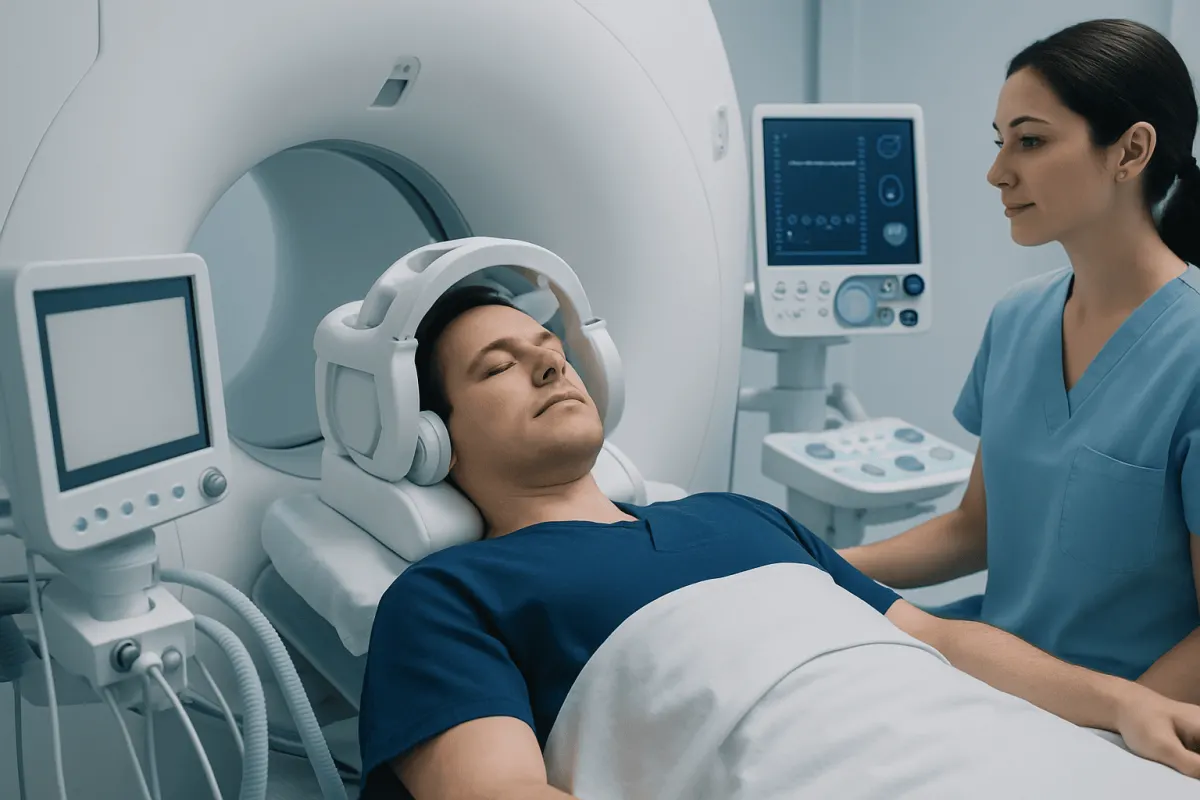
A sleep diary kept for one to two weeks may help identify patterns. It can include bedtime, wake time, naps, alcohol or caffeine use, medicines, awakenings, dream recall, and daytime symptoms. If a sleep disorder is suspected, the doctor may recommend a sleep study or referral to a sleep specialist.
When nightmares are linked with anxiety, depression, trauma, or other emotional symptoms, screening questions and a mental health assessment may be appropriate. Treatment is tailored to the likely cause and may include sleep-focused strategies, psychological therapy, medication review, or care for an underlying sleep condition.
Practical steps to support healthier sleep
Consistent sleep routines can reduce sleep disruption and make dreams less intrusive. Going to bed and getting up at approximately the same times each day, allowing enough time for sleep, and using a calm wind-down routine may be helpful. A dark, quiet, comfortable bedroom also supports more stable sleep.
It may help to limit alcohol and nicotine in the evening and avoid caffeine later in the day if it affects sleep. Heavy meals, intense exercise, and emotionally stimulating media close to bedtime can also interfere with sleep for some people. These changes do not need to be perfect; gradual, realistic adjustments are often easier to sustain.
For distressing dreams, writing down worries earlier in the evening, practicing relaxation techniques, or discussing ongoing stress with a trusted professional may help. People with repeated nightmares may benefit from structured psychological approaches, including imagery rehearsal therapy, in which the nightmare is safely rewritten and mentally practiced with a less distressing ending.
If a partner notices shouting, striking out, falling from bed, or other dream-enactment behaviors, it is sensible to make the sleep environment safer while arranging a medical review. Removing sharp objects near the bed and avoiding sleeping on elevated surfaces can lower injury risk.
When to seek medical care
A non-urgent appointment is appropriate when vivid dreams or nightmares occur frequently, disrupt sleep, cause daytime fatigue, lead to fear of sleeping, or begin after a new medicine or substance change. Medical advice is also recommended if there is loud snoring, witnessed breathing pauses, repeated gasping, or marked daytime sleepiness.
Prompt assessment is important if a person physically acts out dreams, becomes injured, injures a bed partner, or develops new dream-enactment behavior later in adulthood. A specialist can assess for parasomnias and other neurological or sleep-related causes. REM sleep behavior disorder is one example of a condition that may involve movement or vocalization during dreaming.
Urgent mental health support is needed for thoughts of self-harm or suicide, severe agitation, hallucinations or confusion while awake, or an inability to stay safe. Emergency services or local crisis resources should be contacted immediately when there is an immediate risk of harm.
Acıbadem Health Point’s multidisciplinary specialists and JCI-accredited hospitals can assess sleep, neurological, and mental health concerns for international patients. The right care pathway depends on the individual symptoms, sleep history, and any associated medical conditions.
Frequently asked questions
01Are vivid dreams a sign of mental illness?
Usually, no. Vivid dreams are common and can be related to normal REM sleep, stress, interrupted sleep, illness, medications, or substance use. A mental health assessment may be helpful if dreams occur with persistent mood changes, severe anxiety, trauma symptoms, or daytime experiences that are not related to sleep.
02Why are my dreams suddenly so vivid?
Sudden vivid dreams can follow stress, sleep deprivation, schedule changes, fever, travel, alcohol use, or a new medication. Waking more often during REM sleep also makes dreams easier to remember. If the change persists or affects sleep and daytime wellbeing, a doctor can review possible causes.
03Can anxiety cause vivid dreams?
Anxiety can make sleep lighter and more fragmented, which may increase dream recall and emotional dream content. It can also contribute to nightmares in some people. Addressing anxiety and improving sleep routines may reduce the frequency or distress of vivid dreams.
04Do antidepressants cause vivid dreams?
Some antidepressants and other medicines can affect sleep patterns and dream recall. The effect differs between individuals and medicines. A person should speak with the prescribing clinician before changing or stopping any medication.
05When are nightmares a reason to see a doctor?
A doctor should be consulted when nightmares are frequent, cause fear of sleeping, lead to tiredness or impaired daily function, or are linked with trauma symptoms. Assessment is also important if the person shouts, kicks, strikes out, or otherwise acts out dreams. Treatments can address both nightmares and contributing sleep or mental health concerns.
06What is the difference between vivid dreams and hallucinations?
Vivid dreams occur during sleep and are usually recognized as dreams after waking. Hallucinations are sensory experiences, such as seeing or hearing something, that occur while awake and are not shared by others. Hallucinations, severe confusion, or major changes in behavior should be assessed promptly by a healthcare professional.
This article is for general information only and is not a substitute for professional medical advice. Please consult a qualified doctor about your individual situation.
Explore treatments in Turkey — costs, top hospitals & a free quote
JCI-accredited · board-certified surgeons · reply within 24h
Add us as a Preferred Source to see more of our trusted health content across Google Search, AI Overviews and Discover.