Anal Psoriasis: Symptoms, Diagnosis, and Care
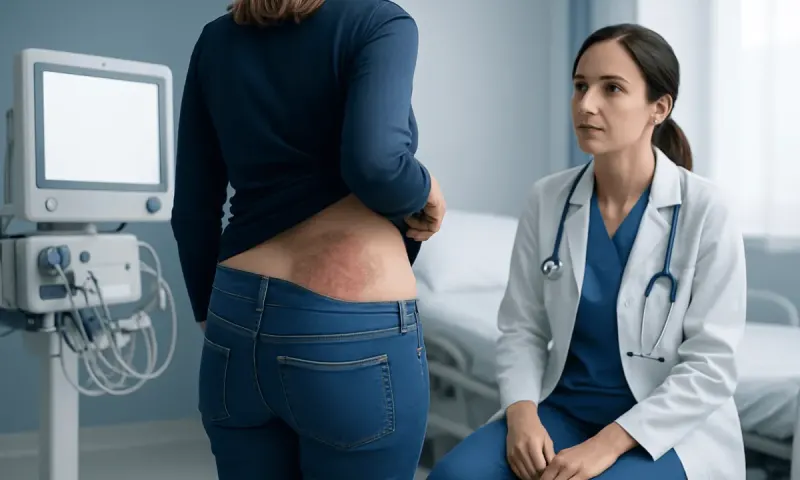
Anal psoriasis is psoriasis affecting the skin around the anus, also called the perianal area. It can be uncomfortable and is sometimes mistaken for hemorrhoids, eczema, fungal infection or other causes of anal itching, but effective treatment and skin-care strategies are available.
What Is Anal Psoriasis?
Anal psoriasis is psoriasis that affects the skin at or around the anus, known medically as the perianal region. Psoriasis is an immune-mediated inflammatory skin condition in which skin cells turn over faster than usual. In this location, inflammation can lead to itching, burning, tenderness, redness and changes in the skin surface.
The appearance may differ from psoriasis on the scalp, knees or elbows. Because the area is warm and moist and is exposed to friction, lesions may look smooth, shiny, red or darker than surrounding skin rather than thick and scaly. Fine scaling, small painful cracks and soreness can still occur, particularly after bowel movements.
Anal psoriasis is not contagious, is not caused by poor hygiene and cannot be passed to a partner or family member through ordinary contact. However, symptoms can affect comfort, sleep, exercise and confidence. A proper assessment is useful because several common conditions can cause similar symptoms in this sensitive area.
Symptoms and How It May Look
Symptoms vary from person to person and may come and go. Itching is common and can range from mild irritation to an urge to scratch that disrupts sleep. Burning, stinging, tenderness or a raw feeling may be more noticeable after passing stool, sweating, exercise or prolonged sitting.
Possible visible signs include pink, red, brown, purple or grayish areas depending on a person’s natural skin tone; smooth inflamed patches; dry skin; and superficial fissures, which are small splits in the skin. In some people, psoriasis also affects nearby genital skin, the buttock crease or other body areas. Existing psoriasis of the scalp, nails, elbows or knees can be an important clue.
Bleeding is not a defining symptom of psoriasis, although superficial irritated skin may spot slightly after wiping or scratching. Bleeding that is repeated, heavy, mixed with stool or accompanied by abdominal symptoms should not automatically be attributed to psoriasis. It needs medical evaluation to identify its source.
- Itching or irritation around the anus
- Burning, stinging or soreness
- Inflamed, smooth or mildly scaly skin
- Small cracks, particularly with dryness or friction
- Symptoms that flare with sweating, rubbing or certain skin products
Why Anal Psoriasis Develops and What Can Trigger Flares

Psoriasis develops through a combination of immune-system activity, genetic tendency and environmental influences. It is not a personal failing and does not result from inadequate cleanliness. A person with psoriasis elsewhere may develop lesions in the perianal region, but anal psoriasis can occasionally be one of the first noticeable locations.
Flares can be influenced by friction, sweating, tight clothing, diarrhea, constipation, repeated wiping and injury to the skin. This tendency for psoriasis to appear at sites of skin irritation or trauma is sometimes called the Koebner phenomenon. Stress, smoking, certain infections and some medicines may also affect psoriasis activity in some individuals.
Contact irritation can coexist with psoriasis and make symptoms more difficult to control. Scented wipes, fragranced soaps, deodorizing products, harsh cleansers, dyes and preservatives in topical products can irritate sensitive perianal skin. Identifying aggravating exposures is often as important as choosing the right medication.
Psoriasis is associated with broader health considerations in some people, including psoriatic arthritis and cardiometabolic risk factors. These associations do not mean that everyone with local anal psoriasis will develop other conditions. Still, discussing joint pain, nail changes, widespread rash or a family history of psoriasis with a clinician can support complete care.
Getting the Right Diagnosis
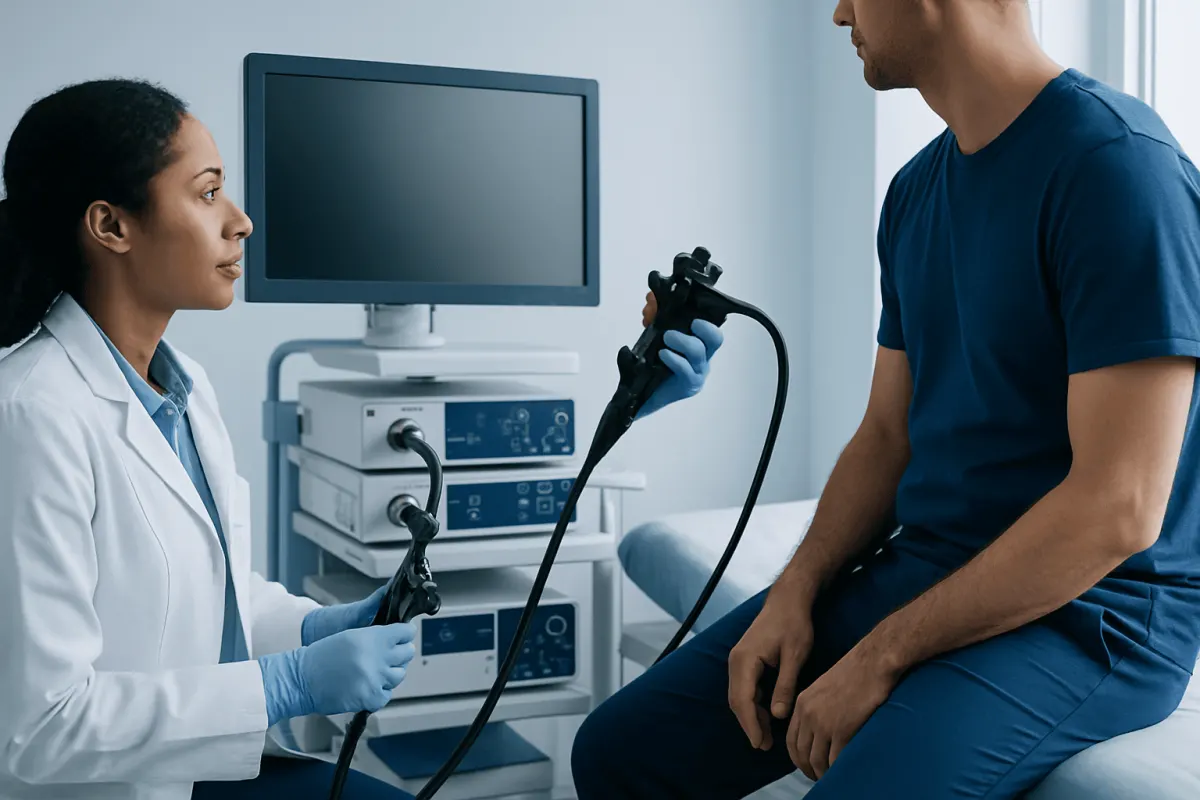
Diagnosis usually begins with a medical history and careful examination of the skin around the anus and, when appropriate, other skin sites. A dermatologist, primary care clinician, gastroenterologist or colorectal specialist may be involved depending on the symptoms. The clinician may ask about bowel habits, personal or family history of psoriasis, products used on the skin and any genital, nail or joint symptoms.
Several conditions may resemble anal psoriasis. These include irritant or allergic contact dermatitis, fungal or yeast infection, bacterial infection, eczema, lichen sclerosus, pinworms in children, hemorrhoids, anal fissures and some sexually transmitted infections. In people with diarrhea, abdominal pain, weight loss or perianal drainage, clinicians may also consider inflammatory bowel conditions or other gastrointestinal causes.
Tests are not always necessary. A clinician may take a skin swab or scraping if infection is possible, or recommend additional testing when symptoms do not respond as expected. A skin biopsy is uncommon in this area but may be considered when the diagnosis remains uncertain or a different skin disorder needs to be excluded.
It is best not to self-diagnose persistent anal symptoms. Using an antifungal, steroid or numbing product without guidance may temporarily alter the appearance of the skin, cause irritation or delay identification of another condition. An individualized diagnosis helps ensure that treatment is both appropriate and safe for thin, sensitive skin.
Treatment Options for a Sensitive Area
Treatment aims to reduce inflammation and itching, protect the skin barrier and address any contributing irritation or infection. The plan depends on the severity and extent of psoriasis, prior treatments, other health conditions and whether symptoms also affect other body sites. A clinician may recommend a short, carefully monitored course of a low-potency topical corticosteroid to calm an active flare.
Because the perianal and genital regions absorb medication more readily than thicker skin, stronger steroid products or prolonged use can cause thinning and other side effects. For this reason, people should use topical steroids exactly as prescribed and avoid applying them inside the anal canal unless specifically instructed. Doctors may use nonsteroidal anti-inflammatory topical medicines, such as calcineurin inhibitors, for selected patients, especially when longer-term control is needed.
Plain fragrance-free emollients or barrier preparations can reduce friction and soothe dryness. If there is a proven fungal, bacterial or other infection, it should be treated with the appropriate medicine; anti-infective treatments do not treat psoriasis itself. When psoriasis is widespread, severe, or accompanied by psoriatic arthritis, systemic medicines or biologic therapies may be considered under specialist care.
Follow-up matters because response and tolerance can vary in this location. If a treatment burns intensely, causes worsening redness, or does not improve symptoms within the review period advised by the clinician, the care plan may need adjustment. People should avoid applying multiple over-the-counter creams at once, as this can worsen contact irritation and obscure what is helping.
Everyday Skin Care and Flare Reduction
Gentle routines can make a meaningful difference alongside medical treatment. After a bowel movement, cleaning with lukewarm water or a soft, unscented moistened material may be less irritating than vigorous dry wiping. The area should be patted dry rather than rubbed. Fragranced wipes, perfumed toilet paper, bubble baths and deodorizing sprays are best avoided because they can trigger or maintain dermatitis.
Loose, breathable underwear and clothing can reduce heat and friction. Changing out of sweaty exercise clothing promptly may also help. For people who find that diarrhea or frequent stools worsen irritation, discussing bowel changes with a clinician can be useful. Adequate fluids and a balanced diet that supports regular bowel habits may reduce straining, but no specific diet has been proven to cure psoriasis.
Scratching can break the skin and intensify the itch-scratch cycle. Keeping nails short, using cool compresses over clothing for brief periods and following the prescribed treatment plan may help reduce the urge to scratch. It is also sensible to note possible personal triggers, such as a new cleanser, laundry product, stressor or clothing material, without assuming that every flare has a single cause.
Psoriasis can have emotional as well as physical effects, particularly when it involves intimate body areas. Discussing discomfort openly with a qualified clinician is appropriate and confidential. Support for stress management, sleep and mental well-being can be a helpful part of overall psoriasis care.
When to Seek Medical Care
Medical assessment is recommended for new or persistent itching, rash, pain or skin changes around the anus, particularly when symptoms last more than a few weeks, recur often or do not improve with gentle skin-care measures. A clinician can determine whether psoriasis is likely and rule out conditions that require different treatment.
Prompt care is important for significant rectal bleeding, black stools, severe or increasing pain, fever, pus-like drainage, a painful lump, spreading redness, trouble passing stool, unexplained weight loss, or a change in bowel habits that persists. These signs can have many causes and are not specific to psoriasis, so they should be evaluated rather than managed at home.
People with known psoriasis should arrange a review if perianal symptoms are new, if current treatment is no longer effective, or if they develop swollen, stiff or painful joints. Children, pregnant individuals, people with weakened immune systems and those with diabetes may benefit from earlier clinical guidance for new perianal symptoms.
Acıbadem Health Point’s multidisciplinary specialists and JCI-accredited hospitals can assess skin and digestive concerns, including symptoms that may be related to anal psoriasis, for international patients. The appropriate clinician can help develop a treatment plan that protects this sensitive skin area while addressing the person’s wider health needs.
Frequently asked questions
01Can psoriasis affect the anus?
Yes. Psoriasis can affect the skin around the anus, called the perianal area. The skin there may appear smoother and less scaly than plaques elsewhere because moisture and friction alter its appearance.
02Is anal psoriasis contagious?
No. Anal psoriasis is an inflammatory immune-mediated condition, not an infection. It cannot be transmitted through toilet seats, everyday contact or sexual contact.
03How is anal psoriasis different from hemorrhoids?
Anal psoriasis mainly affects the skin and often causes itching, inflamed patches, burning or superficial cracks. Hemorrhoids are swollen blood vessels in or around the anus and may cause a lump, bleeding, discomfort or prolapse. Both can occur at the same time, so an examination may be needed.
04Can I use over-the-counter hydrocortisone for anal psoriasis?
A mild hydrocortisone product may sometimes be appropriate, but the perianal area is particularly sensitive and absorbs topical medication readily. It is safest to ask a clinician before using it, especially for more than a short period, if there is bleeding, or if the diagnosis is uncertain.
05Does anal psoriasis cause bleeding?
Inflamed or scratched skin can occasionally cause minor surface spotting. However, repeated, substantial or unexplained bleeding should be assessed because it may come from hemorrhoids, fissures, bowel conditions or other causes rather than psoriasis.
06Can diet cure anal psoriasis?
No diet has been shown to cure anal psoriasis. A balanced eating pattern, adequate fluids and regular bowel habits may support comfort, while people can discuss individual food-related symptom patterns with their clinician.
This article is for general information only and is not a substitute for professional medical advice. Please consult a qualified doctor about your individual situation.
Hair transplant in Turkey — costs, graft counts & a free assessment
JCI-accredited · board-certified surgeons · reply within 24h
Add us as a Preferred Source to see more of our trusted health content across Google Search, AI Overviews and Discover.