Anal Fissure Treatment: Options, Effectiveness and Recovery

Key Takeaways
- Anal fissures are small tears in the anal lining that often cause sharp pain during or after bowel movements.
- Many acute fissures heal with fiber, fluids, sitz baths, and measures that keep stools soft and easy to pass.
- Prescription ointments may help relax the anal sphincter and improve blood flow when home care is not enough.
- Chronic fissures sometimes need botulinum toxin injection or a surgical procedure called lateral internal sphincterotomy.
- A doctor should be consulted if pain is severe, bleeding continues, symptoms last longer than a few weeks, or constipation keeps returning.
Anal fissure treatment depends on how long the tear has been present, how severe the pain is, and whether the fissure is acute or chronic. Most fissures improve with stool-softening habits and local care, while persistent cases may need prescription medicines or a minor procedure.
Overview
An anal fissure is a small tear in the thin lining of the anus. It often causes a sharp, stinging pain during bowel movements and may leave a little bright red blood on the toilet paper or in the bowl. The main goal of anal fissure treatment is to reduce pain, soften stools, and help the tissue heal before the tear becomes long-lasting.
Most fissures are “acute,” meaning they are recent and often heal with gentle measures. When symptoms continue for more than several weeks or the area keeps reopening, the fissure may become “chronic.” At that point, treatment usually needs to do more than relieve discomfort; it also has to break the cycle of spasm, poor blood flow, and repeated injury.
For people deciding on care from another country, it helps to think of anal fissure treatment as a stepwise process. Doctors usually begin with the least invasive options and move to procedures only if healing is slow or the fissure keeps recurring. That approach is designed to protect bowel function while restoring comfort and confidence in daily life.
Symptoms
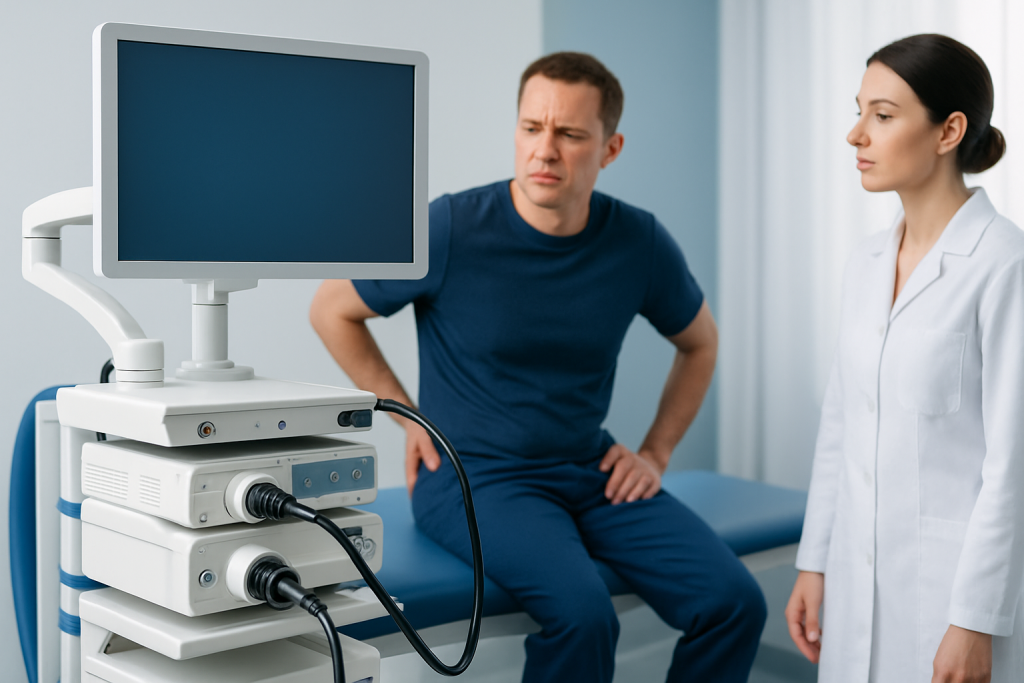
The most recognizable symptom is pain that feels sharp, burning, or cutting when stool passes. The pain may continue for minutes or even hours afterward because the anal sphincter muscle can tighten in response to the tear. Some people avoid bowel movements because they fear the pain, but delaying stool often makes the problem worse.
Small amounts of bright red bleeding are common. A person may notice blood on toilet tissue, on the surface of stool, or as a thin streak in the toilet. Itching, mild swelling, or a visible crack near the anus can also occur, especially if the fissure is chronic.
Symptoms can overlap with other anorectal conditions such as hemorrhoids, infections, or inflammatory bowel disease. That is one reason persistent pain or bleeding should be medically assessed rather than assumed to be “just a fissure.”
Causes & Risk Factors

Anal fissures usually begin when the delicate anal lining is stretched or injured. Hard stools, constipation, and straining are common triggers. Diarrhea can also irritate the area and lead to a tear, especially if bowel movements happen frequently.
Several factors can raise the chance of a fissure or slow healing. These include chronic constipation, low fiber intake, dehydration, prolonged sitting on the toilet, and a tendency for the anal sphincter to stay overly tight. In some people, childbirth or certain medical conditions may contribute as well.
- Constipation or passing hard stool
- Repeated diarrhea or bowel irritation
- Low fluid or low fiber intake
- Anal sphincter spasm and reduced blood flow
- Inflammatory bowel disease or other intestinal conditions in some cases
When fissures occur in unusual locations, recur often, or do not heal as expected, a doctor may look for an underlying condition that needs separate treatment. This is especially important before traveling for care or planning a procedure abroad, because the right diagnosis guides the right treatment plan.
Diagnosis
Diagnosis usually begins with a careful medical history and a gentle examination. The doctor will ask about pain timing, bleeding, bowel habits, constipation, diarrhea, and any previous fissures. In many cases, the fissure can be seen with a simple external examination.
If the pain is severe, the exam may be done very gently to avoid discomfort. Sometimes the doctor may suggest additional evaluation if the diagnosis is not clear, if symptoms are atypical, or if there are warning signs such as persistent bleeding, weight loss, fever, or changes in bowel habits. Tests may be used to rule out other conditions rather than to confirm the fissure itself.
For international patients, a specialist visit often focuses on both the visible tear and the bowel pattern behind it. That practical approach matters, because treatment is more effective when the cause of repeated straining or irritation is addressed at the same time.
Treatment Options
Most anal fissure treatment begins with conservative care. The aim is to keep stools soft, reduce strain, and allow the lining to close on its own. Increasing fiber intake, drinking enough fluids, and using stool-softening strategies recommended by a clinician can make bowel movements less painful and less traumatic.
Warm sitz baths are commonly used because they may relax the anal muscles and improve comfort after a bowel movement. Doctors may also suggest topical medications that help the sphincter relax or improve blood flow to the area. These prescription ointments are often used for chronic fissures when simpler measures are not enough.
If symptoms continue despite medical therapy, procedures may be discussed. Botulinum toxin injection can temporarily relax the sphincter in some patients. Another option is a minor operation called lateral internal sphincterotomy, which reduces muscle pressure and helps the fissure heal. The best choice depends on the duration of symptoms, the person’s overall health, and the clinician’s assessment of healing risk versus benefit.
- Conservative care: fiber, fluids, stool-softening habits, avoiding straining
- Warm sitz baths and local comfort measures
- Prescription topical medicines to relax the sphincter
- Botulinum toxin injection in selected cases
- Lateral internal sphincterotomy for persistent or recurrent fissures
No single option is right for everyone. A good plan balances symptom relief, healing likelihood, and the person’s bowel function. That balance is especially important for travelers who may need follow-up arranged after they return home.
Prevention & Self-care
Self-care is not a substitute for medical evaluation when symptoms are significant, but it plays a major role in recovery. The most useful daily goal is to make stools soft, regular, and easy to pass. That usually means steady fluid intake, fiber-rich foods, and avoiding prolonged straining on the toilet.
It is also helpful to respond to the urge to have a bowel movement rather than postponing it. Sitting on the toilet for long periods can increase pressure and irritation, so a brief, relaxed routine is better than repeated pushing. Some people find that tracking diet, bowel habits, and symptom changes helps them recognize triggers early.
After treatment, recovery often depends on protecting the area while it heals. Gentle hygiene, following the doctor’s instructions for medication or baths, and keeping follow-up appointments can reduce the chance of recurrence. For those recovering away from home, clear instructions and a practical plan for follow-up are particularly valuable.
- Eat enough fiber from foods or supplements if advised by a clinician
- Drink fluids regularly throughout the day
- Avoid straining or “pushing through” a bowel movement
- Use warm baths for comfort if recommended
- Seek help early if constipation or diarrhea keeps returning
Recovery Timeline and What to Expect
Recovery time varies. An acute fissure may improve within a few weeks when bowel movements become easier and the area is protected from repeated injury. Chronic fissures usually take longer and may need prescription treatment or a procedure before symptoms settle fully.
After starting treatment, pain often improves before the tissue is completely healed. That can be encouraging, but it does not always mean the fissure has fully closed. Following the treatment plan for the recommended period matters, even when symptoms begin to fade.
After a procedure, recovery instructions may include temporary activity adjustments, bowel-regimen support, and follow-up to check healing. Many patients can resume normal routines gradually, but they should do so according to their clinician’s guidance. If care is being coordinated internationally, a written recovery plan and clear contact pathway are especially helpful for continuity.
When to See a Doctor
Medical evaluation is wise if pain is severe, bleeding recurs, or the fissure does not begin to improve after a reasonable period of self-care. Ongoing constipation, painful bowel movements, or fear of using the toilet are also good reasons to seek help early. Treatment is usually simpler when the fissure is addressed before it becomes chronic.
Prompt assessment is especially important if the symptoms are not typical of a simple fissure. Examples include fever, drainage, a lump, worsening swelling, significant changes in bowel habits, or bleeding that does not fit the usual pattern of a small tear. These features may point to another condition or a complication that needs different care.
For people traveling for evaluation or procedure, a specialist center can coordinate diagnosis, treatment, and post-treatment follow-up more smoothly. Acibadem Health Point’s multidisciplinary specialists and JCI-accredited hospitals diagnose and treat this condition for international patients with a focus on safe, coordinated care.
Frequently asked questions
01How is an anal fissure usually treated first?
Treatment usually starts with measures that make bowel movements easier and less painful. That often includes more fiber, adequate fluids, avoiding straining, and warm baths. If symptoms continue, a doctor may add prescription ointments that help the muscle relax and support healing.
02How long does an anal fissure take to heal?
Some acute fissures heal within a few weeks if stool softness and local care improve. Chronic fissures can take longer and may need medicine or a procedure before they close. Healing time varies based on constipation, diarrhea, and how long the fissure has been present.
03Can anal fissures heal without surgery?
Yes, many fissures heal without surgery, especially when they are recent. Conservative measures and prescription topical medicines are often enough. Surgery is usually reserved for fissures that keep returning or do not respond to other treatment.
04What makes an anal fissure worse?
Hard stool, straining, and repeated constipation are common aggravating factors. Frequent diarrhea can also irritate the area and slow healing. Delaying treatment may allow the fissure to become chronic and more difficult to manage.
05Is bleeding with an anal fissure normal?
Small amounts of bright red blood can happen with a fissure because the tear is near the surface. However, bleeding should still be medically assessed, especially if it keeps happening or the pattern changes. A doctor can confirm that the bleeding is from a fissure and not another condition.
06When is a procedure considered for anal fissure treatment?
A procedure may be considered if conservative care and medicines do not lead to healing, or if the fissure has become chronic. Options such as botulinum toxin injection or lateral internal sphincterotomy are chosen based on the individual’s symptoms and examination findings. A specialist can explain the benefits and risks in a personalized way.
This article is for general information only and is not a substitute for professional medical advice. Please consult a qualified doctor about your individual situation.
Persistent digestive symptoms? Get evaluated in Turkey
JCI-accredited · board-certified surgeons · reply within 24h
Add us as a Preferred Source to see more of our trusted health content across Google Search, AI Overviews and Discover.