Amnestic Symptoms, Causes, and Medical Assessment
Amnestic is a medical term describing a problem with memory, particularly the ability to form, retain or recall information. It is a symptom or clinical description rather than a diagnosis, and its cause can range from temporary, treatable factors to neurological conditions that need prompt assessment.
What does amnestic mean?
Amnestic means relating to amnesia: a significant difficulty with memory. In clinical care, the term may describe a symptom, such as an amnestic episode, or a pattern of cognitive change called an amnestic syndrome. It does not by itself identify the cause. A person may have trouble learning new information, recalling past events, or both.
Memory is not a single ability. It includes taking in information, storing it, and retrieving it later. Attention, language, mood, sleep and sensory abilities also influence how well a person remembers. For this reason, occasional forgetfulness, such as misplacing an item during a busy day, is not automatically an amnestic disorder.
An amnestic problem becomes more concerning when it is new, persistent, worsening, affects safety or daily independence, or is noticed by family members as well as the individual. A qualified clinician can help distinguish a memory disorder from normal age-related changes, distraction, depression, medication effects or another health issue.
How amnestic symptoms can appear
The most common pattern is difficulty forming new memories, known as anterograde amnesia. A person may have a clear conversation but then be unable to remember it a short time later. They may repeat questions, forget recent appointments, lose track of why they entered a room, or rely increasingly on notes and reminders.
Some people have retrograde amnesia, meaning reduced recall of events that happened before an illness, injury or other event. The memory gap may be limited to a brief period or may cover a longer period. Older, well-established personal memories are sometimes retained better than recent memories, although this varies according to the cause.
Memory symptoms may occur alone or alongside other changes. These can include confusion about time or place, reduced concentration, changes in planning skills, word-finding difficulty, altered mood, unsteadiness, headache, seizures or changes in behavior. The overall pattern, speed of onset and associated symptoms provide important clues for diagnosis.
Brief episodes of memory loss can be especially unsettling. One example is transient global amnesia, a sudden period of inability to make new memories that usually resolves within hours. Although it is often benign, a first episode still requires timely medical assessment because stroke, seizure activity and other causes can sometimes look similar.
Causes and factors that can contribute

Amnestic symptoms have many possible causes. Temporary or potentially reversible contributors include poor sleep, sleep apnea, severe stress, anxiety, depression, dehydration, infection, thyroid disorders, low vitamin B12 levels and other metabolic problems. Hearing or vision loss can also make it harder to take in information, which may seem like a memory problem.
Some medicines can affect alertness, attention or memory, particularly sedating medicines, certain allergy medicines, some bladder medicines, sleep medicines, strong pain medicines and medicines used for anxiety. Alcohol and recreational drugs can also impair memory. A clinician should review all prescription medicines, over-the-counter products and supplements; people should not stop prescribed treatment abruptly without medical advice.
Neurological causes include concussion or more severe traumatic brain injury, stroke or transient ischemic attack, epilepsy, brain inflammation, brain tumors and neurodegenerative disorders. Memory decline may be part of mild cognitive impairment or dementia, including Alzheimer’s disease, but memory symptoms alone are not enough to diagnose either condition.
Long-term heavy alcohol use combined with poor nutrition can lead to thiamine deficiency and a serious memory disorder called Wernicke-Korsakoff syndrome. Prompt recognition and medical treatment are important. Age, vascular risk factors such as high blood pressure and diabetes, a history of head injury, and family history of certain neurological conditions may increase risk for some causes, but they do not determine an individual’s outcome.
How clinicians assess amnestic concerns
Assessment begins with a careful account of what changed, when it began and how it has progressed. Because a person with impaired recall may not notice all of the difficulties, input from a trusted family member or caregiver can be valuable. Clinicians may ask about recent illness, head injury, alcohol or substance use, sleep, mood, medicines, work demands and the effect on everyday tasks.
A physical and neurological examination may check speech, eye movements, strength, coordination, walking and sensation. Brief cognitive screening tools or more detailed neuropsychological testing can assess memory, attention, language and executive skills. These tests do not simply measure intelligence; they help identify the pattern of strengths and difficulties.
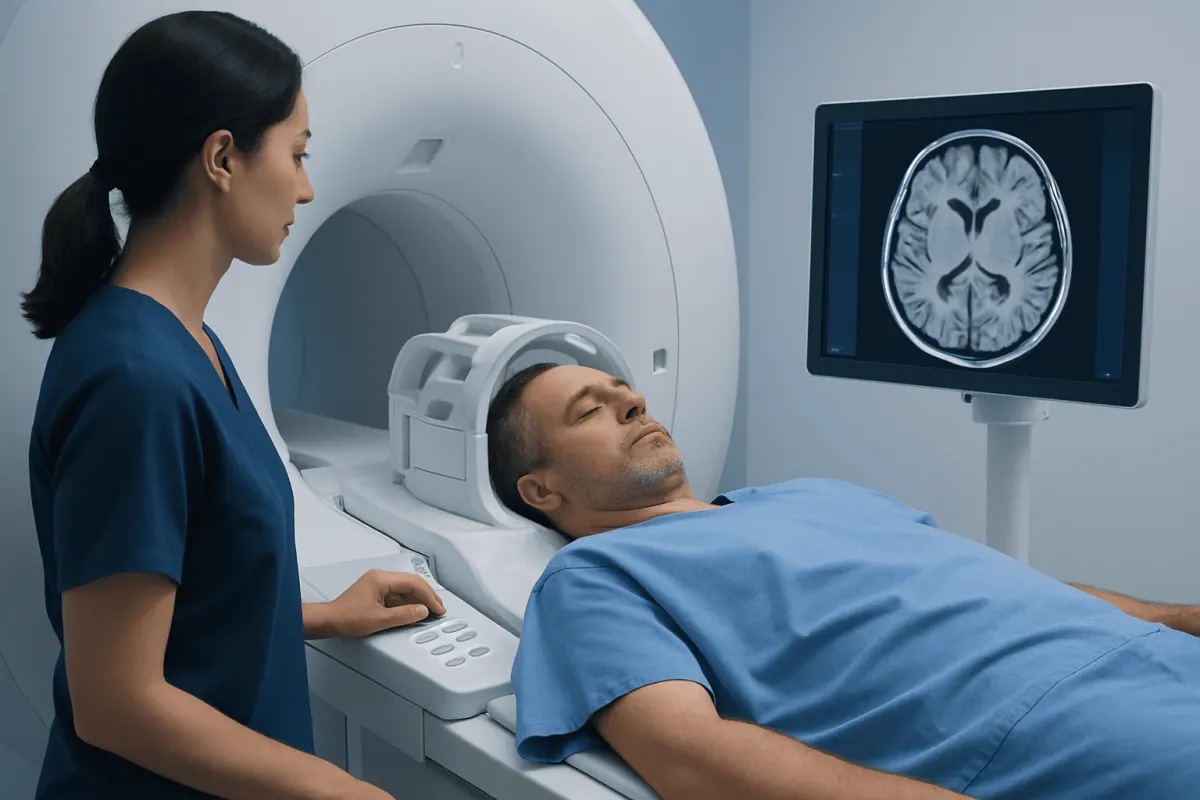
Depending on the situation, blood tests may look for conditions such as thyroid disease, vitamin deficiencies, infection or metabolic imbalance. Brain imaging, usually magnetic resonance imaging or computed tomography, may be appropriate after sudden symptoms, head injury, focal neurological signs or a concerning progression. An electroencephalogram may be considered if seizures are suspected.
Accurate diagnosis is often a process rather than a single test. Clinicians also consider whether a person was fully alert when symptoms occurred, since delirium and reduced attention can interfere with memory. Follow-up assessments may show whether symptoms improve after a reversible cause is addressed or whether further specialist evaluation is needed.
Treatment and supportive strategies
There is no one treatment for all amnestic symptoms. Care is directed at the underlying cause. This may involve treating an infection or hormonal disorder, correcting a nutritional deficiency, improving sleep, managing depression or anxiety, reducing alcohol use with appropriate support, or reviewing medicines that may be contributing to cognitive side effects.
After a stroke, head injury or other neurological event, rehabilitation can support recovery and independence. Occupational therapy may help a person establish practical routines, use calendars, alarms or smartphone reminders, organize medicines safely and adapt tasks at home or work. Speech and language therapists may also support cognitive-communication difficulties when relevant.
For progressive cognitive disorders, clinicians discuss symptom management, safety planning and support for the person and family. Some causes may have medicines that are appropriate for selected patients, while others benefit most from managing vascular health, regular follow-up and non-drug support. Treatment choices should reflect the diagnosis, overall health, personal goals and possible side effects.
Helpful everyday approaches include keeping a consistent routine, focusing on one task at a time, writing down important information immediately and placing commonly used belongings in the same location. Regular physical activity, balanced nutrition, social connection and mentally engaging activities support overall brain health, although they do not replace medical evaluation for new or significant memory changes.
Reducing avoidable memory risks
Not every cause of amnestic symptoms can be prevented, but several health measures can reduce avoidable risks. Managing blood pressure, diabetes and cholesterol as advised helps protect blood vessels in the brain. Avoiding tobacco, limiting alcohol, wearing helmets and seat belts, and taking steps to prevent falls can lower the risk of brain injury and vascular disease.
Sleep deserves particular attention. Persistent snoring, witnessed pauses in breathing, daytime sleepiness or unrefreshing sleep may suggest sleep apnea or another sleep disorder. Addressing sleep problems can improve daytime alertness and memory performance for many people.
A varied diet that provides adequate vitamins and protein, hydration, regular movement and social contact can support general cognitive wellbeing. People following restrictive diets, those with gastrointestinal conditions affecting absorption, and those with heavy alcohol use may need individualized nutritional advice. Supplements should not be used as a substitute for assessment of unexplained memory symptoms.
Family members can be supportive by discussing concerns calmly and specifically, rather than testing or criticizing the person. Examples of observed changes, dates, safety concerns and a list of medicines can make a medical appointment more productive.
When to seek medical care
Emergency medical care is needed for sudden memory loss with weakness or numbness on one side, facial drooping, trouble speaking, loss of vision, severe or unusual headache, fainting, a seizure, chest pain, severe confusion or difficulty walking. These symptoms can indicate a stroke or another urgent condition. Emergency evaluation is also important after a significant head injury or when a person cannot be safely supervised.
A prompt, non-emergency appointment is appropriate for new or worsening forgetfulness, repeated questions, trouble managing medicines or finances, getting lost in familiar places, personality changes, or memory difficulties affecting work, school or relationships. An evaluation is also advisable when memory changes follow a new medicine, illness, major change in mood, or increased alcohol or substance use.
People should bring a current medication list and, if possible, a trusted relative or friend who has noticed the changes. Early assessment can identify treatable contributors and help create a plan for safety and support. Acıbadem Health Point’s multidisciplinary specialists and JCI-accredited hospitals assess and treat neurological and general medical causes of memory concerns for international patients.
Frequently asked questions
01Is amnestic the same as amnesia?
Amnestic is an adjective that describes something related to amnesia or impaired memory. Amnesia is the symptom or condition of memory loss itself. Clinicians may use amnestic to describe a pattern of symptoms without yet knowing its cause.
02Can stress cause amnestic symptoms?
Severe stress, anxiety and depression can reduce concentration and make it harder to encode new information, which can feel like memory loss. These symptoms still deserve attention if they are persistent or disruptive. A clinician can assess mood, sleep and other possible contributors while ruling out medical causes.
03Is sudden amnesia always a stroke?
No. Sudden memory loss can occur with transient global amnesia, seizures, migraine-related symptoms, medication effects and other conditions. However, stroke and other emergencies must be considered, especially if there are speech, movement, vision or balance changes, so urgent assessment is important.
04Can medications cause memory problems?
Yes, some medicines can affect alertness, attention or memory, especially medicines with sedating or anticholinergic effects. Interactions between medicines, alcohol and supplements can add to this effect. A doctor or pharmacist can review the full medication list and advise on safe changes.
05What is the difference between normal forgetfulness and an amnestic disorder?
Normal forgetfulness is usually occasional and does not substantially interfere with daily life; the information may often return with a reminder. An amnestic disorder is more likely to involve repeated difficulty learning or recalling important information and may affect functioning or safety. The distinction depends on the overall pattern, duration and clinical assessment.
06Can a person recover from amnestic symptoms?
Recovery depends on the cause. Memory may improve when a reversible factor, such as poor sleep, vitamin deficiency, medication side effect or acute illness, is treated. Symptoms after brain injury, stroke or progressive neurological disease may require longer-term rehabilitation, monitoring and practical support.
This article is for general information only and is not a substitute for professional medical advice. Please consult a qualified doctor about your individual situation.
Explore treatments in Turkey — costs, top hospitals & a free quote
JCI-accredited · board-certified surgeons · reply within 24h
Add us as a Preferred Source to see more of our trusted health content across Google Search, AI Overviews and Discover.