Amblyopia: Symptoms, Causes and Treatment

Key Takeaways
- Amblyopia is a problem of visual development, not simply an eye that looks different.
- It often begins in childhood and may be missed because children can adapt quietly.
- Treatment is most effective when started early, but older children and some adults may still benefit.
- Care usually focuses on correcting the cause and encouraging the brain to use the weaker eye.
- Regular eye exams are important when there is a family history of eye problems or signs of poor vision.
Amblyopia, often called lazy eye, is a childhood vision condition in which one eye does not develop normal sight. Early evaluation and treatment can help the brain learn to use the weaker eye more effectively.
Overview
Amblyopia is a condition in which vision does not develop properly in one eye, and less commonly in both. It is often called lazy eye, but that phrase can be misleading: the eye itself is not necessarily lazy or damaged. Instead, the brain and eye have not learned to work together in the way needed for clear sight.
This matters because vision develops early in life. If one eye sends a weaker image for a long period, the brain may begin to favor the stronger eye and ignore the other. Over time, that can lead to lasting reduced vision in the weaker eye if treatment is delayed.
For families living in another country or planning care abroad, amblyopia is a condition where timing is especially important. A child may need a focused eye assessment, a treatment plan, and follow-up visits to check whether the weaker eye is responding. A clear, coordinated plan can make it easier to continue care after returning home.
Symptoms
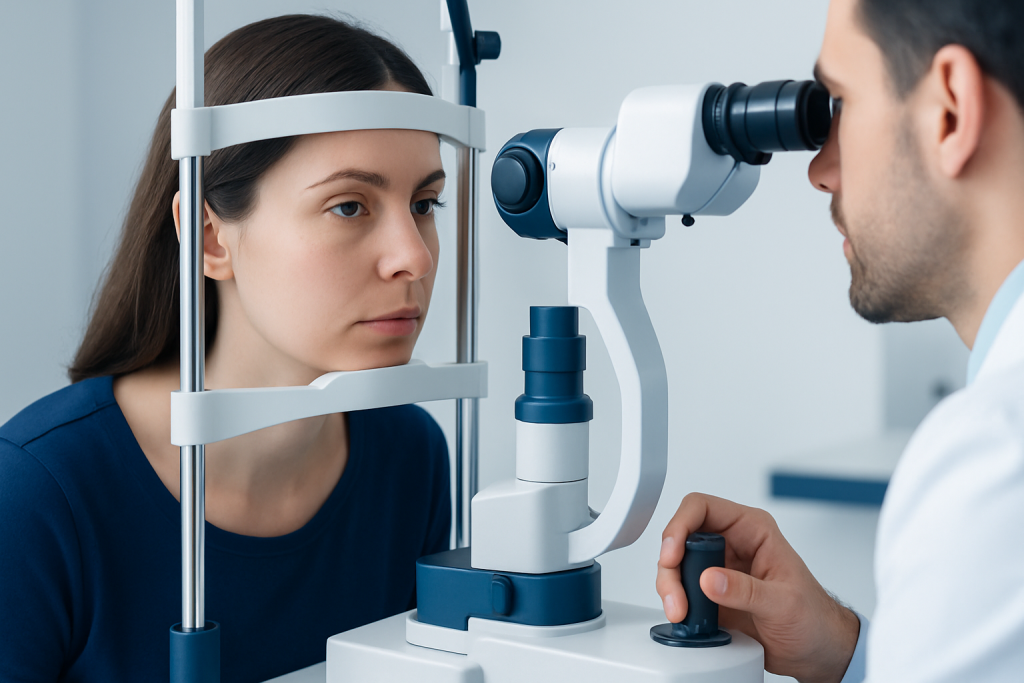
Amblyopia does not always cause obvious complaints, especially in young children. Many children do not realize that one eye sees less well, because the stronger eye compensates. For that reason, the condition is often found during a routine eye exam or a school screening.
Possible signs can include:
- Poor vision in one eye
- Squinting or closing one eye
- Eyes that do not appear to look in the same direction
- Frequent head turning to see better
- Difficulty judging distance
- Reduced depth perception
In some children, the first clue is not a complaint about vision but behavior: stumbling more than expected, trouble catching a ball, or reluctance to read. Adults who had untreated amblyopia in childhood may notice that one eye has always seemed weaker, even if they adapted long ago.
Causes & Risk Factors

Amblyopia usually develops because something interferes with normal visual input during the years when the brain is learning how to see. There are three common patterns. In one, the eyes are misaligned, which means the brain receives two different images and starts to rely on one. In another, one eye has blur from nearsightedness, farsightedness, or astigmatism that is not corrected early. A third pattern happens when something blocks light from reaching the eye, such as a drooping eyelid or a cataract in childhood.
Risk is higher when visual development is uneven. A family history of strabismus, childhood cataracts, or significant refractive error can raise the likelihood of amblyopia. Premature birth, developmental concerns, and certain eye conditions may also increase the need for early screening.
It is helpful to remember that amblyopia is usually a consequence of an underlying issue, not a standalone disease. Identifying that underlying issue is a key part of treatment because the brain can only relearn clear vision if the eye receives a usable image.
Diagnosis
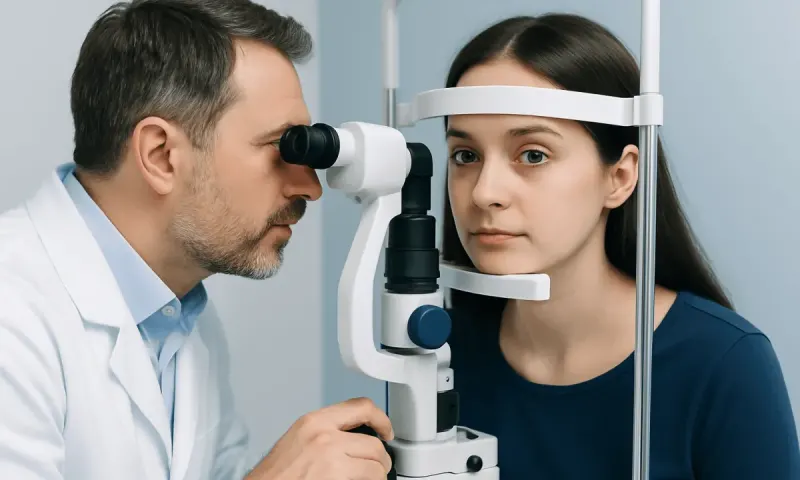
Diagnosis begins with a complete eye examination. In children, the clinician checks how well each eye sees, whether the eyes are aligned, and whether glasses are needed. Because young children may not know how to describe blurry vision, the examination often relies on age-appropriate visual tests and careful observation.
Eye drops that widen the pupils may be used to measure focusing error more accurately. The doctor may also look for conditions that could be blocking vision or causing the eyes to point in different directions. If amblyopia is suspected, the goal is not only to confirm reduced vision but to understand why it developed.
For international patients, records from a home-country optometrist or ophthalmologist can be very useful. Previous prescriptions, school screening results, or old photographs that show eye alignment may help the specialist build a quicker, more complete picture. This can support a treatment plan that continues smoothly after travel.
Treatment Options
Treatment is tailored to the cause and the child’s age, vision level, and ability to follow the plan. The first step is often to correct the underlying blur with glasses or contact lenses. If one eye is turned inward or outward, treatment may also address eye alignment. If a cataract or other blockage is present, that problem may need separate management.
To encourage the weaker eye to work, clinicians may recommend covering the stronger eye with a patch for set periods. In some cases, a medicated eye drop may be used in the stronger eye instead, temporarily reducing its focus and prompting use of the weaker eye. Vision therapy or structured eye exercises may be advised in selected cases, especially when eye teaming or focusing skills also need support.
Response to treatment should be monitored over time. Eye care teams typically adjust the plan based on progress, comfort, and the child’s daily routine. When treatment takes place while traveling or during a short stay abroad, it is especially important to receive clear instructions for home follow-up, including when to repeat an eye exam and how to share results with the local doctor.
Prevention & Self-care
Not every case of amblyopia can be prevented, but early detection can greatly reduce the chance of long-term vision loss. Routine eye examinations in infancy, preschool years, and again in school-age children help catch refractive errors or eye misalignment before they affect development for too long.
At home, families can support treatment by helping children wear glasses or a patch as recommended, even when the routine feels inconvenient. Gentle encouragement works better than punishment. It can also help to build patching into predictable parts of the day, such as quiet play, reading, or drawing.
Practical self-care steps include:
- Attend scheduled eye checks and vision screenings
- Use glasses exactly as prescribed
- Follow patching or drop instructions carefully
- Watch for changes in eye position or reading behavior
- Keep copies of prescriptions and reports for future visits
Because amblyopia treatment often continues after the initial consultation, families traveling for care should ask for a written plan in clear language. That plan can make it easier to stay consistent once they are back home and working with a local eye specialist.
When to See a Doctor
A child should have an eye evaluation if one eye seems weaker, the eyes look misaligned, or there is frequent squinting, head turning, or poor depth perception. An exam is also wise if a child has a family history of strabismus, significant refractive error, or childhood eye disease. Even without symptoms, routine screening is important because amblyopia can be subtle.
Prompt assessment is especially important when a child has a droopy eyelid, a cloudy pupil, or a sudden change in eye alignment. These signs may point to an issue that needs timely attention beyond amblyopia alone. Any persistent difficulty seeing the board, reading, or judging distance deserves medical review.
Adults who think they may have had untreated amblyopia in childhood should still mention it during an eye examination. While treatment is usually more effective in younger children, an eye specialist can explain whether any improvement is possible and how to protect the stronger eye. In international care settings, Acibadem Health Point’s multidisciplinary specialists and JCI-accredited hospitals can diagnose and treat amblyopia for international patients in a coordinated way.
Living With Amblyopia
When amblyopia is identified early, many children adapt well and continue normal activities while treatment improves the weaker eye’s vision. The process may involve patience, because progress is often gradual and depends on consistency. Children generally do best when the care plan is realistic for home, school, and travel routines.
School communication can help too. Teachers may need to know if a child is patching during class or may temporarily prefer sitting closer to the board. Sports and play can usually continue, though children with reduced depth perception may need a little extra guidance at first.
Families often find it reassuring to think of amblyopia treatment as skill-building rather than a one-time fix. The eye is not being “forced” to see; instead, the visual system is being coached to use both eyes more effectively. That is why steady follow-up is such an important part of the journey.
Frequently asked questions
01What is amblyopia in simple terms?
Amblyopia is reduced vision in one eye because the brain did not learn to use that eye properly during early childhood. It is often called lazy eye, although the eye itself may be structurally normal. Early treatment gives the best chance of improvement.
02Can amblyopia be cured?
Many children improve a great deal with treatment, especially when the condition is found early. The exact outcome depends on the cause, the age at diagnosis, and how consistently the plan is followed. Some older children and adults may still gain some benefit, but results are less predictable.
03Does amblyopia always cause crossed eyes?
No. Some children with amblyopia have eyes that look straight, so the condition may be missed without an exam. Others have visible eye misalignment, which makes the diagnosis easier to suspect.
04How long does treatment take?
Treatment length varies widely. Some children need only a period of glasses and follow-up, while others need patching or additional therapy for months or longer. The doctor usually adjusts the plan based on how the weaker eye responds.
05Can screen time cause amblyopia?
Screen time does not cause amblyopia by itself. The condition is usually related to eye alignment problems, unequal focusing power, or something blocking vision in early life. Good visual habits and regular exams are still important for overall eye health.
06Why are follow-up visits important after starting treatment?
Follow-up visits show whether the weaker eye is improving and whether the treatment plan needs adjustment. They also help make sure the stronger eye is not being overtreated and that the child is tolerating glasses, patching, or drops well. This is especially useful when care is being coordinated across countries.
This article is for general information only and is not a substitute for professional medical advice. Please consult a qualified doctor about your individual situation.
Explore treatments in Turkey — costs, top hospitals & a free quote
JCI-accredited · board-certified surgeons · reply within 24h
Add us as a Preferred Source to see more of our trusted health content across Google Search, AI Overviews and Discover.