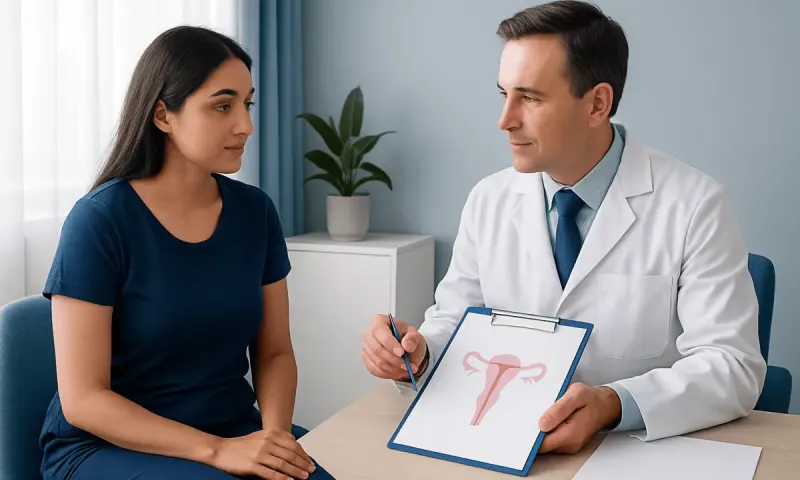
Am I a Candidate for Hysterectomy Surgery?
A person may be a candidate for hysterectomy when a condition affecting the uterus causes substantial symptoms, threatens health, or has not improved with appropriate less-invasive treatment. Eligibility is individualized and depends on the diagnosis, symptom burden, reproductive plans, overall health, and informed personal preferences.
Overview: Am I a Candidate for Hysterectomy?
A person may be a candidate for hysterectomy if they have a uterine or pelvic condition that causes significant symptoms, affects daily life, does not respond to suitable conservative treatments, or requires definitive treatment because of cancer or serious precancerous changes. The decision is not based on one symptom alone: a gynecologist considers the underlying diagnosis, severity, future pregnancy wishes, menopause status, medical history, and the person’s own goals.
Hysterectomy is an operation that removes the uterus. After surgery, menstrual periods stop and pregnancy is no longer possible. The cervix may be removed or retained depending on the type of procedure, while the ovaries and fallopian tubes may or may not be removed. For a detailed overview of approaches and planning, see hysterectomy treatment options.
For benign conditions, hysterectomy is often considered after a discussion of effective uterus-preserving alternatives. In some circumstances, however, it may be the most appropriate first treatment, particularly when cancer is diagnosed or strongly suspected. The aim is to make a shared, informed decision rather than to apply the same pathway to every person.
Conditions That May Make Hysterectomy Appropriate
Several conditions can lead a doctor and patient to consider hysterectomy. A common reason is uterine fibroids that cause heavy bleeding, anemia, pelvic pressure, pain, urinary symptoms, or an enlarged uterus. Fibroids are noncancerous growths, and many can be managed without hysterectomy, but surgery may be reasonable when symptoms remain severe or other treatments are unsuitable.
Other possible reasons include adenomyosis, severe endometriosis affecting the uterus or surrounding pelvic organs, chronic abnormal uterine bleeding, uterine prolapse, or ongoing pelvic pain when a clear uterine cause has been established. It is important to recognize that hysterectomy does not treat every cause of pelvic pain; careful assessment is needed, especially when pain may also involve the bowel, bladder, pelvic floor, or nerves.
Hysterectomy can also be part of treatment for cancers of the uterus, cervix, ovaries, or fallopian tubes, as well as some high-risk precancerous conditions. In these situations, the operation and the possible need for additional treatment are planned with an appropriate gynecologic oncology team. People with persistent fibroid-related symptoms may also wish to learn about uterine fibroids and their management options.
- Heavy or prolonged bleeding that causes anemia or major disruption to daily activities
- Large or symptomatic fibroids not adequately controlled by appropriate alternatives
- Uterine prolapse causing bothersome pressure, bulging, or bladder and bowel symptoms
- Confirmed cancer or a high-risk precancerous condition requiring definitive surgery
- Persistent symptoms with a uterine cause after a full discussion of less-invasive options
How Doctors Assess Eligibility

Eligibility begins with a detailed consultation. The clinician asks about bleeding, pain, pressure symptoms, past treatments, medication use, sexual health, pregnancy history, and plans for future fertility. They also review medical conditions such as heart or lung disease, diabetes, blood-clotting problems, anemia, and previous abdominal or pelvic surgery, as these may affect surgical planning.
Testing depends on the symptoms and suspected diagnosis. It may include a pelvic examination, ultrasound, blood tests, cervical screening where due, and sampling of the uterine lining when abnormal bleeding needs investigation. Magnetic resonance imaging or other imaging may occasionally help clarify fibroids, adenomyosis, endometriosis, or complex anatomy. A pregnancy test is normally performed before surgery in people who could be pregnant.
A key part of assessment is confirming that hysterectomy matches the person’s priorities. Because it permanently prevents pregnancy, anyone who hopes to carry a pregnancy in the future should discuss alternatives carefully. A pre-assessment form and consultation can help organize symptoms, previous test results, treatments tried, and relevant medical history before meeting the surgical team.
Age alone does not determine candidacy. Likewise, being close to menopause does not automatically mean surgery is needed. The right choice depends on the likely benefit, available alternatives, surgical safety, and the individual’s preferences after receiving clear information.
Alternatives and Shared Decision-Making
For many noncancerous conditions, there are options that may reduce symptoms while preserving the uterus. These may include medicines to reduce bleeding or pain, hormonal treatments, an intrauterine device for suitable causes of heavy bleeding, treatment for iron-deficiency anemia, or targeted procedures. The best option depends on the diagnosis, the size and location of any fibroids, the severity of symptoms, and reproductive goals.
Some people with fibroids may be suitable for myomectomy, which removes fibroids while leaving the uterus in place. Other procedures can treat specific causes of bleeding or fibroids, although their suitability varies and some are not appropriate for those wishing to become pregnant later. For prolapse, pelvic floor therapy, pessaries, or uterus-preserving repair may be considered in selected cases.
Hysterectomy can offer a definitive solution for symptoms caused by the uterus, particularly when other measures have not provided acceptable relief. Yet it should be understood as an elective, irreversible choice for most benign conditions. A helpful discussion covers what symptoms surgery is expected to improve, what symptoms may remain, recovery needs, possible effects on sexual wellbeing, and whether the ovaries will be kept.
When ovaries are retained, they usually continue producing hormones after hysterectomy, so surgery does not automatically cause immediate menopause. If both ovaries are removed before natural menopause, menopause occurs promptly and hormone-related effects should be discussed in advance.
How the Procedure Is Performed
The operation may be performed through the vagina, with laparoscopic or robotic-assisted keyhole surgery, or through an abdominal incision. Vaginal and minimally invasive approaches are often associated with smaller incisions and a faster initial recovery when they are safe and appropriate. An abdominal approach may be recommended for a very large uterus, extensive scar tissue, suspected cancer, or other complex clinical circumstances.
Before surgery, the person meets the anesthesia and surgical teams, reviews medications and allergies, and receives instructions about eating, drinking, and preparation. The procedure is performed under general anesthesia. The surgeon removes the uterus and may remove the cervix, fallopian tubes, ovaries, or nearby tissue only when this is indicated and agreed during consent.
After the operation, the care team monitors pain control, bleeding, mobility, bladder function, and signs of complications. Many patients are encouraged to walk soon after surgery to support circulation and recovery. The length of hospital stay varies with the surgical approach, reason for surgery, and individual recovery.
At Acıbadem Health Point, multidisciplinary specialists in JCI-accredited hospitals assess and treat gynecologic conditions for international patients, with treatment planning tailored to the diagnosis and individual needs.
Benefits, Risks, and Recovery Timeline
The main potential benefit of hysterectomy is definitive treatment of conditions originating in the uterus. It can stop periods and uterine bleeding, remove fibroid-related bulk symptoms, correct some prolapse problems, and form an essential part of care for certain cancers. The expected benefit should be linked to a confirmed diagnosis; for example, removing the uterus may not fully resolve pain caused by endometriosis outside the uterus.
All surgery carries risks. These include bleeding, infection, blood clots, reactions to anesthesia, injury to nearby organs such as the bladder, bowel, or ureters, wound problems, and the possible need for additional procedures. Rarely, complications can be serious. The individual risk level is influenced by the surgical route, weight, smoking status, anemia, medical conditions, prior surgery, and the complexity of the underlying disease.
Recovery is gradual. After vaginal or laparoscopic surgery, many people resume light daily activity within a few weeks, while recovery after abdominal surgery often takes longer. Fatigue can continue for several weeks. Heavy lifting, strenuous exercise, swimming, driving while taking sedating pain medicine, and vaginal intercourse are usually restricted until the surgeon confirms healing is adequate.
Follow-up appointments allow the team to review pathology results when relevant, assess wound healing, and discuss return to work, exercise, and sexual activity. Patients should follow their own surgical team’s instructions, as recovery timelines differ between individuals and procedures.
When to Seek Medical Care
Medical evaluation is appropriate for heavy bleeding, bleeding between periods or after menopause, pelvic pressure or a vaginal bulge, persistent pelvic pain, pain during sex, rapidly changing abdominal size, or symptoms of anemia such as unusual tiredness, shortness of breath, dizziness, or palpitations. These symptoms do not necessarily mean hysterectomy is needed, but finding the cause is important.
After hysterectomy, urgent medical advice is needed for heavy vaginal bleeding, fever, worsening rather than improving pain, chest pain, shortness of breath, fainting, one-sided leg swelling or pain, persistent vomiting, redness or discharge from an incision, or difficulty passing urine. Emergency services should be used for severe symptoms or any concern about a potentially life-threatening problem.
People considering surgery can prepare by writing down their symptoms, treatment history, questions about fertility and ovarian preservation, and practical support needs for recovery. A qualified gynecologist can explain whether hysterectomy is appropriate, whether another treatment should be tried first, and which surgical approach is safest for the individual.
Frequently asked questions
01What makes someone eligible for a hysterectomy?
Eligibility depends on a confirmed condition affecting the uterus, the severity of symptoms, response to appropriate alternatives, overall surgical health, and personal goals. Common reasons include symptomatic fibroids, abnormal bleeding, prolapse, some chronic uterine pain conditions, and cancer or precancer. A gynecologist makes this decision together with the patient after a full assessment.
02Do I have to try other treatments before hysterectomy?
For many benign conditions, doctors usually discuss or try less-invasive treatments first when they are safe and likely to help. This is not always necessary when cancer, high-risk precancerous changes, or certain urgent medical problems are present. The most suitable approach depends on the diagnosis and the person’s preferences.
03Can I have a hysterectomy if I want children in the future?
A hysterectomy removes the uterus, so it permanently prevents carrying a pregnancy. If future pregnancy is important, it is essential to discuss uterus-preserving alternatives before deciding on surgery. In some serious medical situations, hysterectomy may still be medically necessary.
04Will hysterectomy cause menopause?
Removing the uterus alone does not usually cause immediate menopause if the ovaries remain in place. Periods stop because there is no uterus, but the ovaries can continue making hormones. If both ovaries are removed before natural menopause, menopause begins immediately.
05How long does recovery from hysterectomy take?
Recovery varies by surgical method and individual health. Minimally invasive or vaginal surgery generally has a shorter recovery than open abdominal surgery, but full healing still takes time. The surgeon will provide personalized advice on activity, work, driving, and sexual activity.
06Can hysterectomy treat pelvic pain?
It can improve pain when the pain is clearly linked to a uterine condition, such as adenomyosis or large symptomatic fibroids. However, pelvic pain can have multiple causes, including endometriosis outside the uterus, bladder conditions, bowel disorders, or pelvic floor problems. A careful evaluation helps set realistic expectations before surgery.
This article is for general information only and is not a substitute for professional medical advice. Please consult a qualified doctor about your individual situation.
Oncology care in Turkey — second opinion and treatment plan
JCI-accredited · board-certified surgeons · reply within 24h
Add us as a Preferred Source to see more of our trusted health content across Google Search, AI Overviews and Discover.