Am I a Candidate for Carpal Tunnel Surgery?
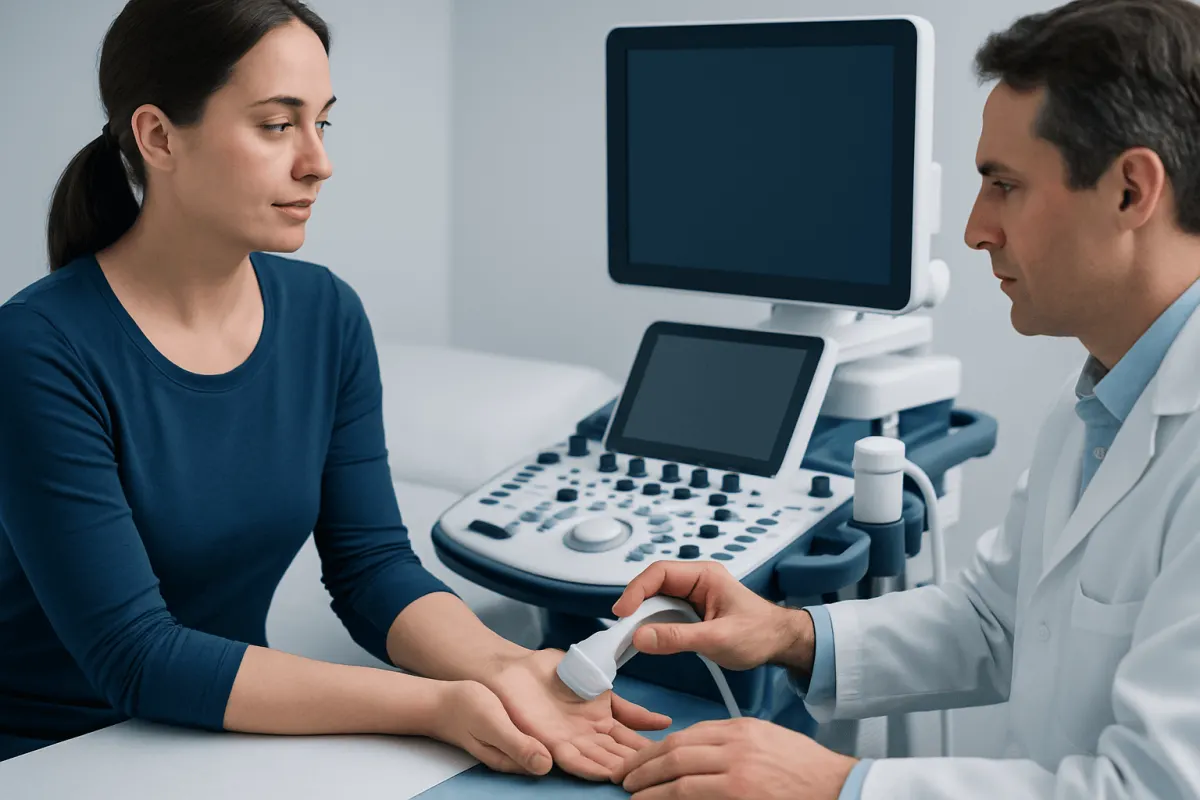
People may be candidates for carpal tunnel surgery when testing confirms carpal tunnel syndrome and symptoms remain troublesome despite non-surgical care, or when there are signs of significant nerve compression. A hand specialist can assess symptom pattern, nerve function, daily limitations, health history, and treatment goals to determine whether surgery is appropriate.
Overview: Who May Be a Candidate?
Am I a candidate for carpal tunnel surgery? A person may be a candidate if carpal tunnel syndrome has been confirmed and numbness, tingling, pain, weakness, or sleep disruption continues despite appropriate non-surgical care. Surgery may also be recommended sooner when there is evidence of substantial median nerve compression, progressive loss of hand function, or muscle wasting.
Carpal tunnel syndrome occurs when the median nerve is compressed as it passes through a narrow passage in the wrist called the carpal tunnel. The nerve supplies sensation to the thumb, index, middle, and part of the ring finger, and supports some thumb movements. Symptoms can affect work, sleep, driving, self-care, and hobbies.
The decision is individualized rather than based on one symptom alone. A clinician considers the diagnosis, severity, how symptoms affect daily life, prior treatments, examination findings, nerve studies when needed, and the person’s overall health. The purpose of carpal tunnel surgery is to reduce pressure on the median nerve and help prevent further nerve injury.
Symptoms and Findings That Support Surgery
Symptoms that may lead a clinician to discuss surgery include frequent tingling or numbness in the fingers, nighttime symptoms that interrupt sleep, burning or aching discomfort in the hand or wrist, and symptoms that persist during the day. Some people notice they drop objects, struggle with buttons or jar lids, or find thumb movements less reliable.
Severe or long-standing compression can cause reduced feeling in the fingertips, weakness when pinching, or shrinking of the muscles at the base of the thumb. These findings deserve timely medical assessment because nerve recovery may be less complete after prolonged compression.
Symptoms alone do not always prove carpal tunnel syndrome. Neck conditions, arthritis, tendon problems, diabetes-related neuropathy, and other nerve disorders can cause similar complaints. A careful evaluation helps make sure surgery is directed at the actual source of symptoms.
- Persistent symptoms despite wrist splinting, activity changes, or other clinician-directed care
- Symptoms that substantially interfere with sleep, work, or everyday hand use
- Objective weakness, reduced sensation, or thumb muscle wasting
- Nerve conduction testing showing moderate to severe median nerve compression
- Recurrence or progression of symptoms after a period of non-surgical management
Pre-Operative Assessment and Eligibility Criteria

A hand surgeon, orthopedic specialist, or other qualified clinician begins by reviewing the symptom history and examining the hand, wrist, arm, and sometimes neck. They may perform simple bedside tests that reproduce median nerve symptoms. Nerve conduction studies and electromyography can measure how well the median nerve is working and help clarify the severity or diagnosis.
Imaging is not required for every person. Ultrasound or other imaging may be used when the diagnosis is uncertain or when a structural cause is suspected. Blood tests may be appropriate when a health condition that can contribute to nerve symptoms is being evaluated.
Eligibility also includes whether a person can safely undergo the planned anesthesia and recovery period. The clinical team reviews medical conditions, allergies, smoking status, previous operations, and medicines such as anticoagulants, diabetes medications, or immune-suppressing drugs. These factors do not automatically rule out surgery, but they may require planning or optimization.
People seeking care from abroad can complete an initial pre-assessment form and share prior test results, medical history, and medication lists with the treating team. This supports an informed discussion but does not replace an in-person examination and final surgical decision.
How Carpal Tunnel Release Works
Carpal tunnel release is designed to create more room for the median nerve. The surgeon divides the transverse carpal ligament, a band of tissue forming the roof of the carpal tunnel. Once released, pressure within the tunnel can decrease, allowing the nerve space to recover over time.
The operation may be performed with an open technique, using a small incision in the palm, or an endoscopic technique, using one or more smaller incisions and a camera-guided instrument. Both approaches aim to fully release the ligament. The most suitable technique depends on the person’s anatomy, clinical circumstances, surgeon experience, and shared decision-making.
It is important to have realistic expectations. Surgery is intended to relieve nerve compression, but it cannot always reverse long-standing nerve damage completely. Nighttime tingling may improve relatively soon, while numbness and strength can take longer to recover, particularly when symptoms were severe before surgery.
What Happens During the Procedure
Carpal tunnel release is commonly an outpatient procedure, meaning the person usually returns home the same day. Depending on the planned technique and individual needs, anesthesia may involve local anesthetic, regional anesthesia that numbs the arm, sedation, or another suitable approach discussed before the operation.
After the skin is cleaned and numbed, the surgeon makes the planned incision and carefully releases the transverse carpal ligament while protecting the median nerve and nearby structures. The incision is then closed and covered with a dressing. The procedure itself is often relatively short, although appointment time includes preparation and recovery from anesthesia.
Before leaving, the patient receives instructions about hand elevation, dressing care, pain control, movement, bathing, driving, work restrictions, and follow-up. It is sensible to arrange transport home and practical help for the first day if sedation or general anesthesia is used.
For a broader explanation of approaches and treatment planning, the dedicated carpal tunnel surgery page can be used alongside a specialist consultation.
Benefits, Risks, and Recovery Timeline
The main potential benefit of surgery is reduced pressure on the median nerve. Many people experience improvement in night symptoms, tingling, and hand discomfort. Surgery may also help preserve function when nerve compression is progressing. Outcomes vary according to symptom duration, severity, other medical conditions, the presence of additional nerve problems, and the demands placed on the hand.
As with any operation, there are possible risks. These include pain, swelling, bruising, stiffness, scar sensitivity, infection, bleeding, delayed wound healing, incomplete symptom relief, recurrence, and injury to nearby nerves or blood vessels. Some people experience temporary soreness in the palm, sometimes called pillar pain, especially with gripping or weight-bearing through the hand.
Finger movement is usually encouraged soon after surgery to reduce stiffness, following the surgeon’s directions. Light daily activities may be possible within days, while wound healing commonly takes several weeks. Return to manual work, repetitive tasks, sports, and heavy lifting depends on the procedure, the hand involved, healing progress, and job requirements.
Nerve recovery is often gradual. Symptoms caused by temporary irritation can improve early, but sensation and strength may take weeks or months to recover. Follow-up appointments allow the team to check healing, remove sutures when applicable, and recommend hand therapy if stiffness, weakness, or scar sensitivity persists.
When to Seek Medical Care
Medical assessment is advisable for ongoing hand numbness, tingling, pain, or weakness, especially if symptoms wake a person from sleep or affect work and daily activities. Early assessment can identify carpal tunnel syndrome and other possible causes, allowing appropriate treatment before symptoms become more limiting.
A person should seek prompt medical advice if numbness becomes constant, hand weakness progresses, thumb muscles appear smaller, or objects are being dropped frequently. These may indicate more significant nerve involvement and warrant timely evaluation.
Urgent assessment is appropriate after a wrist injury with severe pain, marked swelling, new weakness, or altered sensation. Sudden symptoms involving the face, arm, speech, balance, or vision require emergency care, as they may not be caused by carpal tunnel syndrome.
Acıbadem Health Point’s multidisciplinary specialists and JCI-accredited hospitals evaluate and treat carpal tunnel syndrome for international patients, with treatment decisions based on individual clinical assessment.
Self-Care While Awaiting Assessment
For mild or intermittent symptoms, a clinician may recommend non-surgical measures before considering an operation. These can include a neutral-position wrist splint at night, adapting tasks that involve forceful gripping or repeated wrist bending, and taking regular breaks during repetitive hand activity. These steps may reduce symptoms but do not replace evaluation when weakness or persistent numbness is present.
Managing contributing health conditions is also important. For example, appropriate care for diabetes, thyroid disease, inflammatory arthritis, or fluid retention in pregnancy may influence symptoms and the wider treatment plan. A clinician can advise whether medication changes, therapy, injections, or referral to a specialist are appropriate.
People should avoid repeatedly forcing the wrist into painful positions or relying on unproven devices that delay assessment. If surgery is being considered, discussing job duties, hobbies, home support, dominant-hand needs, and travel plans with the clinical team can help create a safer recovery plan.
Frequently asked questions
01How do doctors decide if carpal tunnel surgery is necessary?
Doctors consider whether symptoms are clearly due to carpal tunnel syndrome, how severe they are, and whether non-surgical care has helped. Persistent symptoms, weakness, thumb muscle changes, or significant abnormalities on nerve testing can make surgery more appropriate.
02Do I need nerve conduction studies before carpal tunnel surgery?
Not everyone needs nerve conduction studies, but they are commonly helpful when the diagnosis is uncertain, symptoms are severe, or another nerve condition is possible. They can document median nerve compression and help guide treatment decisions.
03Can carpal tunnel syndrome improve without surgery?
Mild or early symptoms may improve with measures such as nighttime splinting, activity modification, and treatment of contributing conditions. However, persistent symptoms or signs of nerve damage should be assessed by a qualified clinician because delaying care may affect recovery.
04How long is recovery after carpal tunnel surgery?
Many people can use their fingers for gentle activities soon after surgery, but incision healing usually takes several weeks. Recovery of grip strength and nerve sensation may take longer, especially when symptoms were severe or long-standing before treatment.
05Will surgery completely remove numbness and tingling?
Many people have meaningful improvement, particularly in nighttime tingling and pain. Complete recovery cannot be guaranteed because outcomes depend on the extent and duration of nerve compression and whether other conditions also affect the hand or nerves.
06What should I tell the surgeon before carpal tunnel surgery?
A person should share all medical conditions, medicines and supplements, allergies, prior operations, smoking status, and any history of bleeding or anesthesia problems. It is also useful to discuss work demands, hand dominance, travel arrangements, and available support during recovery.
This article is for general information only and is not a substitute for professional medical advice. Please consult a qualified doctor about your individual situation.
Explore treatments in Turkey — costs, top hospitals & a free quote
JCI-accredited · board-certified surgeons · reply within 24h
Add us as a Preferred Source to see more of our trusted health content across Google Search, AI Overviews and Discover.