Adult Shingles: Symptoms, Treatment, and Prevention
Adult shingles is a reactivation of the varicella-zoster virus, the virus that causes chickenpox. It usually causes pain, tingling and a blistering rash on one side of the body, and prompt medical assessment can help reduce discomfort and complications.
Adult shingles: the evidence-based overview
Adult shingles, also called herpes zoster, is an infection caused by reactivation of the varicella-zoster virus. This is the same virus that causes chickenpox. After a person recovers from chickenpox, the virus does not completely leave the body; it remains inactive in certain nerve cells and may reactivate later in life.
When the virus reactivates, it travels along a nerve to the skin and causes inflammation, pain and a characteristic rash. The rash is commonly limited to one side of the chest, back, abdomen, face or neck. Shingles is not caused by poor hygiene, and it is not the same as herpes simplex, the virus commonly associated with cold sores or genital herpes.
Most people recover, but symptoms can be significant and some people develop ongoing nerve pain after the skin heals. Early assessment is useful because antiviral treatment may shorten the illness and reduce the likelihood of certain complications. Vaccination is an important preventive option for eligible adults.
How shingles commonly feels and looks
Shingles often begins with unusual sensations in a defined area of skin. These may include burning, itching, tingling, sensitivity to touch, stabbing pain or a deep ache. Some people feel tired, develop a headache or have a mild fever before the rash appears. Because these early symptoms can resemble other conditions, shingles is not always immediately recognized.
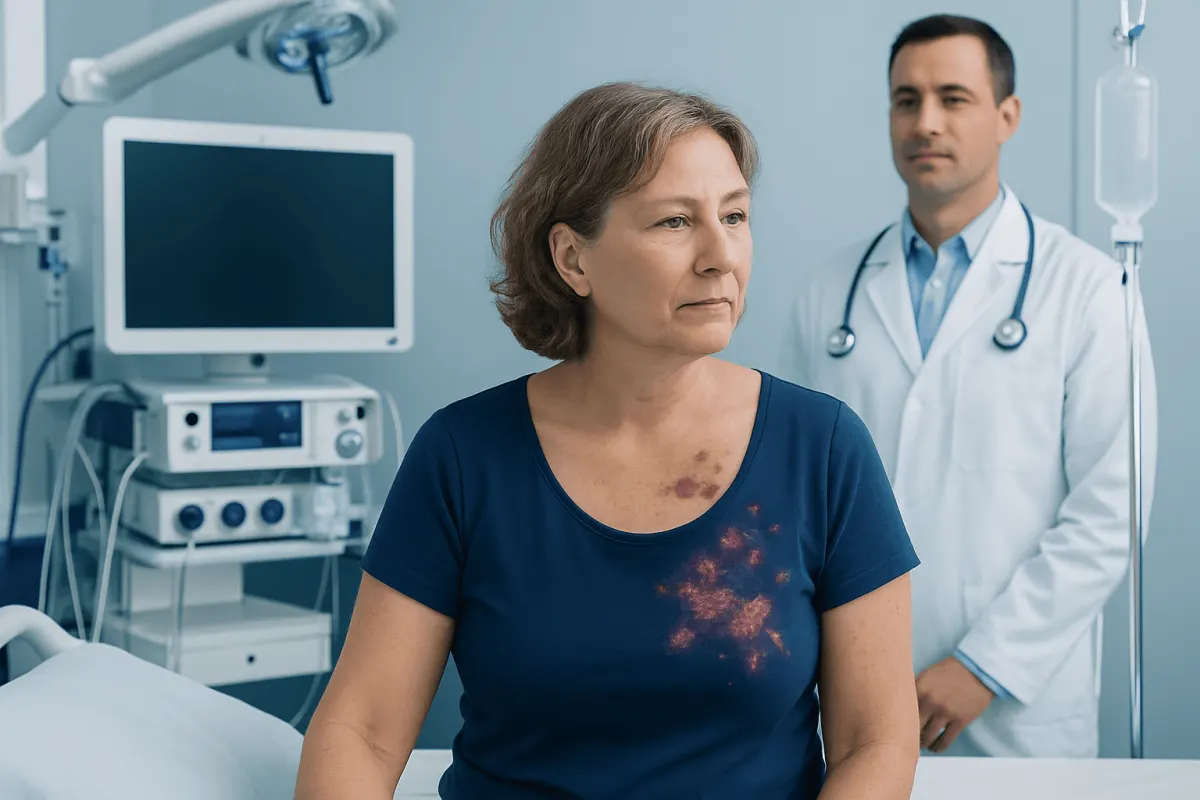
Within several days, groups of small fluid-filled blisters usually develop on reddened skin. They tend to form a band or patch that follows the route of a nerve and generally stays on one side of the body without crossing the midline. The blisters dry and crust over, typically healing over the following weeks.
Symptoms differ between individuals. Older adults and people with reduced immune function may have more severe pain or a more widespread rash. Some people have pain without a visible rash, a less common presentation sometimes called zoster sine herpete, which requires clinical evaluation because other causes of pain must also be considered.
- Typical symptoms: one-sided pain, tenderness, tingling, burning, rash and blisters.
- Possible general symptoms: tiredness, headache, fever or feeling unwell.
- Possible lasting symptom: nerve pain that continues after the rash resolves.
Why adult shingles happens and who is more likely to develop it
Shingles develops when previously inactive varicella-zoster virus becomes active again. The exact trigger cannot always be identified. Immune function naturally changes with age, which helps explain why shingles becomes more common in older adults. It can also occur in younger adults, including people who are otherwise healthy.
Factors associated with a greater likelihood of shingles include increasing age, a weakened immune system and use of medicines that suppress immune responses. Certain medical conditions and treatments can affect immunity, so people receiving cancer treatment, taking long-term immunosuppressive medication, or living with conditions that impair immune defenses should discuss new rashes or nerve-like pain promptly with a clinician.
Stress is often discussed as a trigger, but it should not be viewed as a personal failure or the sole explanation for shingles. Physical illness, inadequate rest and periods of stress may affect the body in various ways, yet shingles can occur without an obvious precipitating event. Having had shingles once does not guarantee lifelong protection; recurrence is possible.
How clinicians diagnose shingles and check for complications
Clinicians can often diagnose shingles by asking about symptoms and examining the rash. The location, one-sided distribution and appearance of the blisters are particularly helpful. A person should mention whether pain started before the rash, when symptoms began, previous chickenpox or vaccination history, current medicines and any condition that affects immune function.
Laboratory testing is not routinely required when the rash is typical. If the diagnosis is uncertain, if the rash is unusual or widespread, or if the person has a weakened immune system, a clinician may take a sample from a blister for testing. Blood tests do not usually diagnose an active, straightforward episode of shingles.
Assessment also focuses on where the rash occurs and whether there are signs of complications. Shingles involving the eye can threaten vision and needs urgent specialist care. Facial weakness, hearing changes, dizziness, severe headache, confusion, weakness in an arm or leg, or a widespread rash require prompt medical evaluation. A clinician may also distinguish shingles from skin infections, allergic rashes and other blistering conditions.
Treatment options: early care, symptom relief and follow-up
Antiviral medicines are commonly prescribed for shingles, especially when treatment can begin early after the rash appears. These medicines slow viral replication and may reduce the duration or severity of the episode. They are particularly important for people with facial or eye involvement, severe symptoms, weakened immunity, or a higher risk of complications. The most suitable medicine depends on the person’s health, kidney function, other medications and timing of symptoms.
Pain management is also important. A clinician may recommend appropriate non-prescription pain relief or prescribe treatments for more severe acute nerve pain. Cool compresses, loose clothing and keeping the rash clean and dry can improve comfort. Blisters should not be picked, and topical products should only be used if recommended, as some may irritate damaged skin.
For some people, pain continues after the rash heals. This is called postherpetic neuralgia and is more likely with increasing age and severe initial pain or rash. It is a real nerve-pain condition, not something a person should simply tolerate. Follow-up allows clinicians to tailor pain treatment and support sleep, daily activities and wellbeing.
Acıbadem Health Point’s multidisciplinary specialists and JCI-accredited hospitals diagnose and treat shingles-related concerns for international patients, including cases requiring dermatology, neurology, ophthalmology or infectious disease input.
Preventing spread and reducing future risk
A person with shingles cannot give another person shingles. However, the fluid from active shingles blisters can transmit varicella-zoster virus to someone who has never had chickenpox or has not been vaccinated against it. That person may develop chickenpox rather than shingles. The risk is mainly present until all blisters have dried and crusted.
Covering the rash, avoiding touching or scratching it, washing hands regularly and not sharing towels or clothing can reduce transmission. It is sensible to avoid direct contact with pregnant people who are not known to be immune to chickenpox, newborn babies, and people with severely weakened immune systems while blisters are active. A healthcare professional can give individualized advice in household or workplace situations.
Vaccination is the most effective way to reduce the risk of shingles and its complications in eligible adults. Recommendations vary by country, age, health status and immune status. People who have previously had chickenpox, shingles or an earlier shingles vaccine may still be eligible for vaccination, but they should ask a clinician or local immunization provider about the appropriate timing and product.
General measures such as adequate sleep, regular activity, balanced nutrition and management of long-term conditions support overall health, although they cannot guarantee prevention. There is no reliable evidence that a particular food, supplement or home remedy can cure shingles or replace antiviral treatment when it is needed.
When to seek medical care
Anyone who suspects adult shingles should contact a healthcare professional promptly, particularly if a new painful or blistering rash has appeared. Assessment as early as possible gives the best opportunity to consider antiviral treatment. Do not wait for blisters to become severe before seeking advice.
Urgent same-day medical care is needed if the rash is on or near the eye, forehead, nose or ear; if there are eye symptoms, visual changes, facial weakness, hearing loss, severe dizziness, confusion, severe headache, or weakness or numbness affecting a limb. People who are pregnant, have a weakened immune system, are receiving immune-suppressing treatment, or have a widespread rash should also seek prompt clinical advice.
Emergency care is appropriate for severe symptoms such as trouble breathing, marked confusion, sudden weakness, seizures or a rapidly deteriorating condition. Although these outcomes are uncommon, early evaluation helps clinicians identify the cause and provide the right treatment.
Frequently asked questions
01Is adult shingles contagious?
Shingles itself is not passed from one person to another. However, fluid from active blisters can pass varicella-zoster virus to someone who is not immune to chickenpox. That person could develop chickenpox, not shingles, so covering the rash and practicing hand hygiene are important until lesions crust over.
02Can shingles occur without a rash?
In uncommon cases, a person may have shingles-related nerve pain without the usual skin rash. This can be difficult to diagnose because many other conditions can cause similar pain. A clinician can assess the symptoms, location and medical history and decide whether further evaluation is needed.
03How long does adult shingles last?
The rash commonly develops over several days and then dries and heals over the following weeks. Pain often improves as the skin heals, but some people have nerve pain that lasts longer. Starting prescribed antiviral treatment early may help reduce the severity and duration of illness.
04Can a person get shingles more than once?
Yes. An episode of shingles can strengthen immune responses, but it does not always provide lifelong protection. Recurrence is possible, which is one reason eligible adults should discuss shingles vaccination with a healthcare professional.
05Does stress cause shingles?
Stress alone should not be considered a direct or certain cause of shingles. Immune changes associated with age, illness, some medical treatments and immune-suppressing conditions are more established factors. Shingles may occur even when a person cannot identify a trigger.
06Should a person get the shingles vaccine after having shingles?
Many people remain eligible for shingles vaccination after recovery from an episode. The best timing depends on local guidance, age, immune status and the type of vaccine available. A doctor or immunization provider can advise when vaccination is appropriate.
This article is for general information only and is not a substitute for professional medical advice. Please consult a qualified doctor about your individual situation.
Explore treatments in Turkey — costs, top hospitals & a free quote
JCI-accredited · board-certified surgeons · reply within 24h
Add us as a Preferred Source to see more of our trusted health content across Google Search, AI Overviews and Discover.