Allergic Eczema: Triggers, Symptoms, and Skin Care
Allergic eczema describes an itchy, inflamed skin reaction that develops when the skin comes into contact with a substance that triggers an immune response or irritation. Identifying the trigger, restoring the skin barrier and using clinician-guided treatment can usually help control symptoms and reduce flare-ups.
Overview: what is allergic eczema?
Allergic eczema is a commonly used term for an eczema-like rash that occurs after the skin reacts to a substance. In clinical practice, this is often called allergic contact dermatitis. It is a delayed immune reaction: after a person has become sensitised to an allergen, later contact can cause inflammation, itching and a visible rash.
It is important to distinguish allergic contact dermatitis from irritant contact dermatitis. An irritant reaction happens when a substance directly damages or dries the skin, such as frequent exposure to soaps, detergents or solvents. Allergic contact dermatitis results from an immune response to a specific substance, even when only a small amount is present. Both can occur together, especially in people with naturally dry or sensitive skin.
Allergic eczema is not contagious. It can occur at any age and may affect the hands, face, eyelids, ears, neck, underarms, feet or any area that touches the responsible product or material. Symptoms often improve once the trigger is found and avoided, although the skin barrier can take time to recover.
How allergic eczema can look and feel
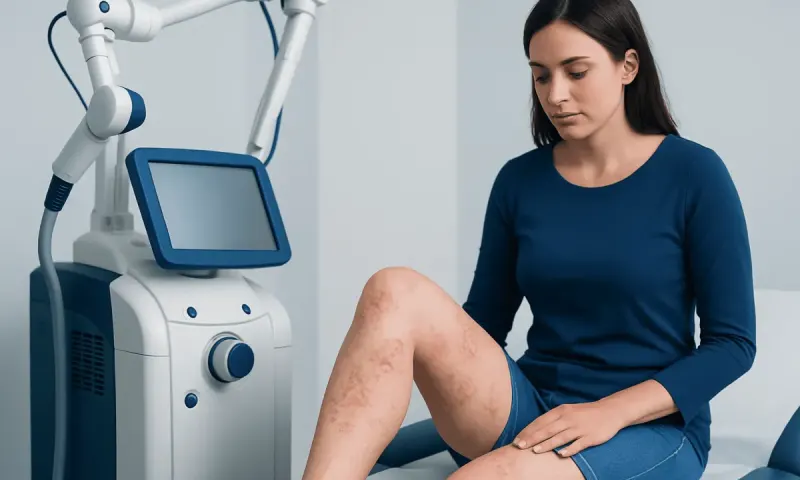
Itching is one of the most common features of allergic eczema. The affected area may become red, dry, rough, scaly or swollen. In darker skin tones, inflammation may look brown, purple, grey or deeper than the surrounding skin rather than bright red. The exact appearance can change as the rash settles or becomes long-lasting.
During a more active flare, small fluid-filled blisters, weeping, crusting or burning may occur. Repeated scratching can thicken the skin and make it more sensitive. Hands are particularly prone to painful cracks because they are frequently washed and exposed to everyday products.
The distribution of the rash can provide useful clues. For example, a reaction around the ears or neck may relate to jewellery, hair products or fragrance; an eyelid rash may be linked to cosmetics, nail products transferred by touch, or airborne exposures. A rash may also spread beyond the precise contact area, so appearance alone cannot reliably identify the cause.
- Symptoms may begin several hours to several days after contact with an allergen.
- A reaction can emerge after years of using the same product without problems.
- Flares may recur when a hidden source of the allergen remains in use.
Common triggers and risk factors

Many substances can trigger allergic eczema. Frequent allergens include fragrance ingredients, preservatives in personal-care products, hair dyes, certain cosmetics, nickel and other metals, rubber chemicals, adhesives, topical medicines and plants such as poison ivy. Products labelled “natural,” “hypoallergenic” or “dermatologist tested” can still contain ingredients that cause reactions in some people.
Workplace exposure may be relevant for people who regularly handle cleaning agents, gloves, wet materials, metals, hair products, paints, resins or health-care products. Healthcare workers, hairdressers, cleaners, food handlers, mechanics and construction workers may experience hand dermatitis because of repeated contact with irritants and possible allergens. An occupational health assessment can be helpful when symptoms appear to be work-related.
People with atopic dermatitis, often simply called eczema, may have a weaker skin barrier and be more vulnerable to irritation and contact allergy. However, allergic eczema is not limited to people with a history of atopic eczema. Family history of allergies may be relevant, but the most practical focus is on exposure patterns and the skin’s response over time.
Some rashes that resemble eczema have other causes, including fungal infections, psoriasis, scabies or medication reactions. Eczema and related inflammatory skin conditions may therefore need a medical review when symptoms are persistent, severe or difficult to explain.
How doctors diagnose the cause
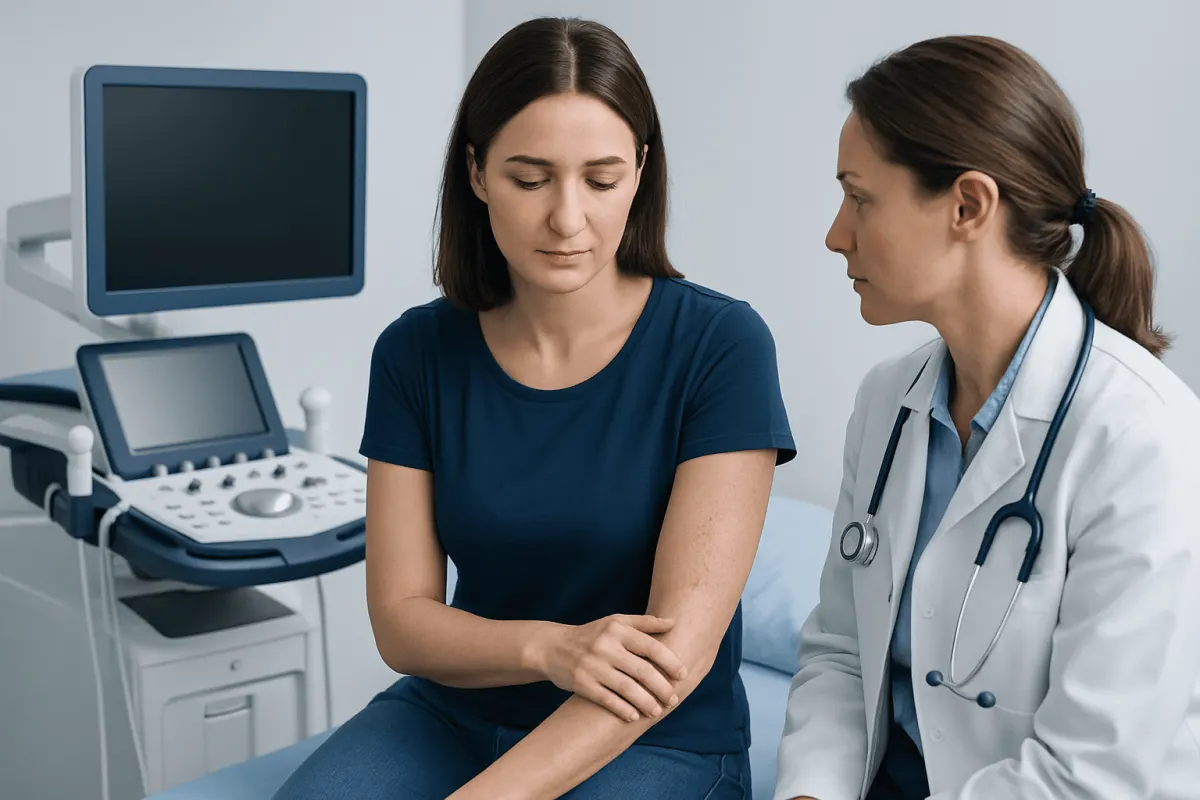
A clinician usually begins by examining the skin and asking detailed questions about symptoms, timing and possible exposures. Patients may be asked about soaps, moisturisers, makeup, hair products, fragrances, jewellery, gloves, laundry products, work materials, hobbies and new medicines applied to the skin. Bringing photographs of the rash at its worst and a list of products used can make this assessment more informative.
When an allergy is suspected, a dermatologist may recommend patch testing. Small amounts of selected allergens are placed on the back under adhesive patches. The skin is checked after a set period to look for delayed reactions. Patch testing is different from skin-prick testing, which is more often used for immediate allergies such as hay fever or some food allergies.
A positive patch test does not automatically prove that an allergen is causing the current rash. The clinician considers whether the substance is relevant to the person’s real-life contact, the location of the rash and the timeline of symptoms. In some cases, testing for infection or another skin condition may also be appropriate.
Treatment options and skin-barrier repair
The most effective treatment is to identify and avoid the relevant allergen or irritant. This may require replacing a product, reading ingredient lists carefully, changing protective equipment or adjusting workplace practices. A dermatologist or allergy specialist can help interpret patch-test results and provide practical avoidance guidance, including possible alternative products.
Regular use of a bland, fragrance-free emollient helps restore the skin barrier and reduce dryness. Gentle cleansing with lukewarm rather than hot water can also be helpful. During a flare, clinicians may prescribe a topical anti-inflammatory medicine, such as a corticosteroid, selected according to the site and severity of the rash. Non-steroidal anti-inflammatory topical treatments may be appropriate for some areas or situations.
Severe, widespread or persistent eczema may need specialist treatment. Oral medicines are not routinely needed for every flare, and antibiotics are only useful when a clinician identifies a bacterial infection. Patients should avoid applying strong over-the-counter creams, herbal preparations or topical antibiotics without advice, as some ingredients can worsen contact allergy.
For assessment and personalised management, dermatology care can help clarify the diagnosis, arrange patch testing where appropriate and develop a practical treatment plan.
Everyday prevention and self-care
Once a trigger has been identified, consistent avoidance is the main form of prevention. This can be challenging because allergens may appear in several products under different names. Keeping a simple symptom and exposure diary may help reveal patterns, particularly when flares occur after work shifts, a new cosmetic product or a change in household products.
Choosing fragrance-free products is often more reliable than choosing products marked “unscented,” as unscented items can still include fragrance chemicals that mask an odor. For hand eczema, moisturising after washing and using suitable protective gloves for wet work can reduce irritation. Gloves should be kept clean and dry, and prolonged occlusion should be avoided when possible because sweat and heat can aggravate the skin.
Helpful habits include keeping nails short to limit skin damage from scratching, wearing soft breathable fabrics and avoiding harsh scrubs or very hot showers. A cool compress can provide temporary comfort during itchier episodes. If a product causes burning, worsening redness or a new rash, it is sensible to stop using it and seek professional advice before trying it again.
When to seek medical care
Medical assessment is advisable if a rash is persistent, frequently recurrent, severe, affecting the face or genitals, interfering with sleep or daily activities, or occurring after a suspected workplace exposure. A clinician can help determine whether allergic eczema is the cause and whether patch testing or prescription treatment is needed.
Prompt care is important when the skin becomes increasingly painful, warm, swollen, rapidly red or produces pus, as these can be signs of infection. Fever or feeling generally unwell alongside a skin flare also warrants urgent medical advice. Sudden facial, lip or tongue swelling, wheezing, dizziness or difficulty breathing may indicate a serious allergic reaction and requires emergency care.
Acıbadem Health Point’s multidisciplinary specialists and JCI-accredited hospitals can evaluate and treat skin conditions, including suspected allergic eczema, for international patients. A qualified clinician can tailor advice to the person’s skin findings, exposures and medical history.
Frequently asked questions
01Is allergic eczema the same as atopic eczema?
No. Allergic eczema usually refers to allergic contact dermatitis, which occurs when the immune system reacts to a substance touching the skin. Atopic eczema is a chronic inflammatory condition linked to a tendency toward dry, sensitive skin and may occur with asthma or hay fever. A person can have both conditions.
02How long does allergic eczema last?
A mild flare may begin improving within days after the trigger is removed, but complete recovery can take longer because the skin barrier needs time to heal. Ongoing or repeated exposure can make symptoms persist. Appropriate treatment and avoidance guidance can shorten and prevent future flares.
03Can allergic eczema develop suddenly in adulthood?
Yes. Contact allergy can develop after repeated exposure to an ingredient or material that was previously tolerated. New products are not the only possible cause; a familiar product may become relevant after sensitisation or changes in skin-barrier health.
04Can food cause allergic eczema?
Food is not a common cause of allergic contact dermatitis because this condition usually follows skin contact with an allergen. Some people with atopic eczema may notice that particular foods affect symptoms, but restrictive diets should not be started without medical advice. A clinician can assess whether food allergy testing is appropriate.
05Will patch testing identify every trigger?
Patch testing is very useful for detecting many common delayed contact allergens, but it cannot test every possible substance. Results must also be interpreted alongside the person's exposures and rash pattern. Sometimes additional testing or review of personal and workplace products is needed.
06Can moisturiser make allergic eczema worse?
A simple, fragrance-free moisturiser often supports healing, but any product can cause a reaction in a sensitised person. Moisturisers containing fragrance, botanicals, preservatives or other additives may be problematic for some people. If a moisturiser stings or consistently worsens the rash, it should be stopped and discussed with a clinician.
This article is for general information only and is not a substitute for professional medical advice. Please consult a qualified doctor about your individual situation.
Explore treatments in Turkey — costs, top hospitals & a free quote
JCI-accredited · board-certified surgeons · reply within 24h
Add us as a Preferred Source to see more of our trusted health content across Google Search, AI Overviews and Discover.