All on 6 Dental Implants Before and After: What You Need to Know

Key Takeaways
- All on 6 dental implants replace a full arch of missing teeth using six implants to support a fixed bridge.
- Before-and-after results can be dramatic, but they depend on oral health, bone volume, and treatment planning.
- The process usually includes consultation, imaging, surgery, temporary teeth, healing, and final restoration.
- Most patients need ongoing hygiene care and regular dental follow-up to protect the implants long term.
- Traveling for treatment requires planning for recovery time, follow-up visits, and clear communication with the dental team.
All on 6 dental implants before and after results often show a major change in chewing comfort, speech, and smile appearance, but the exact outcome depends on bone health, gum condition, bite alignment, and careful planning. This guide explains what patients can expect before treatment, during recovery, and after the final prosthesis is placed.
Overview
People searching for all on 6 dental implants before and after usually want a practical answer: what changes, how quickly, and how natural the result may look and feel. In simple terms, All on 6 is a full-arch tooth replacement method that uses six dental implants to hold a fixed bridge in place. For the right candidate, it can transform a mouth with many missing or failing teeth into a stable, functional smile.
The “before” picture often includes loose teeth, worn-down bridges, denture discomfort, or difficulty eating certain foods. The “after” result is not just cosmetic; it may also improve chewing efficiency, speech, and confidence in social settings. Still, outcomes are individualized, and the final appearance depends on the jawbone, gum health, facial proportions, and the skill of the planning team.
For international patients, the process is also a journey in logistics. Choosing the right clinic means thinking about imaging, surgery, recovery time, and whether follow-up care can be coordinated after returning home. A thoughtful plan matters as much as the implant surgery itself.
What the Before-and-After Change Often Involves
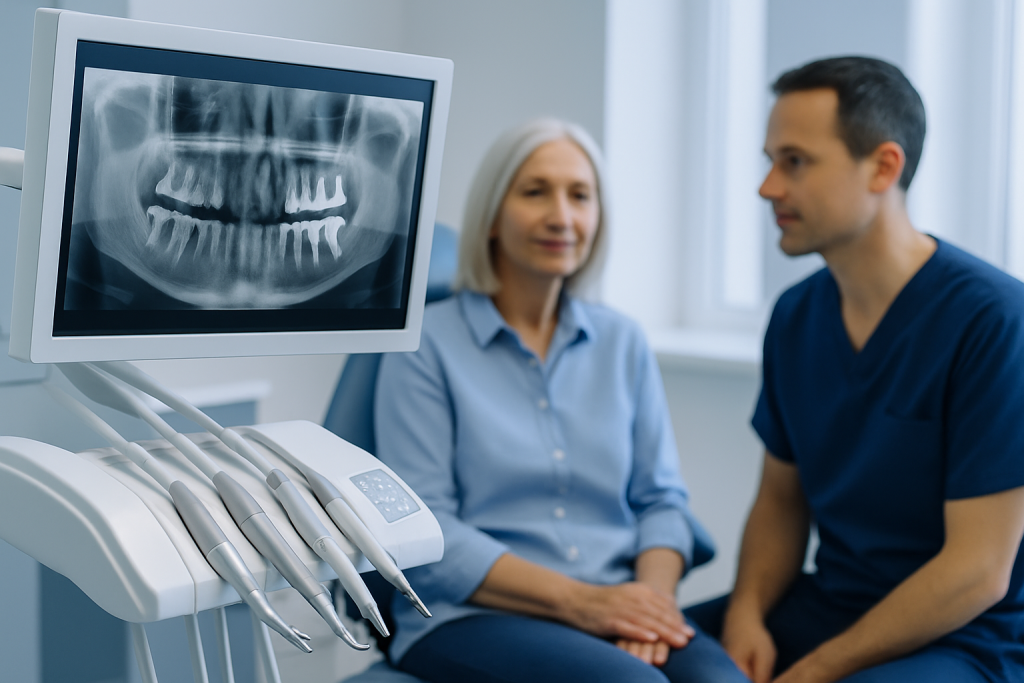
The “before” phase is usually defined by loss: lost teeth, unstable dentures, or teeth that can no longer be saved comfortably. Some patients arrive with years of compromised chewing and avoid smiling in photos because they feel self-conscious about gaps or worn teeth. Others have enough teeth remaining, but those teeth are unhealthy and are contributing to infection, pain, or bite problems.
After treatment, the change is commonly seen in three areas: function, appearance, and day-to-day confidence. Patients often describe eating more comfortably, speaking more clearly, and not worrying about dentures shifting. The smile may look fuller because the prosthetic teeth are designed to restore both the visible teeth and the support that the lips and cheeks need.
It is important to understand that “before and after” photos can be helpful, but they do not tell the whole story. The best outcomes are not only attractive; they are balanced, stable, and built to last with proper care. A realistic consultation will focus on what can be achieved for that specific mouth rather than promising a universal result.
Who May Be a Candidate
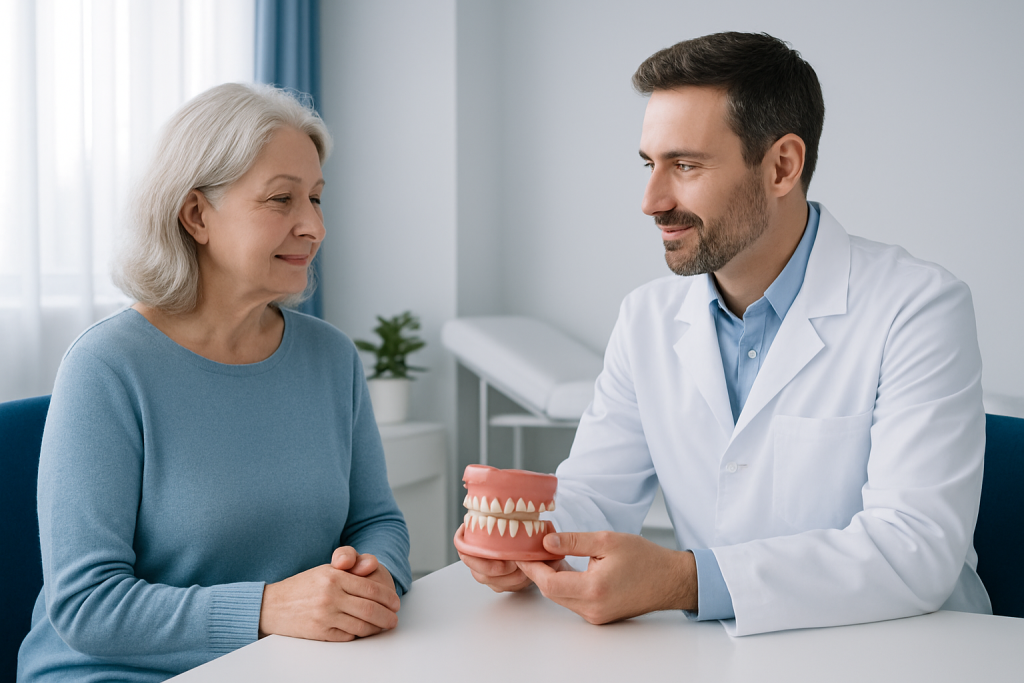
All on 6 is often considered for people who are missing most or all of their teeth in one jaw, or for those whose remaining teeth are no longer predictable enough to keep. It may also be suitable for patients who want a fixed solution instead of removable dentures. The six-implant design can offer broader support across the arch, which may be helpful when bone conditions allow it.
Candidacy depends on several factors, including general health, gum condition, jawbone volume, smoking status, and habits such as teeth grinding. A patient with untreated gum disease or uncontrolled medical conditions may need stabilization first. In some cases, bone grafting or a different implant plan may be recommended instead of moving directly to a full-arch restoration.
The best assessment is not based on appearance alone. A qualified implant dentist or oral surgeon will look at the bite, jaw relationships, soft tissue health, and any infection that could affect healing. That careful screening helps ensure the before-and-after change is not only visible, but also medically sound.
How the Treatment Is Planned
Planning usually starts with a consultation and detailed imaging such as panoramic X-rays or 3D scans. These images help the team study bone levels, nerve positions, sinus anatomy, and the best implant angles. In a full-arch case, precision matters because the final bridge must sit comfortably, function well, and be easy to maintain.
In many clinics, the digital planning stage includes modeling the future smile and bite. This allows the dental team to consider tooth length, lip support, and how the new teeth will look from different angles. For international patients, this stage is particularly important because it reduces surprises during a limited treatment window and helps the patient understand the likely sequence of visits.
Some people are surprised that planning can take longer than surgery. That is usually a good sign. The more carefully the team plans the case, the better positioned they are to deliver a result that looks natural and functions comfortably after healing.
Treatment Steps and Healing
The procedure typically begins with removing any teeth that cannot be kept and placing six implants into the jaw. In some cases, a temporary fixed bridge can be attached soon after surgery, allowing the patient to leave with teeth while the implants heal. The final bridge is usually placed later, after the implants have integrated with the bone and the tissues have settled.
During the early healing period, patients may be advised to follow a softer diet and avoid pressure on the implants. Mild swelling or soreness is common after surgery and usually improves as healing progresses. Oral hygiene remains essential, but the routine may be adjusted to protect the surgical sites.
The final “after” stage is more than inserting a new bridge. The bite is refined, the fit is checked, and the patient is instructed on how to clean around the implants and prosthesis. For patients traveling from abroad, this stage often includes planning a return visit or remote follow-up to confirm that healing remains on track.
What the Results Can Look and Feel Like
When treatment is successful, the before-and-after difference can be striking. The smile often looks more complete, the teeth may appear more even in size and color, and the face can regain support that was lost when teeth were missing. Many patients also notice that speaking feels more controlled because the prosthesis is stable.
The functional benefits are often what patients value most after the first excitement fades. Fixed implant-supported teeth can make it easier to chew a wider variety of foods than removable dentures, though patients still need to choose foods wisely during recovery and beyond. The aim is not to create “perfect” teeth, but a strong, practical restoration that fits daily life.
It is wise to set expectations carefully. Even excellent implant work may not look identical to natural teeth under every light and from every angle. The goal is a healthy, harmonious result that suits the patient’s face and bite, rather than a one-size-fits-all aesthetic.
How to Protect the Result Long Term
Successful implant treatment does not end with the final bridge. Daily cleaning is essential because the gums and implant surfaces can still be affected by plaque buildup and inflammation. Patients often use a combination of brushing, interdental cleaning tools, and professional maintenance visits to keep the area healthy.
Regular follow-up allows the dentist to check the prosthesis, tighten or adjust components if needed, and look for early signs of wear. People who grind their teeth may need a night guard, and smokers are usually encouraged to reduce or stop smoking because it can interfere with healing and long-term stability. A good maintenance plan is part of the treatment, not an optional extra.
- Brush carefully around the bridge and gum line every day.
- Use recommended cleaning aids to reach under and around the prosthesis.
- Attend scheduled checkups, even if nothing feels wrong.
- Report looseness, bleeding, discomfort, or changes in bite early.
When to See a Doctor
Anyone considering All on 6 should seek a consultation if missing teeth, denture problems, or repeated dental infections are affecting eating or quality of life. Early assessment is helpful because it can reveal whether implants are appropriate now or whether gum treatment, extractions, or bone preparation should come first. A timely opinion can prevent the situation from becoming more complicated.
After treatment, patients should contact the dental team if swelling worsens instead of improving, if pain becomes severe, if the bridge feels loose, or if there is persistent bleeding or drainage. These signs do not always mean a serious problem, but they deserve prompt review. The same is true if chewing feels uneven or if the prosthesis begins to irritate the soft tissues.
For patients traveling internationally, it is especially helpful to know who will answer questions after they return home. Acibadem Health Point’s multidisciplinary specialists and JCI-accredited hospitals diagnose and treat this condition for international patients, with care pathways designed to support both the procedure and the follow-up phase.
Frequently asked questions
01What does All on 6 mean in dental implants?
All on 6 refers to a full-arch dental restoration supported by six implants. Those implants anchor a fixed bridge, which is designed to replace many or all missing teeth in one jaw. It is a common option when a patient wants a more stable alternative to removable dentures.
02What can patients expect from All on 6 dental implants before and after treatment?
Before treatment, patients often have missing teeth, loose dentures, or severe wear and infection. After treatment, they may notice better chewing, clearer speech, and a more complete smile. The exact result depends on bone health, gum condition, and the final prosthetic design.
03How long does it take to heal after All on 6 implants?
Healing time varies from person to person and depends on whether extractions or other procedures were needed. Many patients wear temporary teeth during healing, while the implants bond with the bone over time. The dental team will decide when it is safe to place the final bridge.
04Are All on 6 implants better than dentures?
They are different solutions, and one is not automatically better for everyone. All on 6 implants are fixed and usually feel more stable, while dentures are removable and may suit some patients better for medical, financial, or anatomical reasons. A dentist can explain which option fits the patient’s situation.
05Is the procedure painful?
The surgery is performed with anesthesia, so patients should not feel pain during the procedure. Some soreness, swelling, or tenderness afterward is common and usually improves with time and the care plan provided by the dental team. Unexpected or worsening pain should be checked promptly.
06Can international patients travel home soon after treatment?
Many international patients can travel after the initial recovery period, but the timing depends on the procedure and the individual healing response. It is important to plan for follow-up visits, medication instructions, and emergency contact details before leaving. The dental team can help organize a practical schedule.
This article is for general information only and is not a substitute for professional medical advice. Please consult a qualified doctor about your individual situation.
Explore treatments in Turkey — costs, top hospitals & a free quote
JCI-accredited · board-certified surgeons · reply within 24h
Add us as a Preferred Source to see more of our trusted health content across Google Search, AI Overviews and Discover.