Alcohol-Induced Psychosis: Signs and Care Options
Alcohol induced psychosis is a mental health condition in which a person develops hallucinations, delusions, or severe suspiciousness during heavy alcohol use, intoxication, or withdrawal. It can improve with timely medical care, but urgent assessment is important because withdrawal and altered mental states can sometimes become medically dangerous.
Overview: What Is Alcohol Induced Psychosis?
Alcohol induced psychosis is a term used when psychotic symptoms are caused by alcohol intoxication, alcohol withdrawal, or a longer-term alcohol-related condition. Psychosis means losing touch with reality in some way. A person may hear voices, see images that are not present, develop strong beliefs that are not true, or become intensely suspicious of others.
The condition is often discussed as alcohol-induced psychotic disorder or alcohol-related psychosis. One recognized presentation is alcoholic hallucinosis, in which a person commonly hears voices while remaining relatively alert and aware of their surroundings. Symptoms may be frightening, but they are medical symptoms rather than a personal failing, and assessment can help identify the safest next steps.
Not every unusual experience after drinking is alcohol induced psychosis. Sleep deprivation, anxiety, medication interactions, use of other substances, and medical illnesses can also affect perception and thinking. A careful evaluation is therefore essential, particularly when symptoms are new, severe, or occur alongside confusion.
Symptoms and How They May Present
Symptoms vary from person to person and may develop over hours or days. Auditory hallucinations are especially common in alcohol-related psychosis. A person may hear voices speaking about them, criticizing them, or giving instructions. They may also see, feel, smell, or taste things that others do not perceive.
Delusions are another possible feature. These are fixed beliefs that remain strong despite evidence to the contrary, such as believing others are watching, following, or intending harm. Someone may appear very fearful, withdrawn, agitated, guarded, or unusually convinced that a perceived threat is real. Concentration, sleep, judgment, and daily functioning may also be affected.
It is important to distinguish psychosis from ordinary intoxication. Slurred speech, poor coordination, lowered inhibitions, and memory gaps can occur with alcohol intoxication but do not by themselves mean psychosis. Likewise, a person may experience anxiety or vivid dreams during withdrawal without having psychosis. Any hallucinations, delusions, confusion, or major behavioral change should be assessed by a healthcare professional.
- Hearing voices or sounds that others cannot hear
- Seeing people, objects, shadows, or insects that are not present
- Feeling watched, threatened, or targeted without clear evidence
- Strongly held false beliefs or markedly disorganized thinking
- Fear, agitation, sleeplessness, or behavior that creates safety concerns
Timing, Alcohol Withdrawal, and Delirium Tremens

Alcohol induced psychosis can occur while a person is drinking heavily or after they sharply reduce or stop alcohol. Withdrawal symptoms can begin within hours after the last drink and may include tremor, sweating, nausea, anxiety, insomnia, a fast heartbeat, and raised Systolic Blood Pressure: What Patients Need to Know" class="ahp-ilk">blood pressure. In some people, hallucinations develop during this period.
Alcoholic hallucinosis generally refers to hallucinations, often voices, occurring in a person who is relatively clear and oriented. By contrast, delirium tremens is a severe form of alcohol withdrawal that usually involves confusion, disorientation, marked agitation, autonomic instability, and sometimes fever or seizures. Delirium tremens requires emergency medical treatment because it can be life-threatening without care.
These conditions may overlap in appearance, and it is not safe to diagnose them at home. A person who drinks heavily every day, has previously had withdrawal seizures or delirium tremens, or has serious medical conditions should not attempt to stop drinking suddenly without medical guidance. Supervised withdrawal planning can reduce avoidable risks.
Causes and Risk Factors
The main cause is alcohol’s effect on brain signaling during heavy use and especially during withdrawal. Over time, the brain adapts to regular alcohol exposure. When alcohol is suddenly removed, the nervous system can become overactive, contributing to withdrawal symptoms, severe anxiety, seizures, hallucinations, or delirium in susceptible people.
Risk is generally higher with long-term heavy alcohol use, repeated cycles of stopping and restarting drinking, a past history of severe withdrawal, poor nutrition, sleep deprivation, and co-use of other substances. Some medicines, including sedatives or stimulants, can complicate the picture. Physical illnesses such as liver disease, infections, head injury, and disturbances in blood sugar or body salts may also worsen confusion or mimic psychiatric symptoms.
A personal or family history of a psychotic disorder may be relevant, but it does not mean alcohol is the only explanation for symptoms. Clinicians consider whether psychosis began before substantial alcohol use, continues for a long period after withdrawal, or occurs independently of drinking. This helps distinguish alcohol-induced symptoms from conditions such as schizophrenia, bipolar disorder, severe depression with psychotic features, or another medical cause.
How Alcohol Induced Psychosis Is Diagnosed
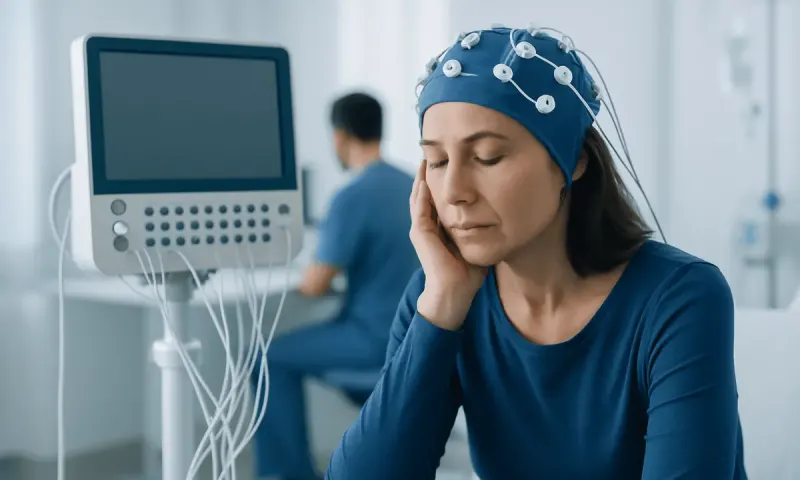
Diagnosis is based on a detailed clinical assessment rather than one single test. A doctor will ask about alcohol intake, the time of the last drink, past withdrawal symptoms, other substance use, prescribed and non-prescribed medicines, sleep, mental health history, and current symptoms. If possible, information from a relative or trusted person can help clarify changes in behavior and timing.
The assessment commonly includes a physical examination, neurological evaluation, and checks of vital signs. Blood tests may be used to look for dehydration, liver or kidney problems, nutritional deficiencies, infection, blood sugar changes, and electrolyte abnormalities. Depending on symptoms, clinicians may also consider drug testing, brain imaging, or other investigations to rule out injury or illness.
Doctors also assess immediate safety. They will ask whether the person feels at risk of harming themselves or someone else, whether voices are giving commands, and whether they can care for themselves. Honest answers help the clinical team choose an appropriate level of care, which may range from outpatient support to observation or hospital treatment.
Treatment Options and Recovery Support
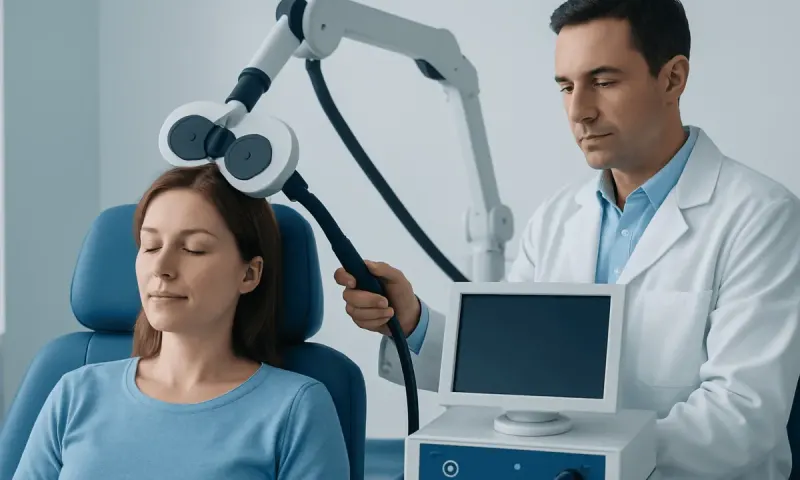
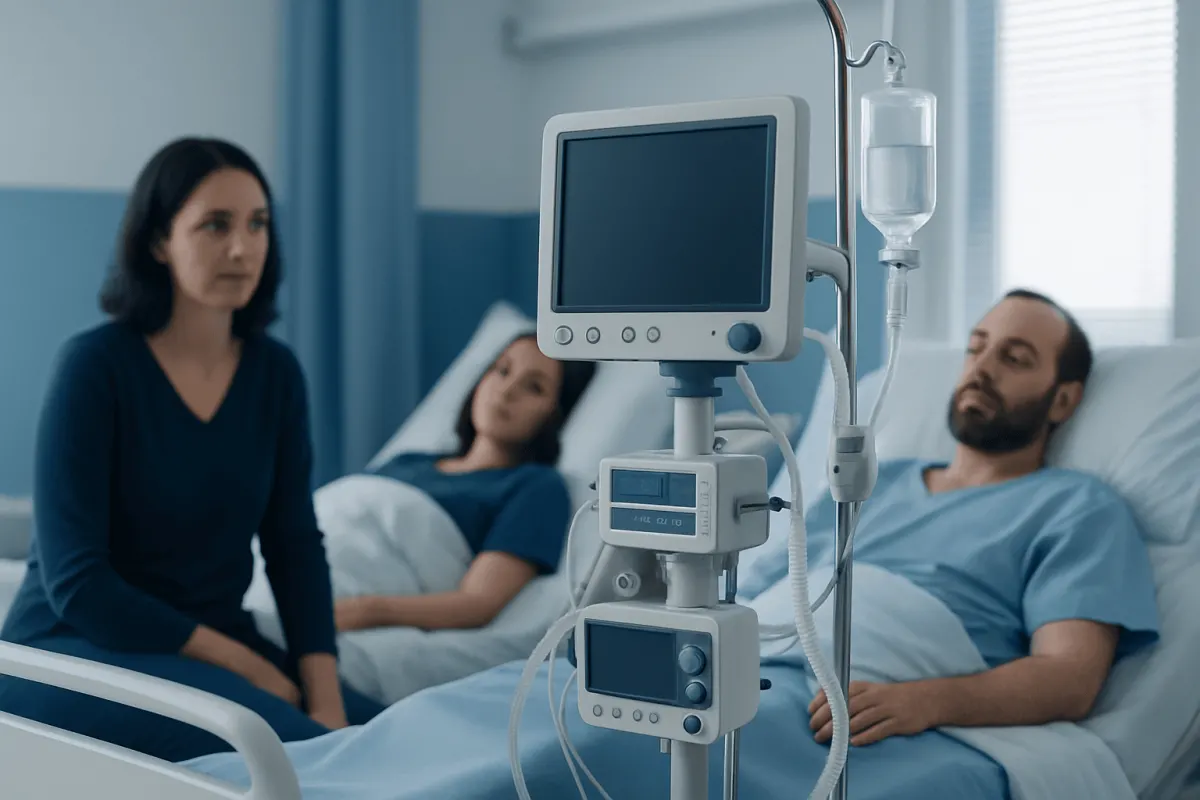
Treatment depends on the person’s symptoms, withdrawal risk, general health, and safety needs. When alcohol withdrawal is suspected, medical supervision is often the first priority. Care may include monitoring of vital signs, fluids where needed, nutritional support, and medicines used to prevent or treat severe withdrawal complications. Clinicians may also give thiamine, a vitamin important in preventing certain alcohol-related neurological problems.
If hallucinations, delusions, severe agitation, or insomnia are present, a clinician may recommend medication for a limited period or longer, depending on the cause and course of symptoms. Medicines should be selected and monitored carefully, particularly because alcohol withdrawal, liver function, and other health conditions can affect safety. It is important not to use alcohol, sedatives, or someone else’s medication to try to manage symptoms.
After urgent symptoms settle, treatment should address alcohol use disorder and mental wellbeing together. Options may include counseling, relapse-prevention therapies, peer support, family involvement, and medications that can help some people reduce drinking or maintain abstinence. Follow-up is important because symptoms that persist after alcohol has cleared may need further psychiatric or neurological assessment.
Acıbadem Health Point’s multidisciplinary specialists and JCI-accredited hospitals can assess alcohol-related mental and physical complications and coordinate care for international patients when appropriate.
Prevention, Self-Care, and When to Seek Medical Care
The most effective way to reduce the risk of alcohol induced psychosis is to avoid heavy alcohol use and obtain support early when drinking becomes difficult to control. People who drink regularly and heavily should speak with a doctor before abruptly stopping, as supervised withdrawal may be safer. Building a plan with medical and mental health support can make reducing alcohol more manageable.
During recovery, regular sleep, balanced meals, hydration, and avoiding recreational drugs can support overall health, but they do not replace medical treatment for hallucinations or withdrawal. Trusted relatives or friends can help by staying calm, avoiding arguments about delusional beliefs, reducing environmental stimulation, and helping the person access urgent care. Safety is more important than trying to reason symptoms away.
Emergency medical care is needed immediately for confusion, disorientation, seizures, fainting, severe shaking, fever, chest pain, trouble breathing, uncontrolled vomiting, or hallucinations accompanied by agitation or unsafe behavior. Urgent help is also needed if a person talks about suicide, self-harm, harming someone else, or hears voices telling them to act. Local emergency services or the nearest emergency department should be contacted rather than leaving the person alone.
Frequently asked questions
01Can alcohol induced psychosis go away?
Alcohol induced psychosis can improve when alcohol withdrawal is safely treated and alcohol use is addressed. The time course varies, and some people need ongoing psychiatric follow-up if symptoms persist or another mental health condition is identified. Prompt assessment gives the best opportunity to treat both symptoms and underlying causes.
02How long does alcohol induced psychosis last?
Symptoms may last for hours, days, or longer depending on the amount and duration of alcohol use, withdrawal severity, other substances, physical health, and treatment. Hallucinations related to withdrawal often improve with appropriate care, but persistent symptoms need reassessment. A clinician can monitor recovery and look for other explanations.
03Is alcohol induced psychosis the same as delirium tremens?
No. Alcoholic hallucinosis may involve hallucinations while the person remains relatively alert and oriented, whereas delirium tremens involves severe withdrawal with confusion and unstable physical symptoms. Delirium tremens is an emergency and requires immediate medical care.
04Can someone develop psychosis while still drinking alcohol?
Yes. Psychotic symptoms can occur during heavy alcohol use, intoxication, or as alcohol levels fall between drinks. However, other causes must also be considered, including other substances, medication effects, neurological conditions, and primary psychiatric disorders.
05Should a person stop drinking suddenly if they are hearing voices?
They should seek urgent medical advice rather than trying to manage the situation alone. Sudden alcohol cessation can trigger dangerous withdrawal in people who drink heavily or regularly. A healthcare professional can determine whether supervised withdrawal is needed.
06How can family members help someone with alcohol-related psychosis?
Family members should stay calm, speak simply, avoid arguing about hallucinations or beliefs, and focus on immediate safety. They should not leave the person alone if there is a risk of self-harm, aggression, severe confusion, or medical deterioration. Emergency services should be contacted for urgent warning signs.
This article is for general information only and is not a substitute for professional medical advice. Please consult a qualified doctor about your individual situation.
Explore treatments in Turkey — costs, top hospitals & a free quote
JCI-accredited · board-certified surgeons · reply within 24h
Add us as a Preferred Source to see more of our trusted health content across Google Search, AI Overviews and Discover.