Acute Stress Disorder: Diagnosis, Outlook, and Modern Treatment Approaches
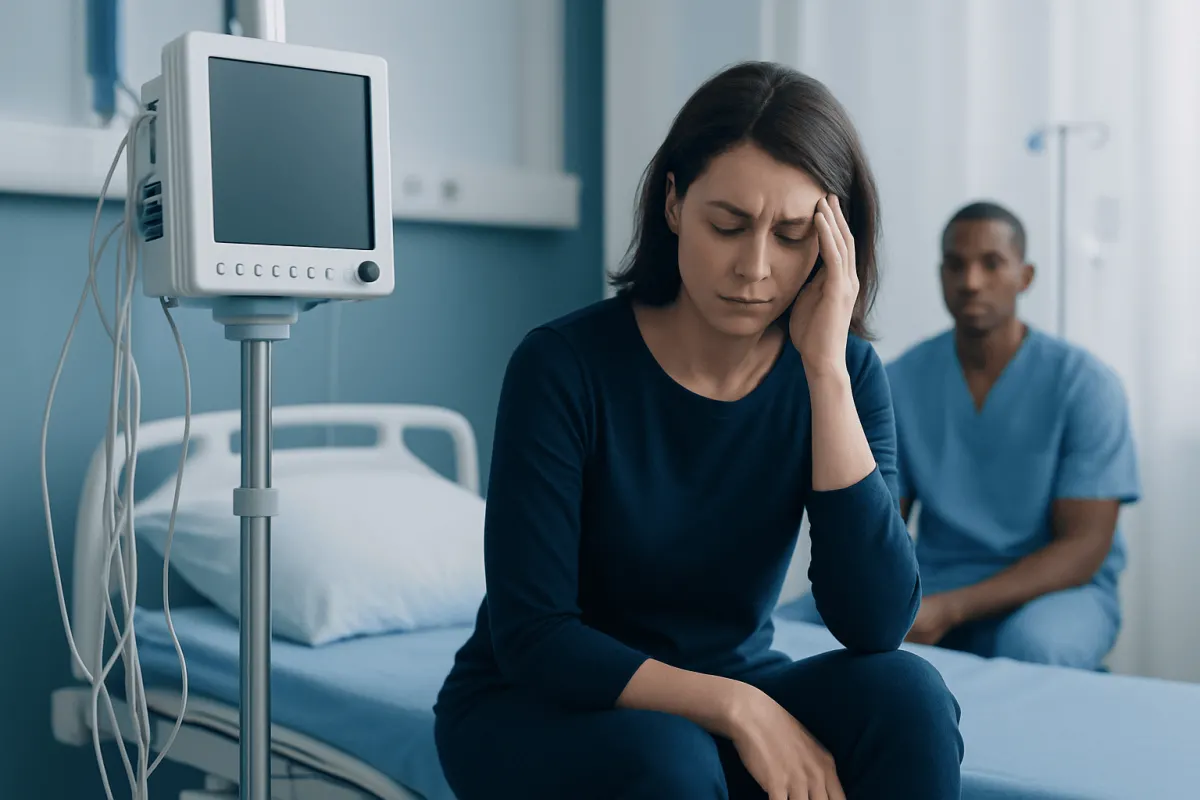
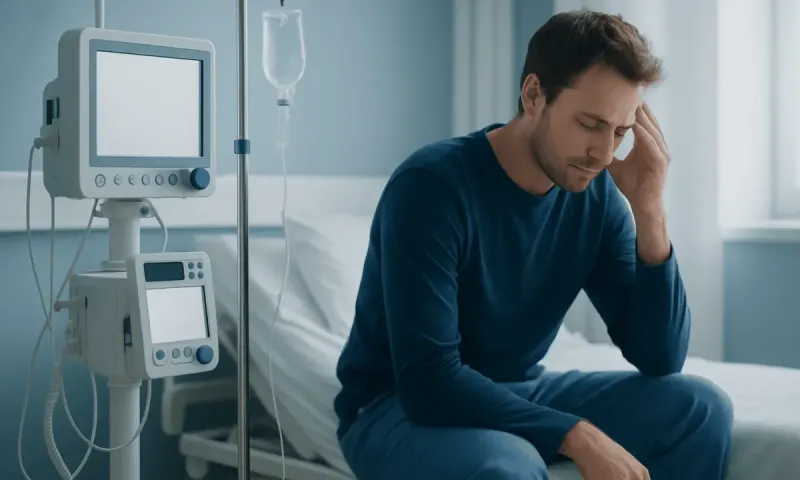
You survived the accident, the assault, the emergency — and now, days later, your body still behaves as if it’s happening. Sleep won’t come. A sound in the street makes you jump. Parts of the day feel unreal.
This can be acute stress disorder: a short-term mental health condition that can develop after a traumatic event, usually within days to weeks. It is diagnosable and treatable, and early support may reduce distress and improve recovery.
Overview
Acute stress disorder is a trauma-related mental health condition that can begin soon after a frightening, overwhelming, or life-threatening event. It may follow experiences such as an accident, assault, natural disaster, serious injury, medical emergency, military combat, or witnessing trauma happen to someone else. Symptoms usually start within the first month after the event and can include intrusive memories, strong anxiety, sleep problems, dissociation, and avoidance.
This is not the same as the emotional shock almost everyone feels right after trauma. Feeling upset, tearful, jumpy, or distracted in the first hours or days can be part of a normal stress response. Acute stress disorder is diagnosed when trauma-related symptoms are more intense, last beyond the immediate aftermath, and interfere with daily functioning such as work, school, relationships, or self-care.
What separates it from post-traumatic stress disorder is mostly timing. Acute stress disorder occurs within the first month after trauma. If symptoms persist beyond one month, a clinician may reassess for PTSD or another related condition. Early recognition matters because practical support and appropriate treatment can ease distress and help recovery.
Symptoms and how it may feel
Symptoms of acute stress disorder often affect thoughts, emotions, the body, and behavior at the same time. A person may relive the event through upsetting memories, nightmares, or flashback-like experiences. They may feel emotionally numb, detached from other people, or as if the world around them is unreal. Some people describe difficulty remembering parts of the event, while others feel constantly watchful or easily startled.
Common symptoms can include:
- Intrusive memories of the traumatic event
- Nightmares or distressing dreams
- Feeling tense, anxious, or constantly on guard
- Avoiding people, places, conversations, or reminders of the event
- Difficulty sleeping or concentrating
- Irritability or sudden emotional reactions
- Dissociation, such as feeling detached, numb, dazed, or unreal
- Physical stress symptoms, including racing heart, sweating, or shakiness
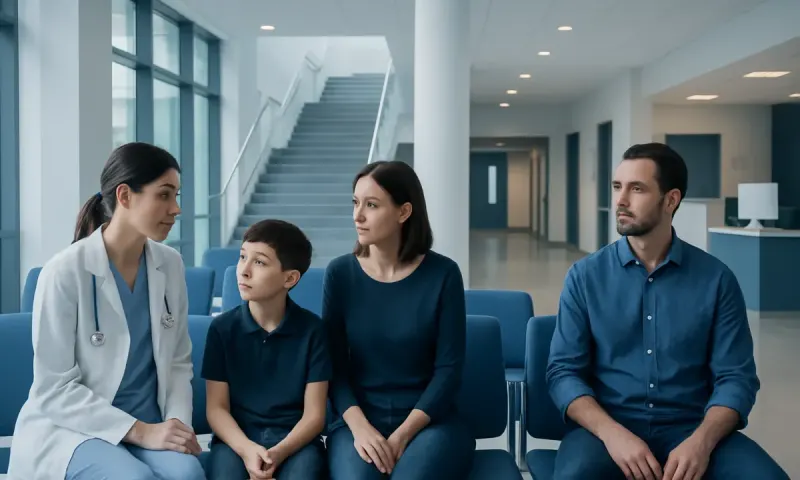
Symptoms may vary from person to person. Some people mainly notice panic-like bodily symptoms, while others are more troubled by emotional numbness or vivid mental re-experiencing. Children can show distress differently, including clinginess, changes in play, sleep problems, irritability, or regression in behavior.
This is not the same as feeling stressed after a hard day, and it is not a general worry disorder. The key features are a recent trauma, a specific cluster of trauma-related symptoms, and a level of distress that makes everyday life harder to manage.
Causes and risk factors
The cause of acute stress disorder is exposure to trauma. A traumatic event can overwhelm the brain and body’s normal coping systems, leading to a heightened stress response. Stress hormones, sleep disruption, and intense fear can contribute to symptoms such as hypervigilance, intrusive memories, and avoidance. None of this means you are weak or handled the event badly. It is simply how the nervous system responds to something extraordinary.
Not everyone exposed to trauma develops acute stress disorder. Risk may be higher when the event is severe, prolonged, repeated, or involves interpersonal violence. Previous trauma, a personal or family history of mental health conditions, limited social support, and ongoing life stress can also increase vulnerability. A severe injury, hospitalization, or frightening intensive care experience may act as a trigger in some people.
What helps matters just as much. Supportive relationships, a sense of safety, timely practical help, and early access to mental health care may improve coping. People with overlapping conditions such as depression, panic symptoms, or anxiety disorder may need especially careful assessment, because symptoms can interact and complicate recovery.
How acute stress disorder is diagnosed
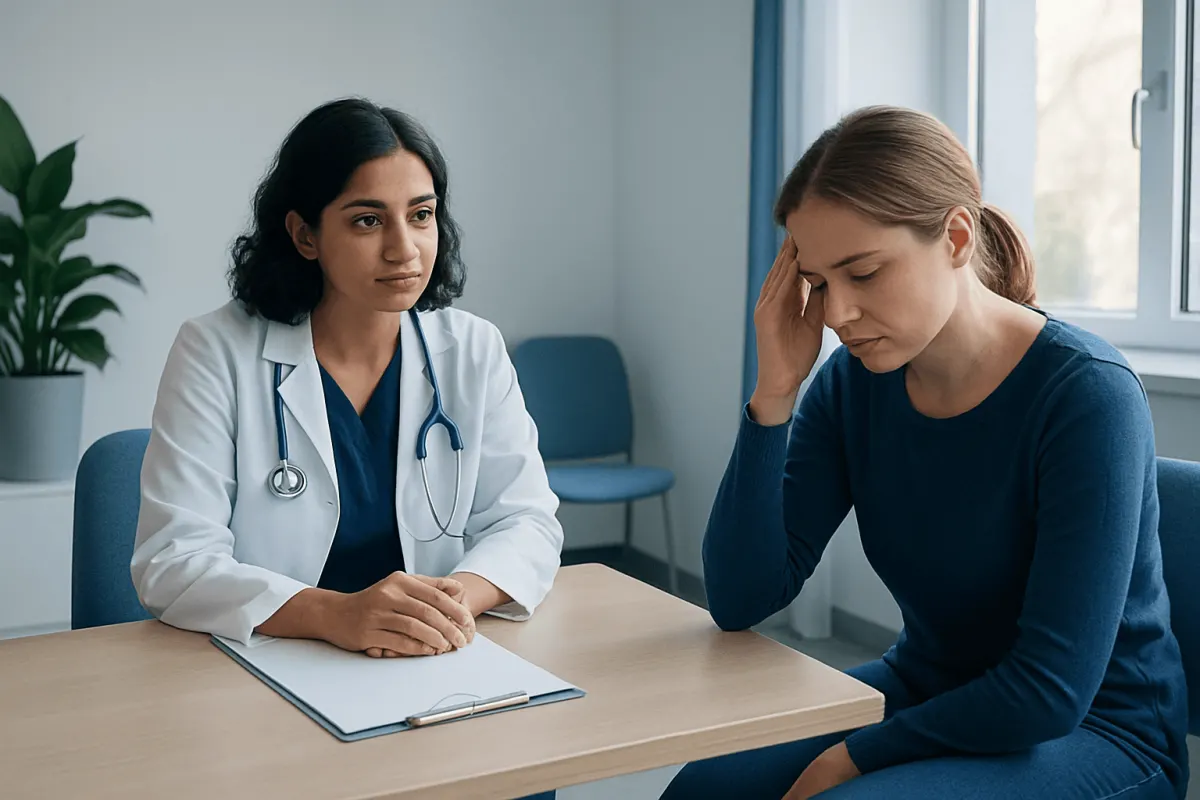
Diagnosis is made by a qualified clinician, often a psychiatrist, psychologist, or another trained mental health professional. The assessment begins with a careful conversation about the traumatic event, symptom timing, emotional and physical reactions, and the impact on daily life. The clinician will ask whether symptoms began after trauma and whether they are occurring within the first month after the event.
There is no blood test or brain scan that confirms acute stress disorder. Diagnosis is based on established clinical criteria. The clinician looks for trauma exposure together with characteristic symptoms such as intrusion, negative mood, dissociation, avoidance, and arousal. They also consider whether symptoms are causing significant distress or functional impairment.
Because trauma-related symptoms can overlap with other conditions, the evaluation may include screening for depression, substance use, panic attacks, sleep disorders, concussion, medication effects, or grief-related distress. If there has been a head injury, neurological symptoms, or memory changes, additional medical evaluation may be needed. In some settings, clinicians may coordinate care with neurology evaluation or other specialties to rule out physical contributors.
A careful diagnosis points the way to the right treatment. It also reassures patients and families that these symptoms are recognized, explainable, and treatable. For some individuals, monitoring over time is important because symptom patterns may improve, resolve, or evolve in the weeks after the trauma.
Modern treatment approaches
Treatment for acute stress disorder is individualized and usually focuses on safety, symptom relief, restoring daily function, and reducing the risk of longer-lasting problems. Early care often begins with psychoeducation, supportive follow-up, and practical steps such as improving sleep, reducing overstimulation, and reconnecting with trusted supports. Many people benefit from understanding that trauma symptoms are real and can improve with proper care.
Psychotherapy is a cornerstone of treatment. Trauma-focused cognitive behavioral approaches are commonly used to help patients process the event, reduce avoidance, and manage distressing thoughts and body reactions. Skills may include grounding, relaxation, gradual exposure to trauma memories in a structured therapeutic setting, and strategies for handling triggers. In some cases, a clinician may recommend broader psychiatric care to assess coexisting symptoms such as severe anxiety, depression, or dissociation.
Medication is not the first or only approach for everyone, but it may be considered in selected cases to help with associated symptoms such as severe insomnia, marked anxiety, or depression. Any medicine choice should be individualized by a physician after reviewing benefits, risks, and other health conditions. Self-medicating with alcohol or non-prescribed drugs can worsen recovery and should be avoided.
Some patients need coordinated care beyond talk therapy alone. This may include sleep assessment, rehabilitation after injury, pain management, or medical follow-up after a traumatic hospitalization. If symptoms become persistent or continue beyond one month, clinicians may reassess for psychological treatment needs related to PTSD or other trauma-related conditions. Near the end of the care pathway, some international patients may seek multidisciplinary assessment at Acıbadem Health Point, where JCI-accredited hospitals and mental health specialists evaluate trauma-related disorders alongside other medical needs.
Recovery, outlook, and self-care
The outlook for acute stress disorder is often good, especially when symptoms are recognized early and support is available. Some people recover within weeks, while others need a longer period of structured treatment and follow-up. Having acute stress disorder does not automatically mean a person will go on to develop PTSD, but ongoing symptoms deserve attention.
Recovery rarely moves in a straight line. Triggers such as anniversaries, legal proceedings, medical follow-up, or returning to the place where the trauma occurred may temporarily intensify symptoms. This does not necessarily mean treatment is failing. It often means the nervous system still needs time, skills, and support to settle.
Helpful self-care strategies can include:
- Keeping a regular sleep and wake schedule
- Eating regularly and staying hydrated
- Limiting alcohol and avoiding non-prescribed substances
- Using grounding techniques during distress
- Spending time with supportive people
- Returning to routine gradually rather than forcing too much too soon
- Following up with mental health appointments consistently
Try to cut back on repeatedly watching distressing news coverage of the event, especially before bed. Family members and caregivers can support recovery by listening without pressure, encouraging treatment, and watching for signs that the person is becoming more withdrawn, hopeless, or unsafe.
When to seek medical care
See someone if your symptoms are severe, show no sign of easing, or are getting in the way of daily life. A doctor or mental health professional can assess whether symptoms fit acute stress disorder, another trauma-related condition, or a medical problem contributing to distress. Early care is especially important if the person cannot sleep, cannot function at work or home, or feels detached from reality.
Urgent help is needed if there are thoughts of self-harm or suicide, aggressive behavior, inability to care for basic needs, severe panic, confusion, or substance misuse that is escalating. Emergency care may also be necessary after a trauma if there are physical injuries, concussion symptoms, chest pain, fainting, or neurological changes.
Children, older adults, and people with preexisting psychiatric or neurological conditions may need prompt assessment even when symptoms seem less obvious. If you are not sure where to begin, a primary care doctor, an emergency department, or a mental health specialist can guide you and refer you on.
Frequently asked questions
01What is the difference between acute stress disorder and PTSD?
The main difference is timing. Acute stress disorder occurs within the first month after a traumatic event, while PTSD is diagnosed when trauma-related symptoms last longer than one month. The two conditions can share similar symptoms, but not everyone with acute stress disorder develops PTSD.
02Can acute stress disorder go away on its own?
Some people improve over days to weeks, especially with rest, safety, and good social support. However, symptoms that are intense or disrupt daily life should be evaluated because early treatment may reduce distress and support recovery. Monitoring is important if symptoms persist.
03How soon after trauma can acute stress disorder start?
Symptoms usually begin soon after the event, often within days, and always within the first month for this diagnosis. The reaction may start suddenly or build over time as the person tries to return to normal life. A clinician can help determine whether the symptoms fit acute stress disorder or another response to trauma.
04Is medication always needed for acute stress disorder?
No. Many people are treated primarily with psychotherapy, supportive care, sleep strategies, and regular follow-up. Medication may be considered for selected symptoms such as severe insomnia, anxiety, or depression, but it should be prescribed and reviewed by a qualified doctor.
05Who is most at risk of developing acute stress disorder?
Risk may be higher after severe or repeated trauma, interpersonal violence, serious injury, or events involving intense fear or helplessness. Prior trauma, existing mental health conditions, poor social support, and ongoing life stress can also increase vulnerability. Still, the condition can affect anyone after a traumatic event.
06Can children develop acute stress disorder?
Yes. Children and adolescents can develop acute stress disorder after trauma, although their symptoms may look different from those of adults. They may become clingy, irritable, withdrawn, have nightmares, or show trauma themes in play, and they should be assessed by a qualified professional if symptoms persist or impair daily life.
This article is for general information only and is not a substitute for professional medical advice. Please consult a qualified doctor about your individual situation.
Explore treatments in Turkey — costs, top hospitals & a free quote
JCI-accredited · board-certified surgeons · reply within 24h
Add us as a Preferred Source to see more of our trusted health content across Google Search, AI Overviews and Discover.