Acupuncture for Patients: Benefits, Risks, and What a Session Feels Like
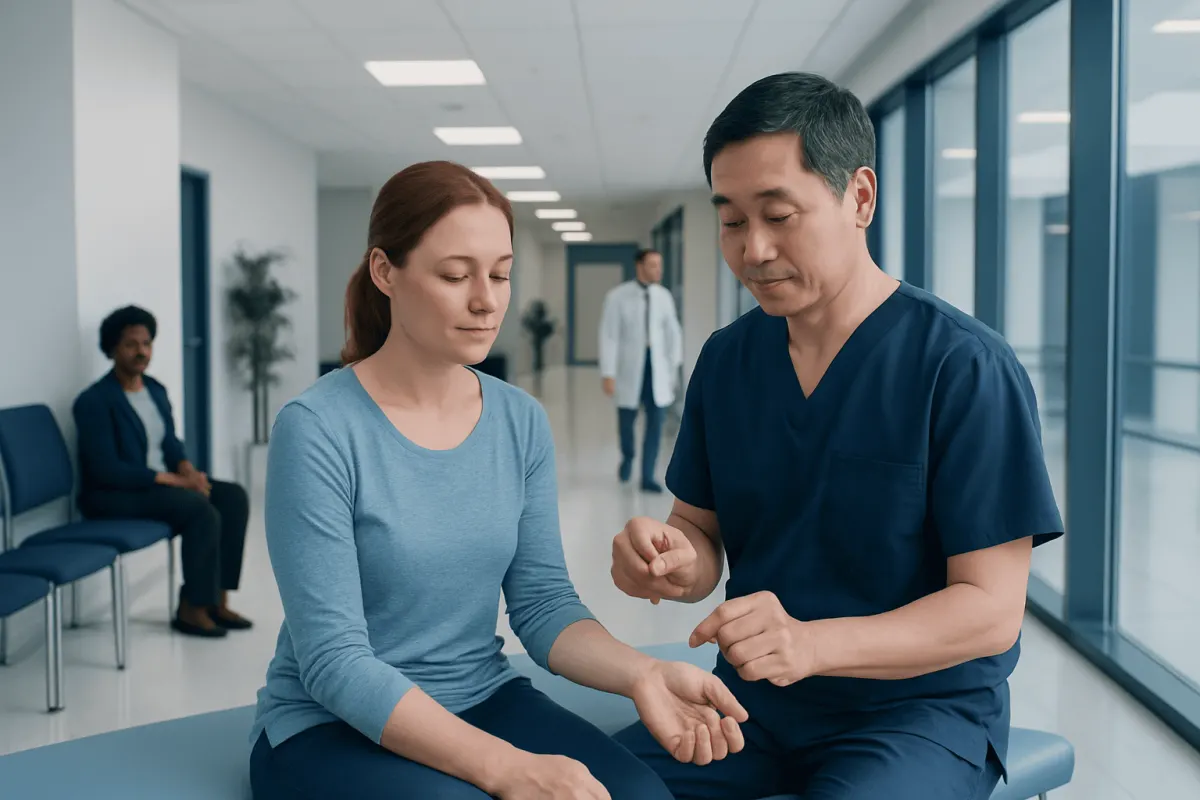
Acupuncture is a traditional therapy that uses very thin needles placed at specific points on the body. Many patients use it alongside standard medical care to help manage symptoms such as pain, nausea, or tension, and understanding what to expect can make the experience more comfortable.
Overview: What Acupuncture Is
Acupuncture is a form of therapy in which a trained practitioner inserts very thin needles into specific points on the body. It has been used for centuries in traditional East Asian medicine and is now offered in many clinical settings worldwide as a complementary approach. In modern healthcare, it is most often used to support symptom relief rather than to replace conventional diagnosis or treatment.
Patients may seek acupuncture for a range of concerns, especially musculoskeletal pain, headaches, neck or back discomfort, joint pain, nausea, and stress-related symptoms. Some people choose it as part of a broader care plan that may also include medication, physical therapy, exercise, counseling, or other treatments. The goal is usually to improve comfort, function, and overall well-being.
Research on acupuncture shows mixed but promising results for selected symptoms and conditions. Benefits can vary from one person to another, and it does not help everyone in the same way. For that reason, it is best viewed as one option within an individualized treatment plan made with a qualified healthcare professional.
Possible Benefits and When It May Help

Many patients ask whether acupuncture really works. The most balanced answer is that it may help some people, especially for certain symptoms, while the degree of benefit can differ. Evidence is strongest for some types of chronic pain and for nausea in specific settings, but doctors usually recommend it as a complementary therapy rather than a stand-alone solution.
Acupuncture is commonly considered for pain that affects daily life, such as low back pain, neck pain, osteoarthritis-related discomfort, tension-type headaches, or migraine support. It may also be used to help reduce nausea, including nausea related to some medical treatments, and some patients report improved relaxation or sleep. For people exploring care for persistent pain, acupuncture may be discussed alongside options such as physical therapy and rehabilitation or broader pain management approaches.
Potential benefits may include:
- Reduced pain intensity in some chronic pain conditions
- Improved movement or physical function
- Less muscle tension or stiffness
- Support for nausea control in selected situations
- A greater sense of relaxation and stress relief
It is important to keep expectations realistic. Acupuncture is not a cure-all, and it should not delay proper medical assessment. Symptoms such as chest pain, severe headache, unexplained weight loss, fever, weakness, or ongoing vomiting need prompt medical attention, even if a patient is interested in complementary therapies.
What an Acupuncture Session Feels Like

Before treatment begins, the practitioner usually asks about the patient’s symptoms, medical history, medications, and general health. They may ask where the discomfort is located, what makes it better or worse, how long it has lasted, and what treatments have already been tried. The patient then lies or sits in a comfortable position so the selected acupuncture points can be reached safely.
During the session, the practitioner inserts very fine, sterile needles into the skin. Many patients feel little or no pain with insertion. Others notice a brief pinch followed by sensations such as pressure, tingling, warmth, heaviness, dull aching, or a mild spreading feeling around the needle site. These sensations are usually short-lived and are not typically described as severe pain.
Once the needles are in place, they are often left for several minutes while the patient rests quietly. Some practitioners may gently move the needles by hand or use heat or mild electrical stimulation on selected points, depending on the treatment plan. Many people feel calm or sleepy during this time, while others remain fully alert but relaxed.
After the needles are removed, a patient may feel normal, relaxed, or slightly tired for a short period. Mild soreness, a tiny spot of bleeding, or a small bruise can happen at needle sites. Drinking water, standing up slowly, and allowing time to rest can be helpful, especially after a first session.
Risks, Side Effects, and Safety
When performed by a properly trained practitioner using single-use sterile needles, acupuncture is generally considered safe for most patients. However, like any procedure, it has potential risks and side effects. Understanding these helps patients make informed decisions and know when to seek help.
Common mild side effects include brief soreness, small bruises, minor bleeding, temporary lightheadedness, or fatigue after treatment. These effects usually settle on their own. Some people also feel emotional release or unusual relaxation after a session, which can be normal but should be discussed if it feels distressing or persistent.
Serious complications are uncommon but can occur if acupuncture is performed incorrectly, in unhygienic conditions, or by someone without appropriate training. Risks may include infection, deeper tissue injury, or harm related to needling in sensitive areas. Patients should tell the practitioner about pregnancy, bleeding disorders, pacemakers, implanted devices, epilepsy, allergies, or use of blood thinners before treatment.
Acupuncture may not be appropriate in every situation. Caution is especially important if the patient has severe skin infection at the treatment site, uncontrolled bleeding risk, or symptoms that require urgent medical care. If a person is considering complementary care for ongoing problems such as migraine or chronic musculoskeletal pain, a medical assessment can help clarify the diagnosis and the safest treatment plan.
How to Prepare and Choose a Qualified Practitioner
Choosing a qualified practitioner is one of the most important steps in having a safe acupuncture experience. Patients should look for a professional who is properly trained, licensed or certified according to local regulations, and experienced in treating the type of symptom involved. It is reasonable to ask about credentials, hygiene practices, how needles are sterilized or disposed of, and what side effects to expect.
Before the appointment, patients should share a full medical history and list of medicines, vitamins, and supplements. This includes blood thinners, diabetes medicines, pain medicines, and any conditions such as pregnancy, heart rhythm devices, or immune system problems. Honest communication helps the practitioner adapt treatment or decide when acupuncture may not be suitable.
On the day of the session, it can help to eat a light meal, wear loose and comfortable clothing, and avoid arriving extremely hungry, dehydrated, or overly exhausted. Patients may also want to plan a calm schedule afterward, especially for the first visit, in case they feel deeply relaxed or mildly tired. Bringing prior test results or a doctor’s notes may be helpful if acupuncture is being considered as part of a wider treatment plan.
Acupuncture as Part of a Wider Care Plan
Acupuncture often works best when it is integrated into a broader, evidence-based care plan. For example, a patient with back pain may benefit from movement-based therapy, posture changes, exercise, sleep support, and stress management in addition to acupuncture. In this way, the therapy can be one tool among several rather than the only approach.
For ongoing headaches, neck pain, or nerve-related symptoms, doctors may recommend evaluation to identify the underlying cause before starting complementary treatment. That is especially important if symptoms are new, severe, progressive, or associated with weakness, numbness, fever, trauma, or vision changes. Some patients who need more advanced assessment may also undergo MRI or other diagnostic testing before a long-term management plan is chosen.
Acupuncture should not replace treatments that are known to be necessary, such as emergency care, surgery, infection treatment, or prescribed medicines for serious conditions. Instead, it may be considered as an additional supportive option when medically appropriate. Near the end of the care journey, some international patients choose centers such as Acıbadem Health Point, where multidisciplinary specialists and JCI-accredited hospitals evaluate symptoms and discuss treatment choices, including supportive therapies when suitable.
When to See a Doctor
Patients should see a doctor if symptoms are severe, persistent, unexplained, or getting worse. This is especially important for chest pain, shortness of breath, sudden severe headache, fainting, new weakness, numbness, fever, unexplained weight loss, or ongoing vomiting. These symptoms need medical evaluation and should not be managed with acupuncture alone.
A doctor should also be consulted if pain lasts longer than expected, interferes with sleep or daily life, or returns repeatedly. This helps identify whether the problem is related to nerves, joints, muscles, internal organs, or another medical condition that needs targeted treatment. In some cases, acupuncture may still be helpful, but only after proper diagnosis.
After an acupuncture session, patients should seek medical advice if they develop significant bleeding, increasing redness or swelling, severe pain, shortness of breath, fainting, or signs of infection. While such problems are uncommon, prompt attention is important. A careful medical review can also help patients decide whether to continue treatment, adjust the plan, or consider other options.
Frequently asked questions
01Does acupuncture hurt?
Most patients describe acupuncture as causing little discomfort. The needles are much thinner than injection needles, and many people feel only a brief pinch or a dull, tingling, warm, or heavy sensation that passes quickly.
02How many acupuncture sessions are usually needed?
The number of sessions depends on the symptom, how long it has been present, and how the individual responds. Some people notice change after a few visits, while others need a longer course as part of a broader care plan.
03Is acupuncture scientifically proven?
Research suggests that acupuncture may help certain conditions, especially some pain disorders and nausea, but results are not the same for every condition or every patient. It is usually recommended as a complementary therapy rather than a replacement for standard medical care.
04Who should avoid acupuncture or discuss it carefully first?
People who are pregnant, take blood thinners, have bleeding disorders, have pacemakers or implanted devices, or have active skin infection near the treatment area should discuss acupuncture with a doctor and the practitioner beforehand. Anyone with severe or unexplained symptoms should have a medical evaluation first.
05What should a patient do before an acupuncture appointment?
It is generally helpful to eat a light meal, stay hydrated, and wear loose clothing. Patients should also bring a list of medicines and share their medical history, including pregnancy, implanted devices, and any bleeding risk.
06Can acupuncture replace medication or surgery?
Acupuncture should not replace treatments that are medically necessary. It may be used alongside standard care to help with symptom control, but decisions about medication, procedures, or surgery should be made with a qualified doctor.
This article is for general information only and is not a substitute for professional medical advice. Please consult a qualified doctor about your individual situation.
Persistent digestive symptoms? Get evaluated in Turkey
JCI-accredited · board-certified surgeons · reply within 24h
Add us as a Preferred Source to see more of our trusted health content across Google Search, AI Overviews and Discover.