Acupuncture for Back Pain: Benefits and Limitations
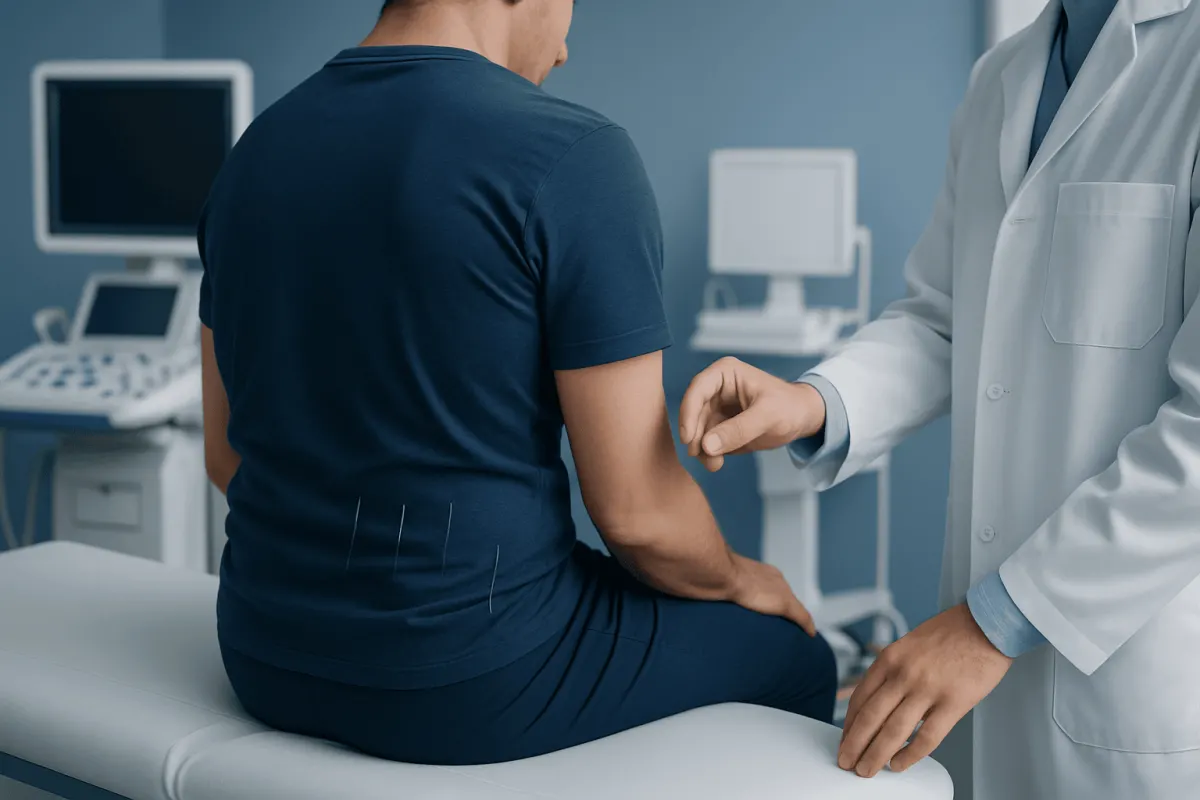
Acupuncture for back pain may help some people reduce pain and improve daily function, particularly when it is used as part of a broader care plan that includes movement, exercise, and medical assessment. It is not suitable for every cause of back pain, so persistent, severe, or concerning symptoms should be evaluated by a qualified clinician.
Overview: Can acupuncture help back pain?
Acupuncture for back pain may help some people experience modest relief, particularly when low back pain has lasted for several weeks or longer and no serious underlying cause is identified. It involves placing very fine, sterile needles at selected points on the body. Some people describe a mild tingling, heaviness, warmth, or little sensation during treatment.
Research suggests that acupuncture can improve pain and function for certain people with chronic low back pain, although results vary and the amount of benefit is often modest. It is best viewed as one option within a personalised plan, rather than as a cure for every type of back problem. Staying active, gradually rebuilding strength, improving sleep, and addressing contributing factors are also important.
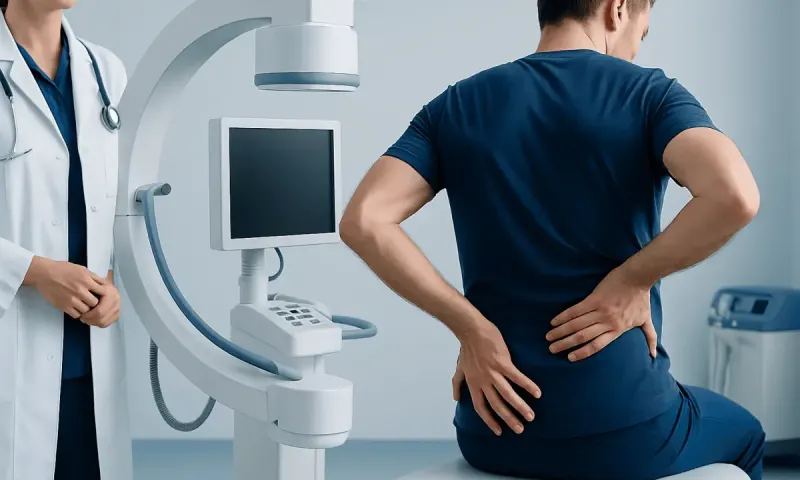
Back pain is extremely common and often improves with time. However, the same symptom can arise from muscles, joints, spinal discs, nerves, inflammatory conditions, internal organs, or rarely a serious illness. Understanding the pattern of pain before beginning any treatment helps ensure that acupuncture is appropriate and that important warning signs are not missed.
How acupuncture may affect back pain
Traditional acupuncture is based on a system of points and pathways used in East Asian medicine. From a biomedical perspective, needle stimulation may influence pain-processing pathways in the nervous system and may affect local tissues, muscle tension, and the body’s release of naturally occurring pain-modulating chemicals. These mechanisms are still being studied, and they do not mean that acupuncture can correct every structural cause of pain.
In clinical practice, acupuncture is commonly considered for non-specific low back pain. This term means that a clear single source, such as a fracture, infection, or cancer, has not been found. It may be considered when pain persists despite self-care, when a person prefers to limit medication use, or when it supports participation in rehabilitation.
The response is individual. Some people notice a short-term reduction in pain that allows them to move more comfortably or engage in physiotherapy. Others notice little change. A practitioner and the patient can agree on practical treatment goals, such as walking farther, sleeping better, returning to work tasks, or needing fewer pain-relief measures, then review whether treatment is worthwhile.
Back pain patterns and possible causes
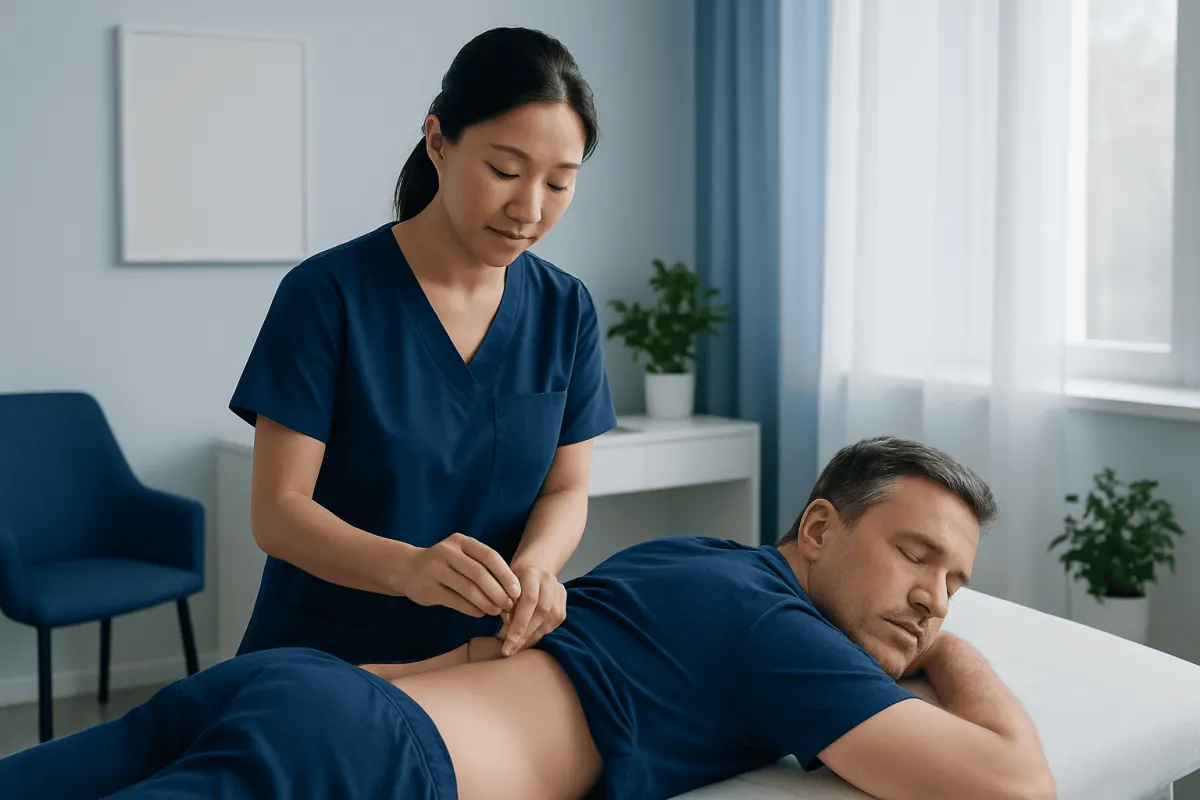
Most episodes of low back pain are non-specific. They may be related to muscle strain, reduced conditioning, prolonged sitting, repeated lifting, awkward movement, stress, or a combination of factors. Pain may feel aching, tight, or stiff and can fluctuate with activity. It often improves gradually while the person remains gently active.
Sometimes pain has a more specific cause. A disc problem can irritate a nerve and cause pain that travels into the buttock or leg, often called sciatica. Knee Pain Relief: Causes and Treatment" class="ahp-ilk">Pain Relief, and Mobility Care" class="ahp-ilk">Osteoarthritis and age-related changes can affect spinal joints. Spinal narrowing may cause leg discomfort or heaviness while walking. Inflammatory back pain, which is more common in younger adults, may be worse after rest and improve with movement.
Less commonly, back pain can be related to osteoporosis-related fractures, infection, cancer, kidney problems, or conditions affecting the abdomen or pelvis. Acupuncture should not delay assessment of these possibilities. A medical clinician can determine whether symptoms are likely to be mechanical or whether tests, imaging, or specialist review are needed.
- Mechanical pain often changes with posture, movement, loading, or activity.
- Nerve-related pain may include burning, tingling, numbness, or pain travelling down a leg.
- Inflammatory pain may cause prolonged morning stiffness and improvement with activity rather than rest.
What the evidence says
Clinical guidelines and research reviews vary in how strongly they recommend acupuncture because studies differ in design, treatment schedules, comparison treatments, and the types of back pain included. Overall, evidence supports the possibility of small to moderate short-term improvements in pain and function for some adults with chronic non-specific low back pain. Benefits may not last after treatment ends, and acupuncture does not work equally well for everyone.
It can be difficult to separate the effect of needling from other helpful elements of care, including time spent with a practitioner, expectation, relaxation, and increased confidence in movement. This does not mean a person’s improvement is not real; rather, it explains why acupuncture should be evaluated according to meaningful functional outcomes, not only pain intensity on a particular day.
Evidence is more limited for acute back pain, severe sciatica, pain after trauma, and back pain caused by a defined medical condition. For these situations, medical evaluation and condition-specific treatment are the priority. People should discuss acupuncture with their doctor if they have ongoing symptoms, have had spinal surgery, or are considering it alongside other treatments.
What a safe treatment plan looks like
Before treatment, a responsible practitioner should ask about the location and duration of pain, other symptoms, medical conditions, medications, pregnancy, bleeding risk, and previous treatments. They should explain what acupuncture involves, discuss expected benefits and limitations, obtain consent, and advise when medical assessment is needed.
Needles should be sterile, single-use, and disposed of safely. Most side effects are mild and temporary, such as a small bruise, slight bleeding, soreness at a needle site, tiredness, or light-headedness. Serious complications are uncommon when acupuncture is performed correctly, but can include infection or injury to deeper tissues. This is why professional training and clean needle technique are essential.
People taking anticoagulant or antiplatelet medicines, those with bleeding disorders, individuals with immune suppression, and people with certain skin infections should seek medical advice before treatment. A practitioner also needs to know about implanted electrical devices if electroacupuncture is being considered. Acupuncture should never be used over infected or damaged skin.
A useful plan includes a review after a limited course of sessions. If there is no meaningful improvement in pain, mobility, sleep, or day-to-day function, continuing the same approach may not be helpful. The clinician can then reassess the diagnosis and discuss alternatives such as guided exercise, physiotherapy, psychological pain-management strategies, or other treatments.
Supporting recovery between appointments
For most uncomplicated back pain, complete bed rest is usually not recommended. Gentle movement can prevent stiffness and support recovery. Short walks, changing position regularly, and gradually returning to normal activities are often more helpful than avoiding all activity. The pace should be adjusted to symptoms and professional advice.
Exercise is one of the most consistently supported approaches for persistent low back pain. A physiotherapist or rehabilitation clinician can tailor a programme that may include mobility work, trunk and hip strengthening, balance, and gradual exposure to activities that feel difficult. There is no single best exercise for every person; regular participation and a plan that feels manageable are important.
Sleep, emotional stress, work demands, and fear of movement can influence how back pain is experienced. Supportive strategies may include a regular sleep routine, pacing activities rather than doing too much on a good day, relaxation techniques, and discussing workplace adjustments if needed. Heat or cold may offer temporary comfort for some people, provided it is used safely and does not injure the skin.
Acıbadem Health Point’s multidisciplinary specialists and JCI-accredited hospitals can assess back pain and coordinate rehabilitation, pain management, and other appropriate care for international patients when needed.
When to seek medical care
Back pain should be assessed promptly if it follows a significant fall, collision, or other injury; is severe and rapidly worsening; or does not begin to improve with reasonable self-care. A clinician should also evaluate pain that persists for several weeks, repeatedly disrupts sleep, limits daily activities, or causes concern about a specific underlying condition.
Urgent medical attention is needed for new or worsening weakness in a leg, numbness around the genitals or buttocks, loss of bladder or bowel control, or difficulty passing urine. These symptoms can indicate significant nerve compression and should not be managed with acupuncture or home treatment alone.
It is also important to seek medical advice for back pain accompanied by fever, chills, feeling generally unwell, unexplained weight loss, a history of cancer, recent serious infection, or pain that is constant and not affected by movement. People with osteoporosis, long-term steroid use, immune suppression, or a history of intravenous drug use should have a lower threshold for assessment.
Frequently asked questions
01Does acupuncture work for lower back pain?
Acupuncture may provide modest short-term pain relief and improve function for some people with chronic non-specific low back pain. Results vary, and it is most useful when combined with an active recovery plan such as exercise or physiotherapy. It does not replace evaluation of severe, persistent, or unusual symptoms.
02How many acupuncture sessions are needed for back pain?
The number of sessions varies according to the pain pattern, the person’s goals, and their response to treatment. A qualified practitioner may suggest a short trial and review whether there has been meaningful improvement in comfort or daily function. Continuing treatment without benefit should be reconsidered.
03Is acupuncture painful?
Most people feel little pain when needles are inserted because acupuncture needles are very thin. Some may feel a brief pinch, tingling, warmth, heaviness, or temporary soreness. Patients should tell the practitioner immediately if they feel sharp or persistent pain.
04Can acupuncture help sciatica?
Acupuncture may help some people manage pain, but evidence is less certain for sciatica than for non-specific low back pain. Sciatica with progressive weakness, worsening numbness, or bladder or bowel symptoms needs prompt medical assessment. A clinician can identify whether a nerve problem requires specific treatment.
05Who should avoid acupuncture for back pain?
People with bleeding disorders, those taking blood-thinning medicines, people with active skin infection, and those with certain implanted electrical devices should discuss acupuncture with a doctor and practitioner first. It should also be postponed or adapted in some circumstances, including areas of broken skin. The practitioner should be informed about all health conditions and medicines.
06Should acupuncture be used instead of physiotherapy?
Acupuncture is generally better considered as a possible complement to physiotherapy rather than a replacement for it. Physiotherapy can help restore strength, mobility, confidence, and safe movement patterns that support longer-term recovery. The most suitable combination depends on the cause and duration of back pain.
This article is for general information only and is not a substitute for professional medical advice. Please consult a qualified doctor about your individual situation.
Joint and spine care in Turkey — expert assessment & treatment
JCI-accredited · board-certified surgeons · reply within 24h
Add us as a Preferred Source to see more of our trusted health content across Google Search, AI Overviews and Discover.