Aching Pain in My Ovaries: When to Seek Care
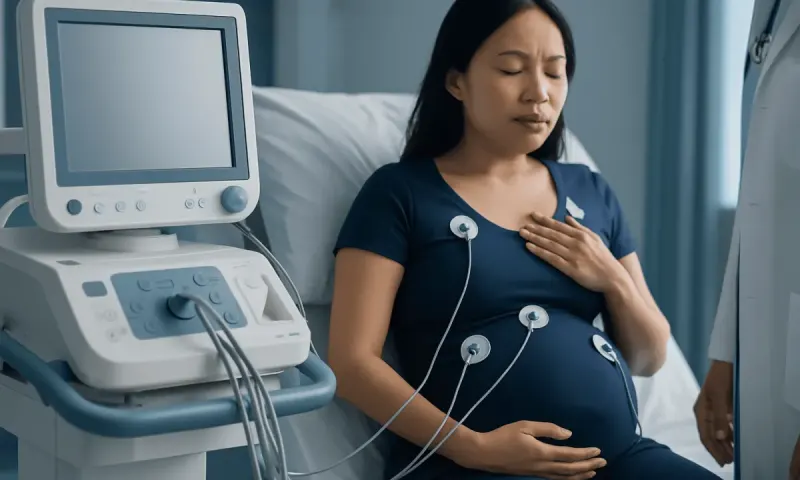
Aching pain felt around the ovaries is usually pelvic pain rather than pain from the ovaries alone. It may occur with normal menstrual-cycle changes, but persistent, worsening, one-sided, or sudden pain should be evaluated to identify causes such as cysts, endometriosis, infection, or pregnancy-related complications.
Overview: what aching pain in the ovaries may mean
Aching pain in my ovaries usually describes discomfort low in the abdomen or pelvis, often on one or both sides. Although it may feel as though it comes directly from an ovary, several nearby structures can produce similar symptoms, including the uterus, fallopian tubes, bladder, bowel, pelvic floor muscles, and, on the right side, the appendix.
For many people, mild pelvic aching is linked to the menstrual cycle. It can happen before or during a period, around ovulation, or with temporary hormonal changes. However, pain that is new, recurrent, increasingly disruptive, or unrelated to the menstrual cycle should not be assumed to be normal without a clinical assessment.
The details matter. The location, intensity, duration, timing in the cycle, and associated symptoms help clinicians distinguish common cycle-related discomfort from conditions that need specific treatment. A pain diary can be especially useful when symptoms come and go.
How the pattern of pain can offer clues
Cycle-related pain commonly has a recognizable pattern. Cramping or aching just before or during menstruation is often caused by uterine contractions. Some people experience brief, one-sided discomfort around the middle of the menstrual cycle when an egg is released; this is known as ovulation pain, or mittelschmerz. It typically settles within hours to a day or two.
A dull ache that lasts longer, occurs outside the expected menstrual window, or is accompanied by heavy bleeding, pain during sex, or difficulty becoming pregnant may point to a gynecological condition. Pain may also worsen during bowel movements or urination, which can suggest involvement of nearby organs or pelvic tissues.
One-sided pain can occur with ovulation or an ovarian cyst, but side alone cannot identify the cause. Similarly, pain on both sides does not necessarily mean that both ovaries are affected. A clinician considers the whole symptom pattern rather than relying on one feature.
- Brief mid-cycle pain: may be related to ovulation.
- Period-associated cramping: may reflect menstrual pain, but severe or progressive symptoms need review.
- Persistent pelvic ache: can occur with endometriosis, fibroids, infection, bowel or bladder conditions, and other causes.
- Sudden intense pain: needs urgent assessment, particularly with nausea, vomiting, faintness, or pregnancy.
Common causes and contributing factors
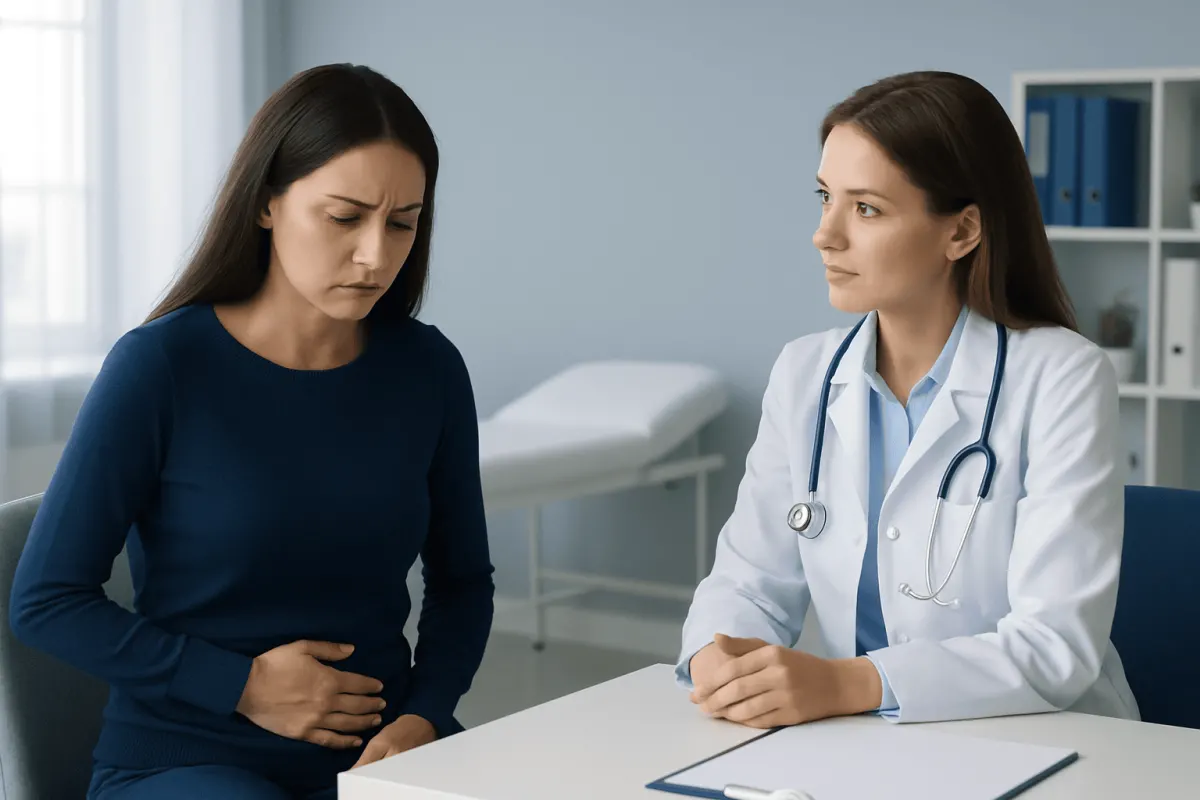
Menstrual cramps are among the most common reasons for low pelvic pain. They occur when substances called prostaglandins stimulate uterine contractions. Pain can sometimes be felt more strongly on one side or spread into the lower back and thighs, even when the ovaries themselves are not the source.
Functional ovarian cysts are fluid-filled sacs that can develop as part of a normal menstrual cycle. Many cause no symptoms and resolve without treatment, but some may cause a sense of pressure, bloating, or one-sided aching. Larger cysts, bleeding into a cyst, rupture, or twisting of the ovary can cause more sudden and severe pain. More information about ovarian cysts may be helpful for people who have been diagnosed with one.
Endometriosis occurs when tissue similar to the lining of the uterus grows outside the uterus. It may cause painful periods, chronic pelvic pain, pain during or after sex, bowel or bladder symptoms around menstruation, and fertility difficulties. Other possible gynecological causes include uterine fibroids, adenomyosis, and pelvic inflammatory disease, an infection of the upper reproductive tract that requires medical treatment.
Not all pain in the ovarian region is gynecological. Constipation, irritable bowel syndrome, urinary tract infection, kidney stones, pelvic muscle tension, appendicitis, and hernias may cause lower abdominal or pelvic pain. Pregnancy-related causes, including ectopic pregnancy, must also be considered when pregnancy is possible.
When to seek medical care
Urgent medical assessment is important for sudden severe pelvic or lower abdominal pain, particularly if it is one-sided or occurs with nausea, vomiting, fever, dizziness, fainting, shoulder-tip pain, heavy vaginal bleeding, or a swollen abdomen. These symptoms can occur with conditions that require timely treatment, such as ovarian torsion, a ruptured cyst, appendicitis, significant infection, or ectopic pregnancy.
Anyone who is pregnant, may be pregnant, or has missed a period and develops pelvic pain or bleeding should seek prompt medical advice. A home pregnancy test can be useful, but it does not replace assessment when symptoms are concerning.
A non-urgent appointment is appropriate for pain that lasts more than a few days, returns over several cycles, interferes with daily activities, occurs during sex, or is associated with unusual discharge, fever, urinary symptoms, bowel changes, unexplained weight change, or abnormal bleeding. Early evaluation can help relieve symptoms and identify the most appropriate care.
How clinicians assess pelvic and ovarian-area pain
A clinician will first ask about the pain: when it started, where it is felt, whether it is sharp, aching, cramping, or constant, and how it relates to periods, sex, movement, meals, bowel movements, and urination. They will also ask about menstrual history, contraception, pregnancy possibility, previous pelvic conditions or surgery, medications, and family history.
Depending on the symptoms and the person’s preferences, assessment may include an abdominal examination and a pelvic examination. A urine test can check for infection, while a pregnancy test is important for people of reproductive age when pregnancy is possible. Blood tests may be used when infection, anemia, or another systemic condition is suspected.
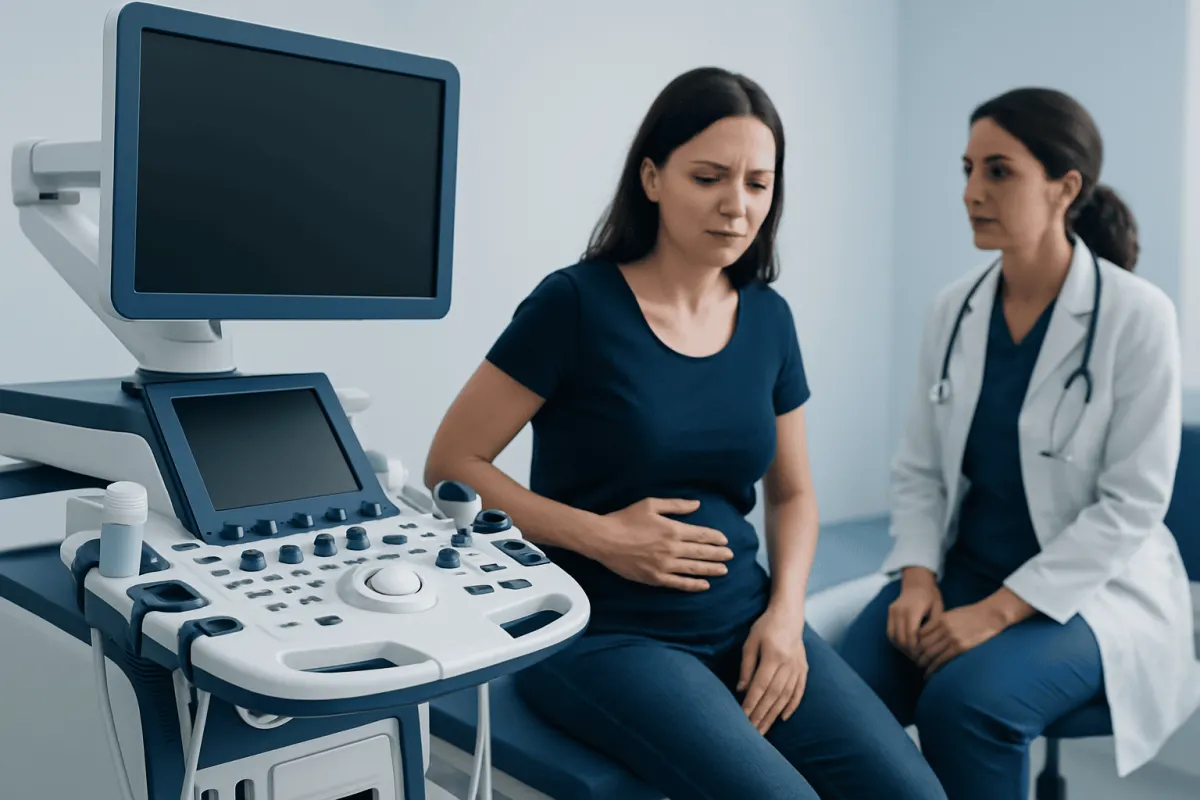
A pelvic ultrasound is often the first imaging test for suspected ovarian or uterine causes. It can identify many cysts, fibroids, and structural changes, although a normal ultrasound does not rule out all causes of pelvic pain, including endometriosis. Further tests are selected only when clinically indicated.
Diagnosis is not always immediate, especially when pain is intermittent. Recording symptoms over several weeks can help. Useful notes include pain severity, side of the body, dates of periods, bleeding, discharge, medication use, bowel and bladder symptoms, and what improves or aggravates the pain.
Treatment and symptom relief
Treatment depends on the underlying cause, the severity of symptoms, future pregnancy plans, and overall health. Mild period-related or ovulation-related discomfort may improve with rest, a warm compress or heat pack, gentle movement, hydration, and over-the-counter pain relief when it is safe for the individual. A pharmacist or doctor can advise on suitable options, particularly for those with stomach ulcers, kidney disease, bleeding disorders, allergies, or other medical conditions.
For recurrent menstrual pain, clinicians may discuss hormonal options that can reduce ovulation or menstrual bleeding. Ovarian cysts are often monitored with repeat assessment when symptoms are mild and imaging features are reassuring. A cyst that is large, persistent, complex, or causing complications may need specialist evaluation and sometimes surgery.
Endometriosis, pelvic infection, urinary conditions, and digestive causes each require different care. Treatment may include medication, physical therapy for pelvic floor symptoms, treatment of infection, hormonal management, or surgery when appropriate. It is important not to self-treat persistent pelvic pain as “just cramps,” because the most helpful treatment depends on an accurate diagnosis.
Acıbadem Health Point’s multidisciplinary specialists and JCI-accredited hospitals assess and treat gynecological and pelvic pain conditions for Myomectomy Recovery for International Patients: The Usual Travel Timeline" class="ahp-ilk">international patients, with care plans based on individual findings and preferences.
Self-care, monitoring, and preparing for an appointment
For mild symptoms that appear linked to the menstrual cycle, a symptom diary can make patterns clearer and help guide a medical consultation. It can include the first day of each period, pain scores, the pain location, bleeding changes, sexual activity-related symptoms, and any digestive or urinary concerns.
Regular sleep, gentle physical activity, and strategies that reduce stress may help some people manage chronic pelvic discomfort, although they do not replace medical assessment. Heat can provide temporary comfort for cramping. Avoiding activities that clearly worsen pain until the cause is known may also be sensible.
Before an appointment, it may help to prepare a list of current medicines, previous diagnoses, surgeries, contraception, and questions. The clinician may ask about the chance of pregnancy, so discussing this openly supports safe and appropriate testing. If pain becomes severe or new warning symptoms develop, urgent care should be sought rather than waiting for a scheduled appointment.
Frequently asked questions
01Can ovary pain be normal during ovulation?
Brief, mild one-sided pelvic discomfort around the middle of the menstrual cycle can be related to ovulation. It usually resolves on its own within a short time. Pain that is severe, lasts longer, or occurs with vomiting, fever, bleeding, or dizziness should be assessed promptly.
02How can someone tell whether pain is from an ovary or the bowel?
It is often not possible to tell based on location alone because pelvic organs are close together and pain can spread. Bowel-related pain may be associated with constipation, diarrhea, gas, meals, or relief after a bowel movement. A clinician can use the symptom history, examination, urine or pregnancy tests, and imaging when needed to clarify the cause.
03Can an ovarian cyst cause a dull ache?
Yes. Some ovarian cysts can cause a dull one-sided ache, pelvic pressure, bloating, or discomfort during activity or sex. Many cysts are harmless and resolve naturally, but persistent symptoms or sudden severe pain should be medically evaluated.
04Is aching pain in the ovaries a sign of pregnancy?
Mild pelvic cramping can occur in early pregnancy, but it is not a reliable sign of pregnancy on its own. Anyone with a positive pregnancy test, missed period, or possible pregnancy who has pelvic pain or vaginal bleeding should contact a healthcare professional promptly. This is important to rule out ectopic pregnancy and other complications.
05When is pelvic pain an emergency?
Emergency assessment is needed for sudden severe pain, fainting or marked dizziness, fever, repeated vomiting, heavy bleeding, shoulder-tip pain, or pain with possible pregnancy. These symptoms may be linked to urgent conditions, even though less serious causes are also possible. It is safer to seek prompt care rather than wait for symptoms to pass.
06What tests are used for persistent ovarian-area pain?
Testing may include a pregnancy test, urine testing, blood tests, a pelvic examination, and pelvic ultrasound. The exact tests depend on the person’s symptoms, age, menstrual history, and examination findings. Further assessment may be recommended if symptoms continue despite initial tests or treatment.
This article is for general information only and is not a substitute for professional medical advice. Please consult a qualified doctor about your individual situation.
Persistent digestive symptoms? Get evaluated in Turkey
JCI-accredited · board-certified surgeons · reply within 24h
Add us as a Preferred Source to see more of our trusted health content across Google Search, AI Overviews and Discover.