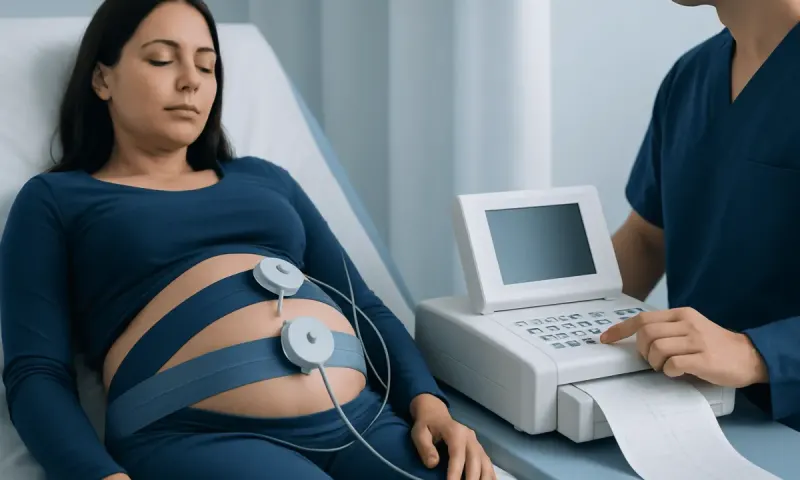
Chest Pain in a Pregnant Woman: When to Seek Urgent Care
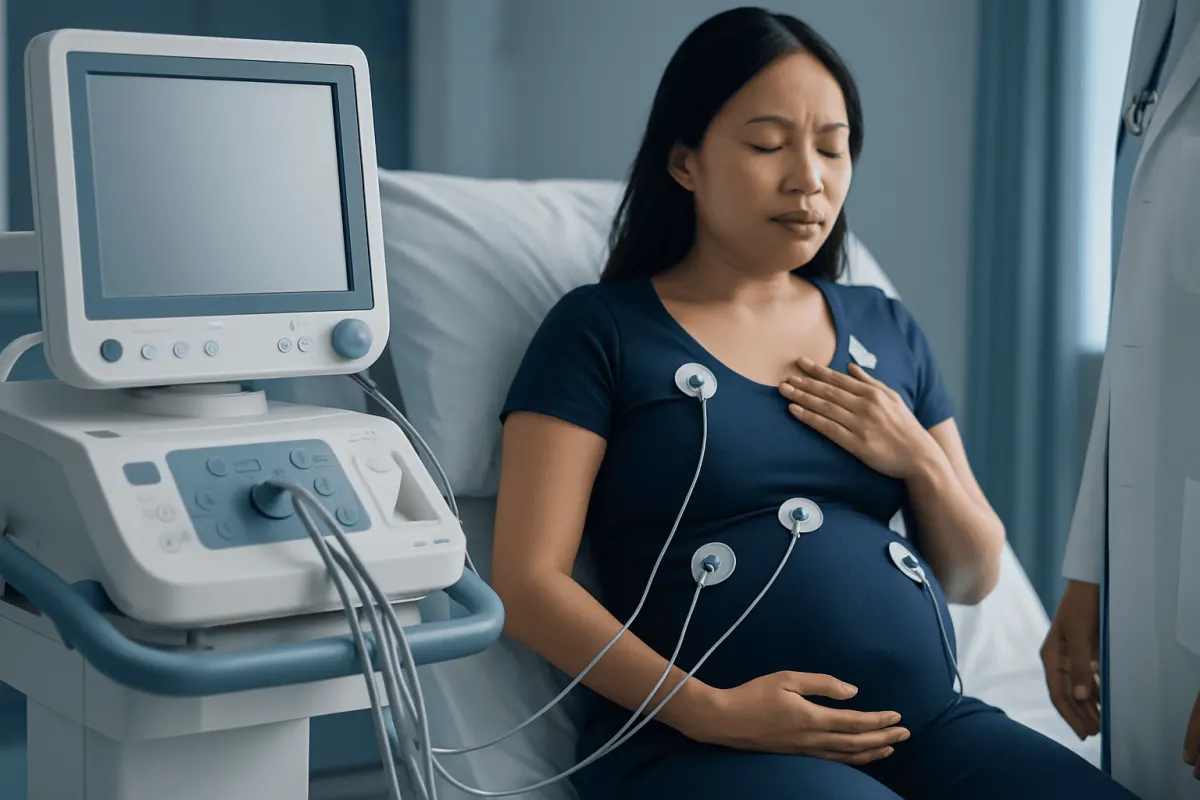
Pregnant woman chest pain can result from common changes such as heartburn, rib discomfort, muscle strain, or anxiety. However, chest pain can occasionally signal a serious heart, lung, or blood-clot condition, so new, persistent, severe, or concerning symptoms should be assessed promptly.
Overview: What Does Chest Pain in Pregnancy Mean?
Pregnant woman chest pain is commonly related to heartburn, pressure from the growing uterus, changes in posture, or soreness in the muscles and ribs. These causes are often manageable, especially when discomfort is mild, brief, and clearly linked to meals, movement, coughing, or a particular body position.
Even so, chest pain should not be dismissed automatically during pregnancy. Less commonly, it may be related to conditions affecting the heart, lungs, or circulation, including a blood clot in the lung. The safest approach is to consider the pattern of the pain and any accompanying symptoms, and to contact a healthcare professional whenever there is uncertainty.
Chest discomfort can feel like burning behind the breastbone, sharp pain with breathing or movement, tightness, pressure, aching, or pain that spreads to the back, shoulder, arm, jaw, or upper abdomen. A person’s description is important, but only a clinical assessment can determine the cause reliably.
Common and Usually Non-Urgent Causes
Acid reflux, also called heartburn, is one of the most frequent causes of chest burning in pregnancy. Pregnancy hormones relax the valve between the stomach and oesophagus, allowing stomach acid to move upward more easily. Later in pregnancy, the enlarging uterus may add pressure to the stomach. Symptoms often occur after meals, when lying down, or after eating large, fatty, spicy, or acidic foods.
Musculoskeletal pain is another common explanation. The chest wall, ribs, upper back, and shoulder muscles can become strained as posture changes and body weight increases. Pain from the chest wall is often sharp or aching, may worsen with twisting, lifting, coughing, deep breathing, or pressing on a tender area, and may improve with rest or a change in position.
Other possible non-emergency causes include bloating, trapped gas, a respiratory infection, anxiety, and breast tenderness. Anxiety can cause a fast heartbeat, chest tightness, or a feeling of not getting enough air, but these symptoms should not be assumed to be anxiety until other important causes have been considered.
- Burning after meals or when lying down: often suggests reflux.
- Pain reproducible with movement or touch: can suggest muscle or rib discomfort.
- Brief discomfort with bloating: may be related to digestive pressure or gas.
Important Causes That Need Prompt Assessment
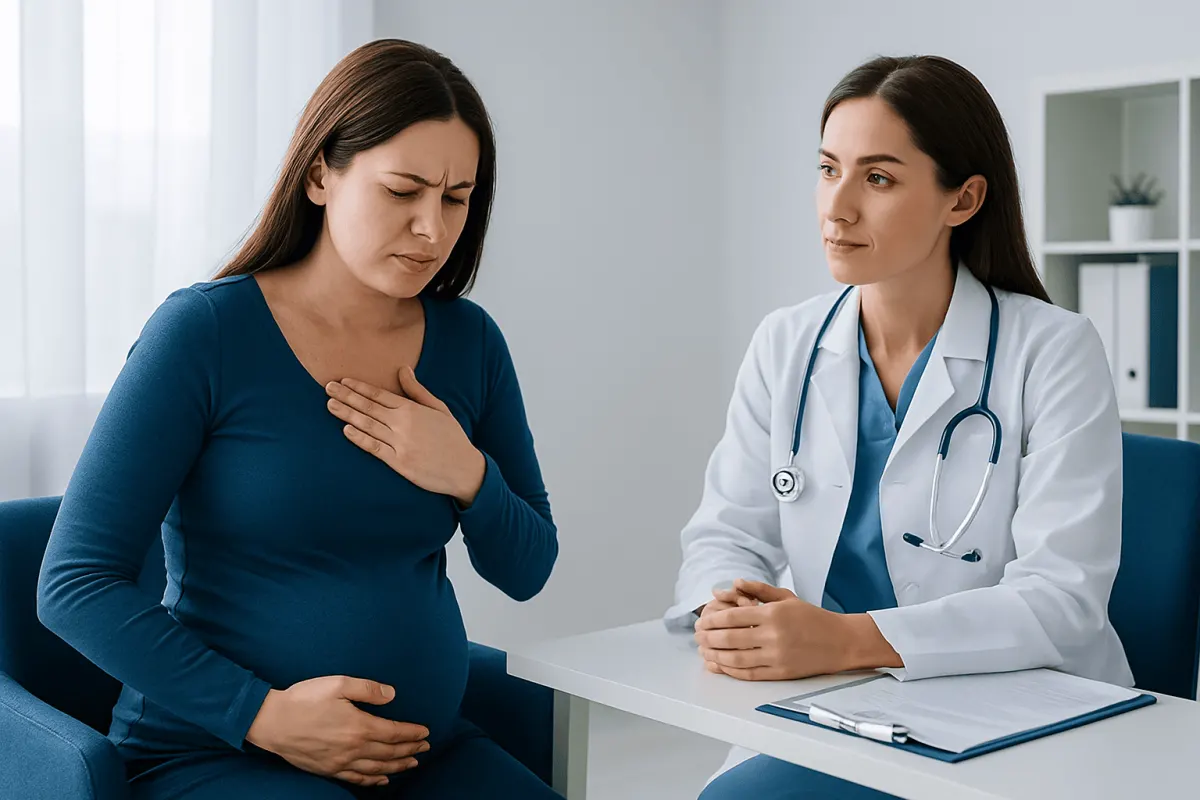
Pregnancy naturally increases the tendency for blood to clot. This is protective around delivery but can also raise the risk of deep vein thrombosis and pulmonary embolism, a blood clot that travels to the lungs. A pulmonary embolism may cause sudden chest pain, shortness of breath, rapid breathing, coughing, coughing up blood, fainting, or a fast heart rate. It requires emergency medical care.
Heart-related conditions are less common in younger pregnant people but can occur. Severe pressure, squeezing, or heaviness in the chest, particularly when accompanied by breathlessness, nausea, sweating, dizziness, or pain spreading to the arm, shoulder, jaw, or back, should be treated as urgent. Pregnancy can also uncover previously unrecognised high blood pressure or heart disease.
Other conditions that may cause chest pain include pneumonia, asthma flare-ups, inflammation around the heart or lungs, a collapsed lung, gallbladder disease, and complications related to severe high blood pressure in pregnancy. Clinicians may also consider pregnancy-specific problems when chest or upper abdominal discomfort occurs with a severe headache, visual changes, sudden swelling, or high blood pressure.
Some symptoms overlap between harmless and serious causes. For this reason, the intensity of pain alone is not a reliable guide: mild pain with marked breathlessness can still need urgent evaluation, while severe heartburn can feel frightening but may not be dangerous.
How Clinicians Assess Chest Pain During Pregnancy
A healthcare professional will ask when the pain began, how it feels, whether it is constant or intermittent, and what makes it better or worse. They will also ask about breathlessness, cough, fever, palpitations, leg swelling or pain, recent travel or immobility, previous clots, high blood pressure, heart conditions, and family history.
The assessment may include checking blood pressure, pulse, oxygen level, temperature, heart and lung sounds, and signs of swelling or tenderness in the legs. Depending on the symptoms, tests may include an electrocardiogram (ECG), blood tests, echocardiography, ultrasound of the leg veins, or chest imaging. When imaging is clinically necessary, the care team selects the most appropriate method and considers both maternal and fetal safety.
It is important for pregnant people to tell the clinician how many weeks pregnant they are, whether they have had any complications, and what medicines or supplements they use. They should not avoid emergency evaluation out of concern about testing; the risks of an undiagnosed serious condition can be greater than the carefully managed risks of appropriate diagnostic tests.
Treatment Depends on the Cause
Treatment is based on the underlying diagnosis rather than the location of the pain alone. For reflux-related symptoms, a clinician may suggest dietary changes, timing adjustments for meals, and pregnancy-appropriate medicines when needed. Ongoing or troublesome reflux should be discussed with the obstetric care team rather than self-treated with products that may not be suitable in pregnancy.
Muscle and rib discomfort may improve with rest, gentle stretching, posture support, avoiding activities that trigger pain, and clinician-approved pain relief. Persistent pain, pain after an injury, or pain that limits breathing or movement still warrants medical advice.
Conditions such as a blood clot, infection, asthma exacerbation, high blood pressure complication, or heart problem require targeted medical treatment and sometimes hospital monitoring. If reflux has been confirmed as a recurring cause, clinicians may recommend a tailored plan for heartburn treatment that is appropriate during pregnancy.
At Acıbadem Health Point, multidisciplinary specialists and JCI-accredited hospitals diagnose and treat pregnancy-related health concerns for Myomectomy Recovery for International Patients: The Usual Travel Timeline" class="ahp-ilk">international patients, coordinating care with obstetric and relevant medical teams when needed.
Prevention and Everyday Self-Care for Mild Symptoms
For mild symptoms that have been assessed or are clearly consistent with occasional heartburn, practical changes can reduce discomfort. Smaller meals, avoiding lying down soon after eating, limiting known trigger foods, and raising the head and upper body slightly at night may help. Adequate fluids and regular, gentle activity can also support digestion and comfort.
For posture- or muscle-related pain, taking regular breaks from prolonged sitting, using supportive pillows while sleeping, and avoiding sudden heavy lifting may be useful. Gentle movement is generally beneficial in uncomplicated pregnancies, but each person should follow their maternity clinician’s guidance about exercise.
Do not smoke or use nicotine products, and avoid alcohol during pregnancy. It is also sensible to keep prenatal appointments, as blood pressure, anaemia, breathing symptoms, and other concerns can be identified through routine maternity care. New supplements, over-the-counter medicines, and herbal remedies should be checked with a qualified healthcare professional before use.
When to Seek Medical Care
Seek emergency medical care immediately for sudden, severe, crushing, or persistent chest pain; chest pain with shortness of breath; fainting; confusion; blue or grey lips; coughing up blood; a racing or irregular heartbeat; or pain spreading to the jaw, arm, shoulder, back, or upper abdomen. Emergency assessment is also needed when chest pain occurs with one-sided leg swelling, redness, warmth, or pain, which can be a sign of a blood clot in the leg.
Contact an obstetrician, midwife, or doctor promptly for recurrent chest pain, pain that is worsening, fever or cough with chest discomfort, new wheezing, significant palpitations, or chest symptoms alongside severe headache, vision changes, sudden swelling, or high blood pressure. It is appropriate to seek advice even if symptoms later improve.
Mild burning after eating or discomfort clearly related to movement may be discussed at a routine appointment if it settles quickly and there are no warning signs. However, if a pregnant person feels that something is wrong, it is always reasonable to seek timely medical advice. Pregnancy symptoms can vary, and reassurance after an appropriate assessment can be valuable.
Frequently asked questions
01Is chest pain normal during pregnancy?
Chest discomfort can occur during pregnancy and is often caused by heartburn, muscle strain, rib discomfort, or changes in posture. However, chest pain is not something to ignore because pregnancy can also increase the risk of conditions such as blood clots. New, severe, persistent, or unexplained pain should be assessed by a healthcare professional.
02What does heartburn chest pain feel like in pregnancy?
Heartburn usually causes a burning sensation behind the breastbone or in the throat. It may be worse after eating, when bending over, or when lying down, and it can be associated with a sour taste or regurgitation. Because symptoms can overlap with other conditions, persistent or atypical pain should be discussed with a clinician.
03Can pregnancy cause sharp pain when taking a deep breath?
Sharp pain with deep breathing can be caused by strained chest wall muscles, rib irritation, coughing, or a respiratory infection. It can also occur with more serious lung or circulation problems, including pulmonary embolism. Urgent assessment is needed if it begins suddenly or occurs with shortness of breath, rapid heartbeat, fainting, or coughing up blood.
04When should a pregnant woman go to the emergency department for chest pain?
Emergency care is needed for severe, sudden, crushing, or persistent chest pain, especially with breathlessness, fainting, sweating, palpitations, or pain spreading to the arm, jaw, shoulder, or back. It is also urgent when chest pain is accompanied by coughing up blood or signs of a leg blood clot. If there is doubt, it is safer to seek emergency advice.
05Can anxiety cause chest pain during pregnancy?
Anxiety can contribute to chest tightness, a fast heartbeat, tingling, and a sensation of breathlessness. These symptoms are real and can be distressing, but they should not be attributed to anxiety without considering medical causes first. A clinician can help assess symptoms and discuss appropriate support.
06What can help mild chest discomfort from reflux during pregnancy?
Smaller meals, avoiding lying down for a period after eating, and identifying personal food triggers may help reduce reflux symptoms. Raising the upper body slightly while sleeping can also be useful for some people. A doctor, midwife, or pharmacist can advise on medicines that are considered appropriate during pregnancy.
This article is for general information only and is not a substitute for professional medical advice. Please consult a qualified doctor about your individual situation.
Persistent digestive symptoms? Get evaluated in Turkey
JCI-accredited · board-certified surgeons · reply within 24h
Add us as a Preferred Source to see more of our trusted health content across Google Search, AI Overviews and Discover.