Aching Joints on the Left Side: Possible Causes
Aching joints on the left side of the body are often related to a local joint, muscle or tendon problem, but they can also occur with arthritis, inflammation, nerve irritation or less commonly a broader medical condition. The location, timing, associated symptoms and whether there was an injury help a clinician identify the likely cause and the right next steps.
Overview: Why Joints May Ache on One Side
Aching joints on the left side of the body commonly reflect a problem affecting one area more than the other, such as repetitive use, a past injury, poor movement mechanics or wear within a joint. For example, a person may favor their left hand at work, sleep consistently on the left side, carry bags on one shoulder, or place more weight through one leg because of footwear, posture or an earlier injury.
Joint discomfort may involve the shoulder, elbow, wrist, hip, knee, ankle, fingers or toes. It is important to remember that pain felt near a joint is not always coming from the joint itself. Muscles, tendons, ligaments, bursae and nerves can all cause pain that seems to be located in a joint.
One-sided symptoms are often mechanical rather than systemic, but this is not always the case. Inflammatory arthritis, infection, crystal arthritis and certain nerve or circulation problems can begin in one area or affect one side more noticeably. A medical assessment is helpful when symptoms persist, recur, limit normal activities or occur with swelling or other concerning signs.
Patterns and Symptoms That Help Explain the Pain
The quality and timing of the ache can offer useful clues. Mechanical pain often becomes worse with repeated activity or weight-bearing and improves with rest. Osteoarthritis may cause aching after activity, brief stiffness after rest, reduced flexibility and a grating sensation. Tendon or muscle problems can be tender with a particular movement, such as reaching overhead, gripping, climbing stairs or getting up from a chair.
Inflammatory joint conditions more often cause visible swelling, warmth and stiffness that is most noticeable in the morning or after inactivity. Stiffness lasting longer than about 30 minutes, pain in several joints, fatigue, skin changes or eye symptoms should be discussed with a clinician. Pain that travels from the neck or lower back into an arm or leg, especially with tingling or numbness, may point to nerve irritation rather than a primary joint disorder.
Symptoms worth noting include:
- Which joints are affected and whether the pain moves or remains in one location
- Swelling, redness, warmth, clicking, locking or a sense that the joint gives way
- Stiffness after waking, after sitting, or during particular activities
- Reduced strength, range of motion or ability to walk, grasp or lift
- Recent infection, fever, rash, tick exposure, injury or change in exercise routine
Keeping a brief symptom record can be useful before an appointment. It may include when symptoms started, what worsens or relieves them, whether there was an injury, and any associated symptoms.
Common Causes of Left-Sided Joint Aching

Overuse and minor soft-tissue injuries are common causes. Repeated lifting, computer use, sports training, gardening or a sudden increase in activity can irritate tendons and muscles around a joint. Sprains and strains can also occur without a dramatic injury, particularly when a joint is repeatedly loaded while tired or deconditioned.
Osteoarthritis is another frequent explanation, especially in knees, hips, hands and the spine. It involves gradual changes in joint cartilage and surrounding tissues. Previous fractures, ligament injuries, joint instability, excess body weight and physically demanding work can increase the chance of developing symptoms in one joint earlier or more severely than the other.
Other possible causes include bursitis, tendinopathy, gout or another crystal-related arthritis, and inflammatory arthritis. Conditions such as rheumatoid arthritis can affect joints on both sides of the body, but symptoms may not be identical on each side, particularly early on. More information about inflammatory joint disease is available in rheumatoid arthritis.
Pain may also be referred from elsewhere. Neck conditions can cause shoulder, arm or hand discomfort, while lower-back or hip problems may produce pain around the leg or knee. Rarely, a joint infection causes rapidly worsening pain, heat, swelling and reduced movement; this needs urgent assessment.
How a Clinician Evaluates One-Sided Joint Pain
Evaluation usually begins with a detailed history and physical examination. A clinician may ask about the onset of pain, work and exercise demands, past injuries, medication use, family history of arthritis, recent illnesses and symptoms beyond the joints. They will assess posture, gait, strength, joint movement, tenderness, swelling and signs of nerve involvement.
Not everyone needs tests immediately. When symptoms are mild and clearly related to recent overuse, a period of conservative care may be appropriate. Tests are more likely to be considered when pain is persistent, severe, unexplained, associated with swelling or systemic symptoms, or when an injury may have damaged bone, cartilage or soft tissue.
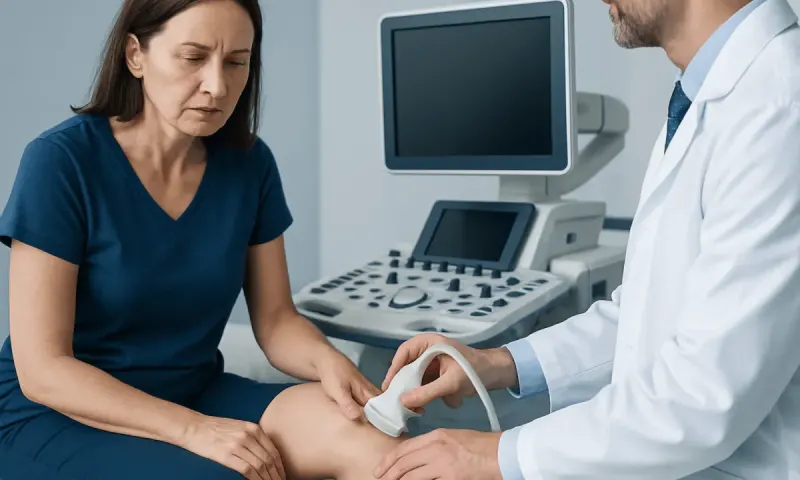
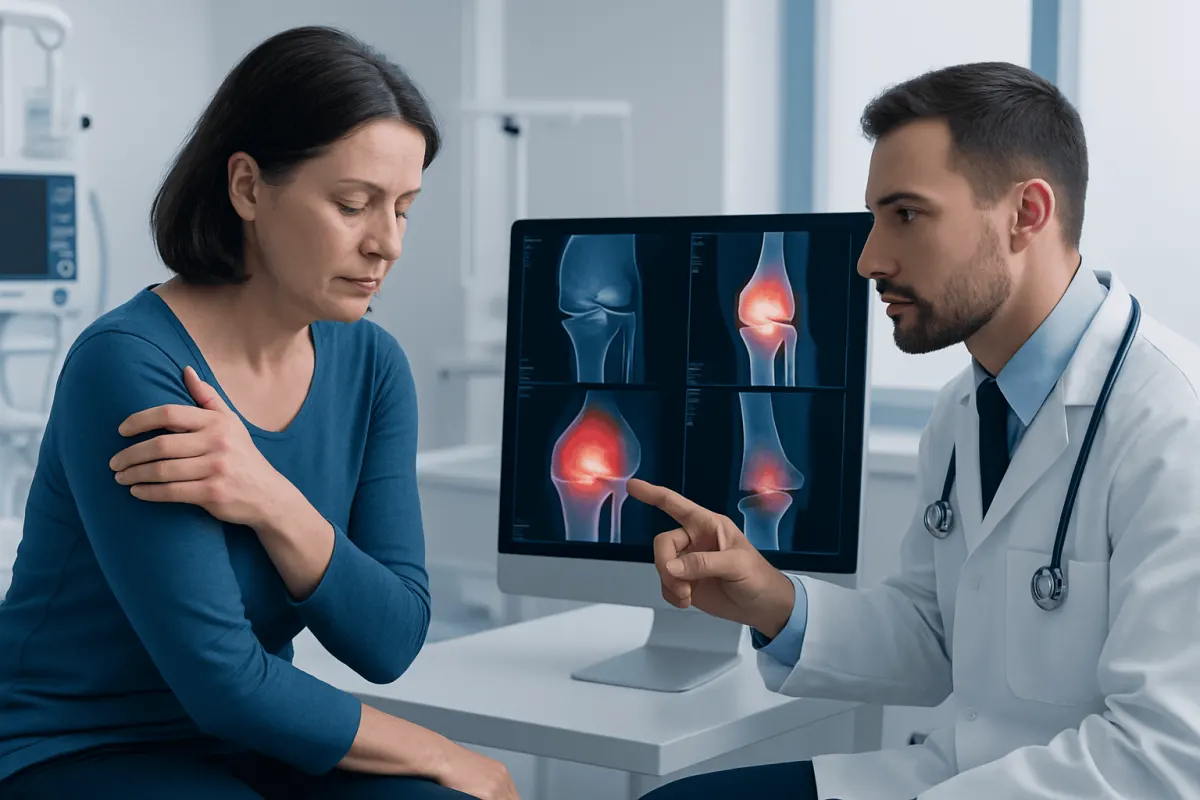
Depending on the findings, tests may include X-rays for bone alignment and osteoarthritis changes, ultrasound for fluid or tendon problems, or MRI for selected ligament, cartilage, muscle or nerve concerns. Blood tests may help evaluate inflammation, Treatment Options" class="ahp-ilk">autoimmune disease, infection or uric acid-related conditions, but they cannot diagnose every cause of joint pain on their own.
Treatment Options and Everyday Symptom Care
Treatment depends on the cause, the joint involved and the effect on daily life. For uncomplicated overuse-related pain, temporary activity modification can allow irritated tissues to settle. This does not usually mean complete immobilization; gentle movement within a comfortable range can help maintain mobility. Heat may ease stiffness, while a cool pack may be useful for recent soreness or swelling. A cloth should be placed between the pack and the skin.
Physiotherapy can support recovery by improving flexibility, strength, balance and movement patterns. A personalized program may be particularly useful for recurring shoulder, hip, knee or back-related symptoms. Joint-focused rehabilitation may also include advice on ergonomics, footwear, pacing and safe return to sport or work tasks.
Over-the-counter pain relief may be suitable for some people, but it should be chosen with care. Anti-inflammatory medicines are not appropriate for everyone, including some people with kidney disease, stomach ulcers, bleeding risk, cardiovascular conditions or certain medication interactions. A pharmacist or doctor can advise on safe options based on the individual’s medical history.
For persistent pain caused by arthritis, tendon disorders or an injury, treatment may include structured rehabilitation, prescription medicines, injections in selected situations or referral to an orthopedic, rheumatology or pain specialist. physical therapy and rehabilitation can be an important part of non-surgical care for many joint conditions.
Prevention and Self-Care for Joint Health
Many episodes of one-sided joint aching can be reduced by gradually increasing exercise intensity rather than making abrupt changes. Warming up before activity, varying repetitive tasks, taking regular movement breaks and using supportive equipment when needed can reduce strain. People who repeatedly use one arm or leg may benefit from reviewing workstation setup, lifting technique and sport-specific movement patterns.
Regular low-impact activity, such as walking, cycling, swimming or guided strengthening, supports muscle strength and joint function. Strengthening muscles around vulnerable joints can improve stability and reduce excessive load. The most suitable activity depends on the painful area and the person’s health status, so persistent pain should be assessed before starting a demanding new exercise plan.
General health also matters. Adequate sleep, balanced nutrition, avoiding tobacco and maintaining a weight that is healthy for the individual can support joint comfort and mobility. These measures cannot replace medical treatment for inflammatory disease, a significant injury or infection, but they can complement a clinician’s care plan.
When to Seek Medical Care
A non-urgent medical appointment is appropriate if left-sided joint aching lasts more than a few weeks, keeps returning, interferes with sleep or daily activities, or occurs with recurrent swelling, reduced motion or weakness. Assessment is also advisable for morning stiffness that lasts a long time, pain in multiple joints, unexplained fatigue, rash, fever or a personal or family history of inflammatory arthritis.
Urgent medical attention is needed for a joint that becomes suddenly very painful, swollen, hot or red, especially with fever or feeling unwell. These symptoms can occur with infection or acute inflammatory conditions and should not be managed only at home. Immediate assessment is also appropriate after a significant injury, an obvious deformity, inability to bear weight, or new numbness or weakness.
Emergency care is essential if left-sided shoulder, arm, jaw or upper-body discomfort occurs with chest pressure, shortness of breath, faintness, nausea, cold sweating or an unusual sense of illness. Although joint and muscle causes are common, these symptoms can sometimes signal a heart emergency. Acıbadem Health Point’s multidisciplinary specialists and JCI-accredited hospitals provide assessment and treatment for international patients with joint and musculoskeletal concerns.
Frequently asked questions
01What causes aching joints on the left side of the body?
Common causes include overuse, a strain, tendon irritation, osteoarthritis or a previous injury affecting a left-sided joint. Nerve irritation from the neck or back can also produce pain that feels like joint pain. Swelling, prolonged stiffness or symptoms in several joints may suggest an inflammatory condition and should be assessed.
02Can arthritis affect only the left side of the body?
Osteoarthritis can affect one side more than the other, especially after an injury or when one joint experiences more physical load. Some inflammatory forms of arthritis tend to involve multiple joints or both sides, but they can begin unevenly. A clinician can help distinguish arthritis from tendon, muscle or nerve-related pain.
03Is left arm and shoulder pain always a joint problem?
No. It may arise from the shoulder joint, muscles, tendons, neck nerves or other structures. If left arm or shoulder discomfort occurs with chest pressure, breathlessness, nausea, sweating or faintness, emergency medical care is needed to rule out a heart-related cause.
04How long should a person rest an aching joint?
A short period of reducing painful activity may help after minor overuse, but complete rest for long periods can lead to stiffness and weakness. Gentle, comfortable movement is often beneficial. If symptoms do not improve, worsen, or limit normal function, a healthcare professional should advise on activity and treatment.
05Should heat or ice be used for one-sided joint pain?
Heat may help relax stiff muscles and ease chronic aching, while a cool pack can help after a recent flare of pain or visible swelling. Either should be used for short periods with a protective cloth between the skin and the source. Persistent swelling, warmth or severe pain warrants medical evaluation.
06What tests may be needed for persistent joint pain?
A clinician may diagnose some problems through history and examination alone. When needed, imaging such as X-ray, ultrasound or MRI can assess different tissues, while blood tests may look for inflammation, autoimmune disease, infection or crystal-related conditions. The choice of testing depends on the symptoms and examination findings.
This article is for general information only and is not a substitute for professional medical advice. Please consult a qualified doctor about your individual situation.
Joint and spine care in Turkey — expert assessment & treatment
JCI-accredited · board-certified surgeons · reply within 24h
Add us as a Preferred Source to see more of our trusted health content across Google Search, AI Overviews and Discover.