How the Achilles Tendon Gets Injured and How It Heals

Ever felt a sharp tug at the back of your ankle when you push off to run for a bus? Or noticed that first step out of bed in the morning stings just above your heel? That cord you can feel there is the achilles tendon, and it links your calf muscles to your heel bone so you can walk, run, jump, and rise onto your toes.
Things can go wrong with it in several ways: overuse irritation, gradual degeneration, partial tears, and complete rupture. What your treatment looks like depends on which of these you have and how severe it is.
Overview: what the achilles tendon does
The achilles tendon is the largest tendon in the body. It joins the calf muscles to the heel bone and allows the foot to point downward, which is needed for walking, climbing stairs, running, and jumping. Every step places force through this tendon, so it must be both strong and flexible.
Achilles tendon problems are common in active people, but they can also affect those who are less active. Symptoms may develop gradually from repeated strain, or they may happen suddenly during sports or a quick change in direction. A person may hear the terms “Achilles tendinitis,” “tendinopathy,” or “rupture,” and these do not all mean the same thing.
Tendinitis usually refers to short-term irritation and inflammation, often early in the course of injury. Tendinopathy is a broader term that includes long-standing wear, tendon thickening, and small structural changes caused by repeated overload. A rupture means the tendon has torn partially or completely, often causing sudden weakness and difficulty walking.
Parts of the achilles tendon have a limited blood supply, so healing often takes longer than people expect. Catching the problem early, backing off the activities that aggravate it, and following a structured treatment plan can improve your recovery and lower the chance of lasting pain or another injury.
Common symptoms and warning signs
Achilles tendon symptoms vary with the type of problem. Overuse injuries often begin with pain or stiffness at the back of the ankle or just above the heel, especially after exercise or first thing in the morning. Some people notice tenderness when touching the tendon, mild swelling, or a feeling that the tendon is thickened.
As irritation progresses, pain may start earlier during activity and last longer afterward. Running uphill, climbing stairs, or pushing off quickly can become uncomfortable. In insertional problems, where the tendon attaches to the heel bone, pain is usually lower down and may feel worse with pressure from firm shoes.
A sudden tear or rupture typically causes a different pattern. Many people describe a sharp snap, pop, or sensation of being kicked in the back of the ankle. This may be followed by sudden pain, swelling, bruising, weakness, and difficulty standing on tiptoe or pushing off when walking.
- Morning stiffness in the back of the ankle
- Pain during or after running, jumping, or stair climbing
- Swelling or warmth along the tendon
- A tender lump or thickened area
- Weakness when rising onto the toes
- A popping sensation with sudden loss of function
Why achilles tendon problems happen
Most achilles tendon problems are caused by overload. This means the tendon is asked to handle more force than it can adapt to, especially when training intensity, duration, or frequency increases too quickly. Repeated stress can lead to microscopic damage and gradual changes in the tendon structure.
Risk factors include tight calf muscles, poor ankle mobility, weak lower leg muscles, a sudden return to exercise after inactivity, and repetitive sports such as running, football, tennis, and basketball. Unsupportive footwear or worn-out athletic shoes may also contribute in some people. Age can matter as well, because tendons generally become less elastic over time.
How your foot is built and how you move matter too. Flat feet, high arches, altered gait, or differences in leg alignment can change how force moves through the ankle and heel. Sometimes symptoms are linked with nearby problems such as heel spur or irritation around the heel insertion, especially when pain is lower at the back of the foot.
Certain medicines and medical conditions can increase the chance of tendon injury. For example, some antibiotics in the fluoroquinolone class and corticosteroid exposure have been associated with tendon damage in selected patients. Diabetes, inflammatory conditions, obesity, and previous tendon injury may also raise the risk, so a doctor may ask about overall health as part of assessment.
How doctors diagnose achilles tendon injuries
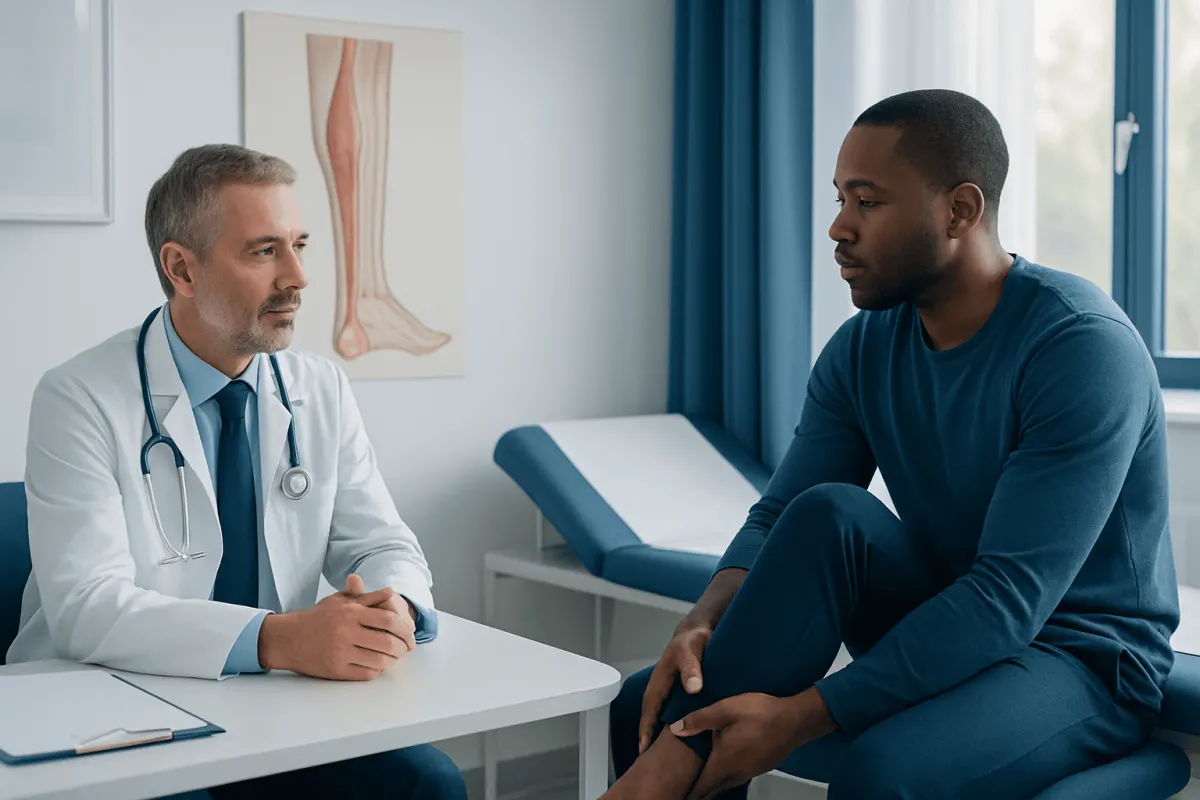
Diagnosis begins with a careful history and physical examination. A doctor usually asks when the pain started, whether there was a sudden injury, which activities trigger symptoms, and whether there has been swelling, weakness, or a popping sensation. These details help separate gradual overuse conditions from partial or complete tears.
During the examination, the clinician checks for tenderness, swelling, tendon thickening, calf tightness, and range of motion in the ankle. Strength and walking pattern are also assessed. If rupture is suspected, simple bedside tests can help determine whether the tendon is still intact and how much function has been lost.
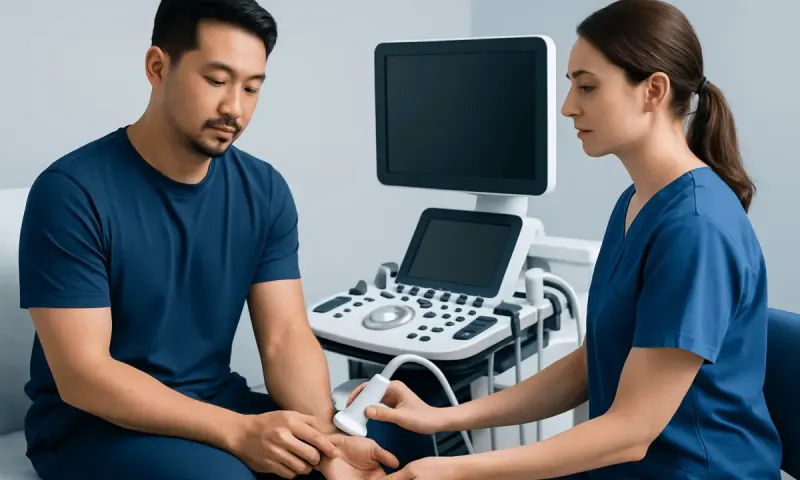
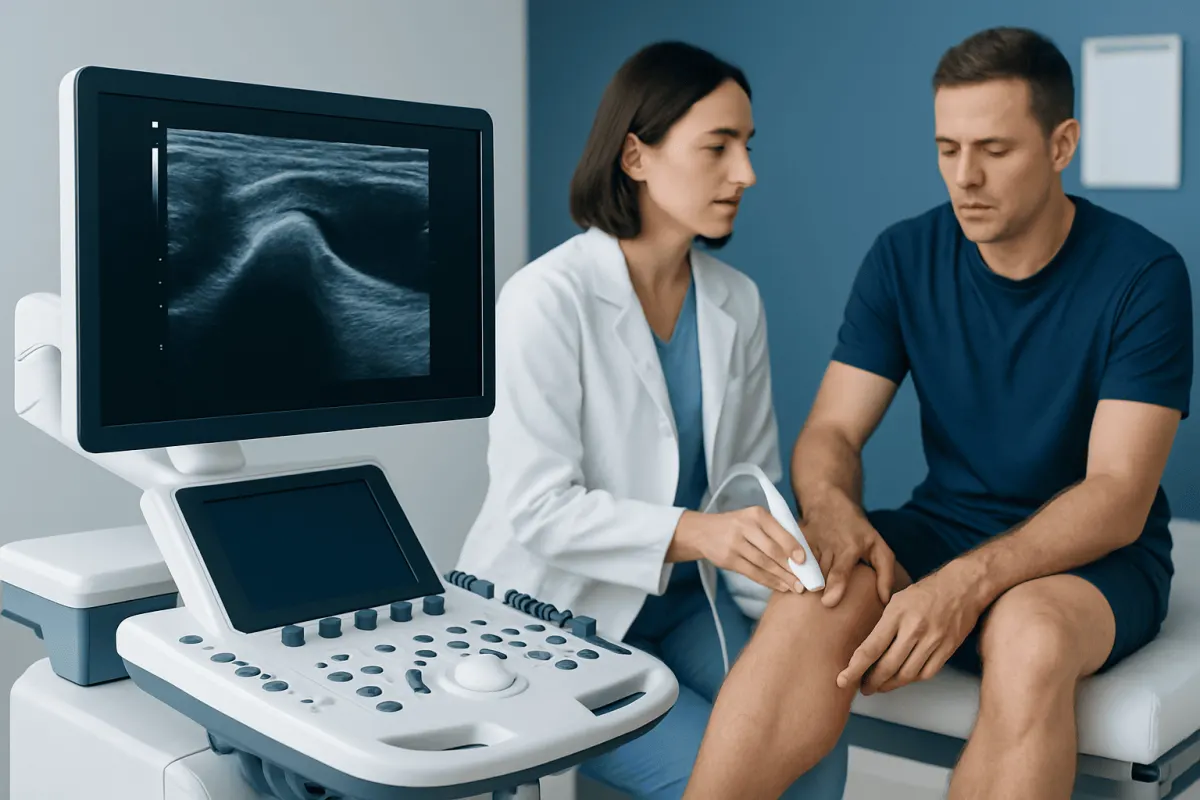
Imaging is not always necessary for straightforward overuse pain, but it can be useful when symptoms are severe, the diagnosis is unclear, or surgery is being considered. Ultrasound can show thickening, fluid, inflammation, or tearing, and it allows dynamic assessment while the foot moves. MRI may be recommended when the extent of damage needs closer evaluation or when another problem is suspected.
In some cases, doctors also consider other causes of pain at the back of the ankle, such as bursitis, ankle arthritis, nerve irritation, or a bone-related problem. If symptoms overlap with broader foot or ankle conditions, a specialist may evaluate whether additional care, such as ankle surgery, is relevant in complex cases.
Treatment options: from rest and rehab to surgery
Treatment depends on whether the achilles tendon is irritated, degenerative, partially torn, or completely ruptured. For many people with tendinopathy, the first steps are reducing painful activities, avoiding sudden sprinting or jumping, and starting a structured rehabilitation plan. Short-term symptom relief may include ice, supportive shoes, heel lifts in selected cases, and guidance on safe return to activity.
Physical therapy is a central part of care. Progressive calf-strengthening exercises, especially eccentric or heavy slow resistance programs when appropriate, are commonly used to improve tendon capacity. Stretching may help some people, particularly if calf tightness is present, but exercises should be individualized because too much stretching can irritate insertional problems.
Medications may be used for short-term pain control, though they do not repair the tendon itself. Doctors may also consider braces or walking boots for severe flare-ups or partial tears. When symptoms persist despite conservative care, further evaluation may be needed, and some patients benefit from targeted rehabilitation or procedures under specialist supervision. For some musculoskeletal problems, a wider physical therapy and rehabilitation programme helps restore recovery and function.
Complete ruptures and some significant partial tears may be treated either surgically or non-surgically, depending on the patient’s age, activity level, health status, and imaging findings. Non-surgical care often uses a boot with the ankle positioned to allow healing, followed by rehabilitation. Surgery may be considered when there is a full tear with tendon separation, high functional demand, or a need to restore strength more directly. If the tendon injury is one piece of a bigger problem in the leg, an orthopedic team can look at the whole picture and plan care accordingly.
Recovery, prevention, and self-care
Recovery time varies widely. Mild overuse symptoms may improve over weeks, while established tendinopathy can take months of consistent rehabilitation. A rupture usually requires a longer period of protected healing and structured rehab, whether it is treated surgically or without surgery. Returning too quickly to sport is a common reason symptoms recur.
Prevention focuses on gradual loading. Training volume and intensity should increase step by step rather than all at once. Warm-up before exercise, regular calf strengthening, and attention to ankle mobility may help the tendon tolerate activity better. Shoes should fit well and match the activity, and worn-out footwear should be replaced when needed.
Self-care is most effective when it is specific. Rest does not always mean complete inactivity; instead, it often means switching temporarily to lower-impact exercise while the tendon calms down. Swimming, cycling, or modified walking may be possible for some people, but this should be based on symptoms and medical advice.
People with diabetes, inflammatory disease, or recurrent tendon symptoms should be especially careful with training changes and should seek professional guidance early. Some international patients come to centers such as Acıbadem Health Point, where specialist teams in JCI-accredited hospitals diagnose and treat tendon and foot-ankle conditions with a plan built around the individual.
When to seek medical care
Medical assessment is important if achilles tendon pain lasts more than a few days, keeps returning, or interferes with walking, work, or exercise. A doctor should also evaluate swelling, visible thickening, marked tenderness, or pain that steadily worsens instead of improving with rest and modified activity.
Urgent evaluation is recommended after a sudden injury, especially if there is a pop, immediate pain, bruising, or inability to push off the foot. These symptoms may suggest a partial or complete rupture. Early diagnosis matters because treatment options and outcomes can depend on how quickly the injury is recognized.
A person should also seek care if there is fever, redness spreading around the area, numbness, or severe calf swelling, since these symptoms may point to a different or more serious problem. Ongoing heel pain can sometimes overlap with related conditions such as plantar fasciitis, so a clear diagnosis helps guide proper treatment.
Getting advice early takes away the guesswork and stops a small problem from turning into a long-running one. If your symptoms are significant or your foot is not working as it should, see a qualified doctor, a sports medicine physician, or an orthopedic specialist — that is the safest next step.
Frequently asked questions
01What is the achilles tendon?
The achilles tendon is the strong band of tissue that connects the calf muscles to the heel bone. It helps the foot push off the ground during walking, running, and jumping.
02How can someone tell if the achilles tendon is torn?
A torn achilles tendon often causes sudden pain, a popping sensation, swelling, and weakness when trying to walk or stand on tiptoe. However, some partial tears can feel less dramatic, so medical assessment is important if function is reduced or pain is severe.
03Is achilles tendon pain always due to tendinitis?
No. Achilles tendon pain may come from short-term irritation, chronic tendinopathy, insertional problems near the heel, bursitis, or a partial tear. A proper diagnosis matters because treatment can differ depending on the cause.
04Can achilles tendon problems heal without surgery?
Many achilles tendon conditions improve without surgery, especially overuse injuries and some tears. Structured rehabilitation, activity modification, and appropriate support are often effective, but complete ruptures sometimes require a surgical discussion.
05How long does achilles tendon recovery take?
Recovery depends on the severity of the injury. Mild symptoms may improve within weeks, while chronic tendinopathy or rupture often takes months and usually requires a staged rehabilitation plan.
06Should a person keep exercising with achilles tendon pain?
Not always. Continuing painful high-impact activity can worsen tendon overload, but complete rest is not always necessary. A doctor or physical therapist can help adjust activity so the tendon can recover while overall fitness is maintained.
This article is for general information only and is not a substitute for professional medical advice. Please consult a qualified doctor about your individual situation.
Joint and spine care in Turkey — expert assessment & treatment
JCI-accredited · board-certified surgeons · reply within 24h
Add us as a Preferred Source to see more of our trusted health content across Google Search, AI Overviews and Discover.