Abdominal Pain After Large Bowel Movement: Causes, Relief and When to Worry

Key Takeaways
- Pain after a bowel movement is often caused by bowel muscle spasm, constipation, or irritation from straining.
- Symptoms that persist, worsen, or come with bleeding, fever, vomiting, or weight loss should be assessed by a doctor.
- Simple measures such as hydration, fiber adjustments, and avoiding straining may help when the cause is mild.
- A pattern of recurring pain after bowel movements can help a clinician narrow down the cause.
- Travelers and international patients should seek care promptly if pain is severe, because self-treatment alone may not be enough.
Abdominal pain after a large bowel movement is often linked to bowel spasm, constipation, straining, or sensitive bowel conditions such as IBS. In some cases, it can point to inflammation, infection, or another problem that deserves medical attention.
Overview
Abdominal pain after a large bowel movement usually means the bowel has been stressed, irritated, or moved in a way that triggers cramping. For many people, the discomfort is brief and related to constipation, straining, or a sensitive gut that reacts strongly to normal bowel activity.
The symptom is not a diagnosis on its own. Doctors look at the full pattern: where the pain is, how long it lasts, whether the stool was hard or loose, and whether there are other signs such as bloating, urgency, blood, or fever. That broader picture helps separate a short-lived digestive upset from a condition that needs treatment.
For someone deciding whether to wait, self-care, or seek evaluation, the key question is not only “Did it hurt after I went to the bathroom?” but also “Has this happened before, is it getting worse, and are there other changes in my bowel habits?”
Symptoms and Typical Patterns
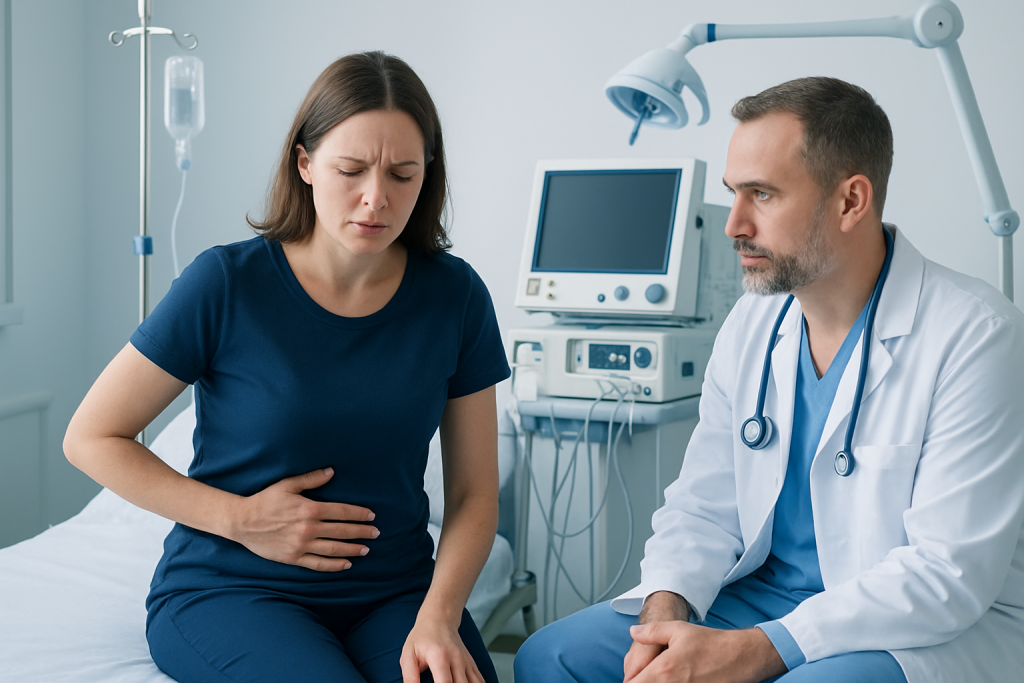
The pain may feel like cramping, pressure, sharp twinges, or a dull ache in the lower abdomen. Some people notice it right after passing a large stool, while others feel it during or several minutes afterward. The discomfort may fade quickly, or it may linger for hours if the bowel remains irritated.
Clues in the symptom pattern can be useful. Pain linked with a hard, difficult stool often points toward constipation or straining. Pain paired with loose stool, urgency, or repeated trips to the bathroom may suggest bowel irritation, infection, or irritable bowel syndrome (IBS).
- Cramping that improves after passing gas or another bowel movement
- Bloating or a feeling of incomplete emptying
- Rectal soreness after straining
- Alternating constipation and diarrhea
- Sudden pain with bleeding, fever, or vomiting
When people describe the pain to a clinician, details matter. A clear description of stool size, frequency, color, and any associated symptoms often makes the next step easier to identify, especially for patients seeking care while traveling or after returning home from abroad.
Causes and Risk Factors

One of the most common reasons for abdominal pain after a large bowel movement is constipation. A large stool can stretch the bowel and rectum, and straining can trigger muscle spasm afterward. Even if the stool finally passes, the bowel may remain temporarily irritated.
Irritable bowel syndrome is another frequent explanation. In IBS, the intestines can be overly sensitive, so normal movement through the bowel may cause cramping before or after a bowel movement. The pain may come with bloating, changes in stool consistency, and symptoms that improve and worsen over time.
Other possible causes include anal fissures, hemorrhoids, inflammatory bowel disease, gastroenteritis, food intolerances, diverticular disease, and, less commonly, bowel obstruction or other urgent abdominal conditions. In some people, pelvic floor dysfunction or poor coordination during defecation contributes to pain and incomplete emptying.
Risk can increase with low fluid intake, low fiber intake, inactivity, certain medications that slow the bowel, a history of constipation, stress, recent travel, and dietary changes. Long flights, disrupted routines, and unfamiliar foods can make bowel habits less predictable, which is one reason symptoms may appear while abroad.
How Doctors Evaluate It
Evaluation begins with a detailed conversation about the pain, bowel habits, diet, medications, and past digestive history. A clinician may ask whether the pain is centered in one area or spread across the abdomen, whether it occurs only after large stools, and whether there is blood in the stool or on toilet paper.
A physical examination may include gentle abdominal palpation and, when needed, an examination of the rectal area. These steps help assess for tenderness, fissures, hemorrhoids, swelling, or signs of stool buildup. The approach depends on the person’s age, symptoms, and overall health.
If the cause is not clear, testing may be recommended. This can include blood tests, stool tests, imaging, or procedures such as colonoscopy in selected cases. The aim is not to test everyone in the same way, but to match the workup to the pattern of symptoms and the level of concern.
Treatment Options
Treatment depends on the cause. If constipation is the main issue, the plan may include increasing fluids, adjusting fiber intake carefully, improving toilet habits, and reviewing medicines that could be slowing the bowel. If a stool is very hard or infrequent, a doctor may recommend a more structured constipation plan.
For IBS-related cramping, management often focuses on symptom control and trigger recognition. Some people improve with diet changes, stress reduction, and a regular eating pattern. Others need targeted medical therapy, especially if diarrhea, constipation, or pain is disrupting daily life.
If the pain comes from an anal fissure or hemorrhoids, easing strain and softening stools can reduce irritation. In inflammatory or infectious conditions, treatment is directed at the underlying problem and may require medication, follow-up testing, or hydration support.
It is best not to self-treat persistent pain with repeated laxative use or painkillers without guidance. The safest approach is to identify the cause first, then choose treatment that fits the diagnosis.
Prevention and Self-care
When the pain is mild and clearly linked to constipation or a one-time difficult bowel movement, practical self-care can help. Drinking enough water, eating a balanced amount of fiber, and avoiding prolonged straining are often helpful first steps. A regular walking routine may also support bowel movement regularity.
To reduce repeat episodes, many people benefit from paying attention to stool texture rather than only frequency. Very hard stools suggest the bowel may be moving too slowly, while frequent loose stools may point to irritation or a food-related trigger. Keeping a simple symptom diary can reveal patterns that are easy to miss from memory alone.
- Respond to the urge to go without delaying for long periods
- Use a comfortable posture on the toilet and avoid pushing hard
- Introduce fiber gradually if current intake is low
- Note foods, stress, travel, and medicines that seem to trigger pain
- Seek medical advice before using regular laxatives or supplements long term
For international patients, planning ahead can make a difference. Bringing medication lists, previous test results, and a short symptom timeline can help a new care team evaluate the problem efficiently, especially if treatment is being arranged during travel or after returning home.
When to See a Doctor
Medical advice is important if abdominal pain after a large bowel movement keeps returning, lasts more than a short time, or begins to interfere with daily life. Recurrent pain is worth discussing even when it seems mild, because the pattern can point to constipation, IBS, or another treatable digestive issue.
Immediate medical assessment is recommended if the pain is severe, sudden, or accompanied by vomiting, fever, a swollen abdomen, black stools, visible blood, fainting, or an inability to pass stool or gas. These signs may suggest a more serious condition that should not be watched at home.
People with unexplained weight loss, anemia, new bowel changes after age 50, or a family history of colon disease should also be evaluated promptly. If a traveler is abroad and symptoms become intense or unpredictable, a local medical visit is often safer than waiting for a return flight.
Acibadem Health Point’s multidisciplinary specialists and JCI-accredited hospitals can diagnose and treat digestive conditions for international patients who need coordinated care and follow-up across borders.
Frequently asked questions
01Why does my stomach hurt after a large bowel movement?
A large bowel movement can stretch the bowel and rectum, especially if stool was hard or if straining was needed. This can lead to temporary cramping or soreness afterward. If it happens often, a doctor can help identify whether constipation, IBS, or another cause is involved.
02Is abdominal pain after pooping always constipation?
No, constipation is common, but it is not the only possible reason. IBS, anal fissures, hemorrhoids, infection, and inflammatory bowel conditions can also cause pain after bowel movements. The other symptoms present usually help narrow it down.
03What can I do at home for mild pain after a bowel movement?
Drinking water, resting, and avoiding further straining may help if the pain is mild and brief. If constipation seems likely, gradual fiber changes and regular movement can support bowel regularity. Persistent or recurrent pain should be discussed with a clinician rather than managed only at home.
04When is abdominal pain after a bowel movement urgent?
It is urgent if the pain is severe, sudden, or happens with fever, vomiting, black stool, blood, a swollen abdomen, or trouble passing gas or stool. These symptoms need prompt medical assessment. If the person feels weak or faint, emergency care is appropriate.
05Can stress cause pain after bowel movements?
Stress can influence bowel sensitivity and may worsen cramping in people with IBS or other functional digestive problems. It does not usually cause the symptom by itself, but it can make the gut more reactive. A doctor may consider stress as one part of the overall picture, not the whole explanation.
06Do I need tests for this symptom?
Not everyone needs tests right away. If the pain is mild, short-lived, and clearly linked to a one-off bowel problem, a clinician may start with history and exam only. Testing becomes more likely if symptoms recur, change, or come with warning signs.
This article is for general information only and is not a substitute for professional medical advice. Please consult a qualified doctor about your individual situation.
Persistent digestive symptoms? Get evaluated in Turkey
JCI-accredited · board-certified surgeons · reply within 24h
Add us as a Preferred Source to see more of our trusted health content across Google Search, AI Overviews and Discover.