5 Reasons a Man’s Private Organ May Become Small
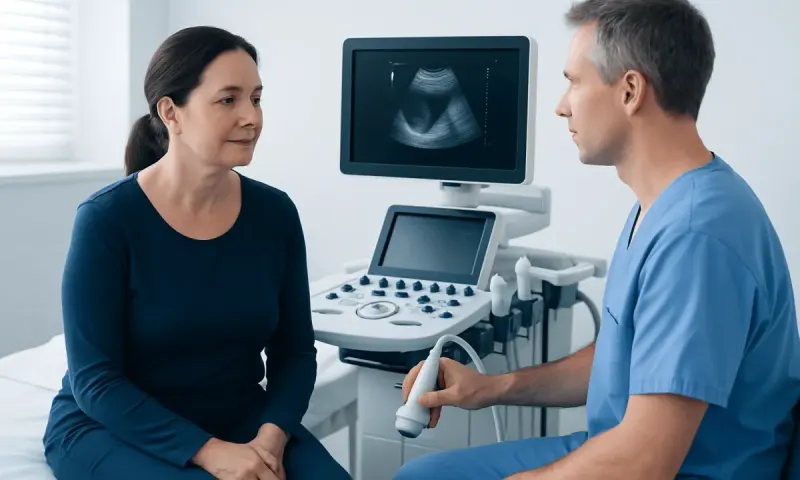
A penis may look or measure smaller for several medical reasons, including changes in body weight, erection quality, scar tissue, aging and certain pelvic treatments. Many changes are treatable or manageable, and an evaluation can help distinguish a temporary appearance change from true penile shortening.
Overview: what “becoming small” can mean
The phrase “5 reasons a man’s private organ may become small” usually refers to changes in the penis that are noticed over time. Medical evidence shows that a penis may appear shorter because more of its base is hidden by surrounding tissue, or it may measure shorter because erections are less firm or scar tissue has developed. These are different situations, so identifying the pattern matters.
Penile size naturally varies widely between individuals. A flaccid penis also changes in size with temperature, stress, exercise and other short-term factors. A cold environment, for example, can temporarily reduce visible length through normal muscle contraction; this is not permanent shrinkage.
True penile shortening is less common than a change in visible length or erection quality. When a person is concerned, clinicians generally consider whether the change is gradual or sudden, whether it occurs only when flaccid or also during erection, and whether symptoms such as pain, curvature, urinary changes or reduced sexual function are present.
Five evidence-based reasons for a smaller appearance or length
1. Weight gain or increased fat around the pubic area. Fatty tissue above the penis can cover part of the shaft, making less of it visible. This is sometimes called a buried or concealed penis appearance. The penis itself has not necessarily become shorter, but the visible portion may be reduced. Weight changes, skin laxity and swelling in the area can all contribute.
2. Less firm erections. Full erections depend on healthy blood vessels, nerves, hormones and psychological wellbeing. When an erection is not fully rigid, the penis may not reach its usual length and can seem smaller. Erectile difficulties may be associated with diabetes, high blood pressure, high cholesterol, smoking, cardiovascular disease, certain medicines, anxiety, depression or relationship stress.
3. Peyronie’s disease. In Peyronie’s disease, fibrous scar tissue develops within the penis. The scar does not stretch normally during an erection, which can lead to curvature, indentation, narrowing, pain and shortening. Some people can feel a firm plaque beneath the skin. Peyronie’s disease should be evaluated by a urologist, particularly if curvature is new, worsening or interferes with sexual activity.
4. Aging-related tissue and hormonal changes. Over time, changes in blood flow, connective tissue elasticity and body composition can affect penile appearance and erection quality. Testosterone levels may also decline with age in some men, particularly with obesity or chronic illness. Low testosterone is more likely to cause reduced sexual desire, energy changes and loss of muscle mass than dramatic penile shrinkage, but it may contribute indirectly to sexual-function changes.
5. Pelvic surgery, radiation or injury. Treatments involving the prostate or pelvis can affect erectile nerves, blood flow and penile tissue. After prostate cancer surgery, some men notice shortening, especially if erections are absent for a prolonged period during recovery. Pelvic radiation, trauma and prolonged use of a urinary catheter in selected circumstances can also affect tissues. The likely effects and available rehabilitation options should be discussed with the treating specialist.
What does not usually cause permanent shrinkage

Normal fluctuations in flaccid size are not evidence of permanent change. Cold temperatures, swimming, physical activity, fear and stress activate the body’s sympathetic nervous system and can temporarily draw the penis closer to the body. Once the person is warm and relaxed, its appearance usually returns to baseline.
Masturbation, having frequent sex, abstaining from sex and wearing ordinary fitted underwear do not shrink the penis. There is also no reliable evidence that supplements, creams, oils or unregulated “male enhancement” products restore lost length. Some products may interact with medicines or contain undisclosed ingredients, so medical guidance is safer than self-treatment.
It is also important to separate adult size changes from lifelong small size. A penis that has always been smaller than expected may have a different explanation than one that becomes shorter later in life. A clinician can assess development, hormones and anatomy when there is a longstanding concern.
Signs that help identify the cause
A person can make useful observations before an appointment without repeatedly measuring or comparing themselves with others. It may help to note whether the concern involves flaccid appearance, erect length, visible shaft length, erection firmness or all of these. A gradual change after weight gain is different from new shortening accompanied by a bend or a hard area under the skin.
Symptoms that can point toward Peyronie’s disease include a new curve during erection, a narrowed or “hourglass” shape, pain, a palpable lump or difficulty with penetration. Symptoms that may suggest erectile dysfunction include erections that are less firm, do not last as long, or are consistently less rigid during partnered sex and masturbation.
A doctor may also ask about diabetes, blood pressure, cholesterol, smoking, alcohol use, sleep problems, pelvic injury, prostate treatment and medicines. Some antidepressants, blood-pressure medicines and other drugs can influence sexual function. A medication should never be stopped without speaking to the clinician who prescribed it.
How doctors assess penile changes
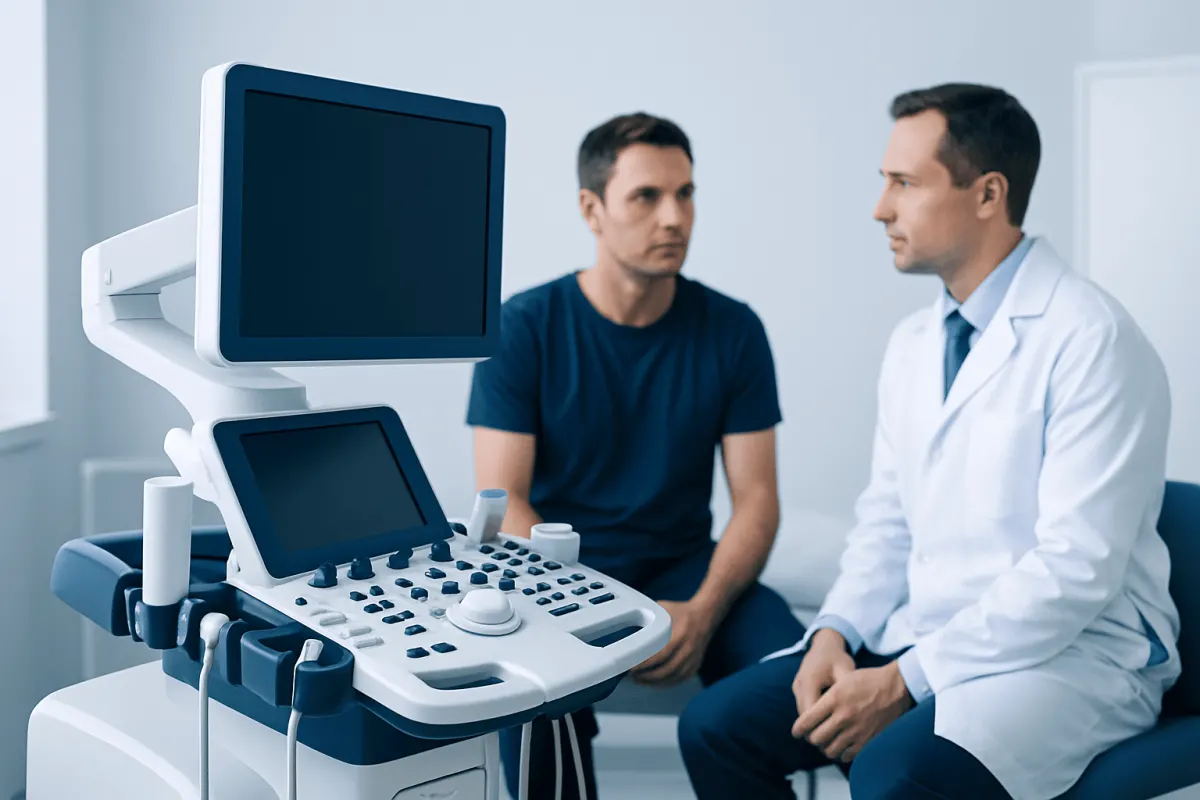
Assessment usually begins with a private, respectful discussion of symptoms, medical history and expectations. A physical examination may evaluate the pubic area, skin, testes and penis for excess tissue, swelling, plaques or other changes. If Peyronie’s disease is suspected, the clinician may ask about erection photographs taken at home for medical assessment or use imaging in selected cases.
Blood tests are not needed for every person. They may be considered when symptoms suggest diabetes, cardiovascular risk, thyroid disease or hormonal imbalance. Testosterone testing is generally performed in the morning and interpreted together with symptoms, often with repeat testing if an initial result is low.
Because erection problems can sometimes be an early sign of vascular disease, evaluation may include a review of heart and metabolic health. This does not mean that every erection change signals a serious condition. Rather, it offers an opportunity to identify manageable risks such as high blood pressure, elevated blood sugar or smoking.
Treatment and practical self-care
Treatment depends on the cause and on how much the change affects comfort, confidence, sexual activity or quality of life. When excess pubic fat is the main reason for a concealed appearance, gradual weight management, regular movement and treatment of related metabolic conditions may improve visible shaft length. If significant skin or tissue overhang is present, a urologist may discuss procedural options for carefully selected patients.
For erectile dysfunction, clinicians may recommend improving cardiovascular risk factors, reviewing medicines and considering evidence-based treatments. These can include oral medicines when medically appropriate, vacuum erection devices, penile injections or other approaches. Erectile dysfunction treatment should be individualized, particularly for people taking nitrate medicines or those with heart disease.
Peyronie’s disease management may include observation during early mild cases, medication or injection-based approaches in suitable patients, traction therapy under specialist direction, or surgery after the condition has stabilized when deformity is significant. Treatments aim to improve function and reduce deformity; no option is right for everyone. Hormone therapy is appropriate only when a qualified clinician confirms testosterone deficiency and reviews its benefits, risks and monitoring needs.
Healthy sleep, regular physical activity, stopping smoking, limiting excess alcohol and managing diabetes, blood pressure and cholesterol support blood-vessel health and erections. These steps may not reverse established scar tissue, but they can improve overall sexual health and reduce factors that worsen erectile function.
When to seek medical care
A person should arrange a non-urgent medical appointment if they notice persistent loss of erection firmness, a gradual reduction in visible length that causes concern, new difficulty with sexual activity, symptoms of low testosterone or changes after prostate or pelvic treatment. A primary care doctor or urologist can provide an assessment and discuss appropriate next steps.
Prompt medical advice is important for a new or worsening penile curve, pain during erection, a hard lump or plaque, injury to the penis, blood in the urine, or trouble passing urine. Emergency care is needed for a painful erection lasting more than four hours, as this can damage penile tissue if not treated promptly.
Concerns about penile changes can feel personal, but they are common reasons to seek medical advice. Acıbadem Health Point’s multidisciplinary specialists in JCI-accredited hospitals can assess urological, hormonal and cardiovascular factors for international patients when needed.
Frequently asked questions
01Can a man’s penis really get smaller with age?
Some men notice a smaller appearance with age because of weight gain around the pubic area, reduced erection firmness or changes in tissue elasticity. Major or sudden shortening is not considered a normal aging change and should be discussed with a doctor. New curvature or pain also needs assessment.
02Does weight loss make the penis bigger?
Weight loss does not enlarge the penile tissue itself. However, reducing fat around the pubic area can uncover more of the shaft and make the penis appear longer. It may also support blood-vessel health and erectile function.
03Can erectile dysfunction make the penis look shorter?
Yes. An erection that is not fully rigid may not reach the person’s usual length, making the penis seem shorter. Persistent erectile dysfunction is treatable and can be linked with health factors such as diabetes, smoking, high blood pressure or stress.
04Is Peyronie’s disease a cause of penis shrinkage?
Yes. Peyronie’s disease can cause true shortening because internal scar tissue does not stretch normally during erection. It may also cause curvature, indentation, narrowing or pain, so a urology assessment is recommended.
05Does low testosterone cause penis shrinkage?
Low testosterone in adulthood does not usually cause a sudden, major reduction in penile size. It can contribute to reduced libido, fewer spontaneous erections, lower energy and body-composition changes that affect sexual function. Testing and treatment should be guided by a clinician when symptoms are present.
06When is a smaller-looking penis an emergency?
Seek urgent care for a painful erection lasting longer than four hours, a significant injury, sudden severe swelling, or inability to urinate. A new curve, pain with erections or a hard lump is usually not an emergency, but it should be evaluated promptly by a doctor.
This article is for general information only and is not a substitute for professional medical advice. Please consult a qualified doctor about your individual situation.
Medical weight-loss options in Turkey — costs & eligibility
JCI-accredited · board-certified surgeons · reply within 24h
Add us as a Preferred Source to see more of our trusted health content across Google Search, AI Overviews and Discover.